Oriental scenery Pl.44 — History & Analysis
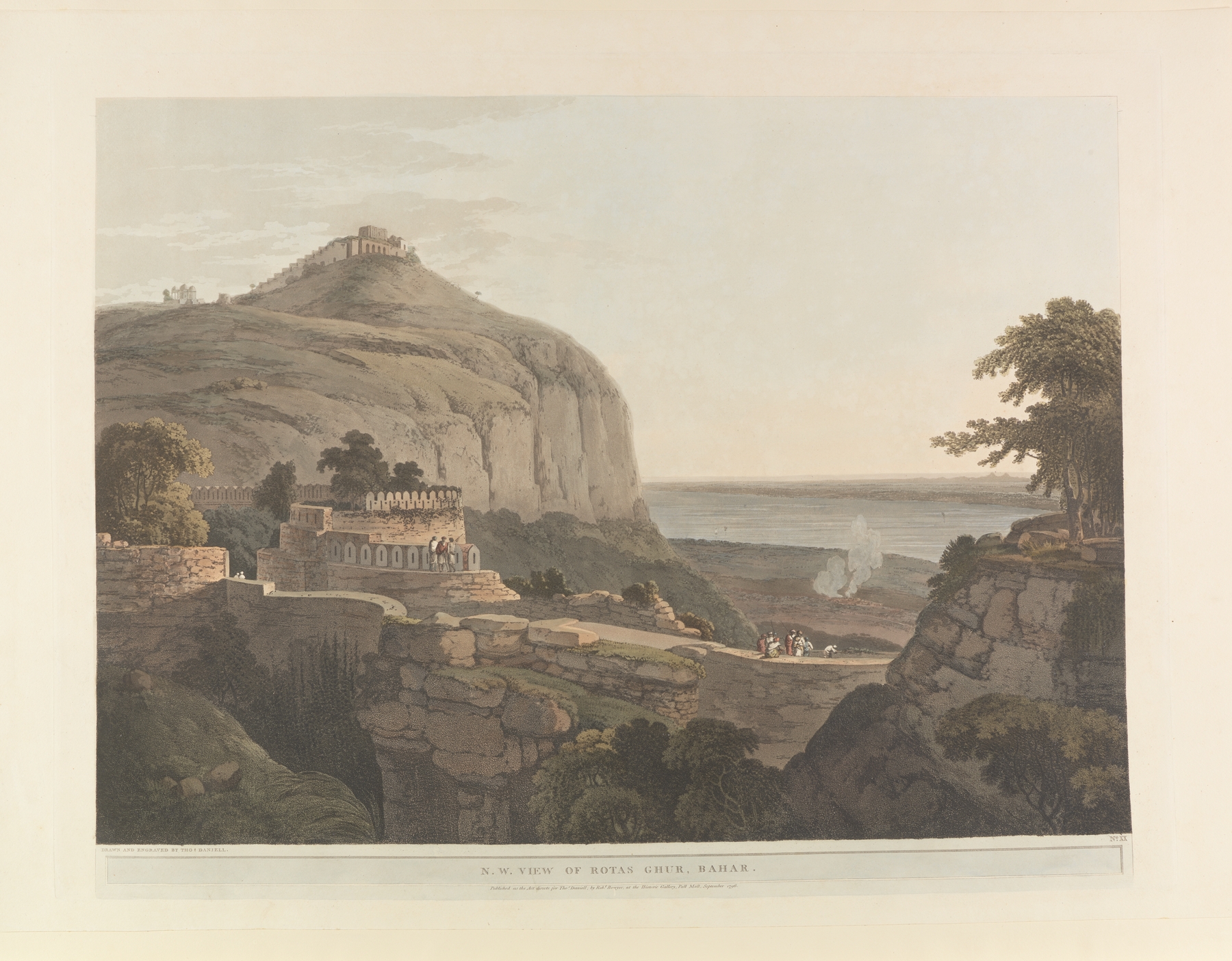
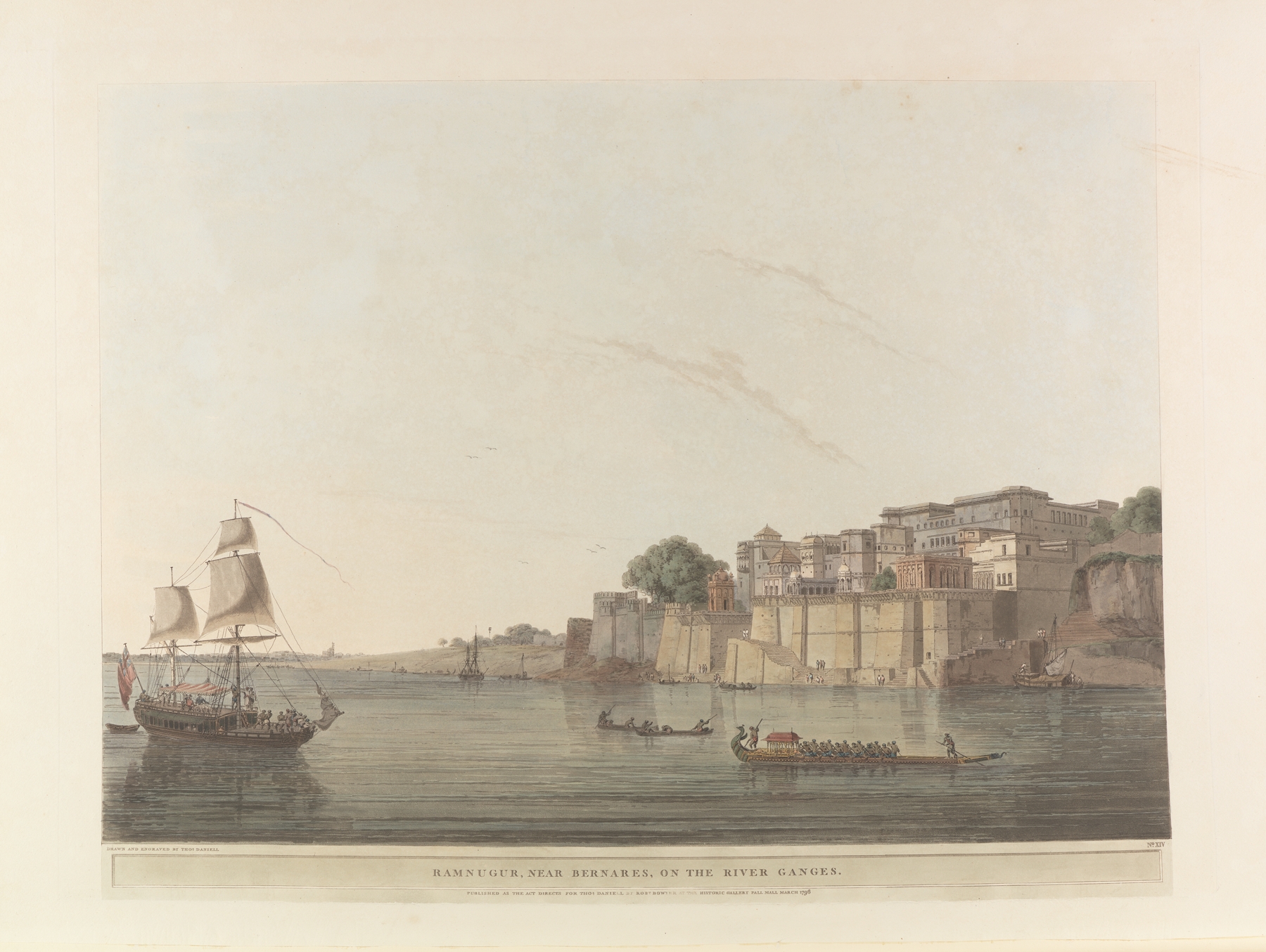
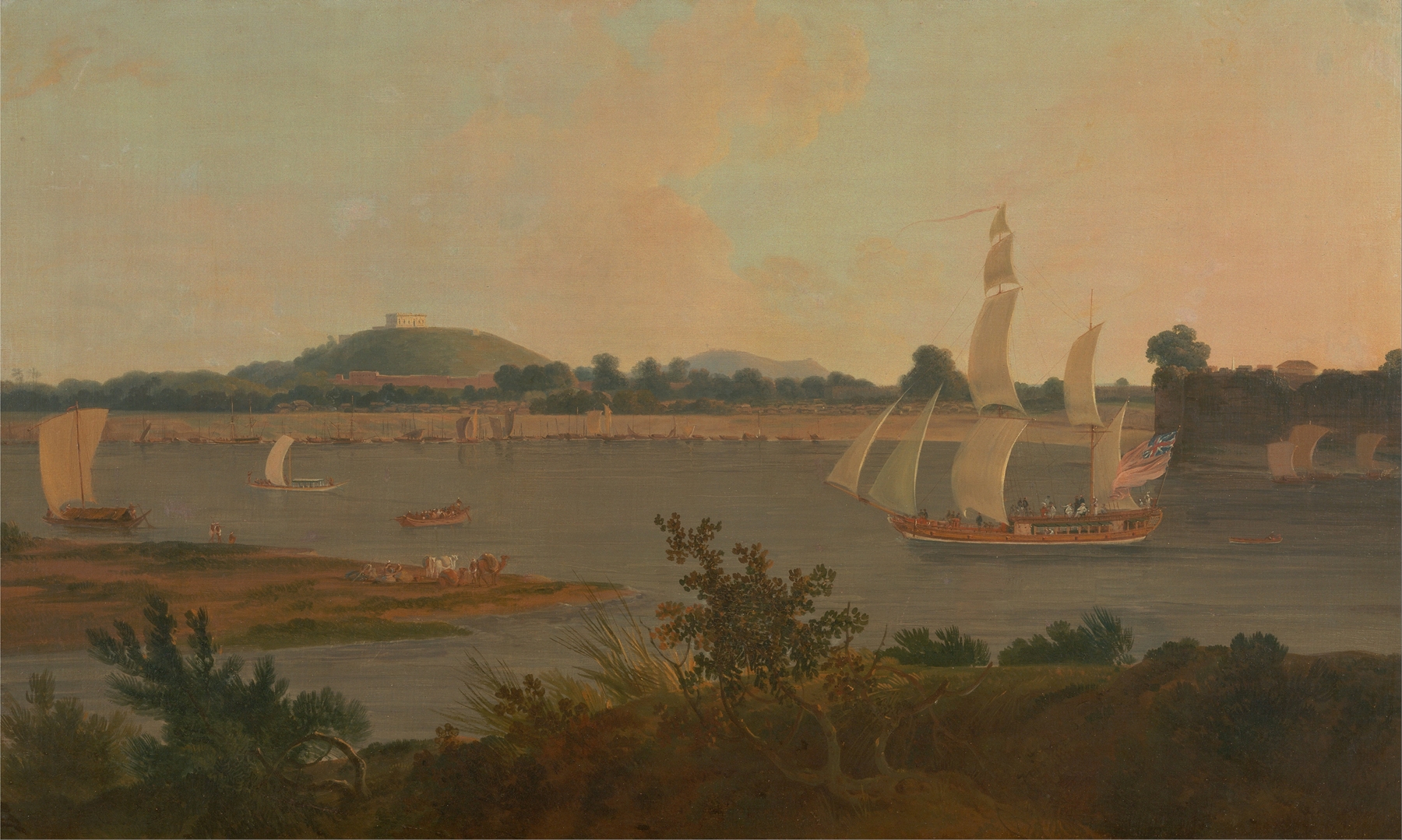
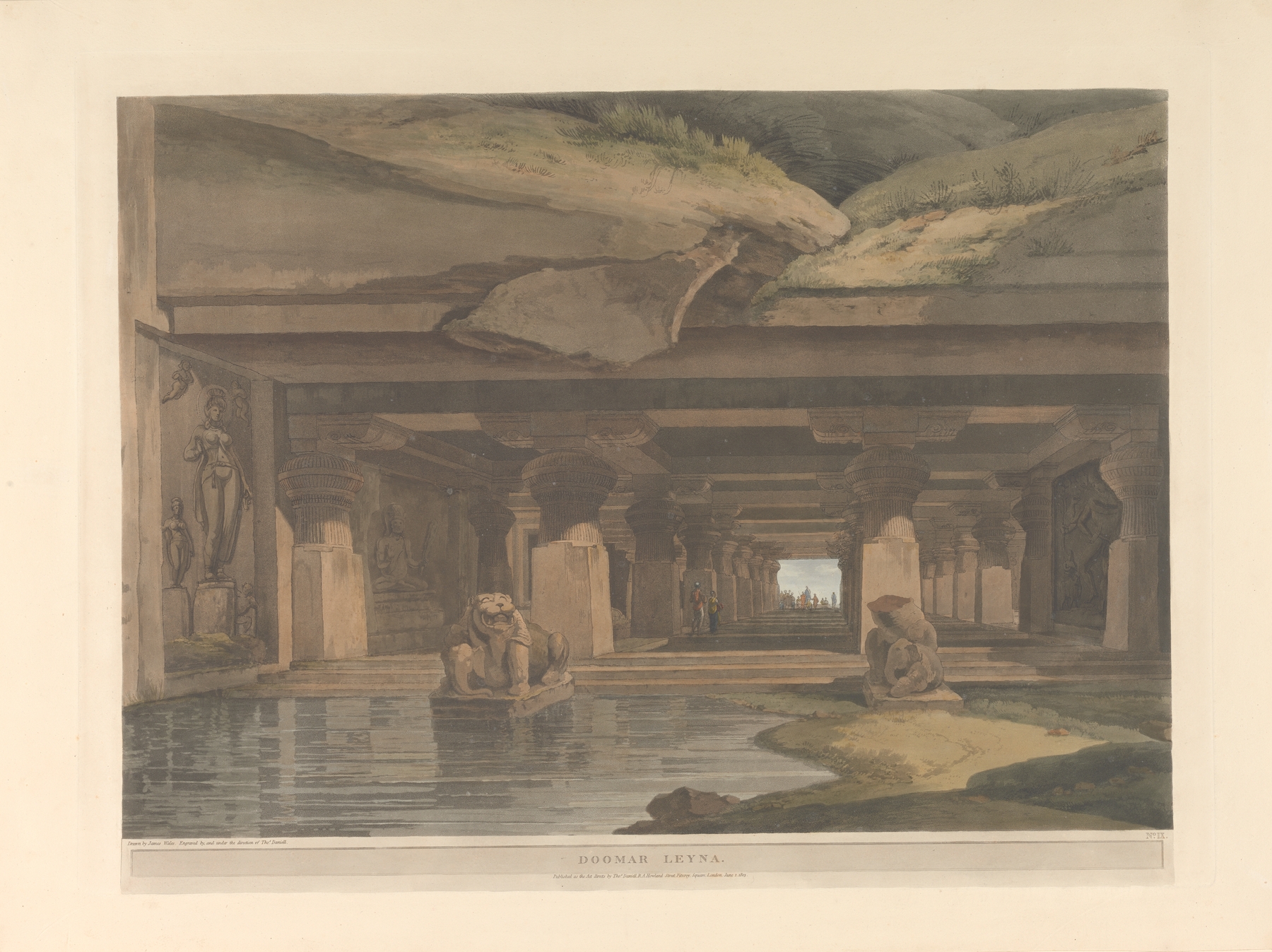
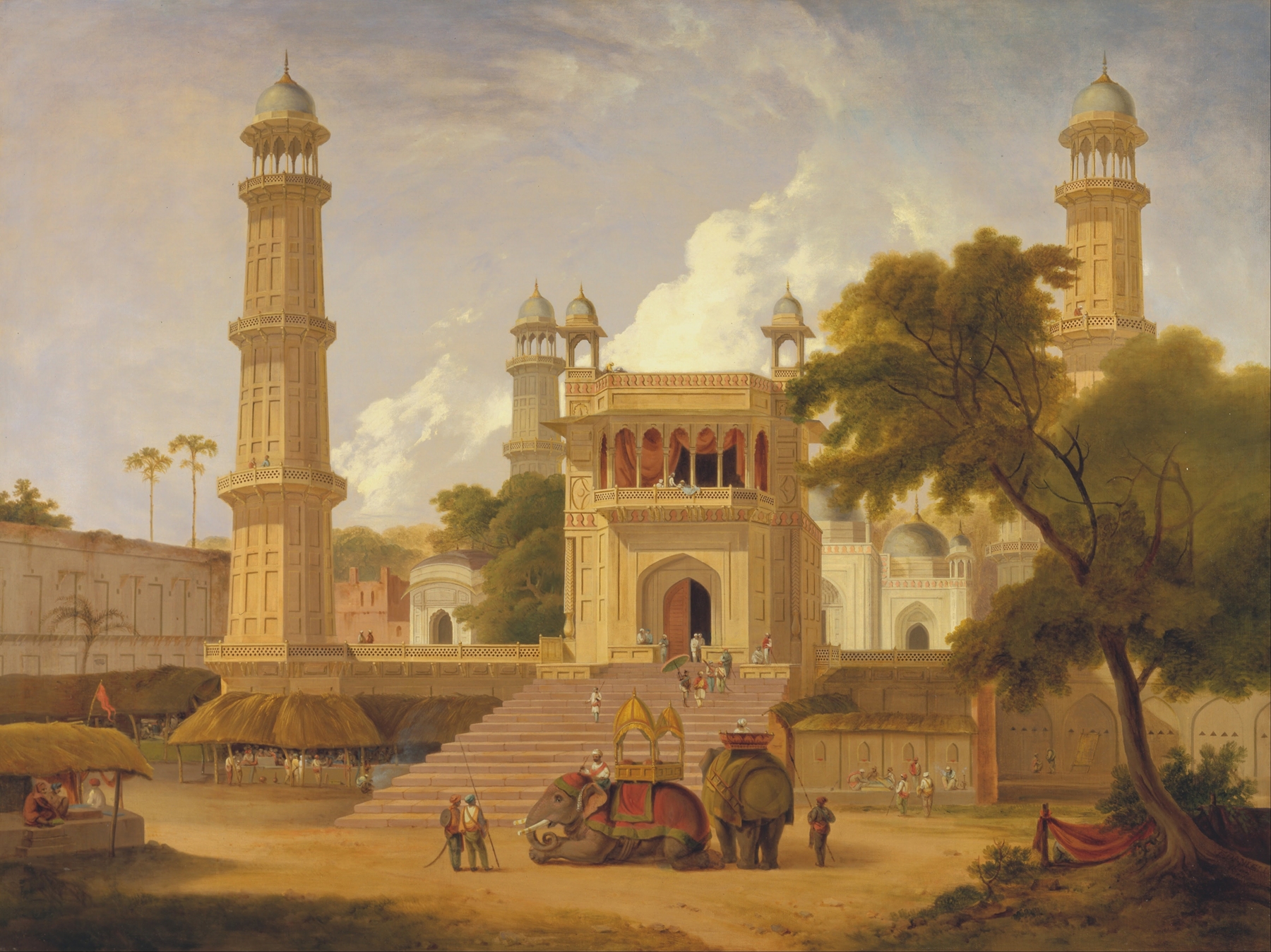
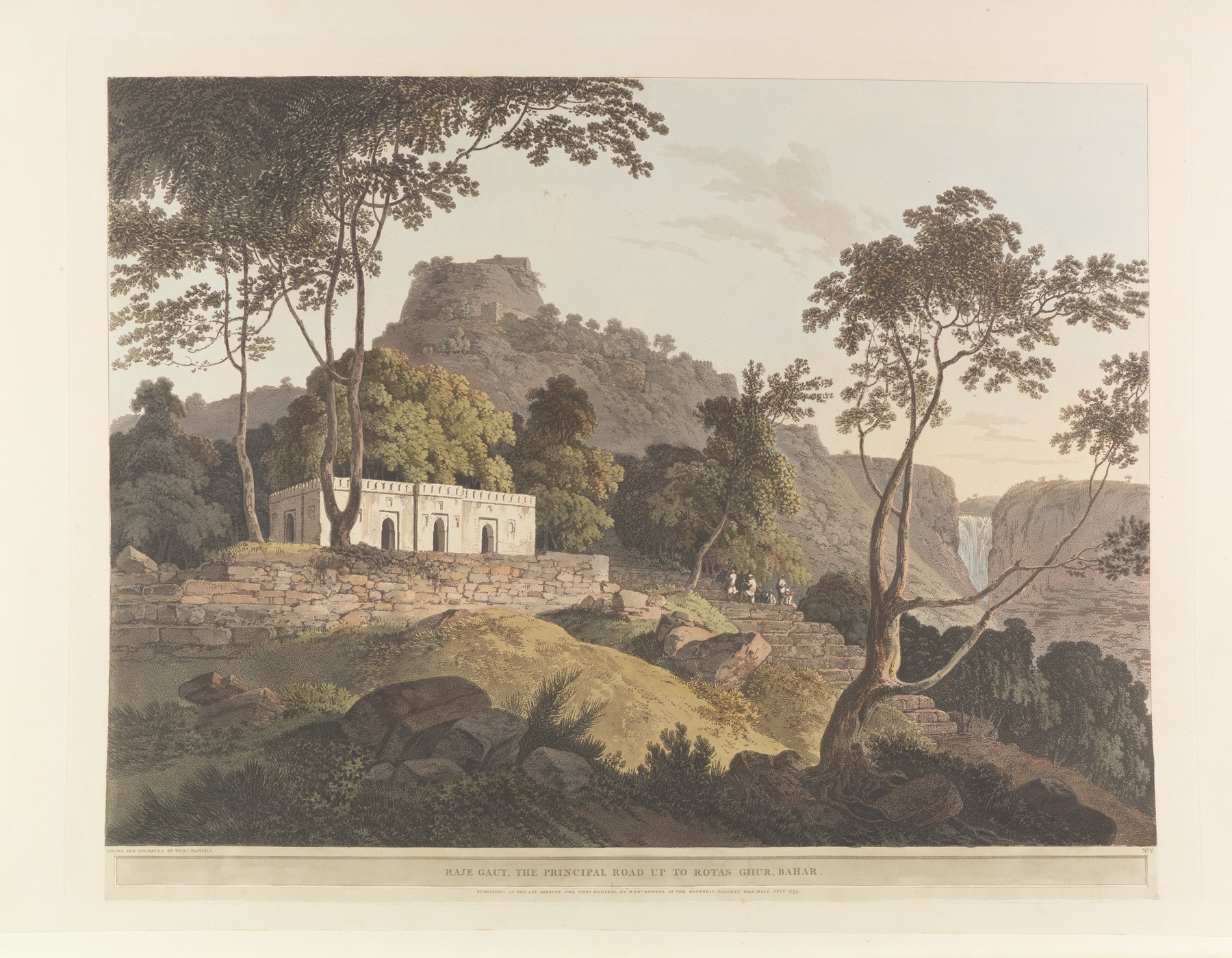
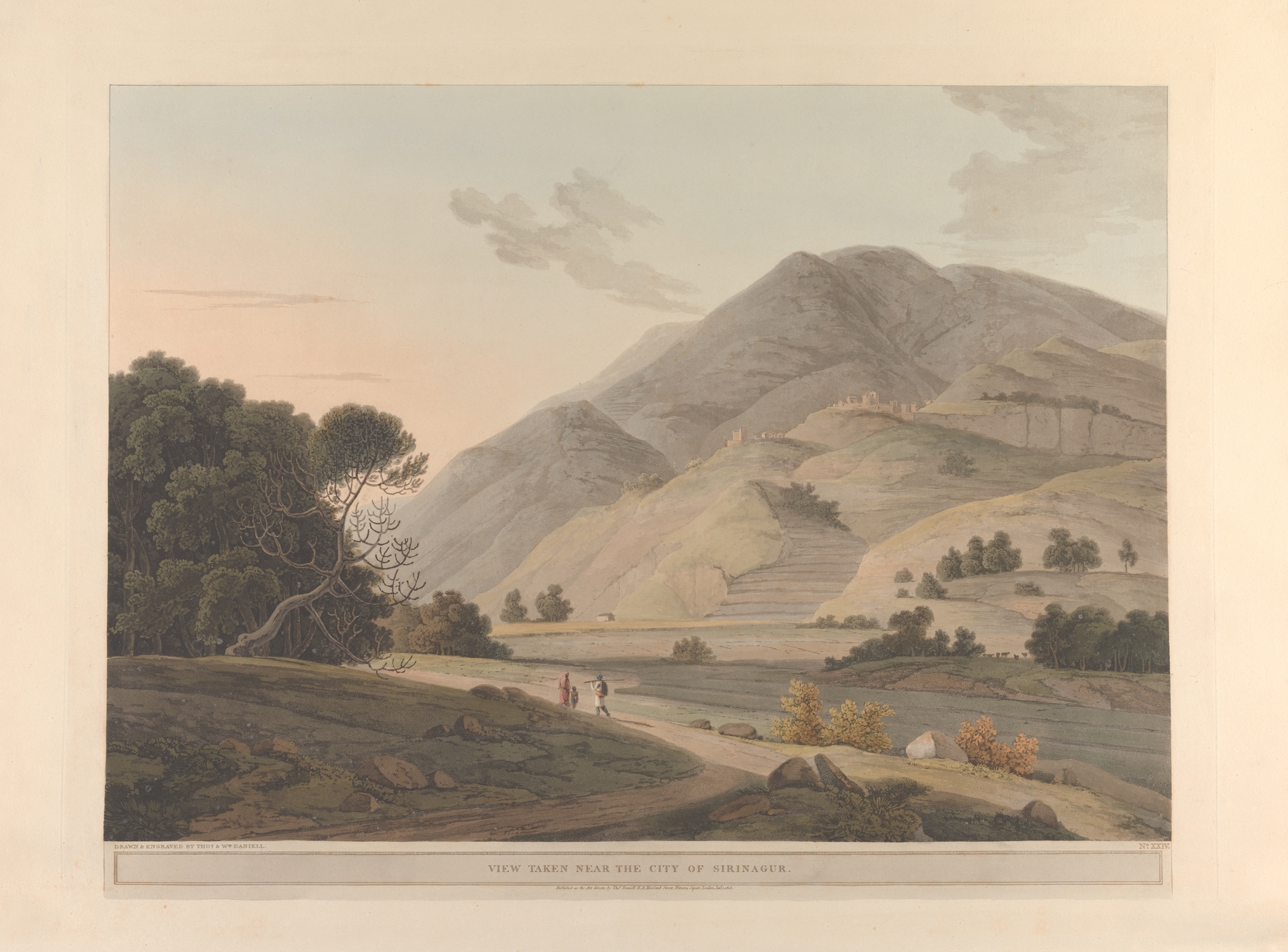
“To paint is to remember what time wants us to forget.” In the heart of every brushstroke lies a delicate whisper of beauty, a gentle reminder that what fades can also be captured anew. Look at the serene landscape; the soft contours of hills rise and fall in lush, verdant shades, inviting you to explore every hidden corner. Focus on the tranquil river meandering through the scene, its shimmering surface reflecting a sky painted with ethereal hues of dawn. Notice how the light falls upon the exotic foliage, creating contrast between rich greens and the warm, inviting tones of sunlight, suggesting a quiet harmony in the natural world.
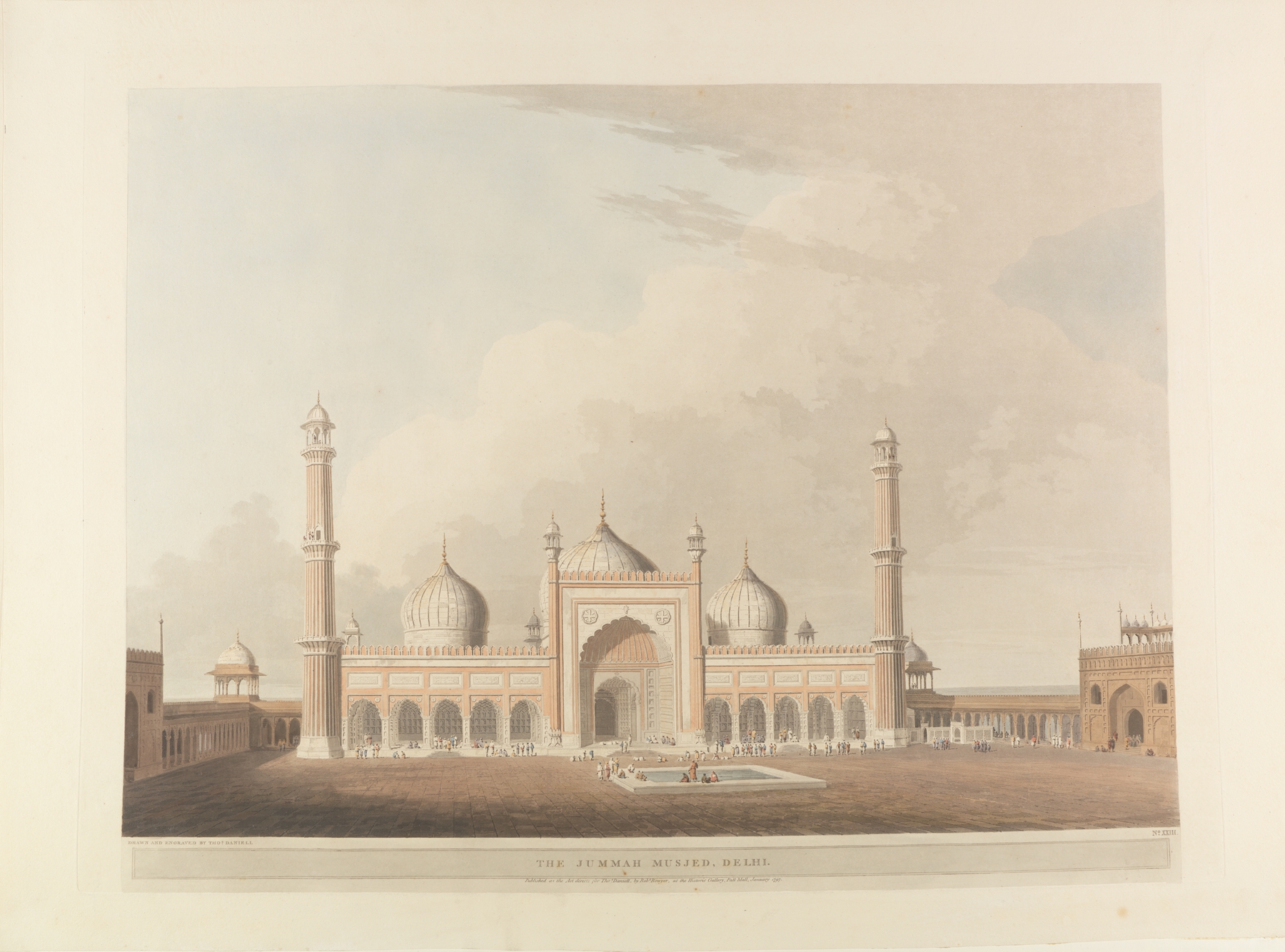
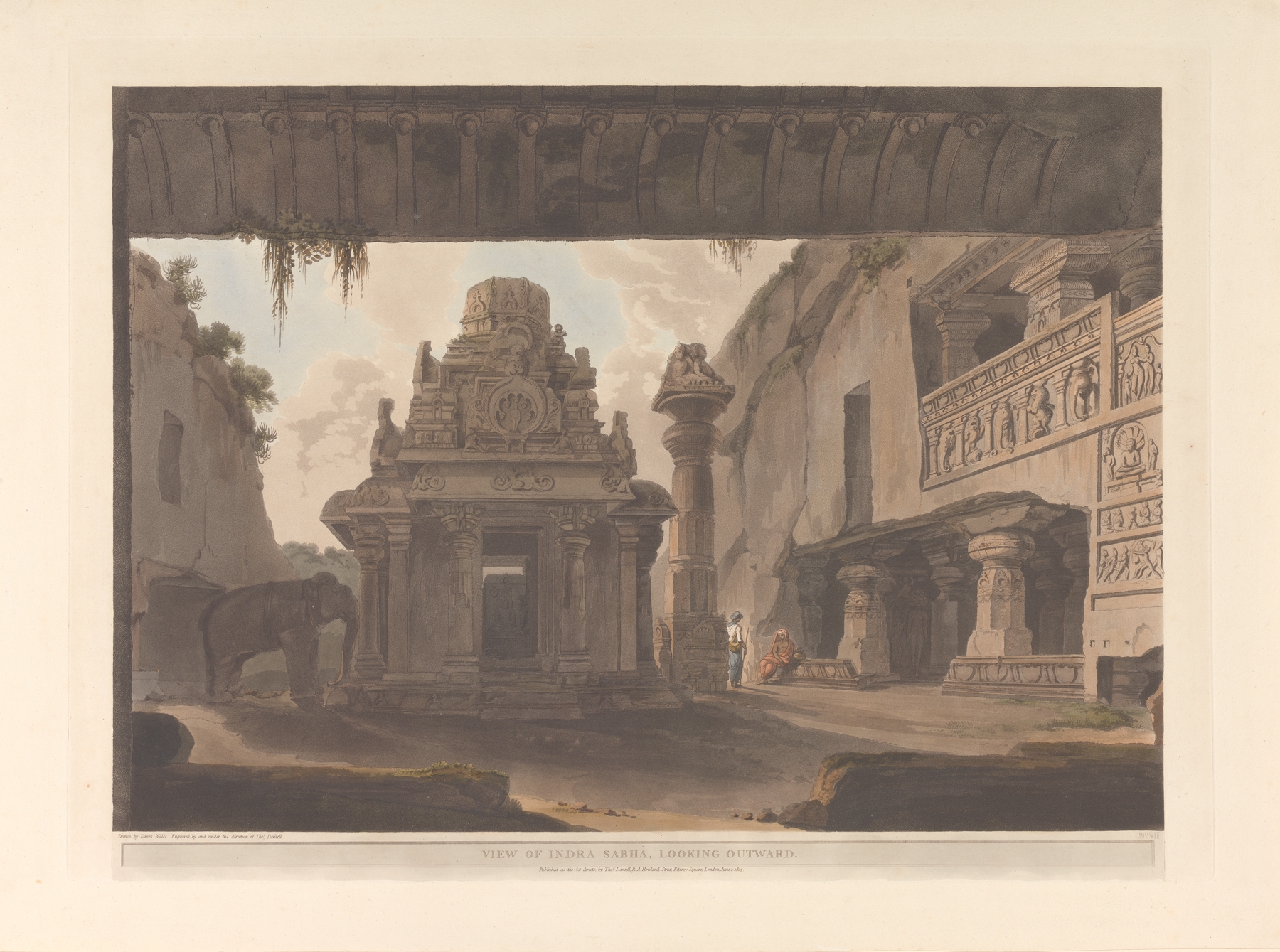
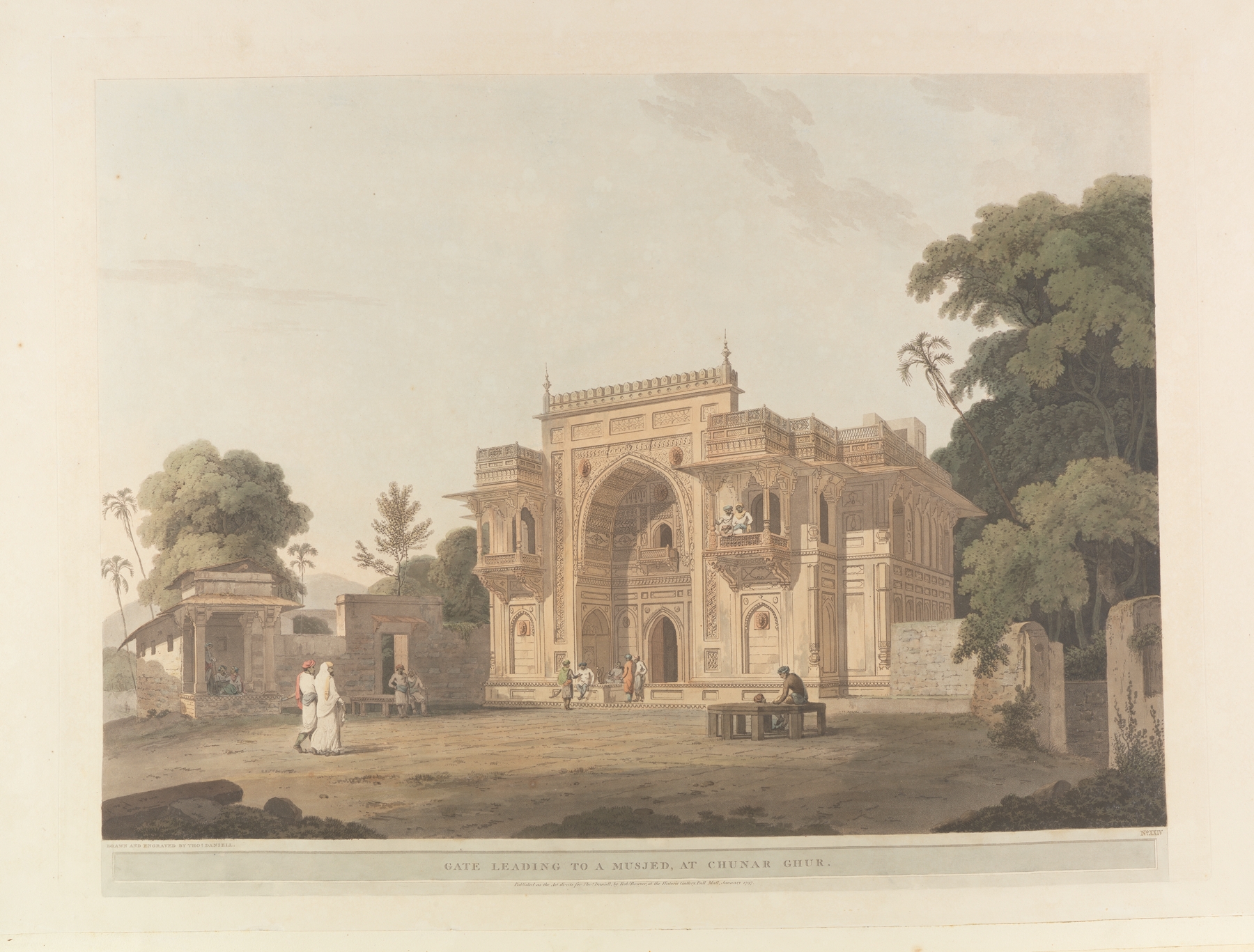
Beneath this idyllic setting lies a deeper reflection on the intersection of nature and culture. The depiction of the architecture teeters between the known and the mysterious, symbolizing a bridge between Eastern and Western worlds. The deliberate placement of the figures, perhaps local inhabitants, hints at a narrative of connection — a reminder of humanity's place within the beauty of the landscape.
Each detail vibrates with significance, resonating with the viewer's own history and experiences of beauty. Created in 1808, this work emerged during a period when Thomas Daniell was exploring the landscapes of India, a time marked by British colonial expansion and the burgeoning fascination with Orientalism in European art. Living in a world awash in cultural exchanges, he sought to capture the essence of the East, juxtaposing its enchanting beauty with the realities of his own time and place.