Pakhuizen aan een gracht — History & Analysis
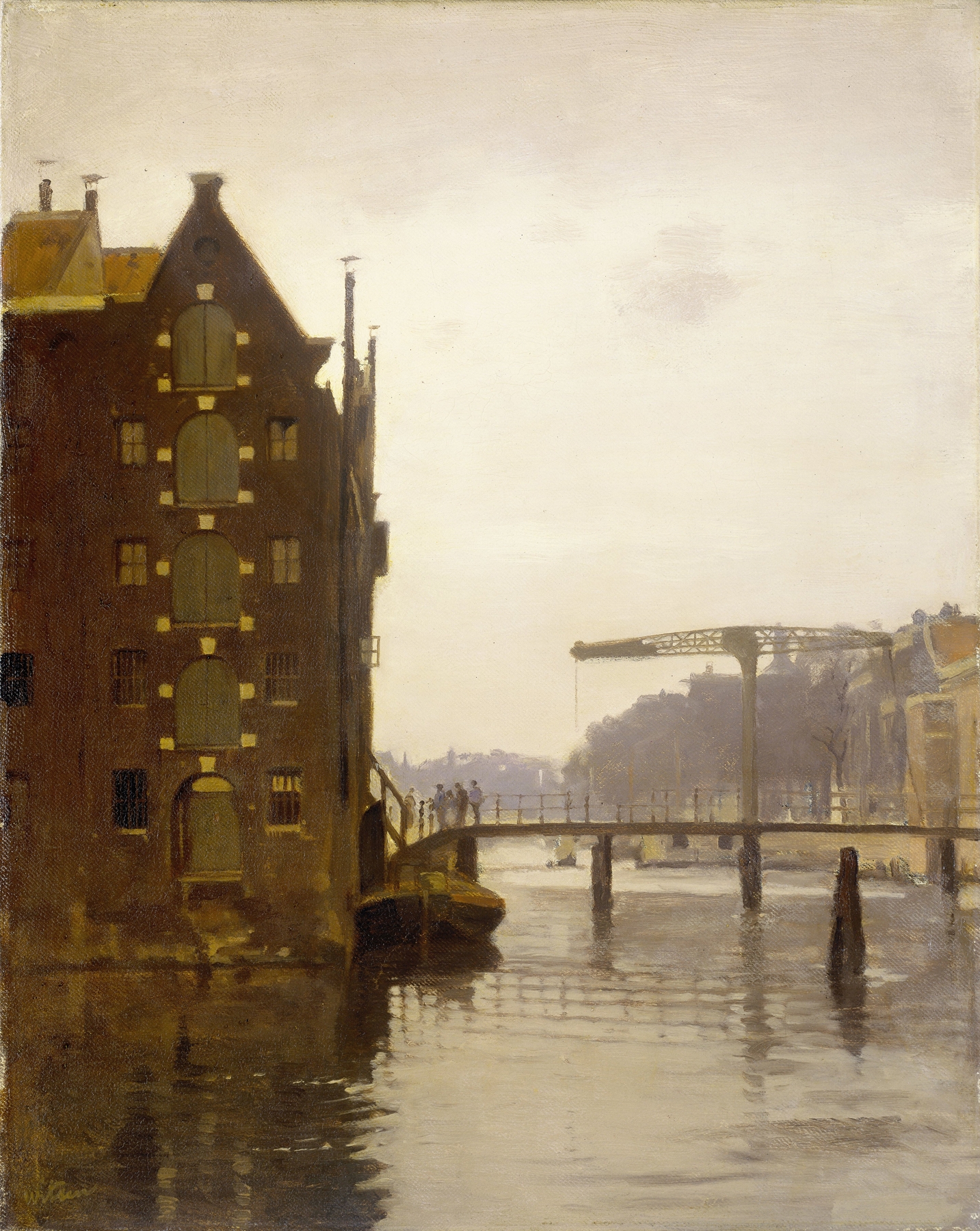
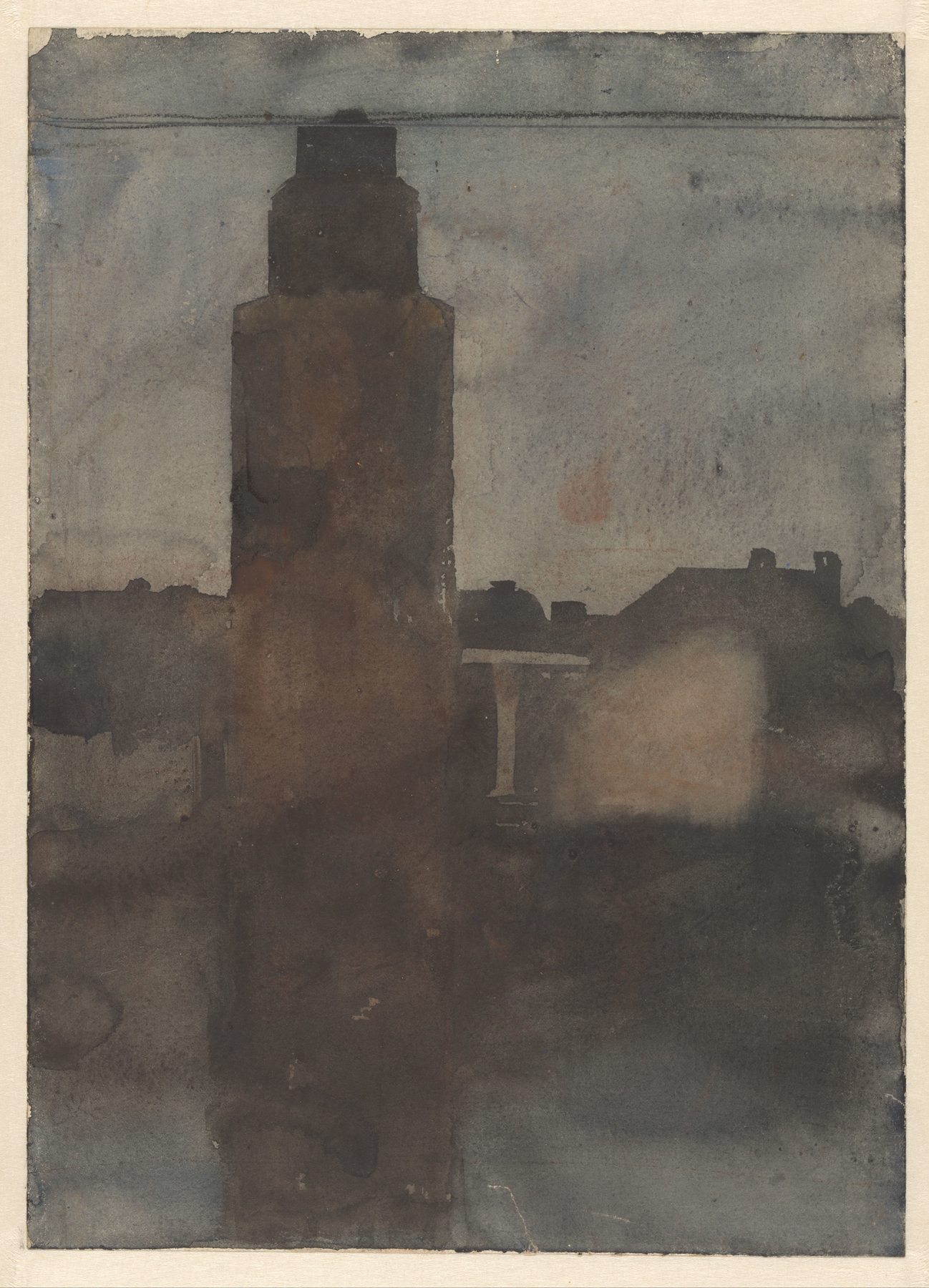
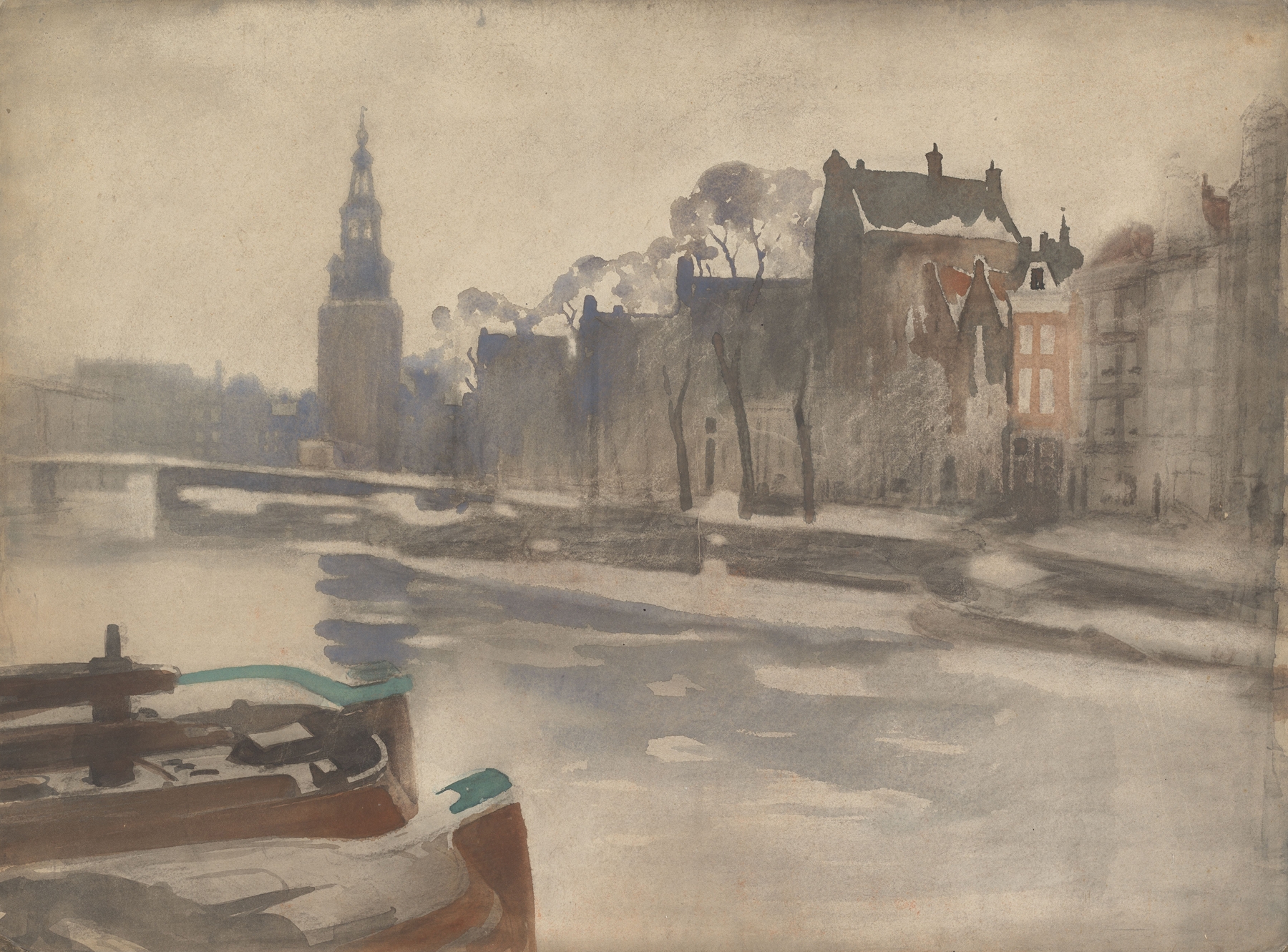
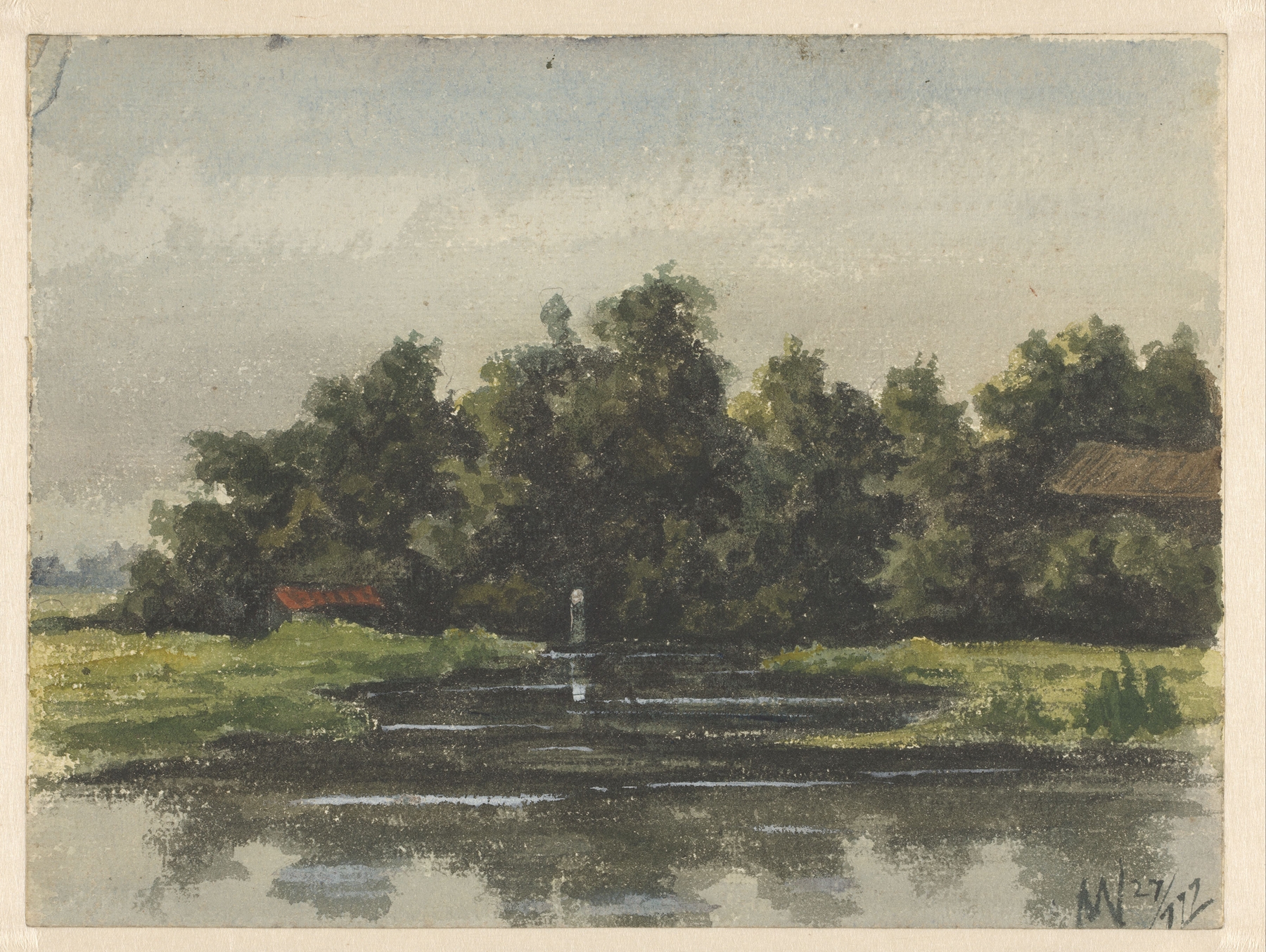
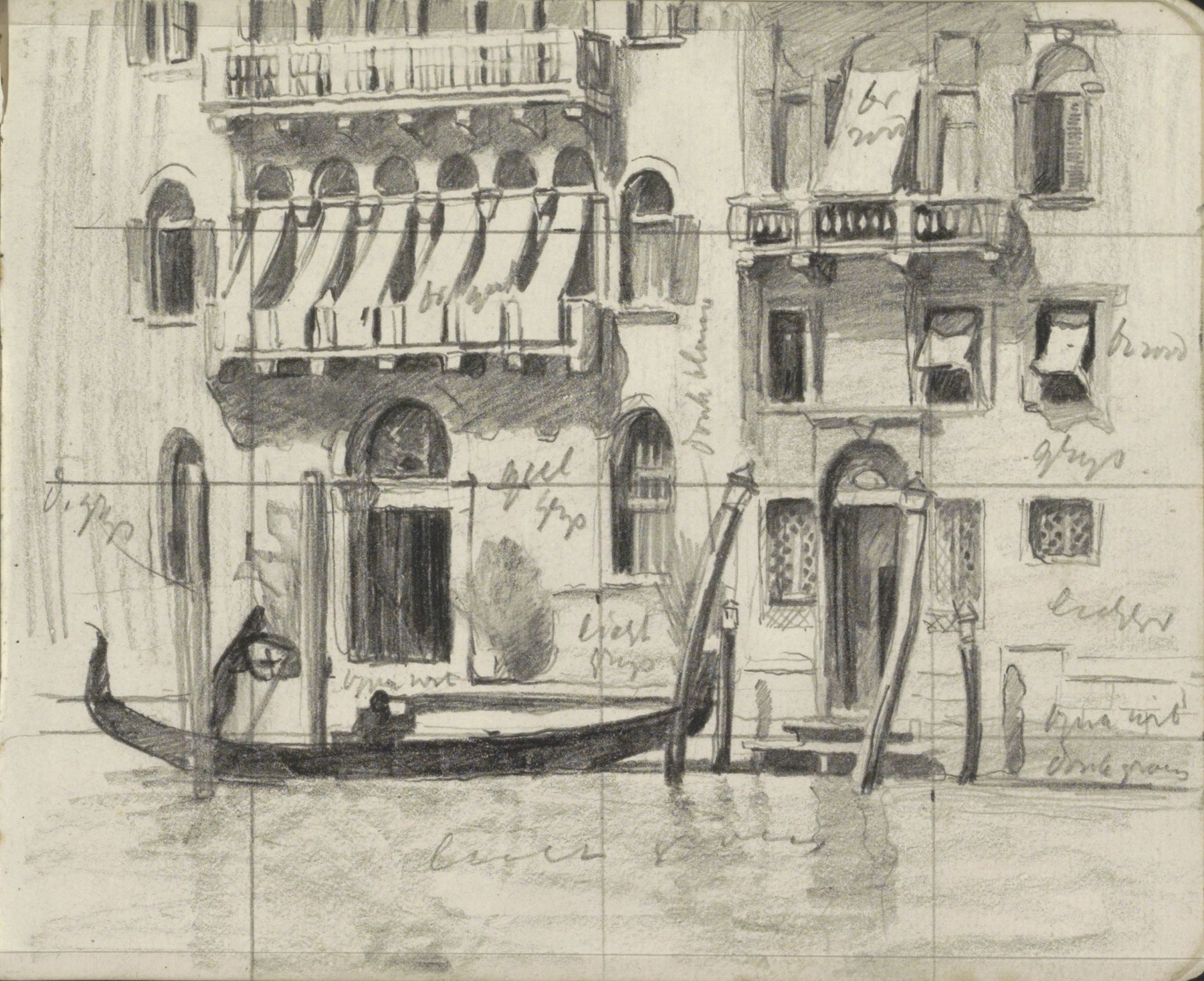
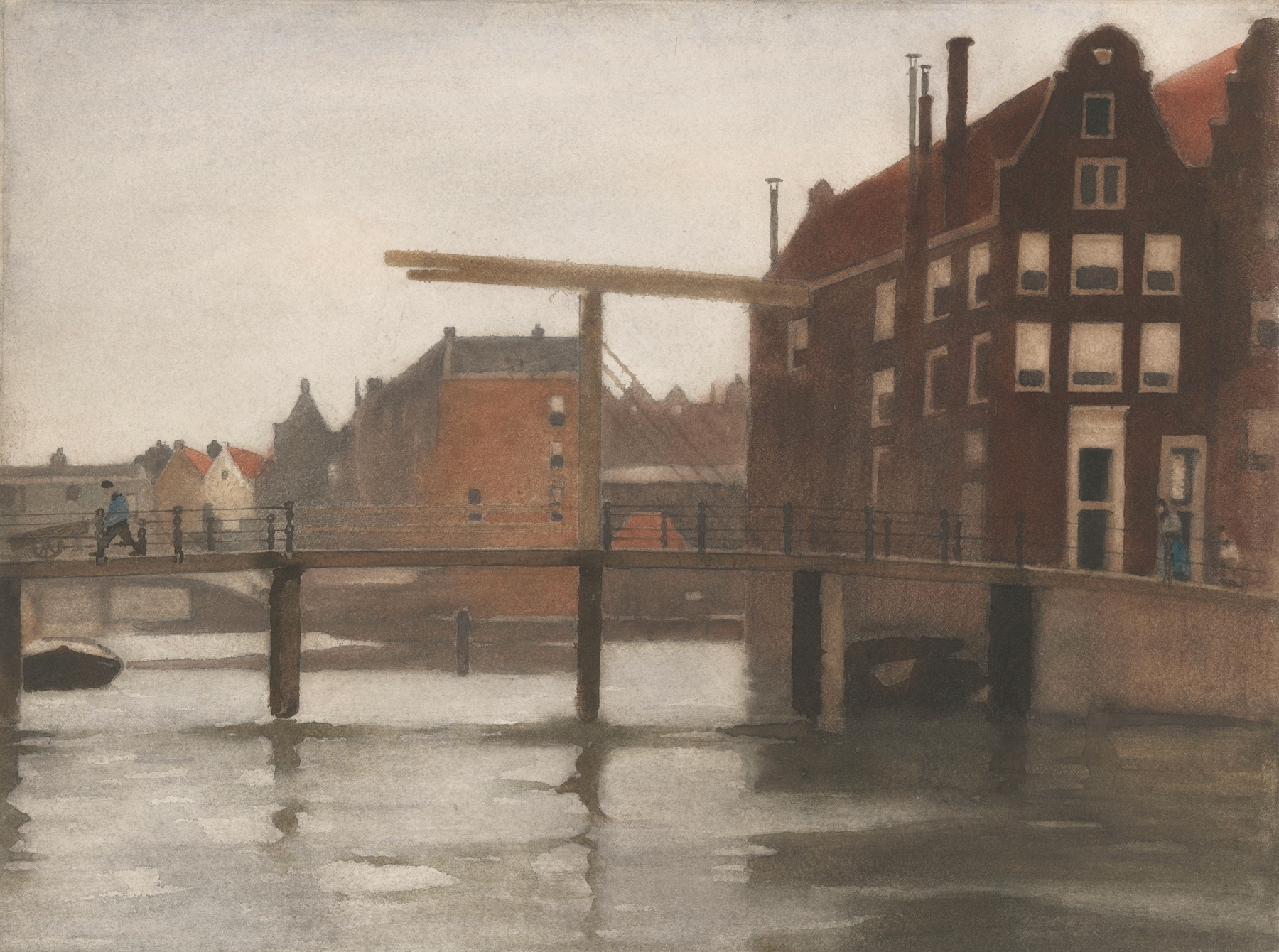
Can beauty exist without sorrow? In Pakhuizen aan een gracht, the delicate interplay of light and shadow speaks to an often unseen grief woven into the fabric of existence. Look to the left at the charming warehouse, its sturdy silhouette softened by the gentle caress of the setting sun. Notice how the water reflects the warm hues of the sky, blending orange and deep blue in a quiet dance, while the scene’s stillness invites contemplation.
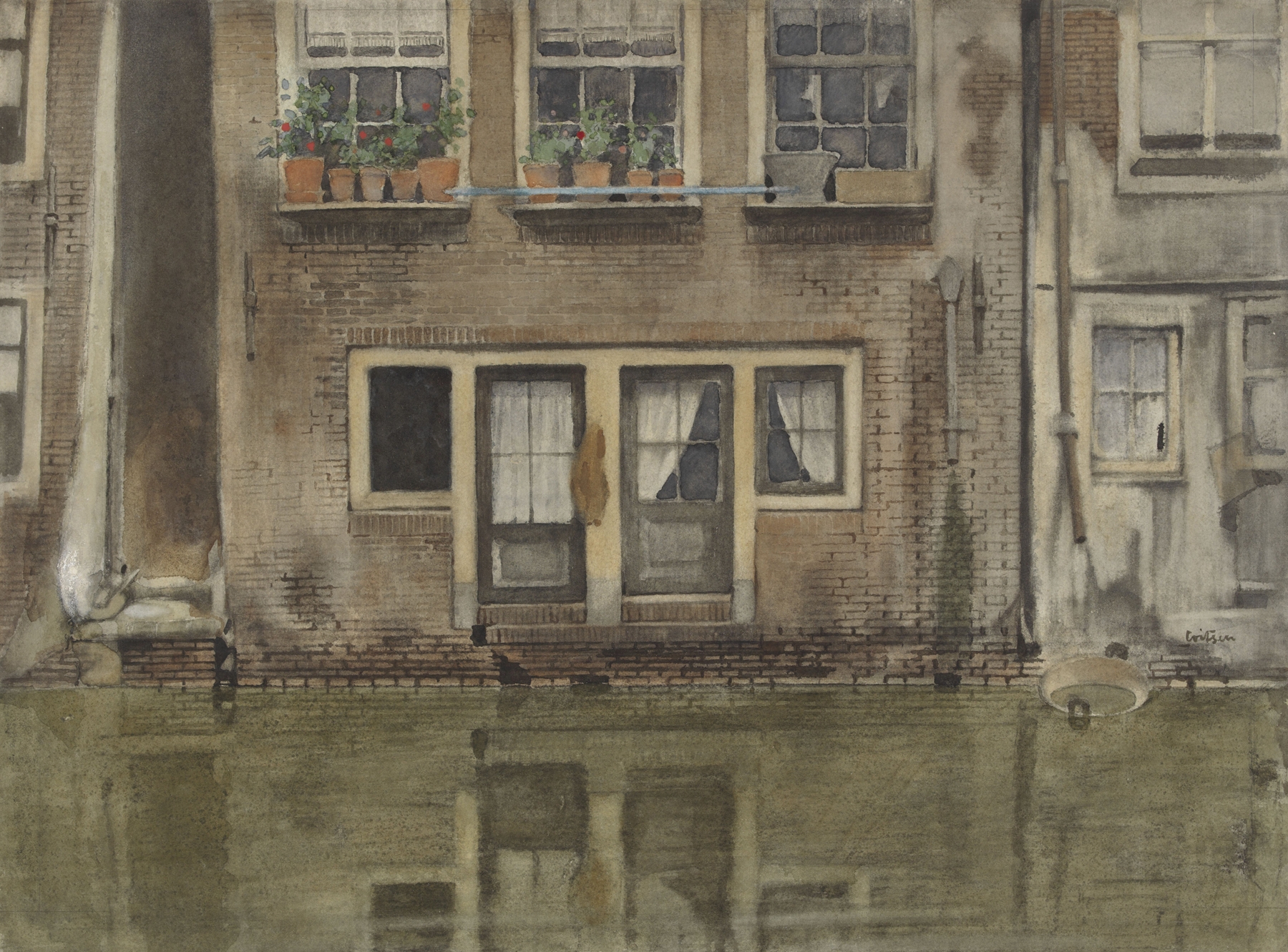
The subtle brushstrokes create an atmospheric depth, drawing your eye to the ripples that echo the passage of time, suggesting both movement and stagnation amid the serene canals. In this composition, emotional tensions simmer beneath the surface. The juxtaposition of the solid, imposing buildings against the fragile reflections in the water hints at the impermanence of life, echoing the inevitability of loss. Each element, from the vibrant colors to the tranquil setting, encapsulates a sense of nostalgia, evoking a yearning for something unattainable.
The viewer is left to ponder what has been lost in the past, a silent conversation between memory and the present. During the period from 1870 to 1923, the artist thrived in the Netherlands, where he was deeply influenced by the burgeoning movement of Impressionism. Witsen navigated his own personal challenges, including the loss of loved ones, which informed his artistic exploration of beauty amid sorrow. This piece stands as a poignant reflection of his experiences, capturing a moment in time while reminding us of the fragility of our own lives.