Park Von St. Cloud – Herbst I — History & Analysis
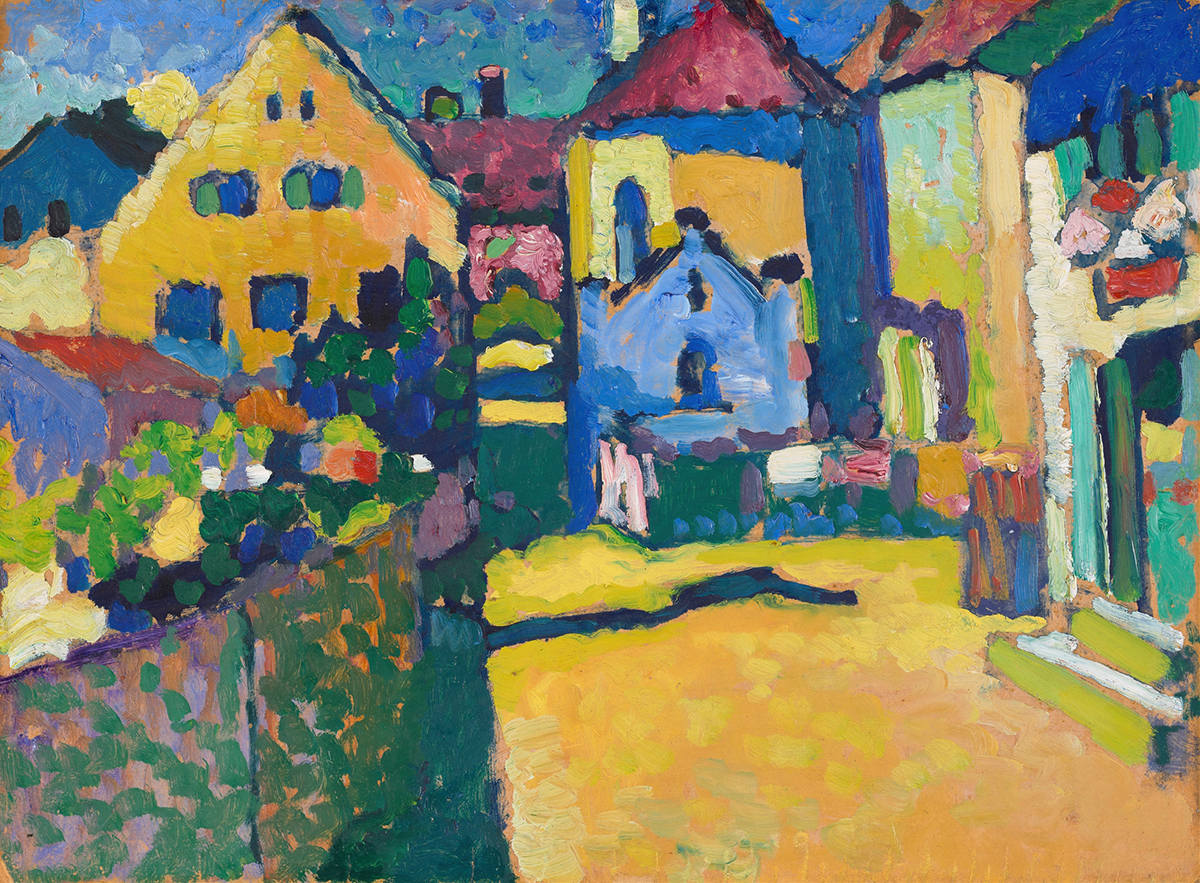
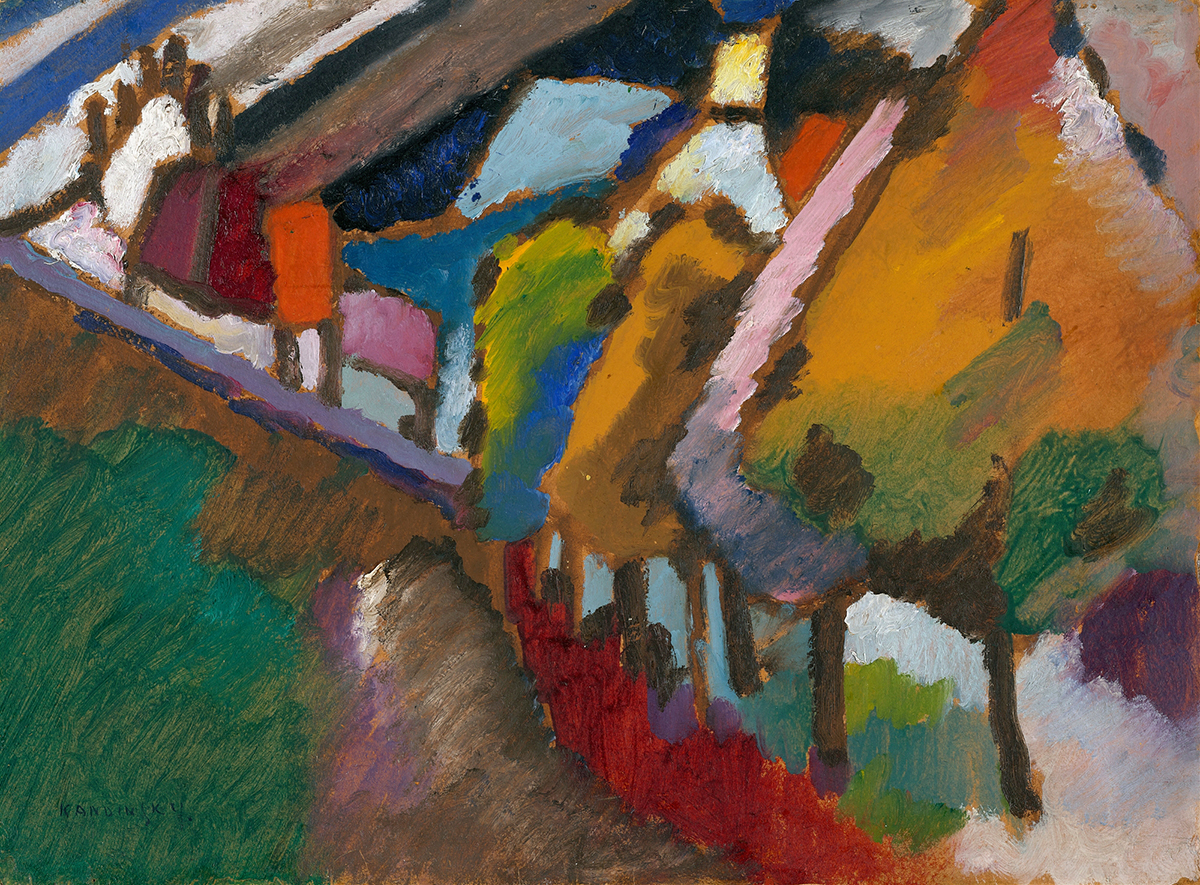
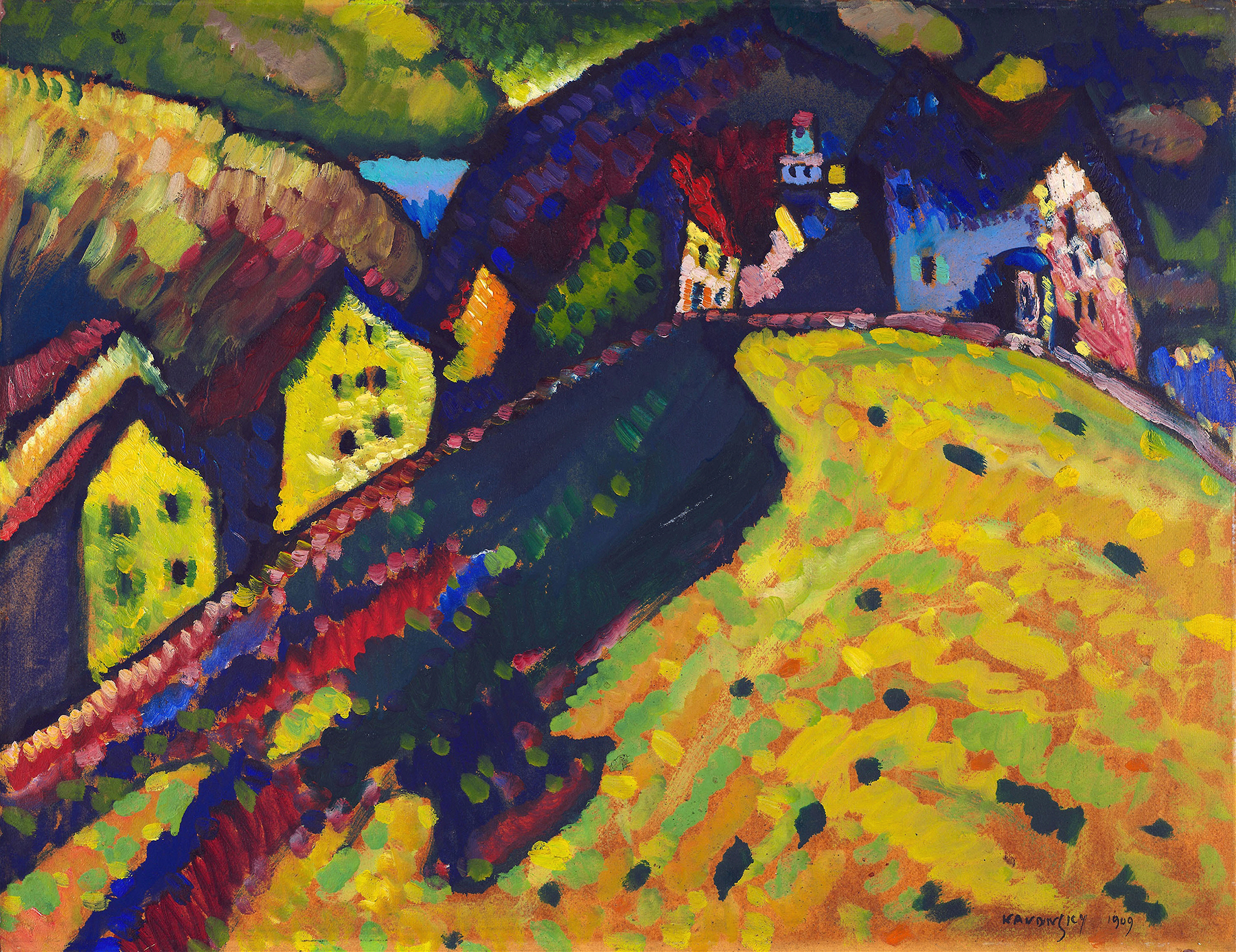
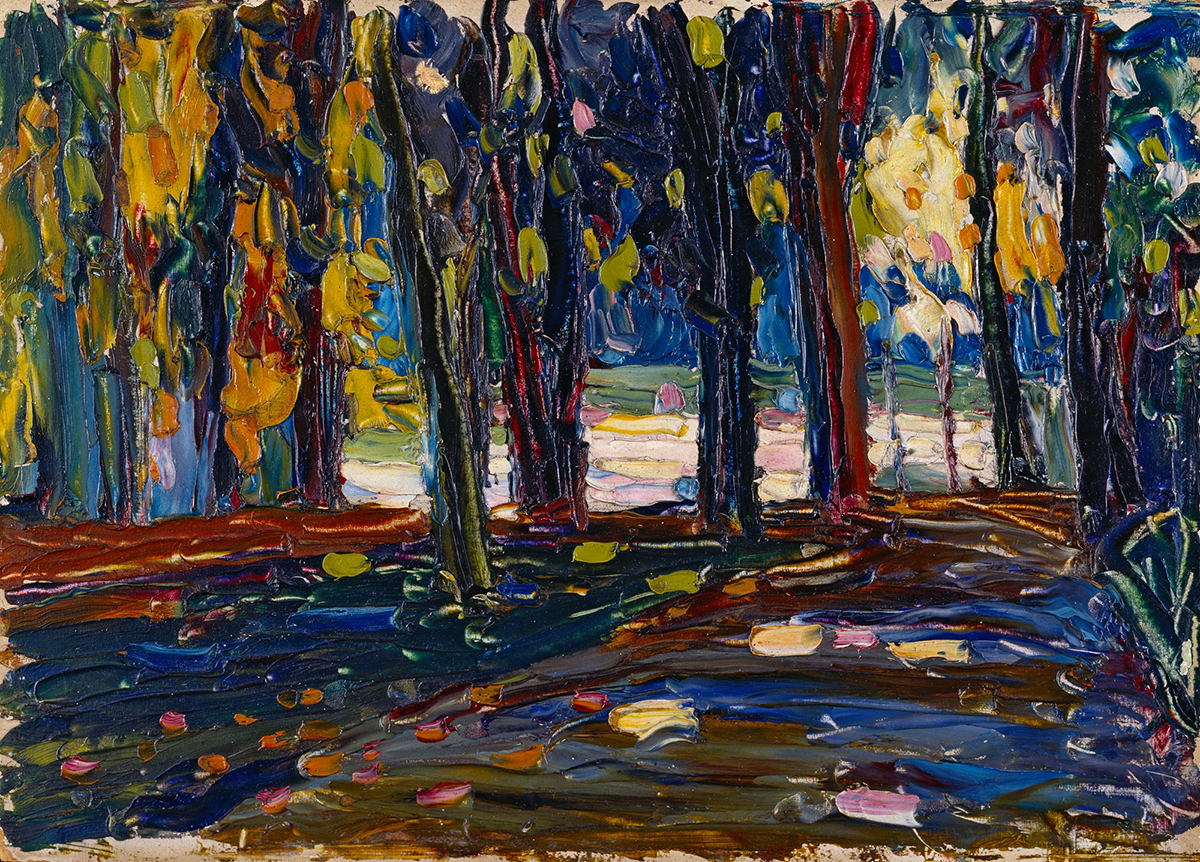
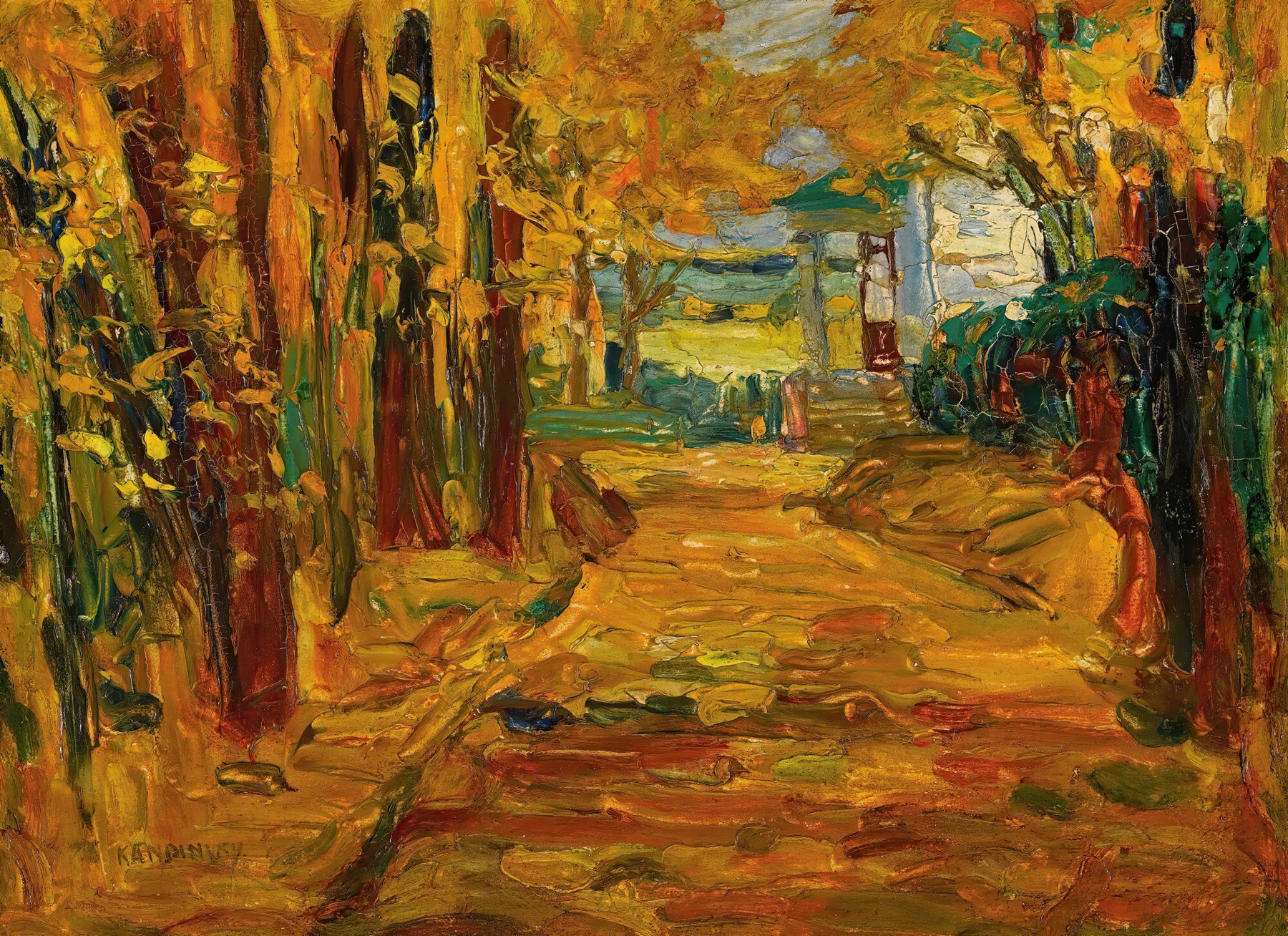
Could beauty survive in a century of chaos? In a world trembling on the brink of upheaval, the colors of existence beckon us to awaken to their vibrancy. Begin your journey in Park Von St. Cloud – Herbst I by focusing on the swirling forms of deep red and bright yellow that dominate the canvas.
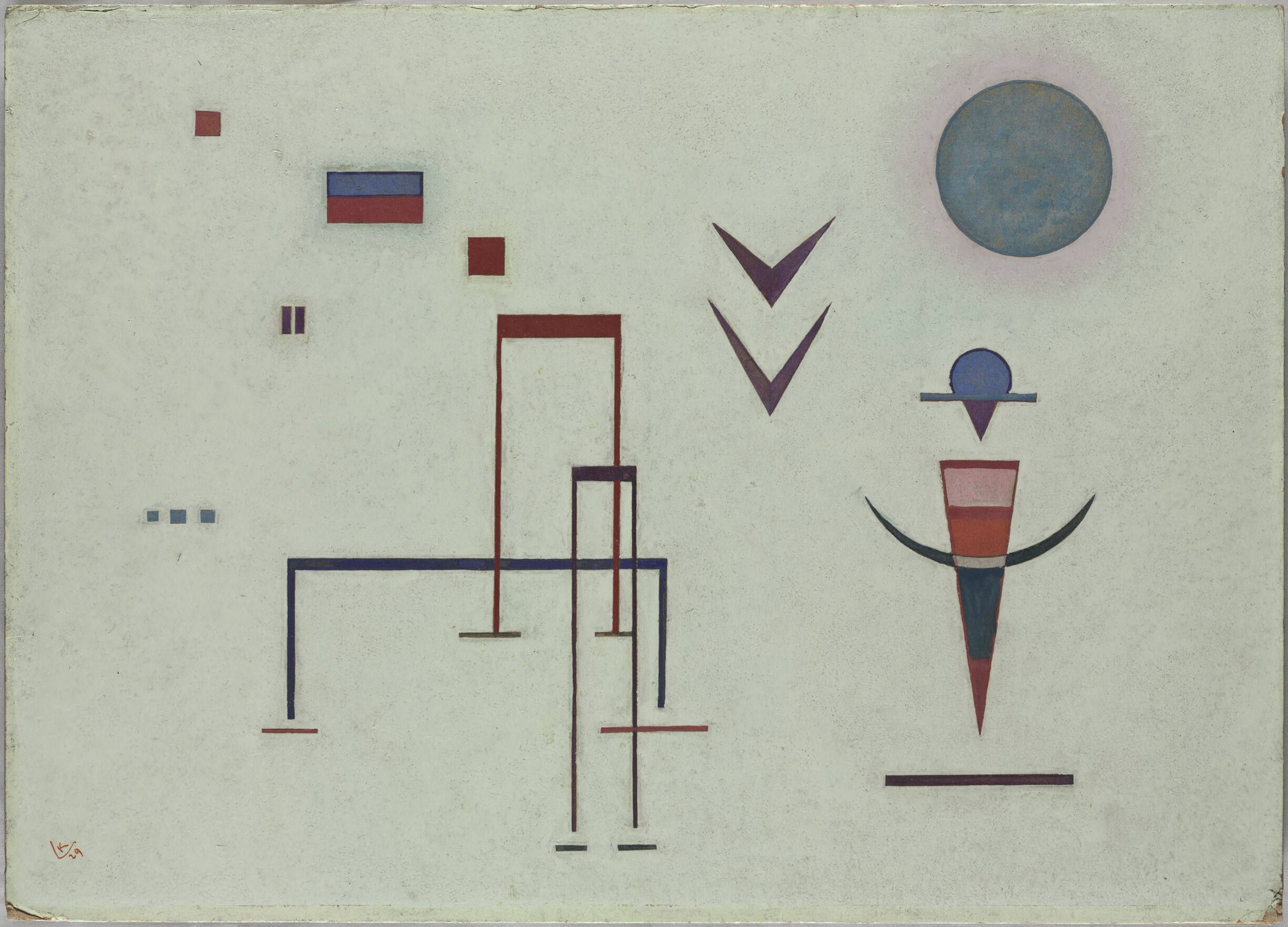
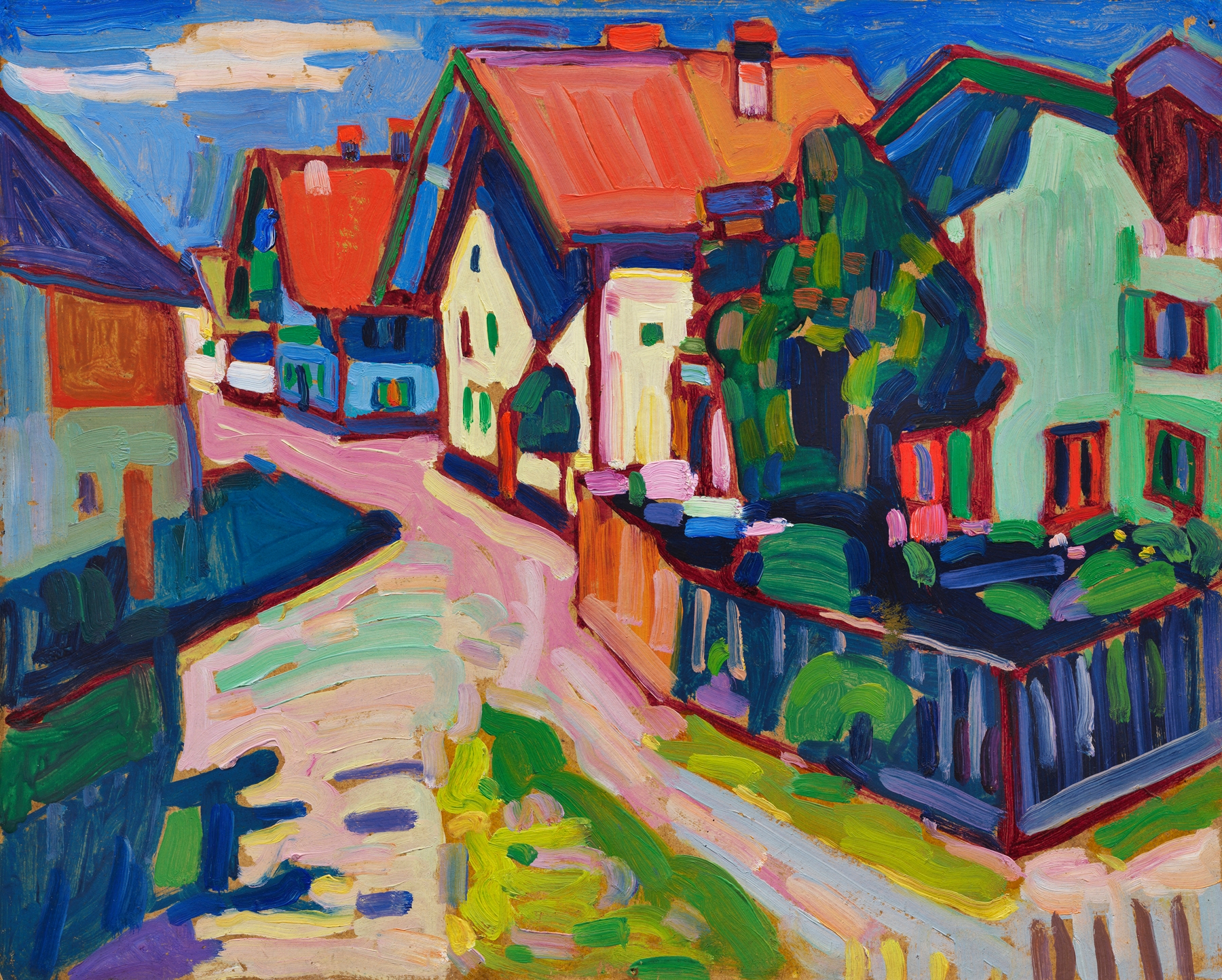
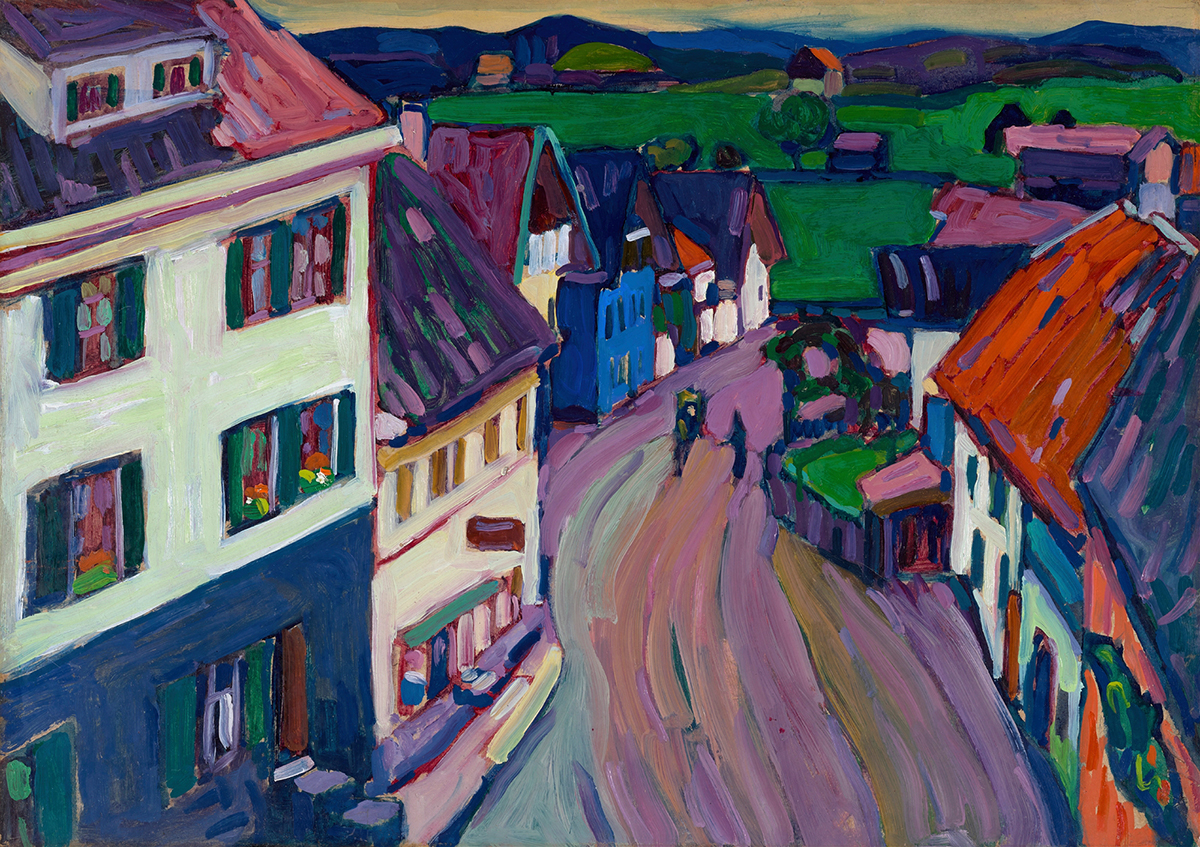
Look closely at the intricate interplay of geometric shapes, where circles and lines dance rhythmically, pulling your gaze into a harmonious yet chaotic symphony of color. The artist’s bold brushstrokes create a sense of movement, as if the landscape itself is alive, teetering between the tranquil and the tumultuous. Within this vibrant tapestry lies a duality: the grounding warmth of autumn juxtaposed with a tension of impending winter. The flowing lines suggest a gentle breeze, while the sharp angles evoke a sense of unease, hinting at a world on the verge of transformation.
Each vibrant hue connects to the pulse of nature, yet there’s an undercurrent of urgency—an echo of the turmoil brewing just beyond the horizon, inviting reflection on the delicate balance between beauty and chaos. In 1906, Kandinsky created this piece during a period of profound change in his life and the art world, characterized by the rise of abstraction. Living in Munich, he was deeply influenced by the burgeoning expressionist movement, seeking to capture emotional resonance through color and form. This painting not only marks his exploration of abstraction but also signals a turning point in the artistic narrative, where the quest for deeper meaning began to overshadow representational confines.