Part of the Vault of the Temple of Minerva Medica in Rome — History & Analysis
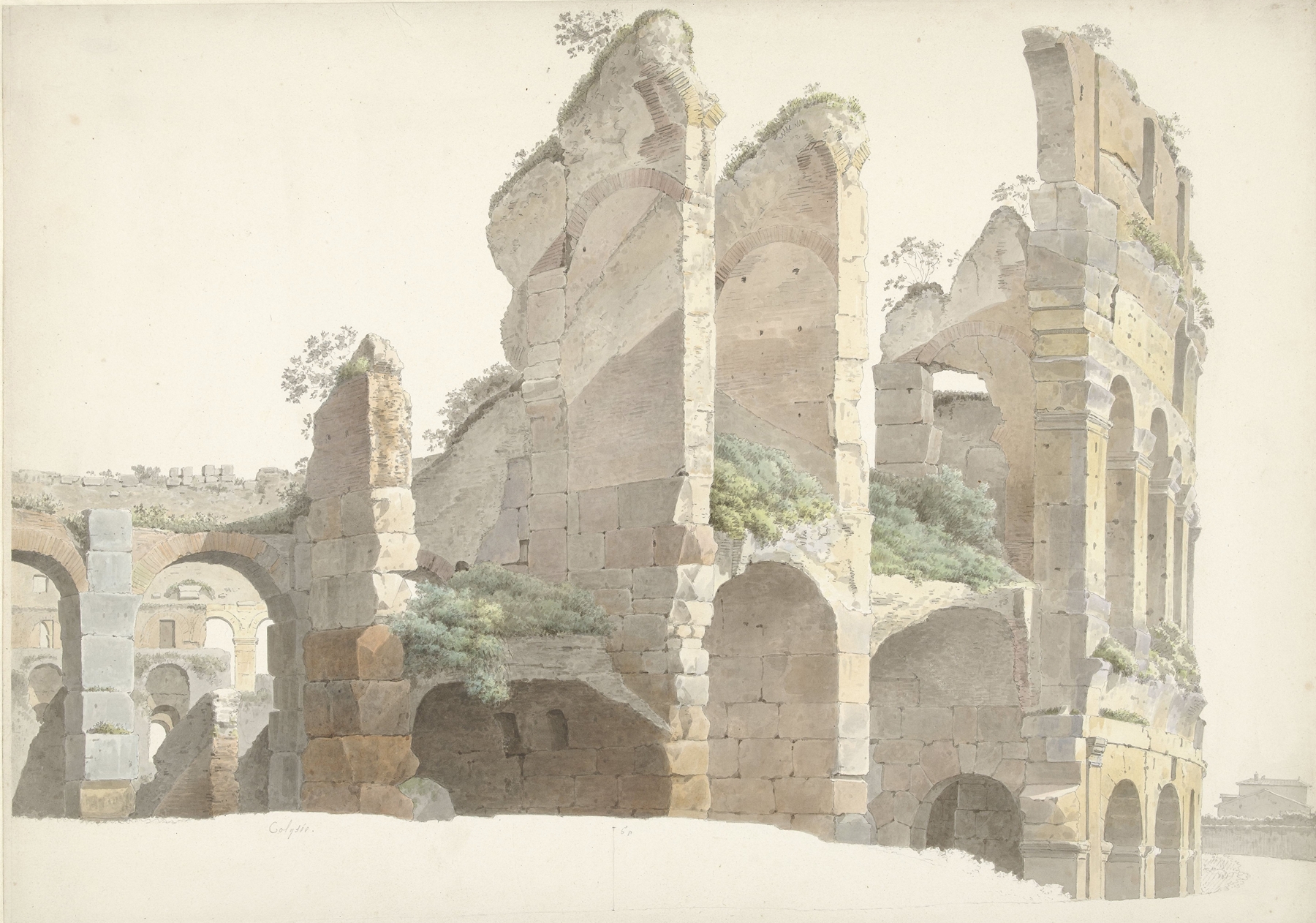
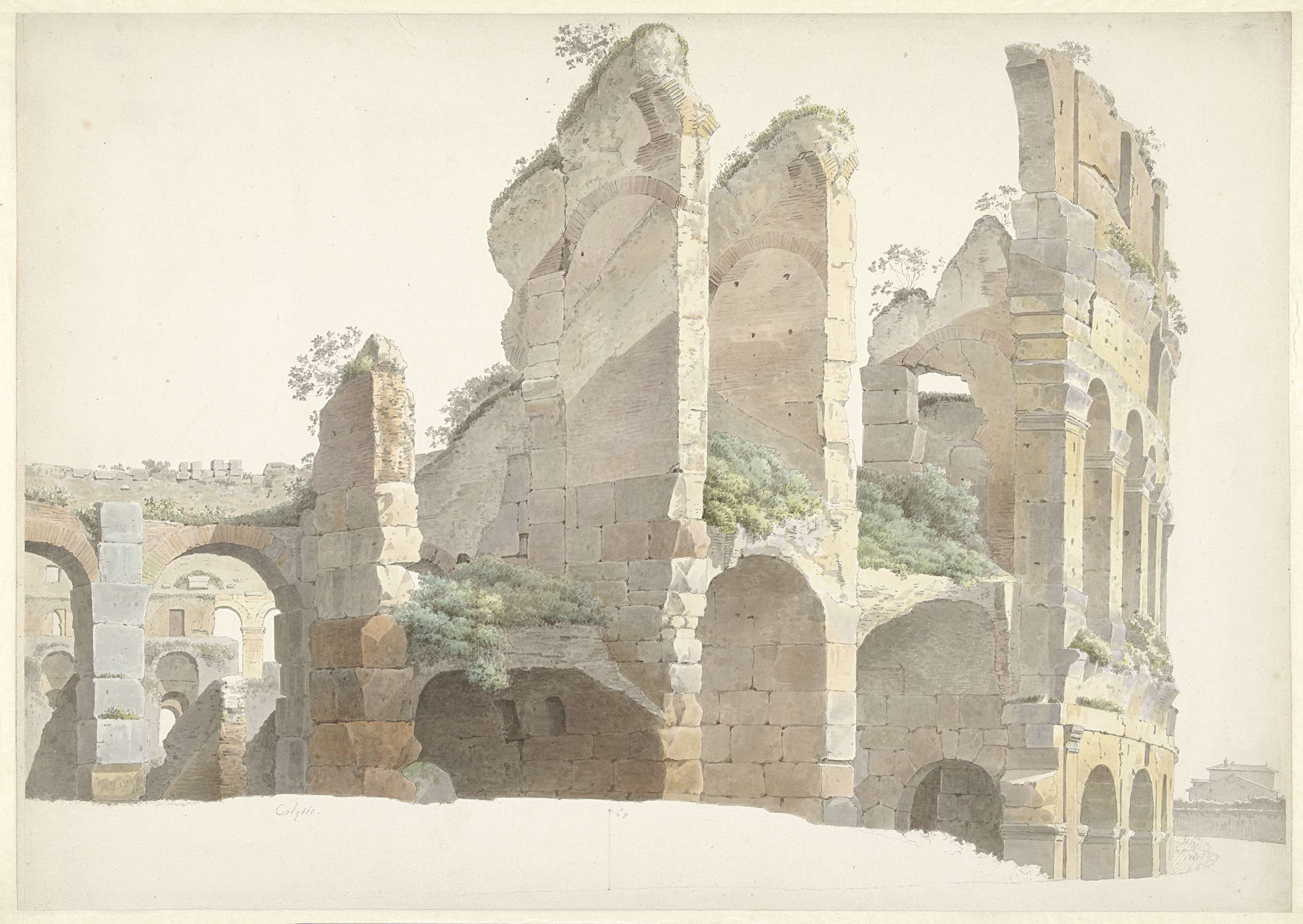
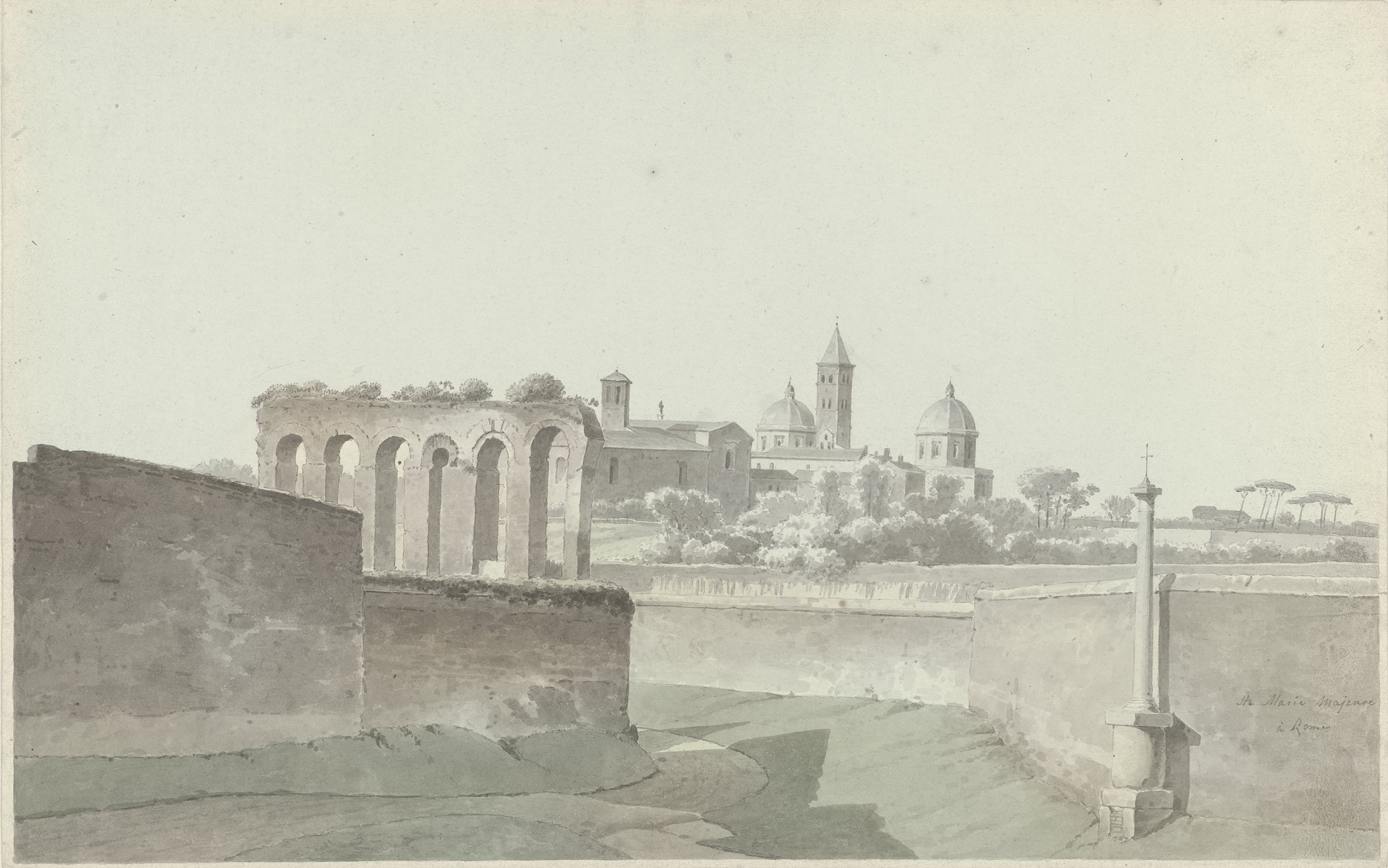
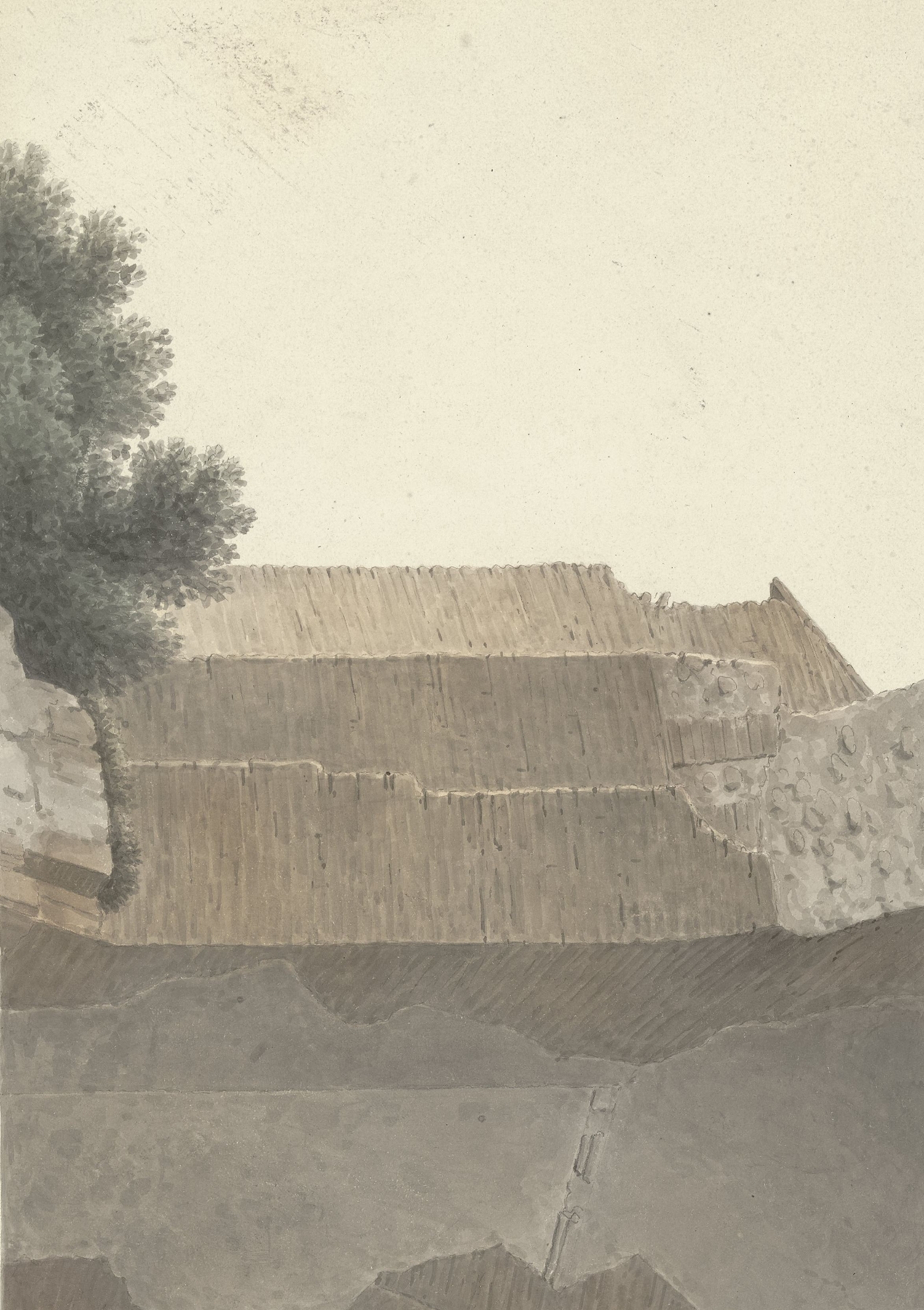
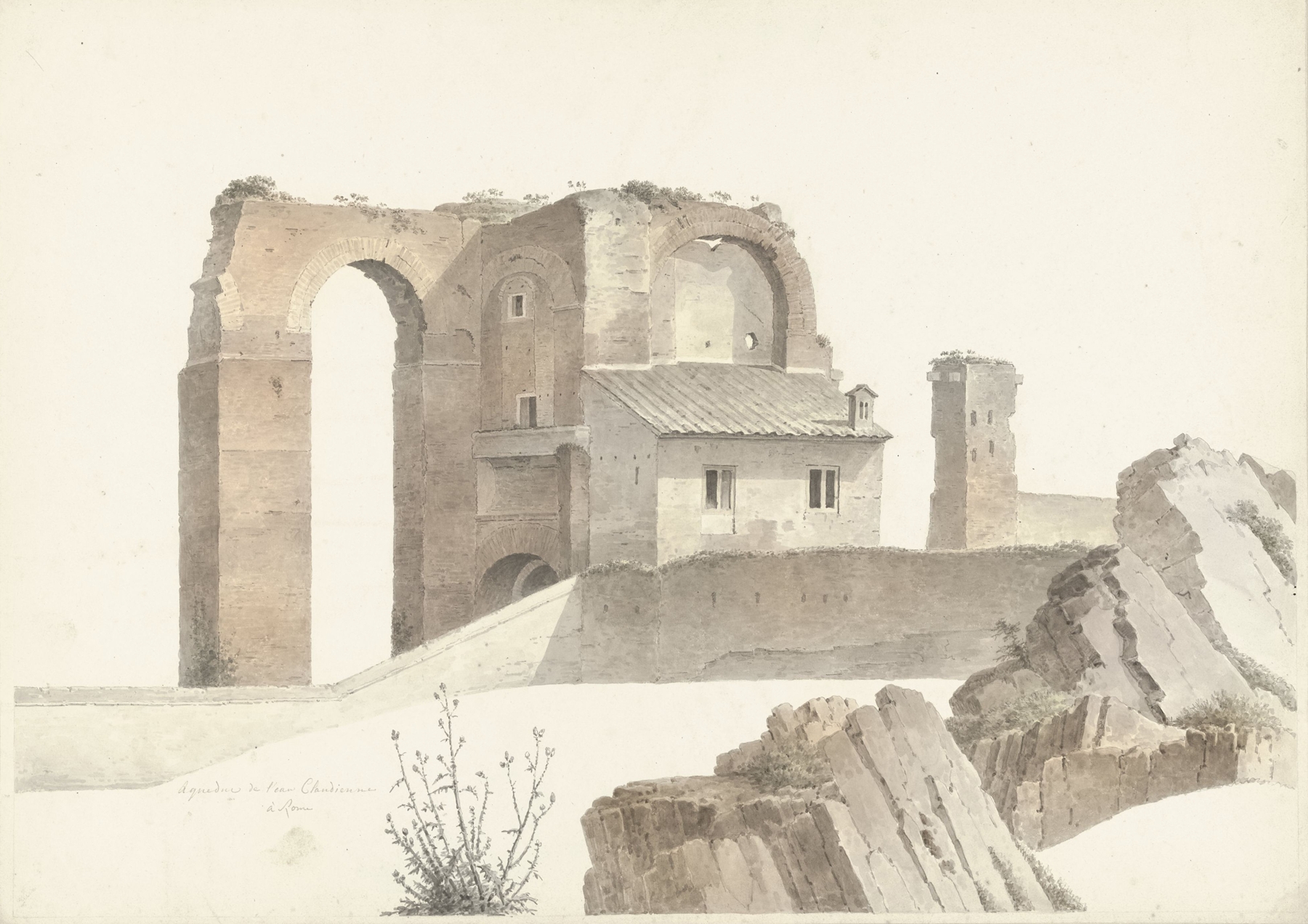
Is this a mirror — or a memory? In the delicate interplay of light and shadow, echoes of a past grandeur whisper through the arches of this ancient temple. The viewer is drawn into a moment of awakening, where history itself seems to stir, urging us to delve deeper into its layered significance. Look to the upper section of the work, where sweeping curves of the vaulted ceiling capture the eye. Notice how the soft light cascades through the remnants of a once-magnificent structure, illuminating the intricate details of architecture and ornamentation.
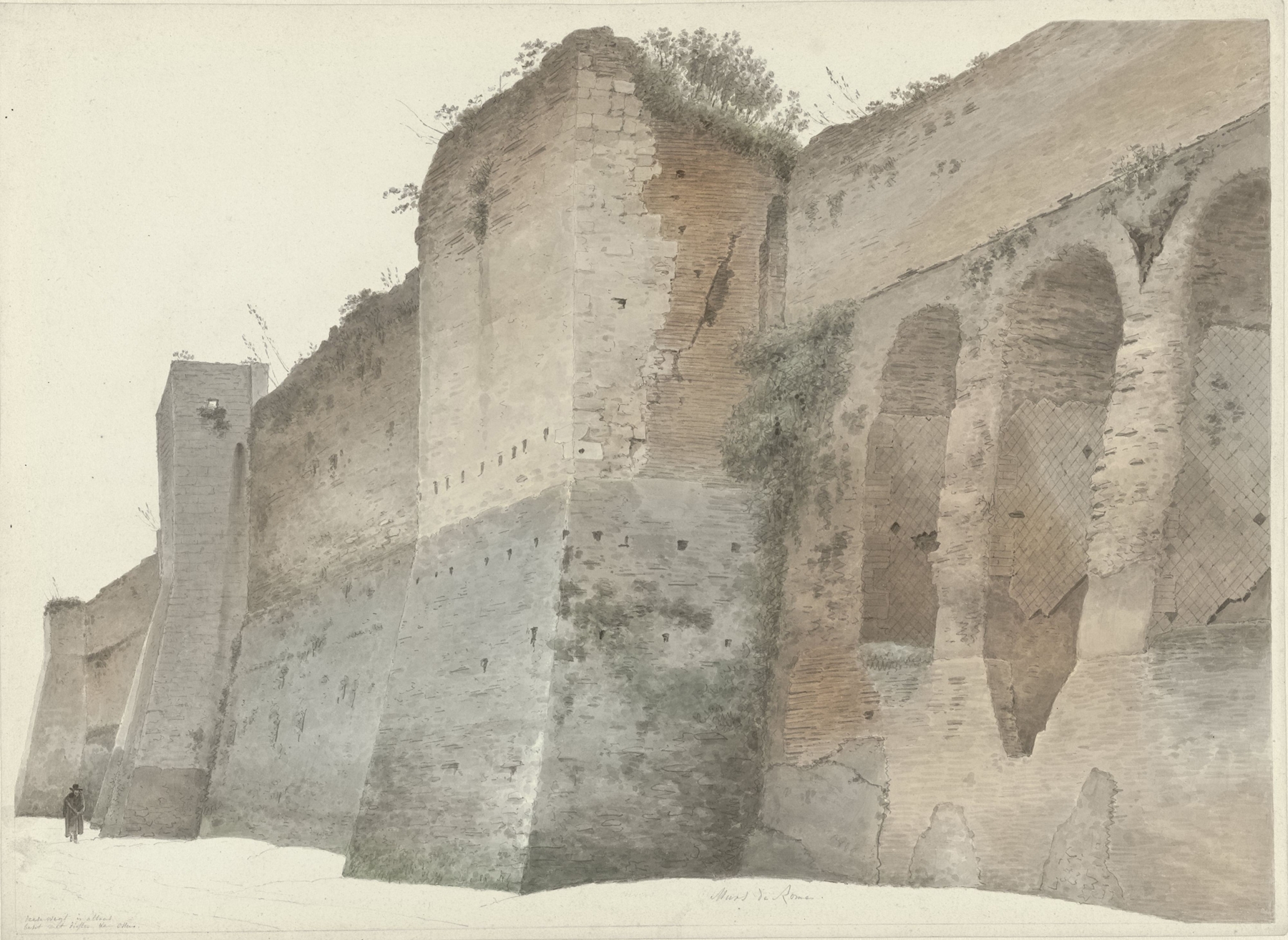
The earthy tones, blended with touches of green and gold, not only evoke a sense of antiquity but create a palpable tension between loss and reverence. The perspective invites you to explore pathways within the ruins, as if beckoning you to uncover the stories etched in stone. In the juxtaposition of light and darkness, the painting reveals contrasts between the past's glory and its current desolation. Fragments of foliage hint at nature's reclamation, a poignant reminder of time's relentless passage.
Each element, from the crumbling walls to the delicate play of light, speaks to a collective yearning for connection and understanding of what once was, prompting reflections on memory itself and its ability to shape our identity. Josephus Augustus Knip painted this piece in Rome between 1809 and 1812, a period marked by burgeoning neoclassicism and a fascination with the ruins of antiquity. Immersed in the vibrant artistic community of his time, Knip sought to capture the essence of history through a lens of nostalgia. His work emerges from a context where the reverence for classical architecture was both an artistic pursuit and a response to the shifting landscapes of the modern world.