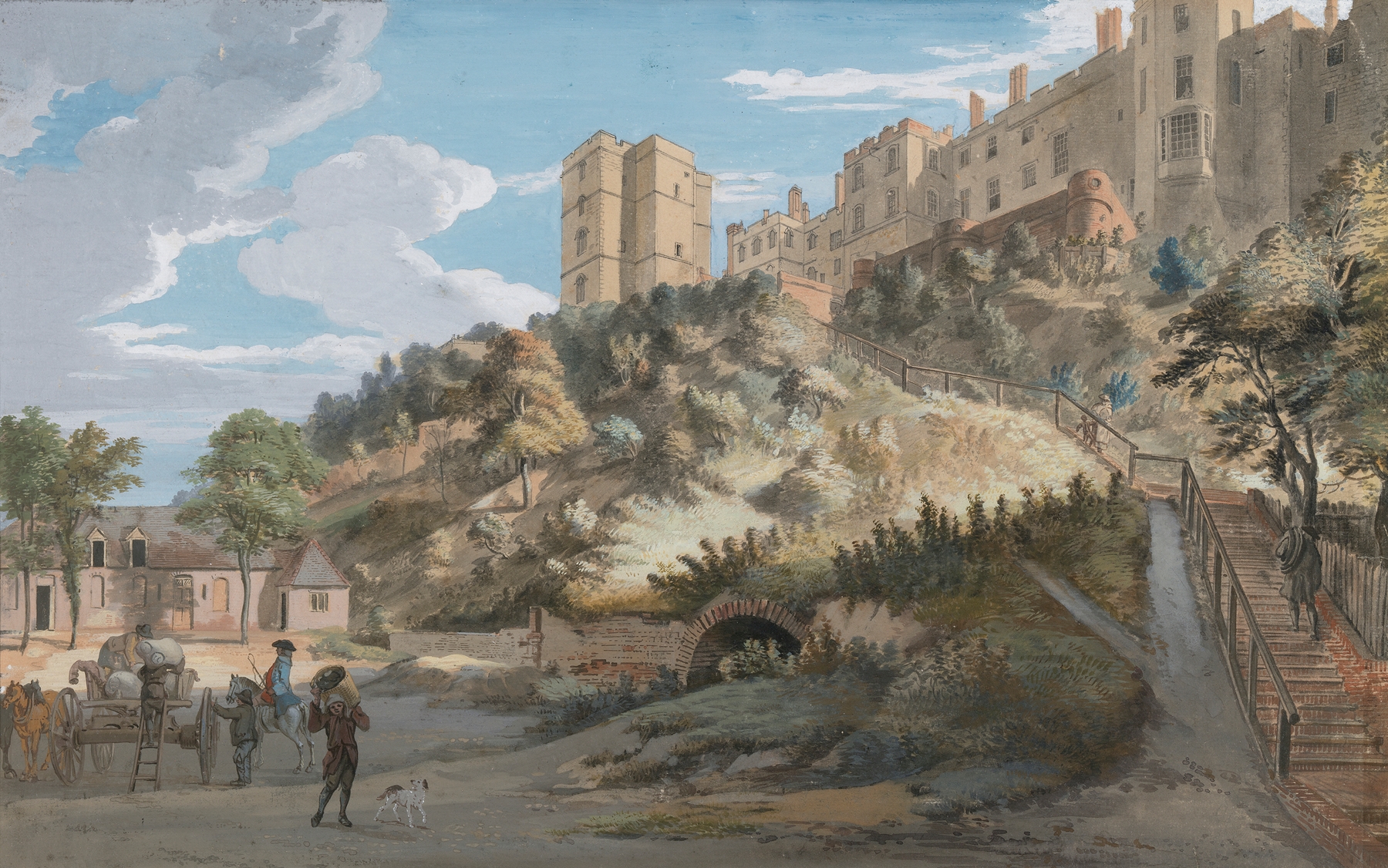
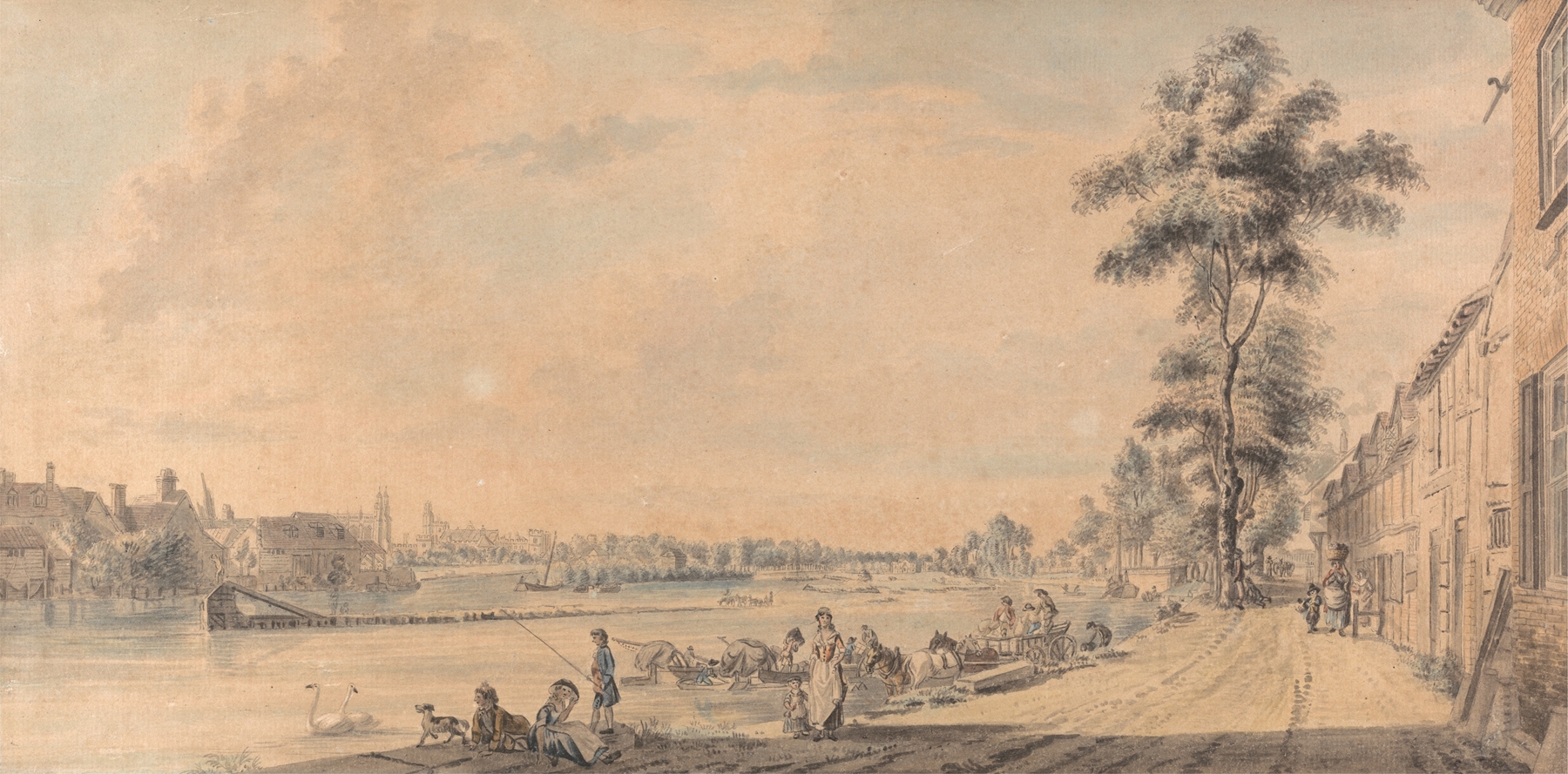
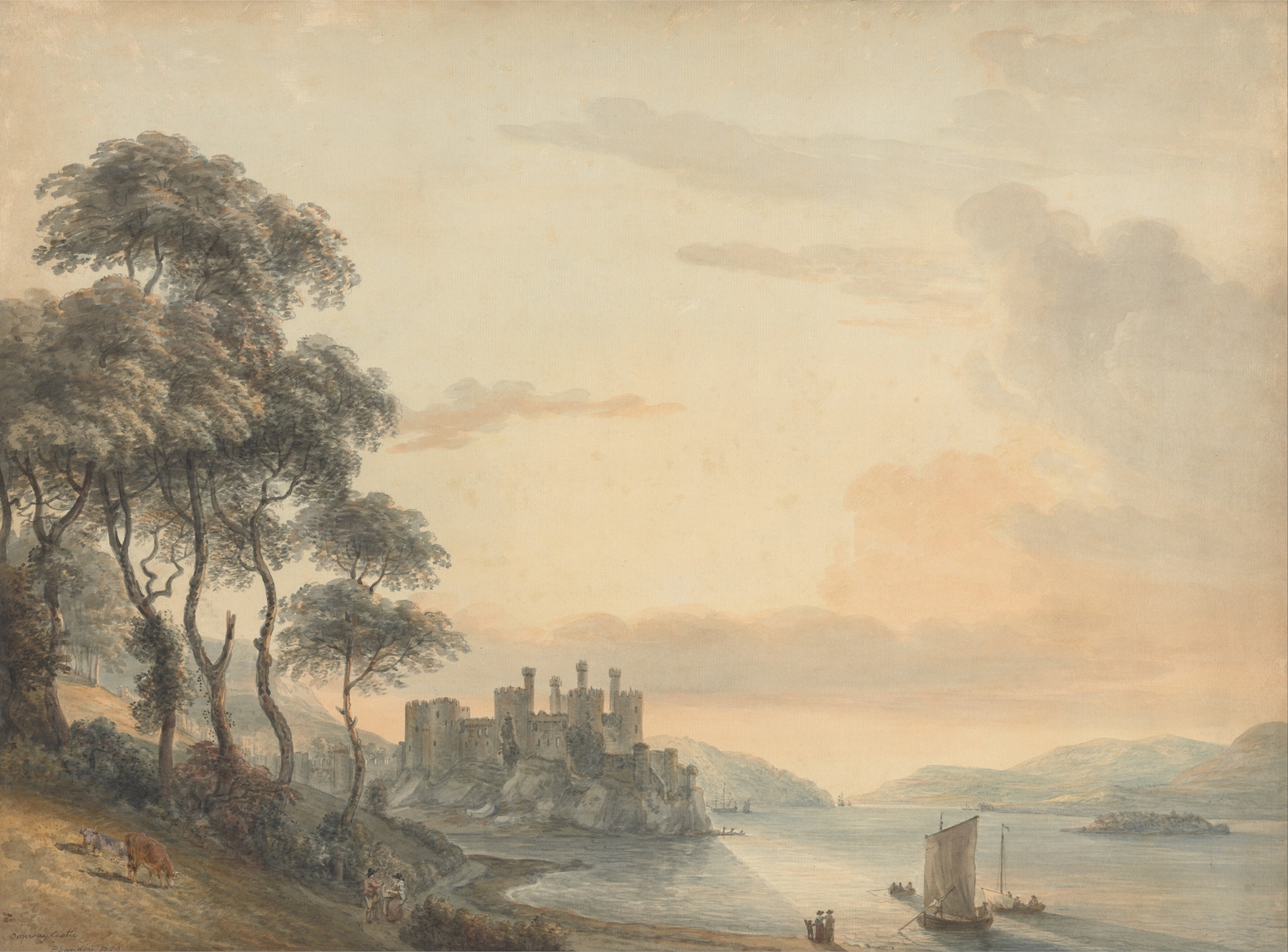
Part of Warwick Castle from the South East — History & Analysis
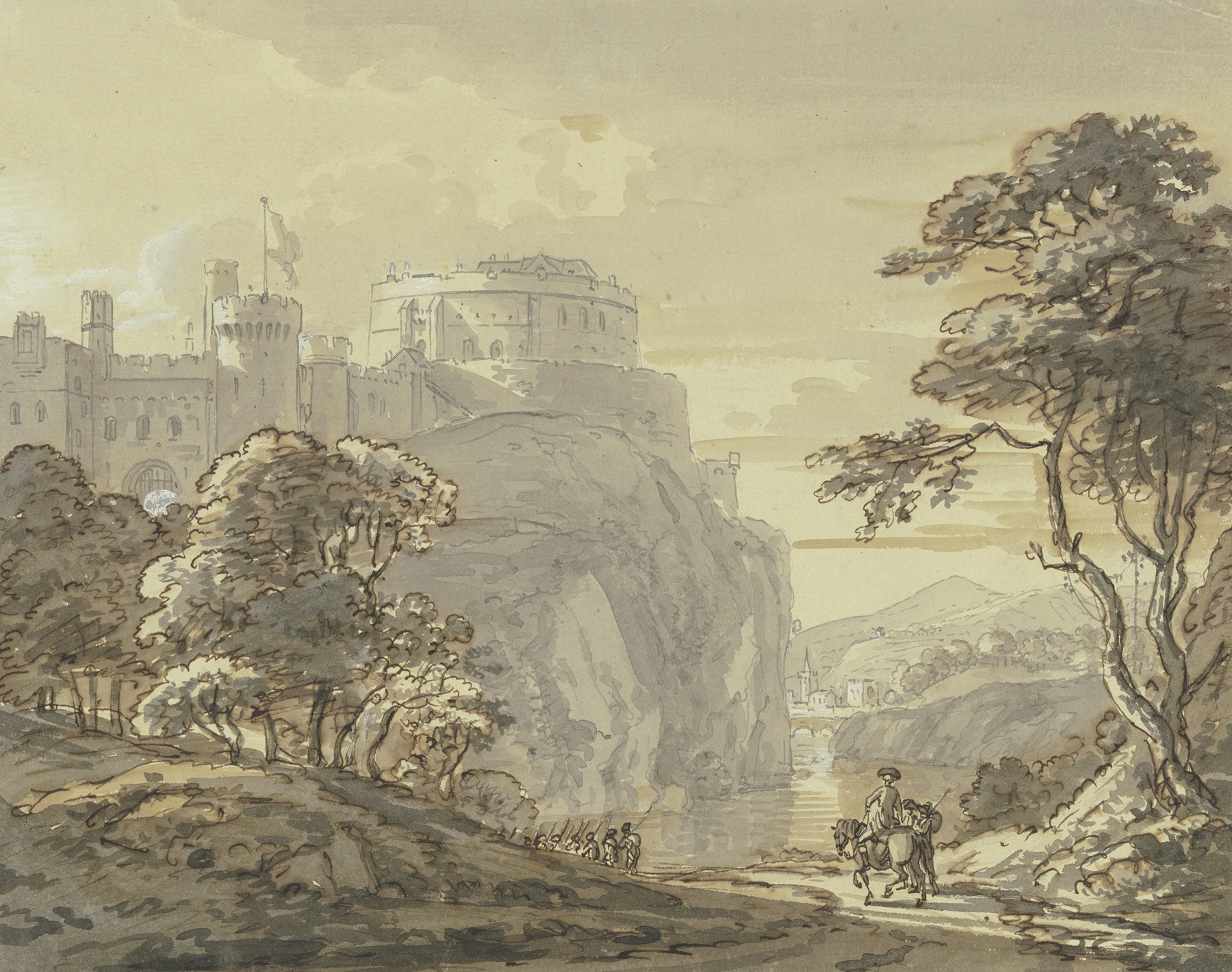
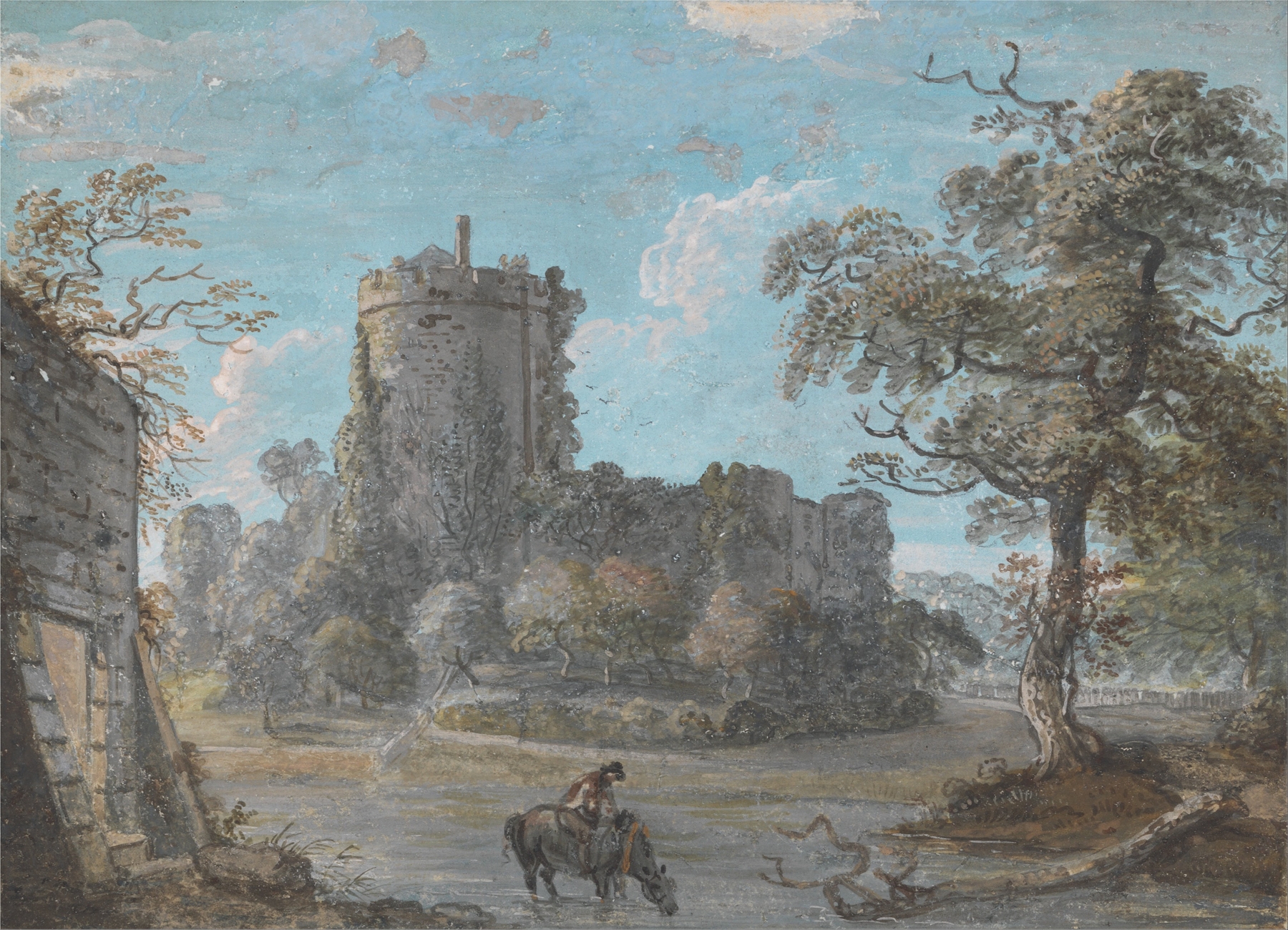
“Every silence here is a confession.” In the quiet expanse of an empty landscape, the echoes of history linger, waiting to be heard. What remains when the bustling life fades? It is in this stillness that we confront our own solitude, reflecting on the spaces once filled with warmth and laughter. Look closely at the foreground, where the gentle undulations of the land cradle the castle’s weathered stones. Notice how the light softly caresses the castle's walls, highlighting their age and resilience.
The artist employs a delicate palette of greens and browns, evoking the tranquility of the surrounding nature. The strokes are both precise and fluid, guiding the viewer’s gaze towards the architectural marvel sitting regally against the backdrop of an expansive sky. The emotional tension in this work arises from the juxtaposition of the strong, fortified structure and the emptiness of the surrounding landscape. The castle, a symbol of human achievement, stands solitary, its grandeur overshadowed by the vastness of the scene.
This creates a reflection on the passage of time, suggesting a narrative of both strength and vulnerability — a reminder that even the most formidable constructs can be enveloped in silence. In 1776, Paul Sandby painted this piece during a time of burgeoning interest in landscape art in Britain. Living in London, he was a pioneer in watercolor techniques, often capturing the charm of the English countryside. The period was marked by exploration and an appreciation for nature, and this painting encapsulates that spirit, melding architectural detail with the serene beauty of the landscape.