Peasants at a Ford — History & Analysis
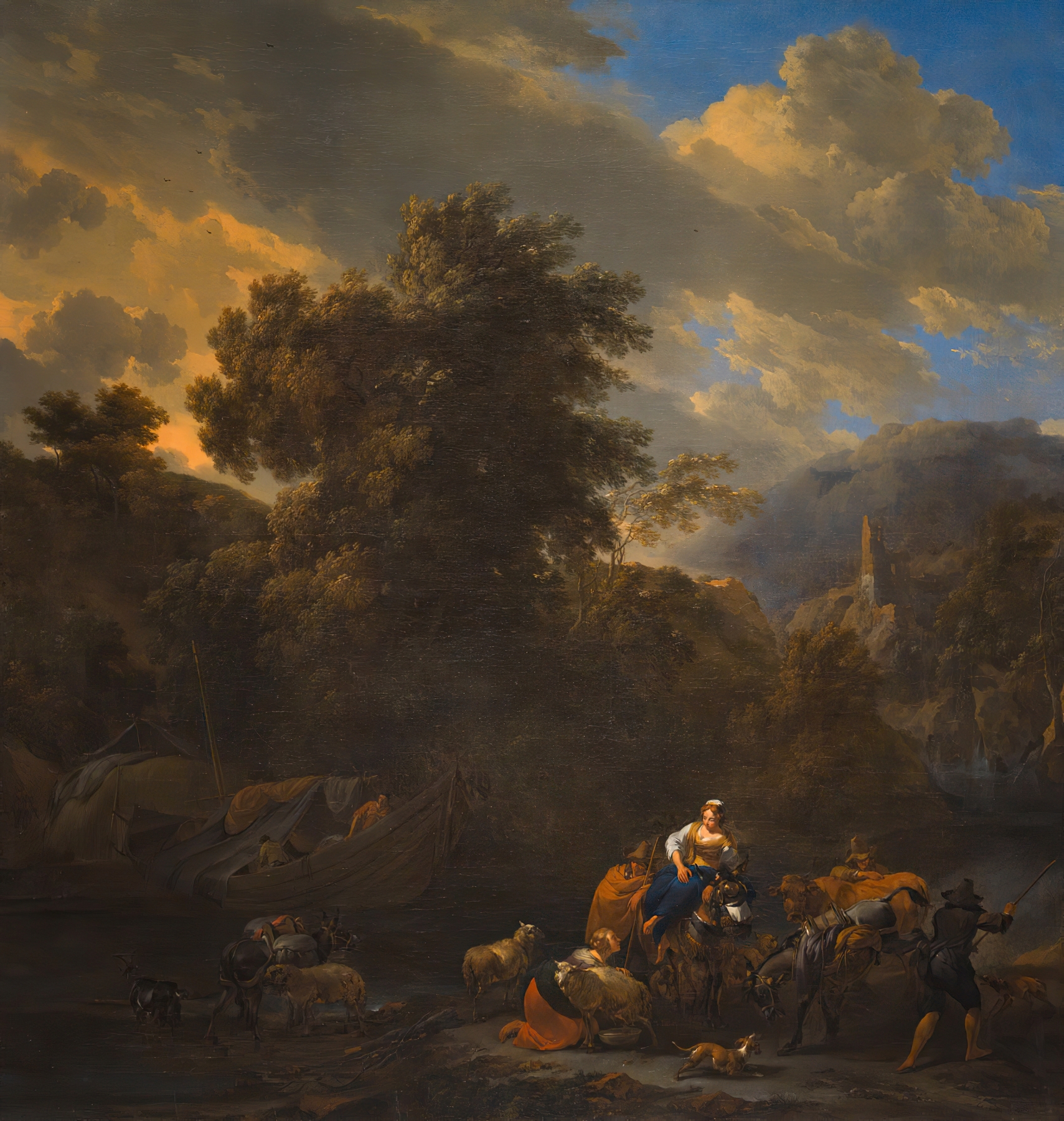
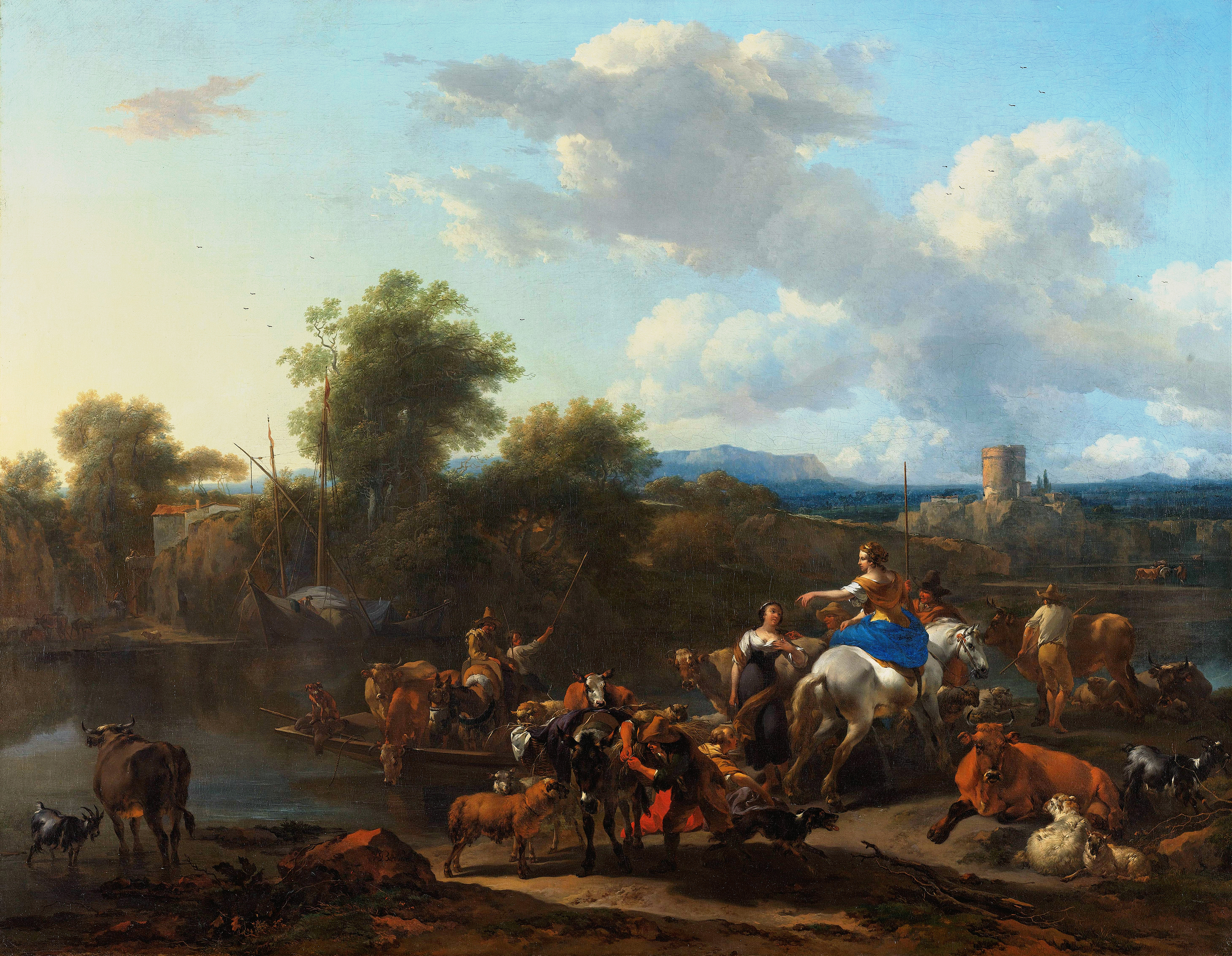
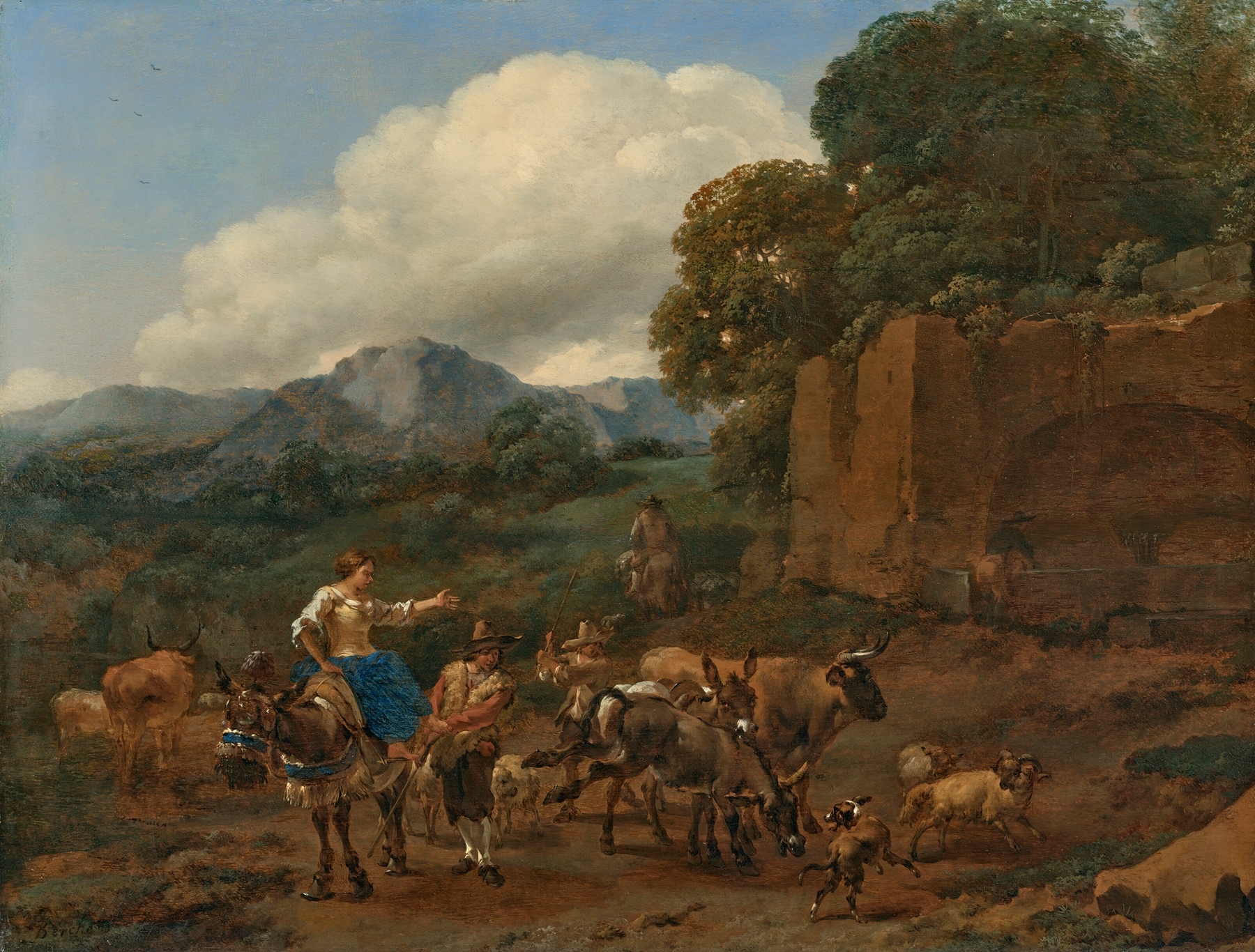
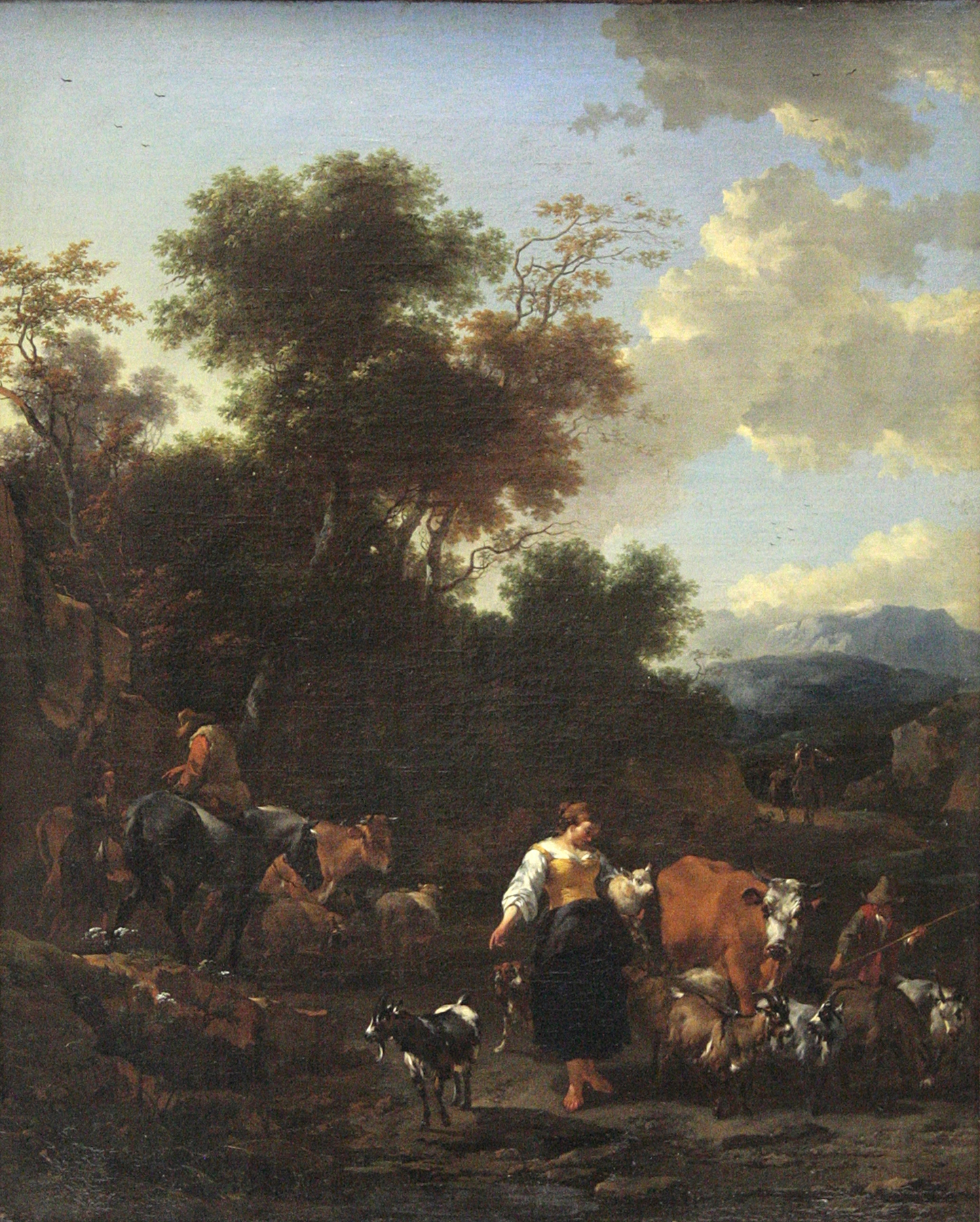
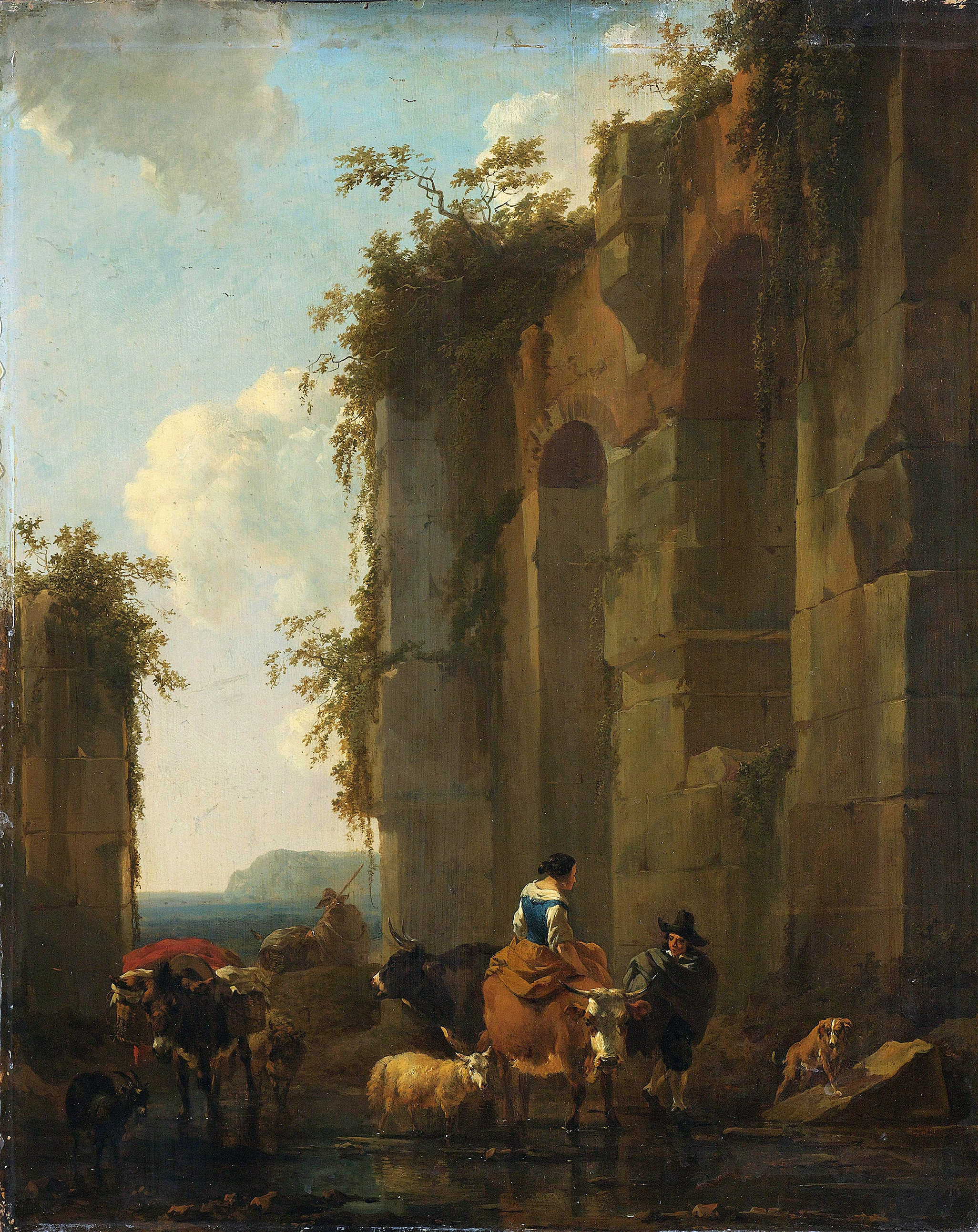
“Every silence here is a confession.” Within the tranquil embrace of nature lies an intricate dance between illusion and reality, where the peasant life unfolds with a quiet intensity that speaks volumes. Look to the foreground where figures wade through shallow waters, their reflections shimmering like fragile whispers beneath the sunlight. The gentle strokes of earthy hues coalesce, as the artist captures the weight of the scene with both humor and grace. Notice the way the light plays across the rippling water, illuminating the rippling contours of their clothing, creating an ethereal effect that draws the viewer into this pastoral world.
Beyond the surface, the painting reveals a deeper narrative of resilience and simplicity. Each figure, from the sturdy farmer to the contemplative woman, embodies a story forged in labor and communal existence. The interplay between stillness and motion suggests a fleeting moment — an illusion of peace amid the toil, inviting contemplation on the complexities of rural life that often remain unacknowledged. The scene teeters between the idyllic and the mundane, urging viewers to reflect on what lies beneath the surface.
During the time when this artwork emerged, Berchem was deeply engaged in the tradition of Dutch pastoral scenes, painting in the mid-17th century. He was influenced by both the baroque style and the naturalism that was reverberating through the art world. This was a period marked by economic shifts and evolving social landscapes, where the simplicity of rural life offered a poignant counterpoint to the complexities of urban existence. In this context, Peasants at a Ford becomes a significant commentary on the art of living, wrapped in the fabric of everyday toil.