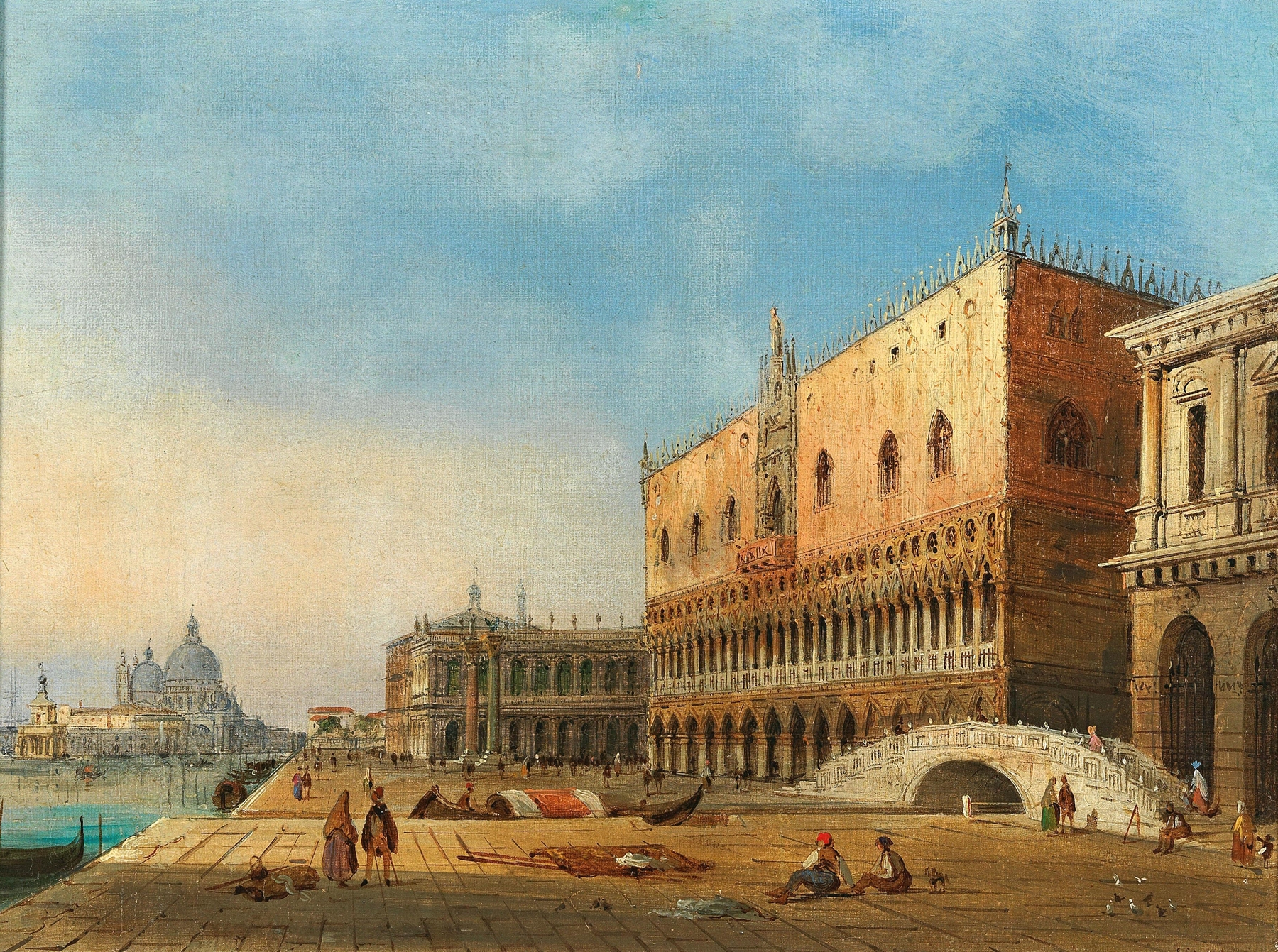
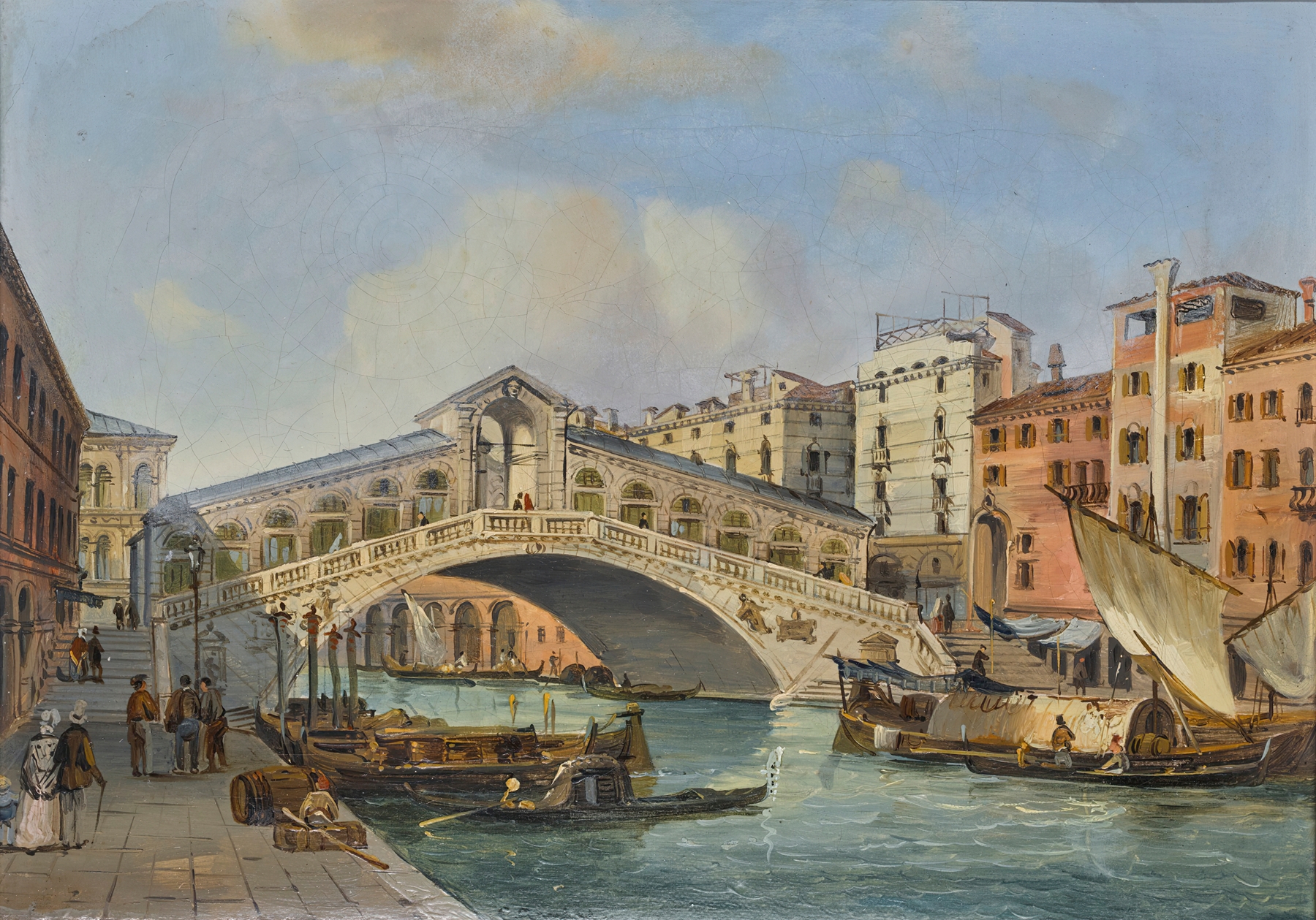
Piazza San Marco, Venice — History & Analysis
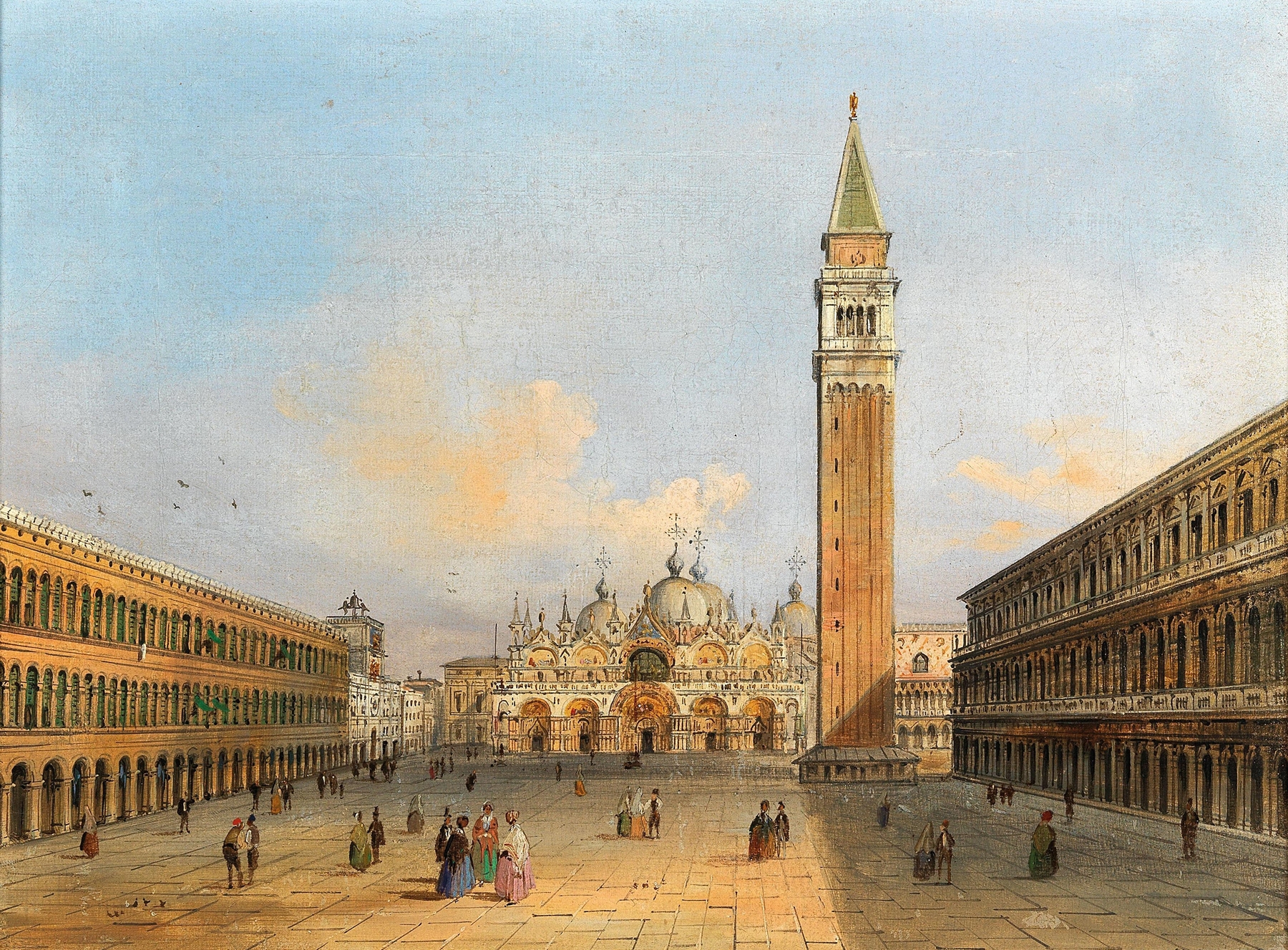
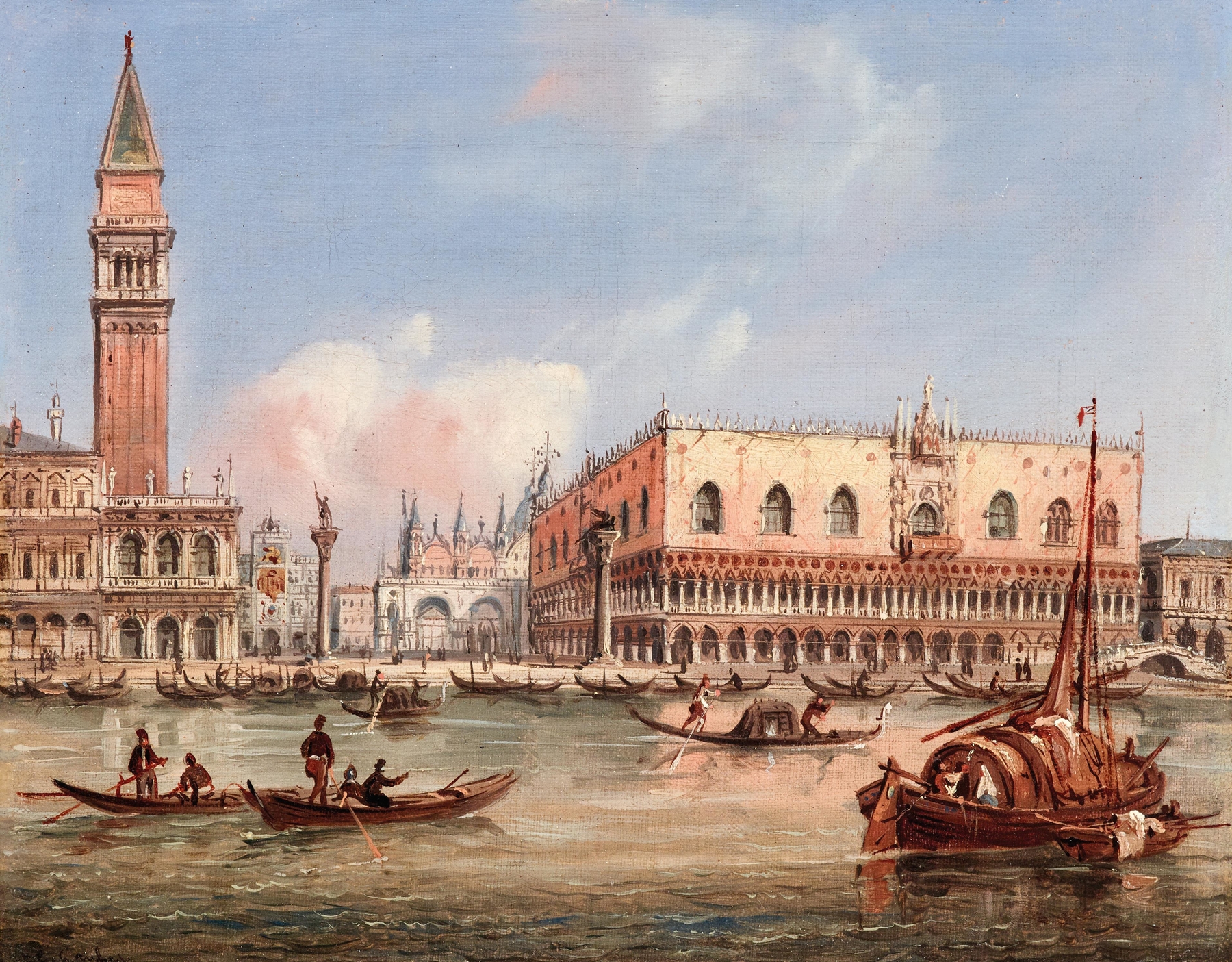
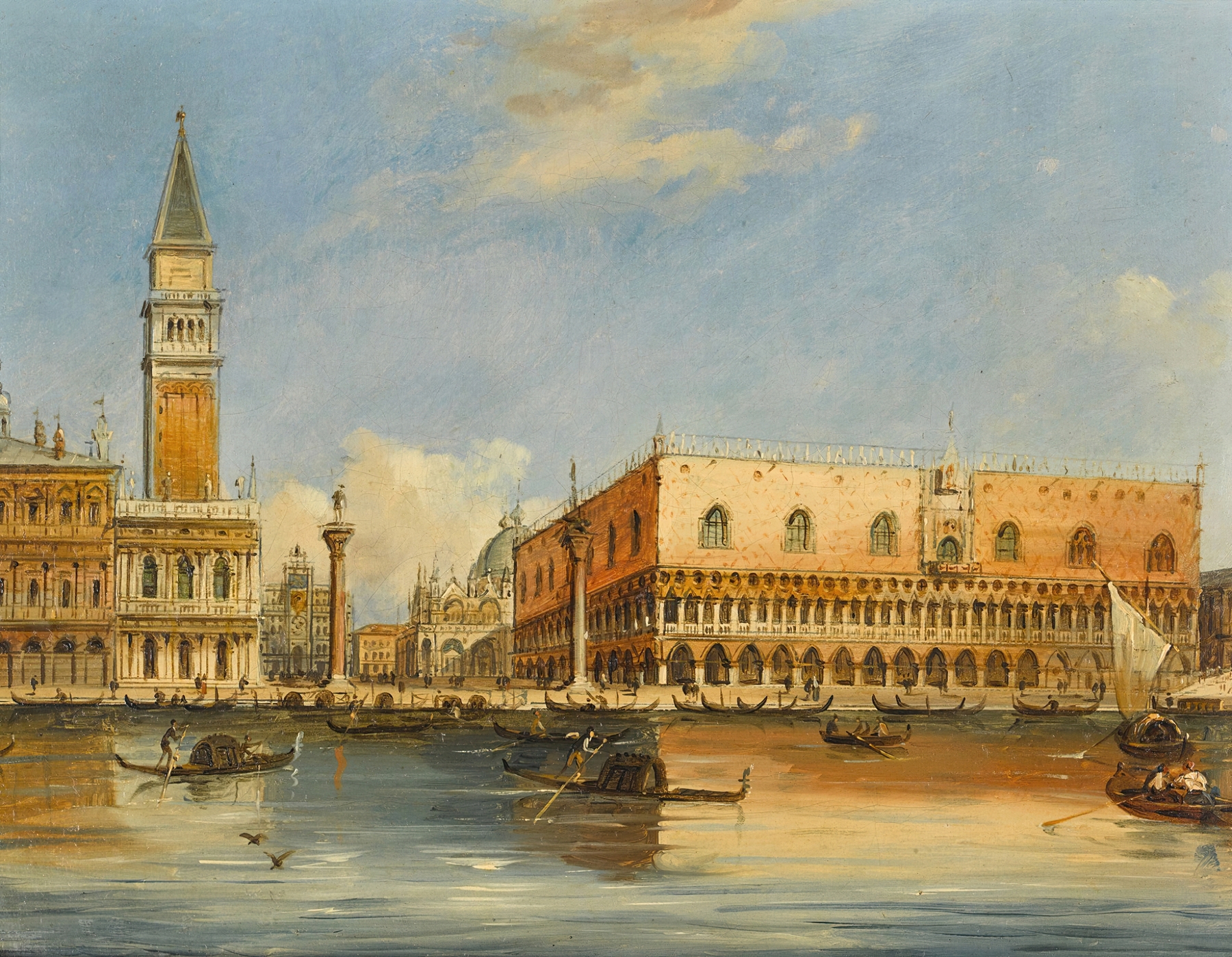
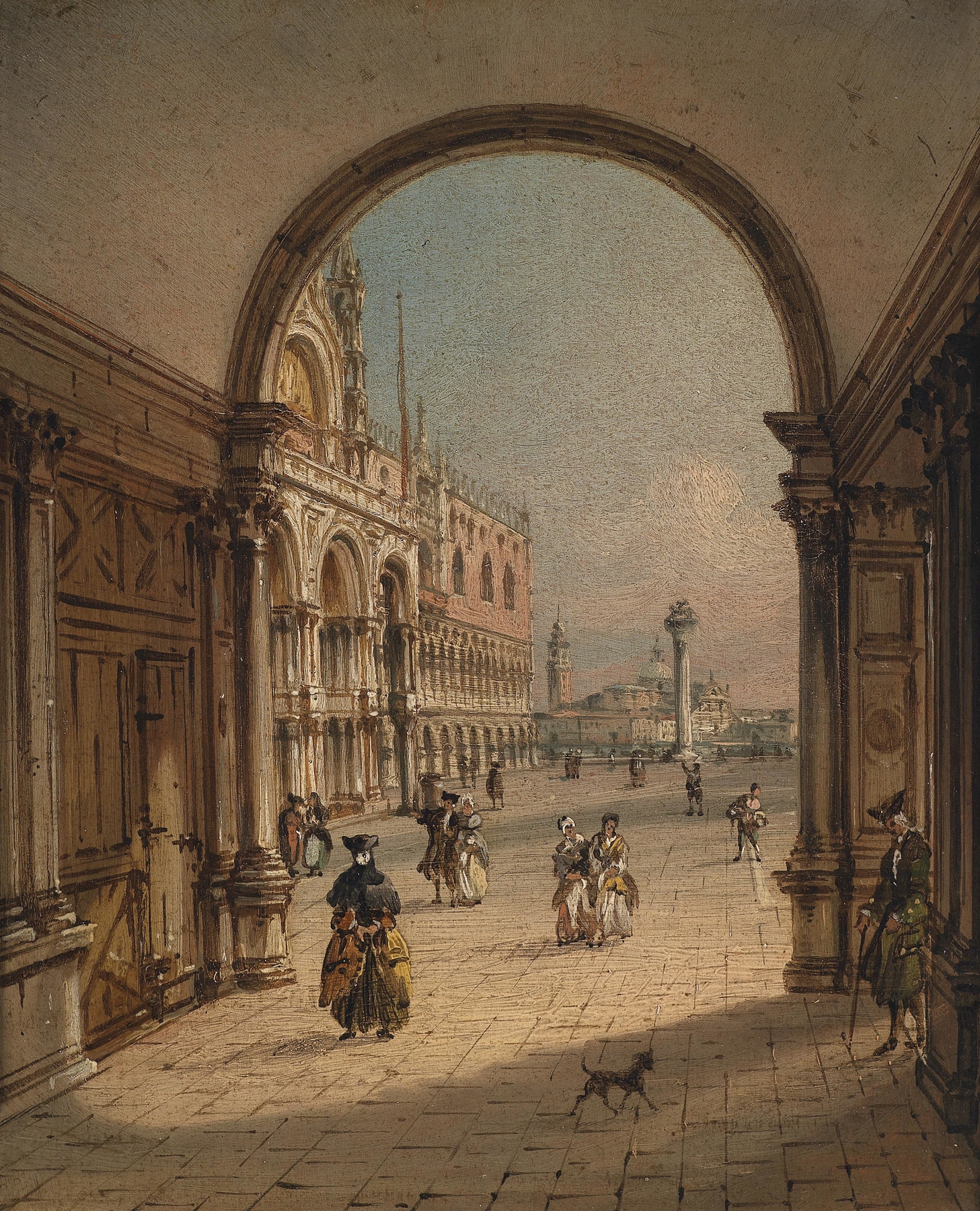
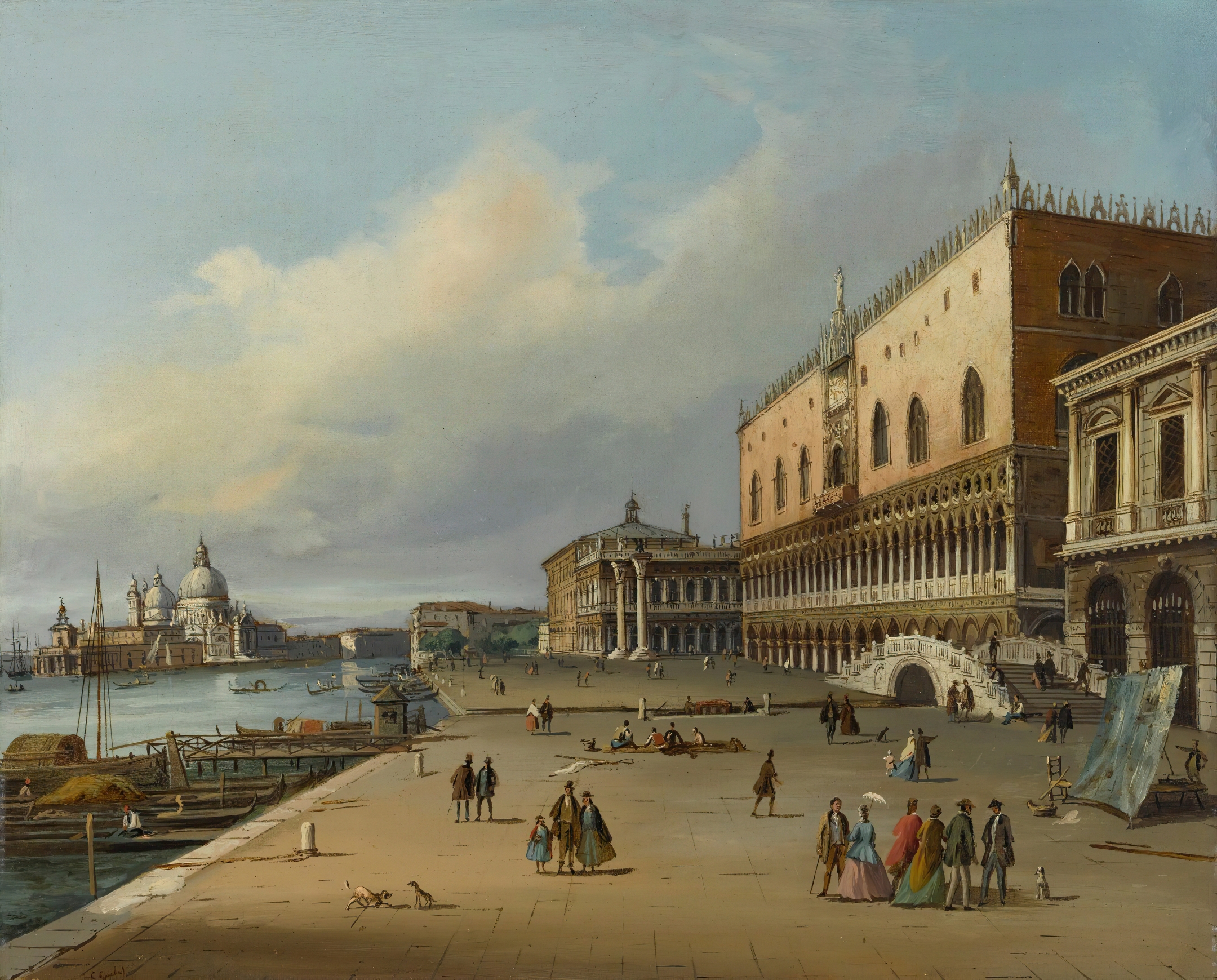
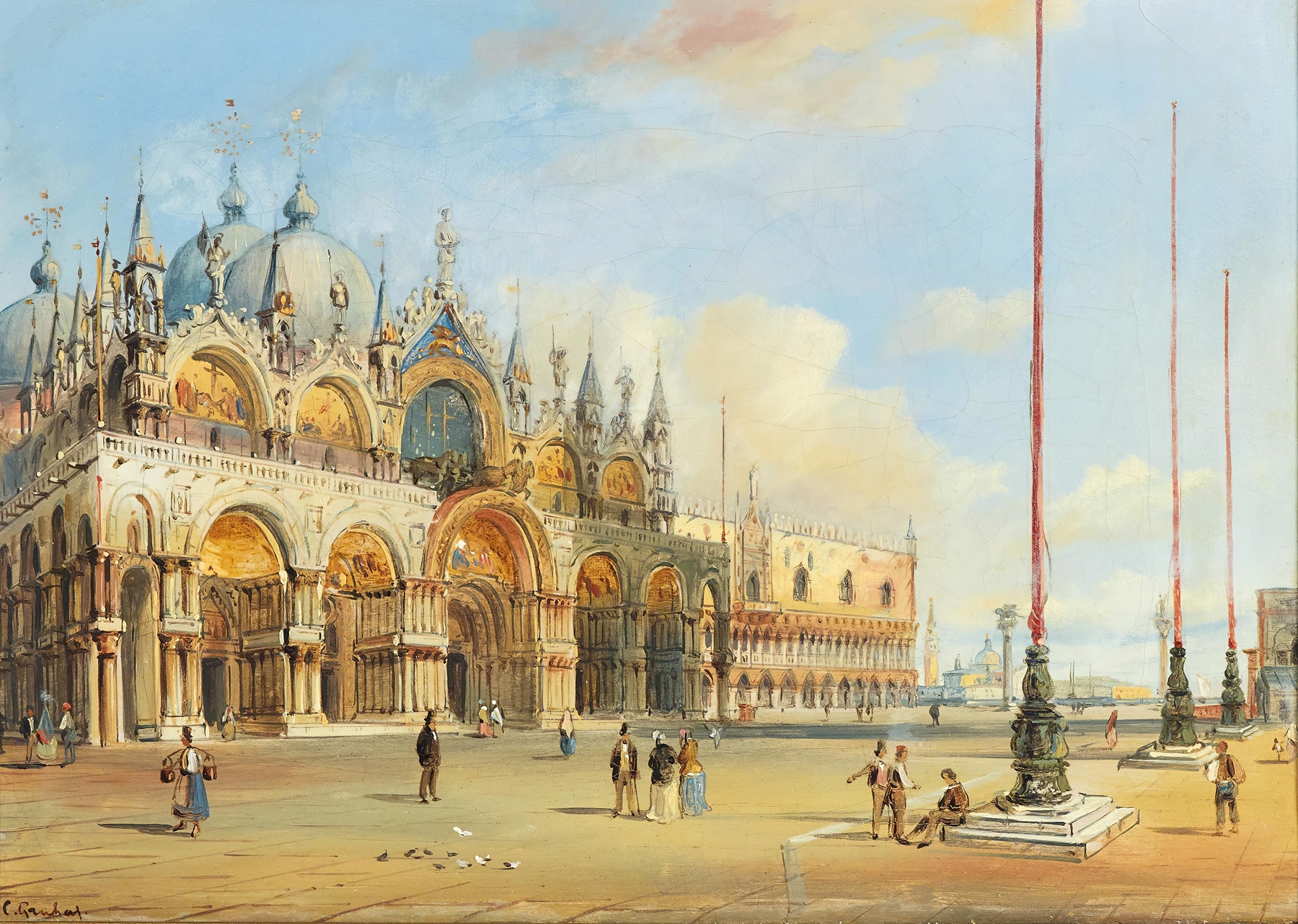
Can beauty exist without sorrow? The elegant forms and tranquil vistas often mask an underlying tension, a fear rooted in transience. Look to the left where the imposing arches of the basilica create a rhythm that pulls your gaze across the canvas. Notice how the soft hues of blue and gold merge in the sky, evoking both serenity and nostalgia.
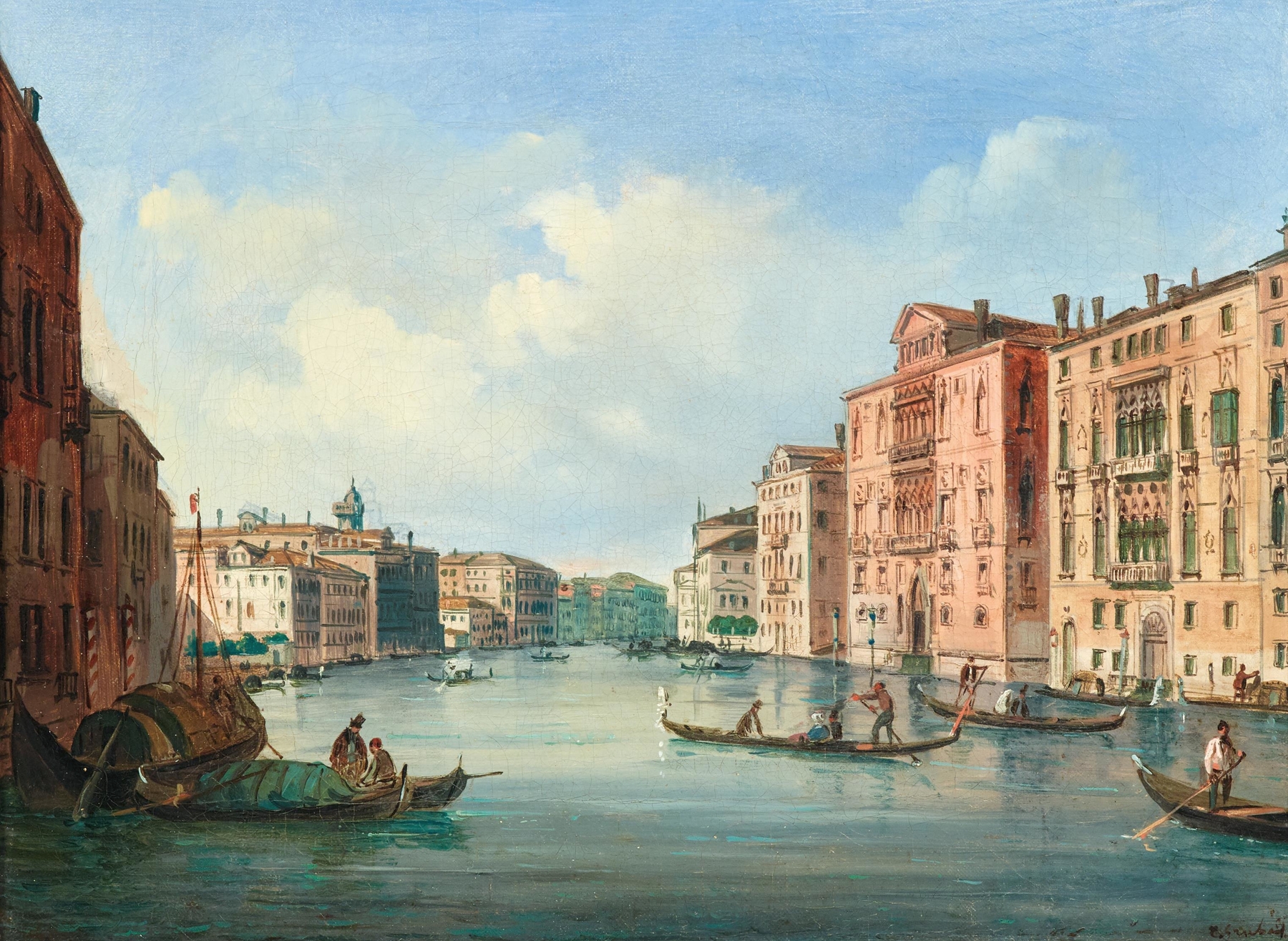
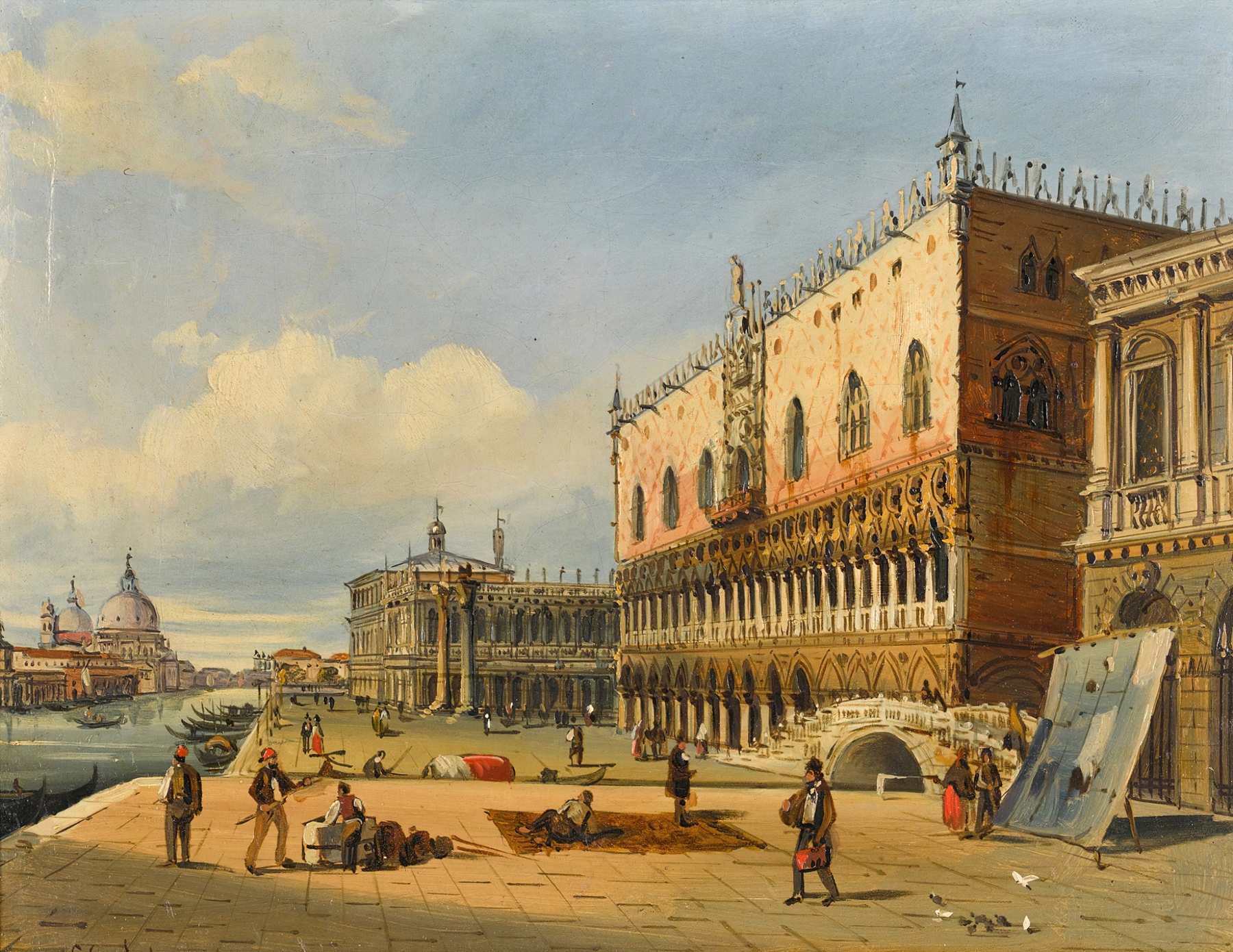
The figures meandering through the piazza, delicate in their attire, contrast with the weight of the architecture surrounding them, embodying a fragile existence amidst grandiosity. Each brushstroke reveals a meticulous attention to light, illuminating the vibrant reflections on the water, hinting at an ephemeral moment caught between reality and dream. At first glance, the scene may appear idyllic, yet the artist invites contemplation of the deeper meanings hidden within. The bustling figures convey a sense of celebration, yet their expressions remain inscrutably distant, suggesting an undercurrent of fear—the fear of time that erodes beauty, or perhaps the fear of being lost in the crowd.
The juxtaposition of the lively atmosphere against the eternal stone highlights the struggle between human existence and the relentless passage of time. During the time he painted this work, the artist lived in an era of artistic transition, where romantic notions began to intertwine with realism. Grubacs, active in the 19th century, explored themes of light and atmosphere within the picturesque context of Venice. This painting emerged from a city steeped in a rich history, while the artistic world grappled with the shifting tides of modernity and tradition.