Platz in Senlis II — History & Analysis
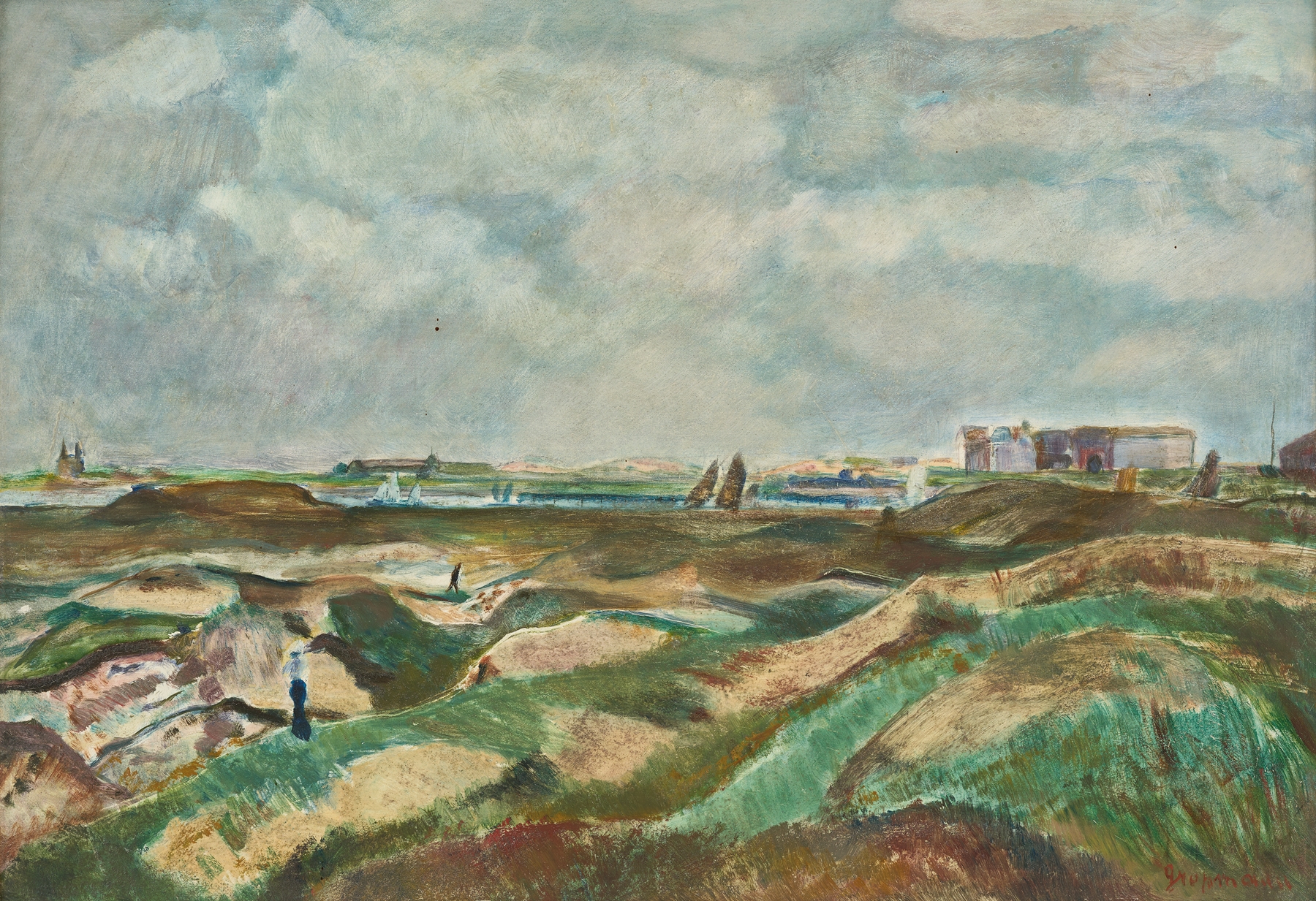
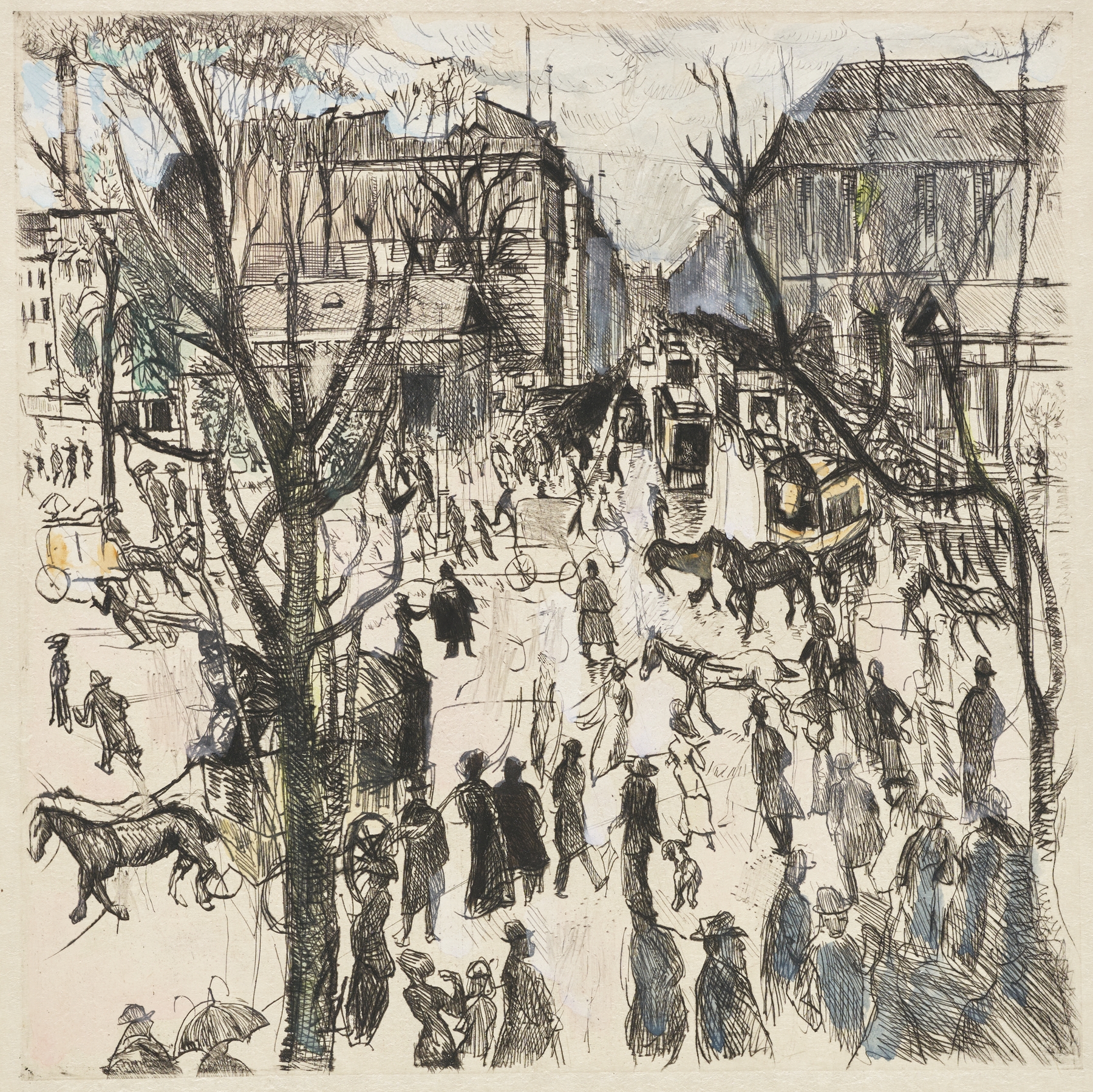
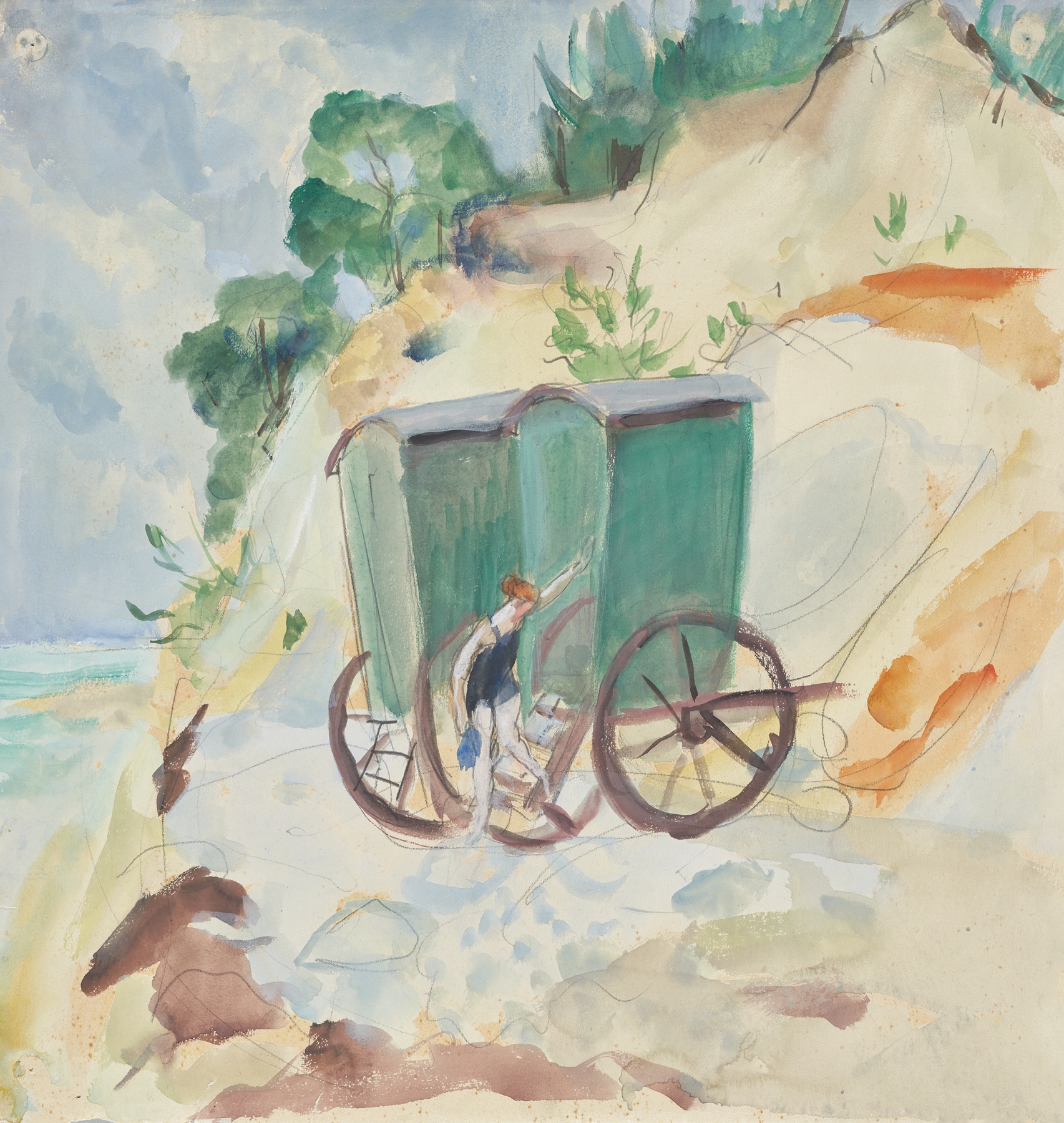
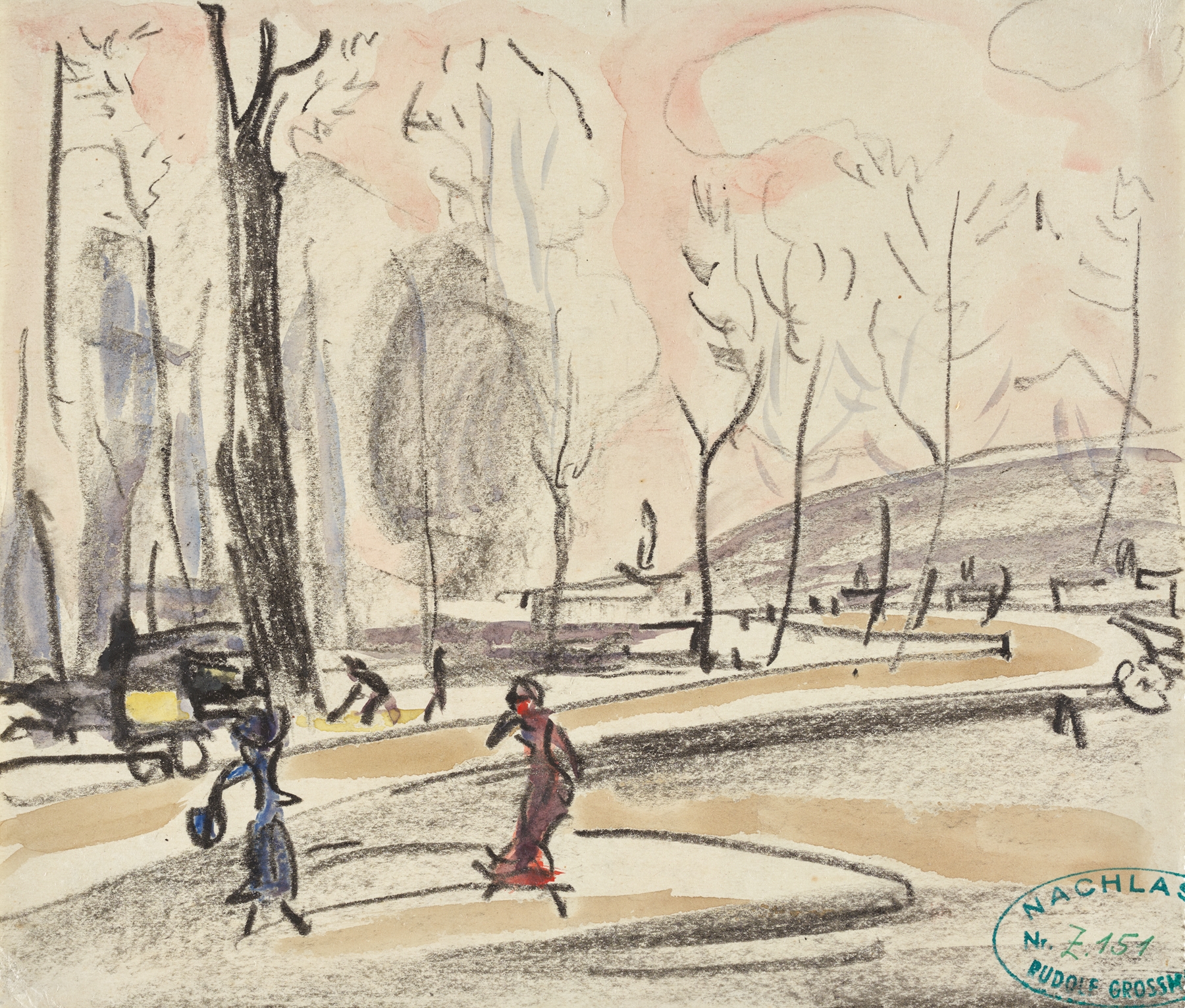
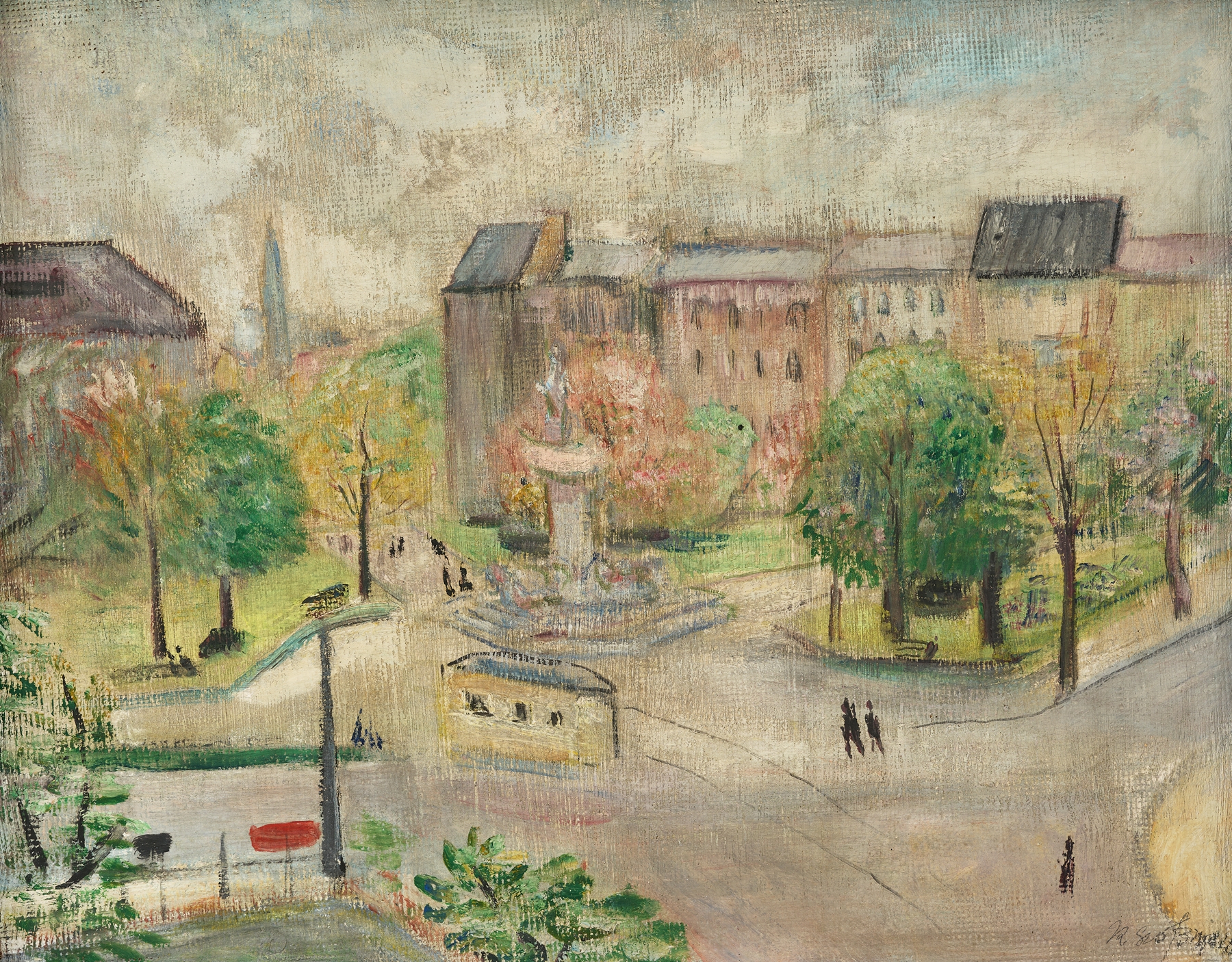
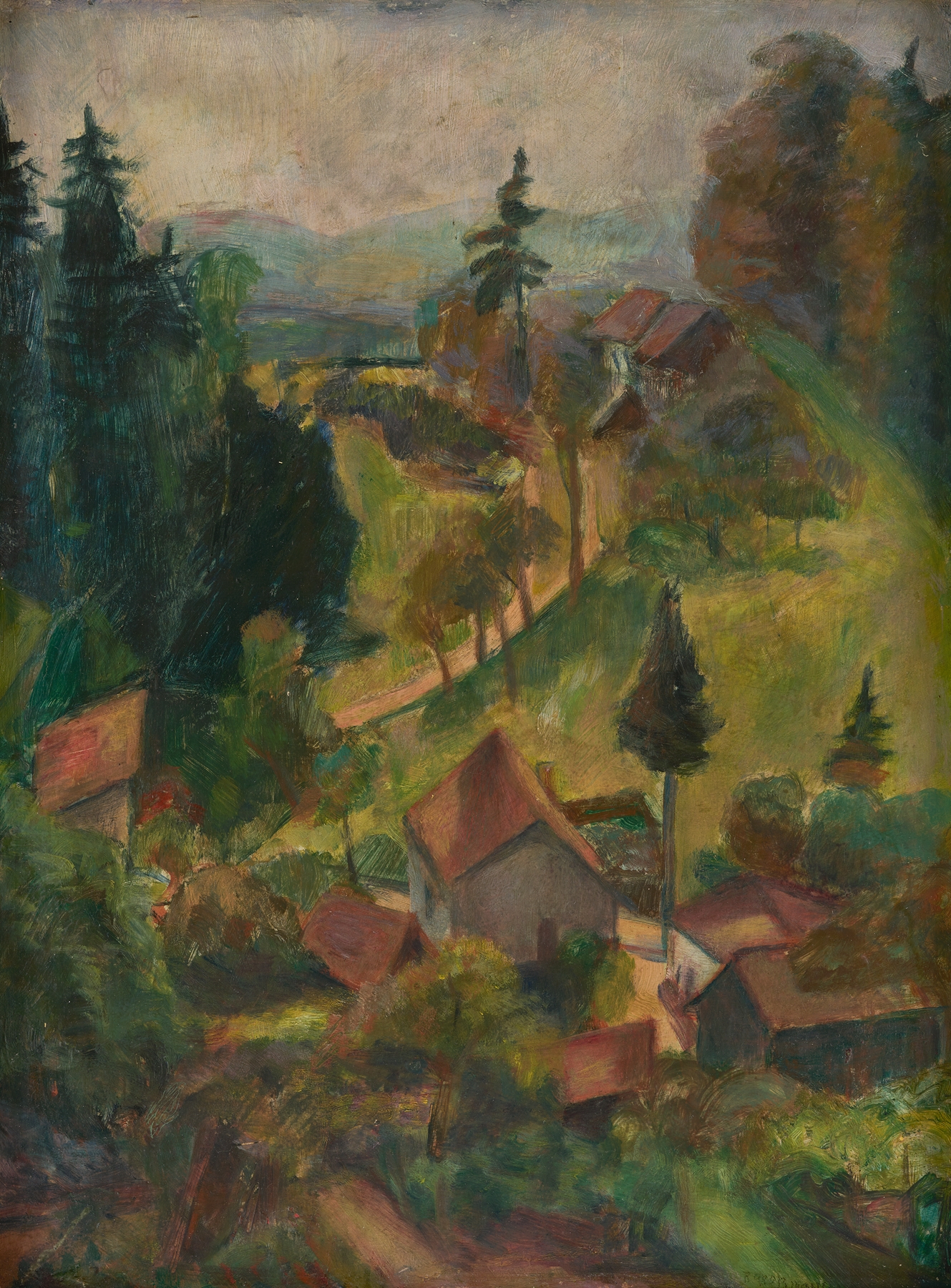
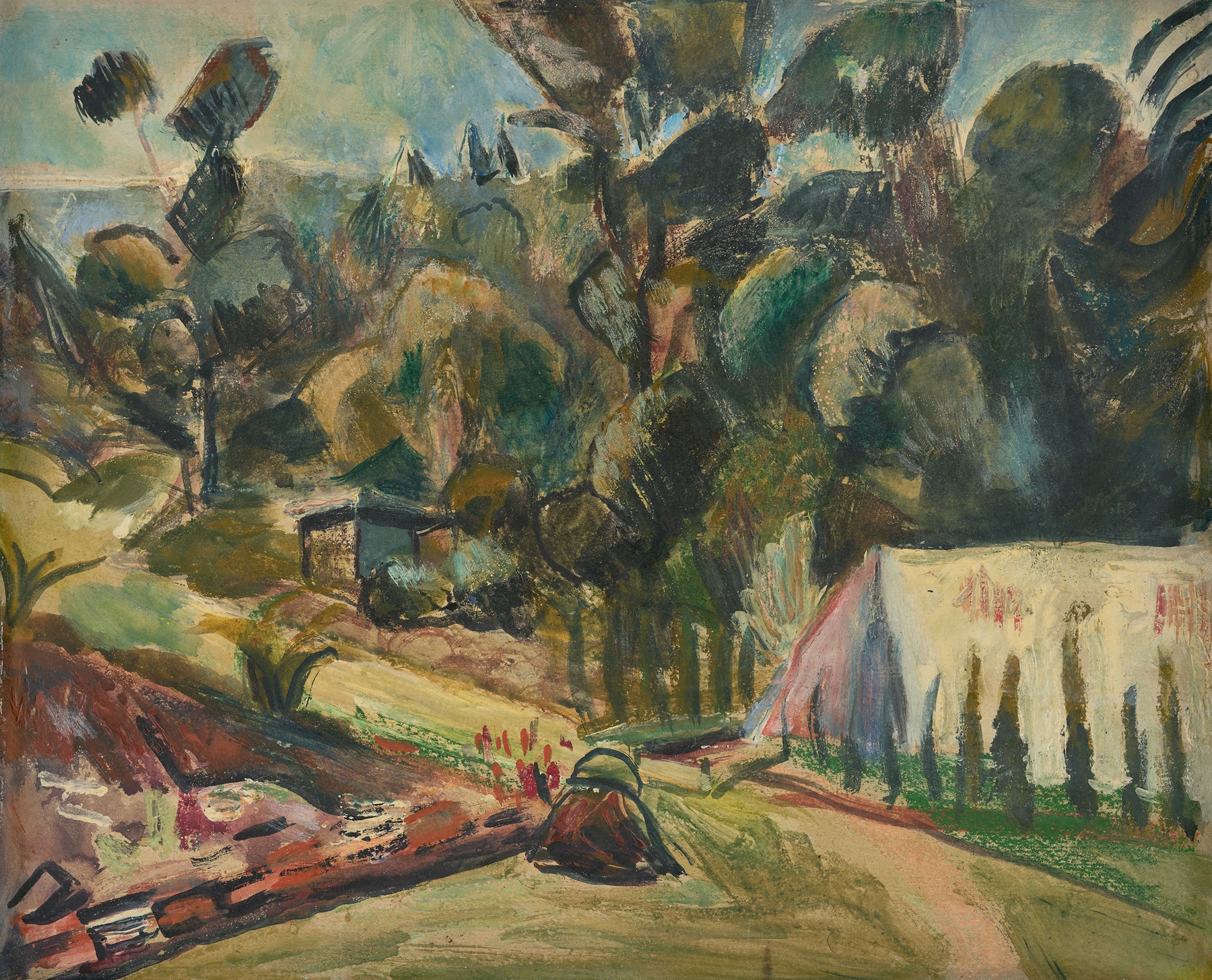
When did color learn to lie? In a world where emotions swirl like paint on a palette, we find ourselves questioning the essence of what we see. How does hope, so delicate and yet so powerful, resonate through a canvas? Look to the center of the piece, where soft hues of blue and green conjoin like whispered secrets. The gentle brushwork presents a serene village square, its cobblestones inviting yet distant, cloaked in subtle shadows cast by warm, golden light.
Notice the interplay of colors, where the vibrant roofs of quaint buildings contrast with the muted earth tones below, suggesting a reality tinged with aspiration and longing. Every stroke seems deliberate, guiding our eyes toward the quiet bustle of life beneath the layered skies. The hidden tensions within this work evoke both nostalgia and hope. The luminous light filtering through the trees suggests a promise of brighter days, while the figures, seemingly lost in their own worlds, reflect a deeper solitude. The composition invites contemplation: are they yearning for connection, or is their solitude a sanctuary?
The juxtaposition of individual and collective experience in a public space speaks to the universal human condition—woven tightly with ambition, community, and the fleeting nature of happiness. Rudolf Grossmann painted this piece between 1908 and 1910, during a pivotal moment in the evolution of modern art. Living in Vienna amidst a flourishing artistic community, he was influenced by the secessionist movement, which was pushing boundaries and challenging conventional representation. This painting emerged as a synthesis of his experiences, capturing the essence of a changing world while housing the enduring hope for connection and meaning within it.