Polynesian Woman with Children — History & Analysis
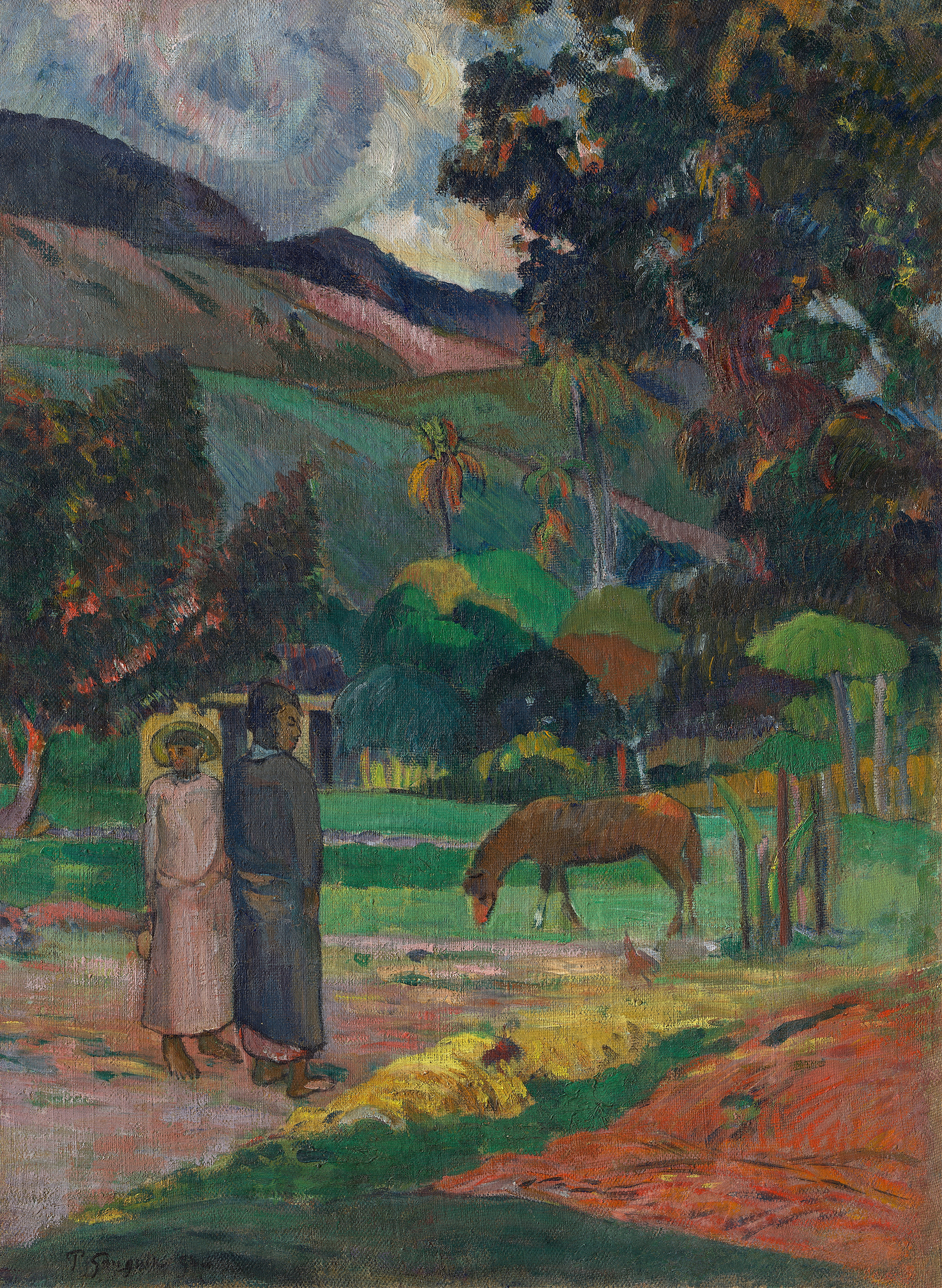
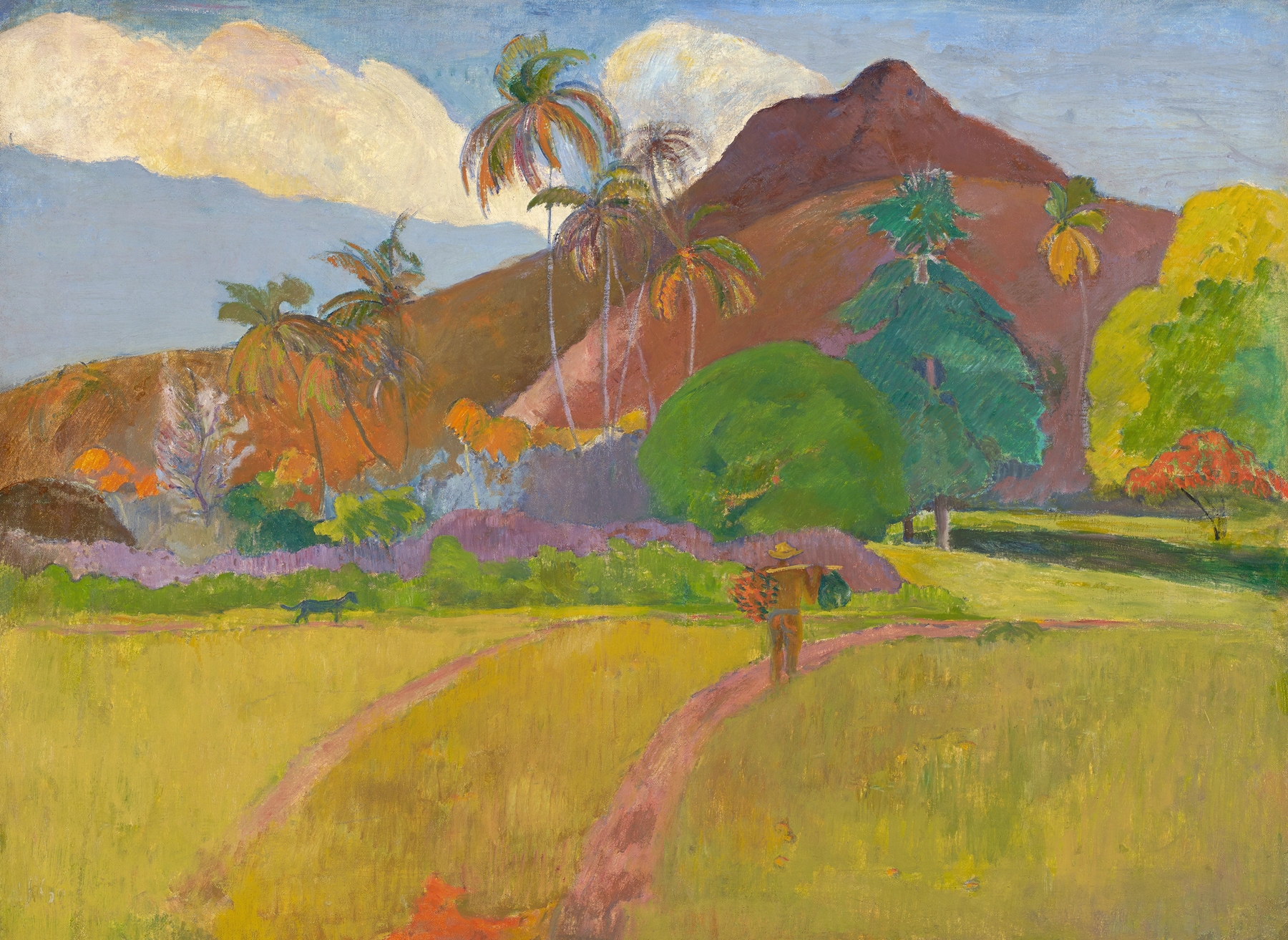
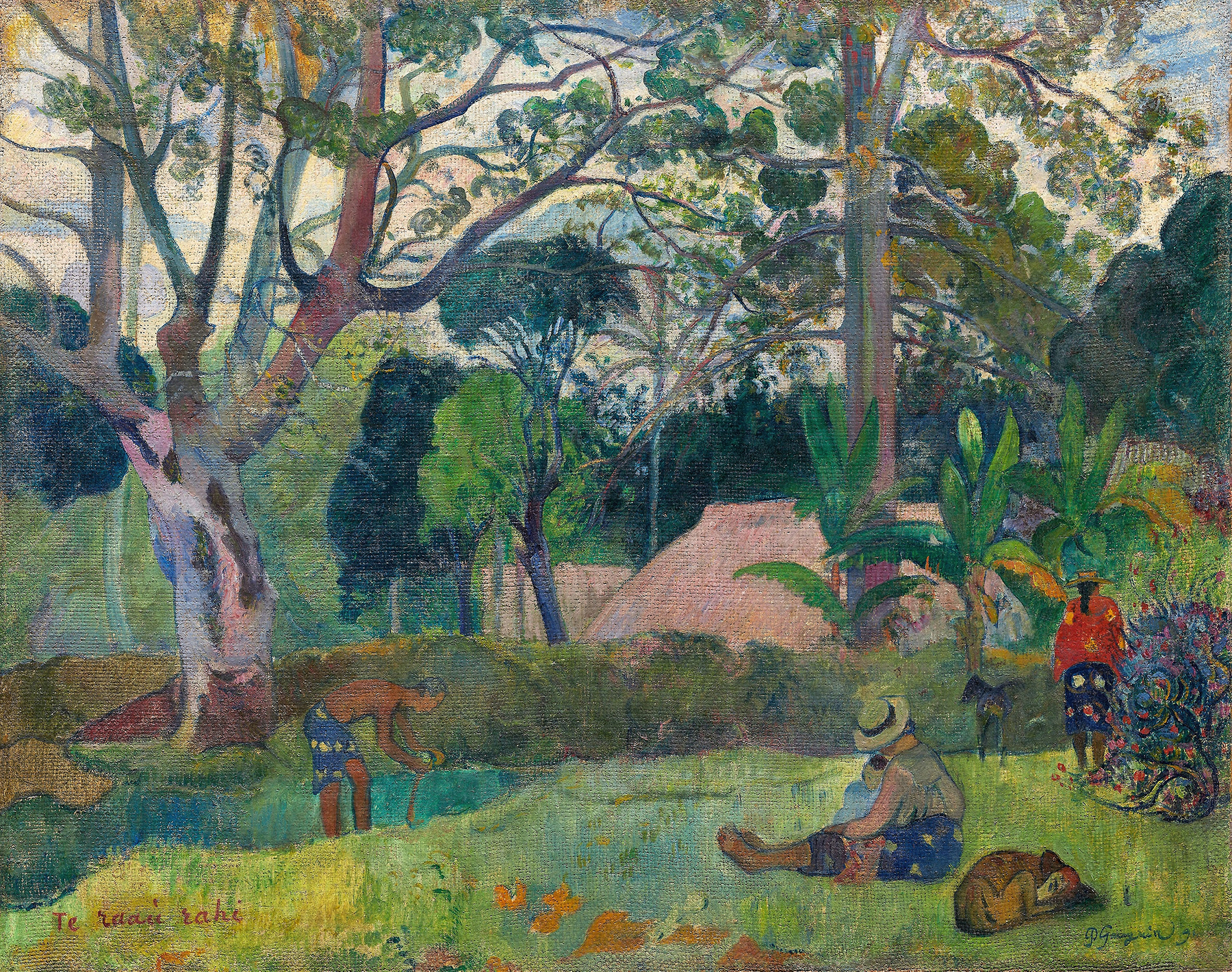
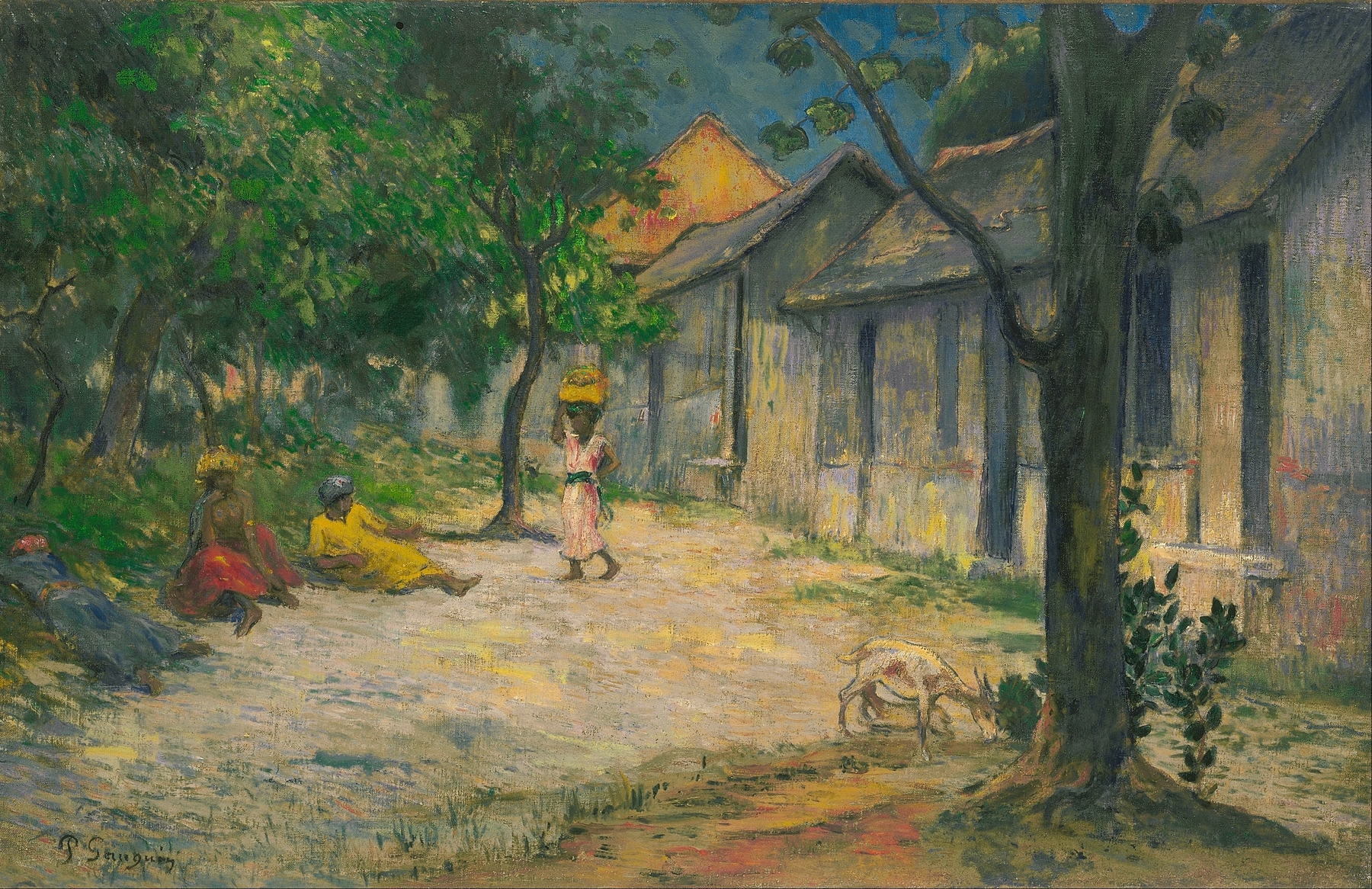
“To paint is to remember what time wants us to forget.” In an ever-changing world, the act of creation becomes a safeguard against the void of oblivion, preserving fleeting moments for eternity. Look to the left at the gentle curves of the figures, their forms harmonizing with the lush landscape that envelops them. The warm, earthy palette of ochres and greens evokes a sense of grounding, while the vibrant, vivid hues of the clothing contrast sharply against their surroundings. Gauguin’s brushwork creates a tactile richness, inviting the viewer to linger on the textures of skin and fabric, while radiant light highlights the intimate connection between mother and children.
Delve deeper into the complexities of this piece, where innocence and vulnerability coexist amid the backdrop of a cultural heritage. The juxtaposition of maternal affection against a largely vacant horizon speaks to the tension of existence within a void — each child’s gaze reflects a future filled with both hope and uncertainty. Hidden within the warm embrace of the figures lies a poignant commentary on colonial displacement, raising questions about identity and belonging in a rapidly homogenizing world. In 1901, Gauguin settled in Tahiti, seeking solace and inspiration.
This period was marked by his desire to escape European societal norms and rediscover a more primal, authentic existence. As the art world around him shifted, he forged a new path that embraced the mystique of the South Seas. This painting, a testament to his longing for connection and meaning, encapsulates the spirit of a time when cultures collided, revealing the complexity of human experience.