Pont-Neuf, brume d’automne — History & Analysis
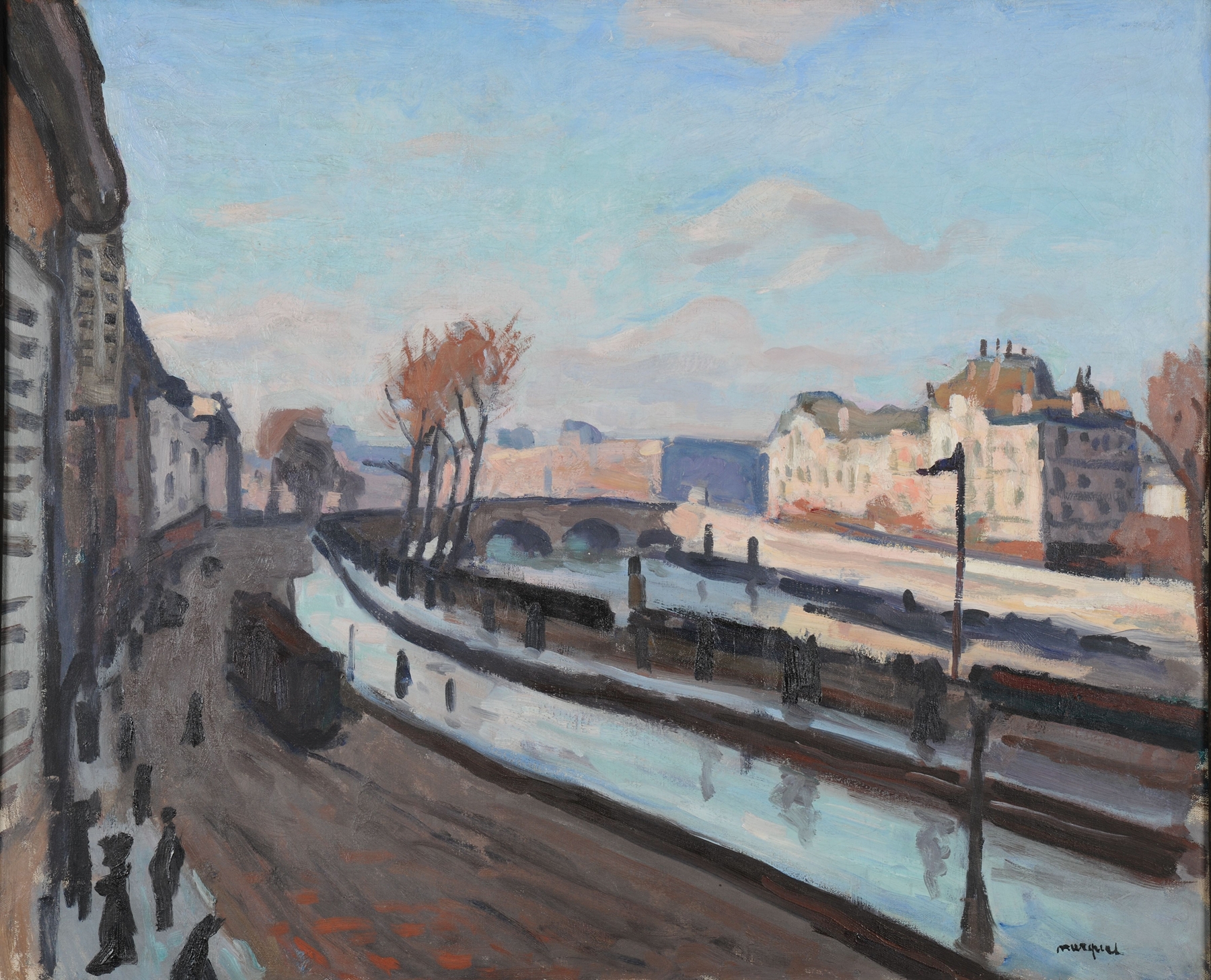
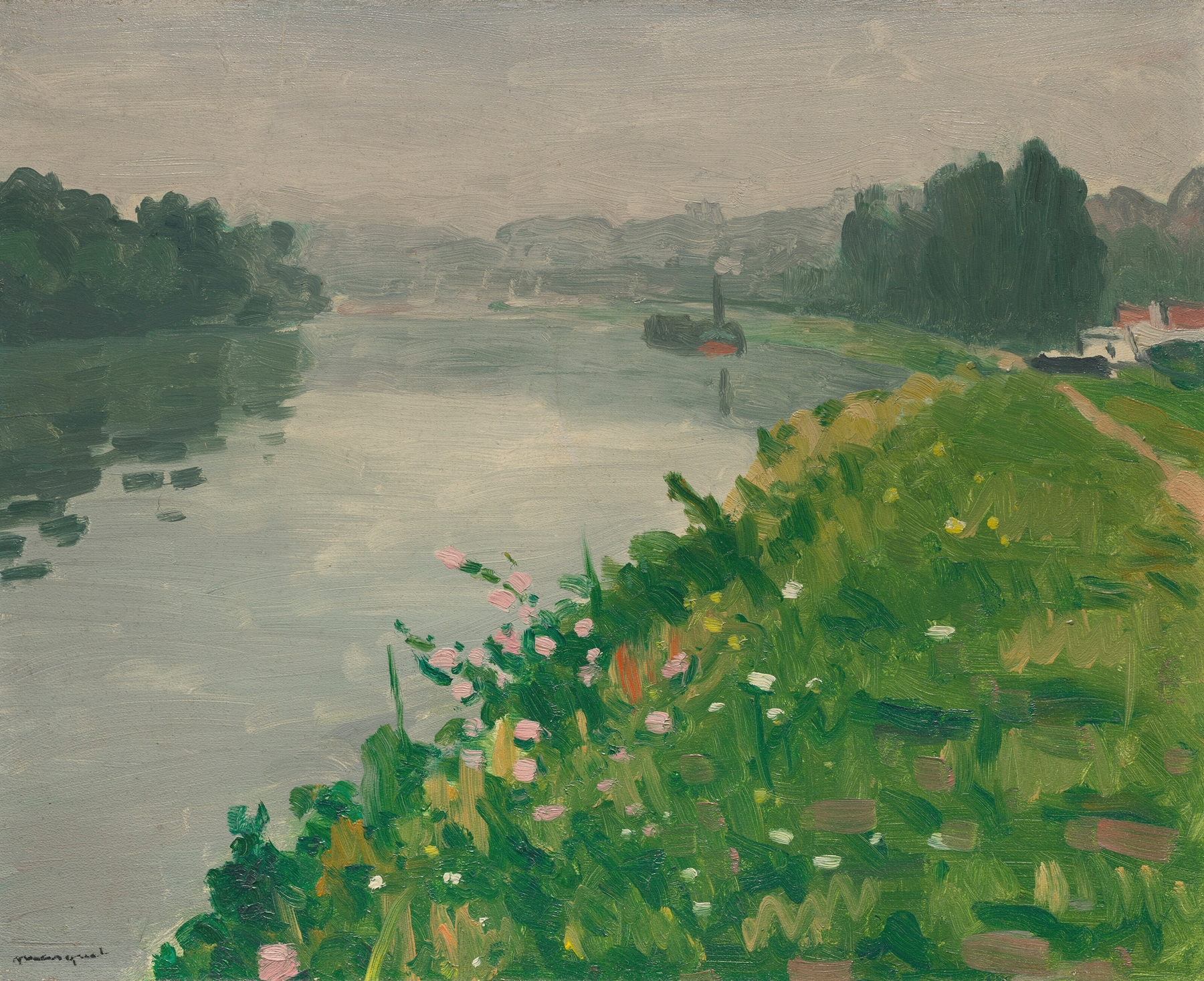
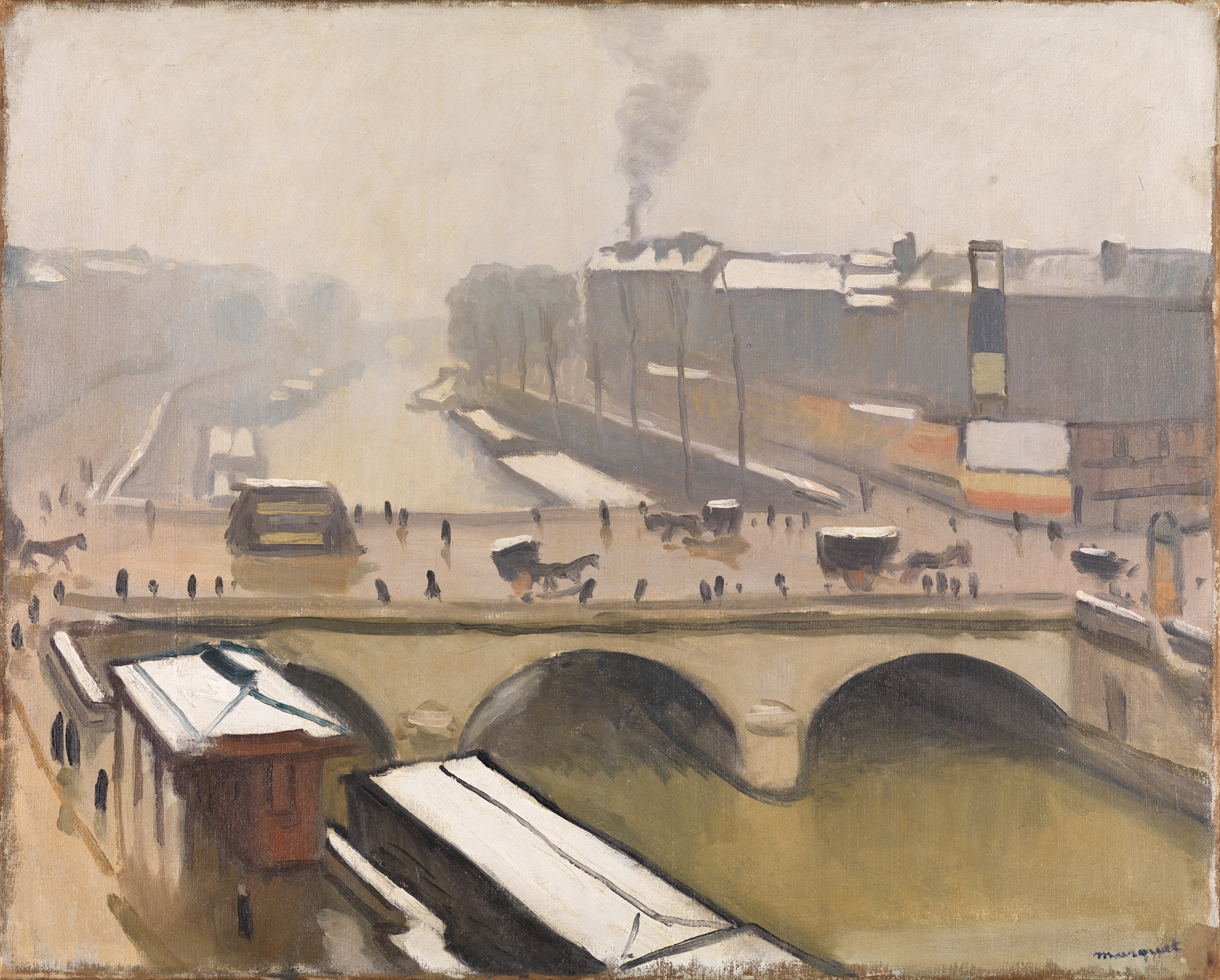
Can beauty exist without sorrow? In Pont-Neuf, brume d’automne, this question lingers like the fog hovering over a Parisian bridge, tinged with an unsettling tranquility. Look to the center of the canvas where the Pont-Neuf stretches across the Seine, its arches cradled by wisps of autumn mist. The muted palette of silvery grays and muted golds evokes a dreamy atmosphere, while the gentle brushstrokes create a sense of movement, as if the fog is alive.
Notice how the light seeps through the haze, illuminating the water’s surface in fleeting patches, inviting contemplation—a stark contrast against the heavy shadows draping over the bridge. Beneath this serene exterior lies an emotional undercurrent. The bridge, a symbol of connection, stands isolated, surrounded by the encroaching mist, suggesting a fear of disconnection. The autumn hues whisper of change, hinting at the transitory nature of beauty and the inevitable passage of time.
Each detail, from the solitary figure silhouetted against the backdrop to the stillness of the water, encapsulates a moment of quiet reflection, evoking the bittersweetness of life itself. In 1937, while creating this work, Marquet was firmly established in the Parisian art scene, having embraced a vibrant post-Impressionist style. This period was marked by a growing movement towards abstraction and emotional depth, as artists navigated the turbulence of interwar Europe. The tranquility of Pont-Neuf, brume d’automne belies the complexities of the world, encapsulating a moment of beauty amidst the fear of what lay ahead.