Port d’Anvers — History & Analysis
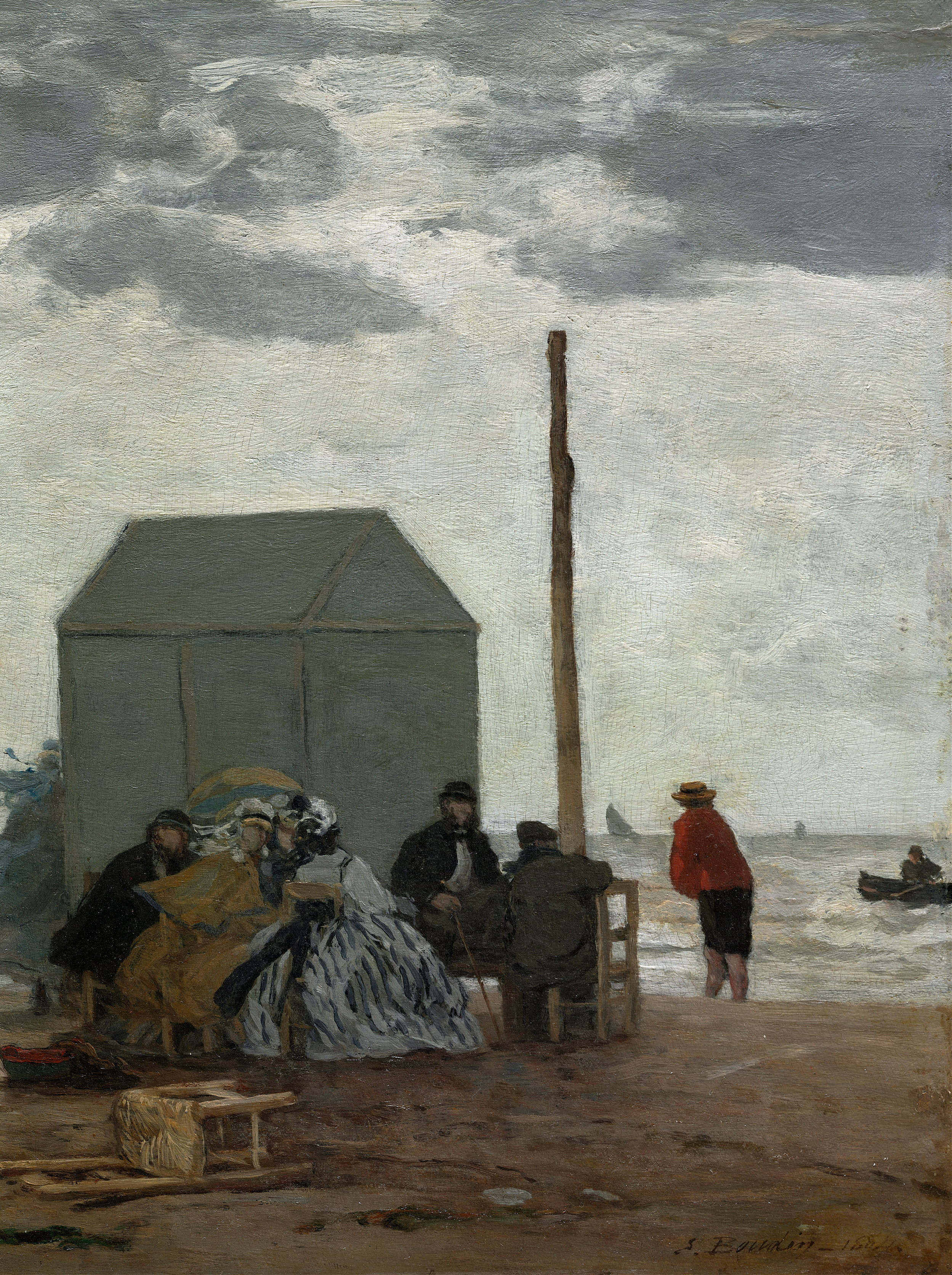
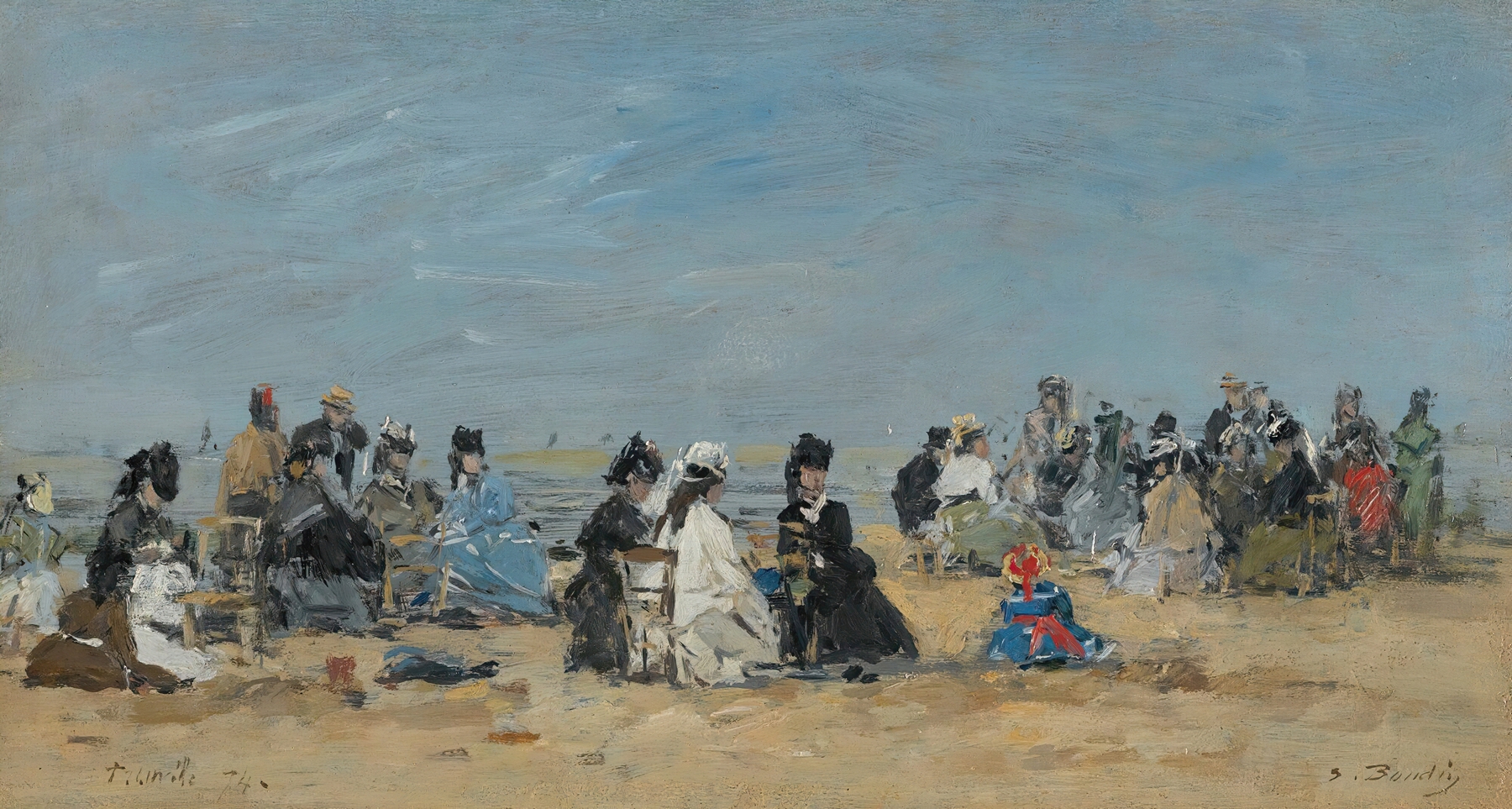
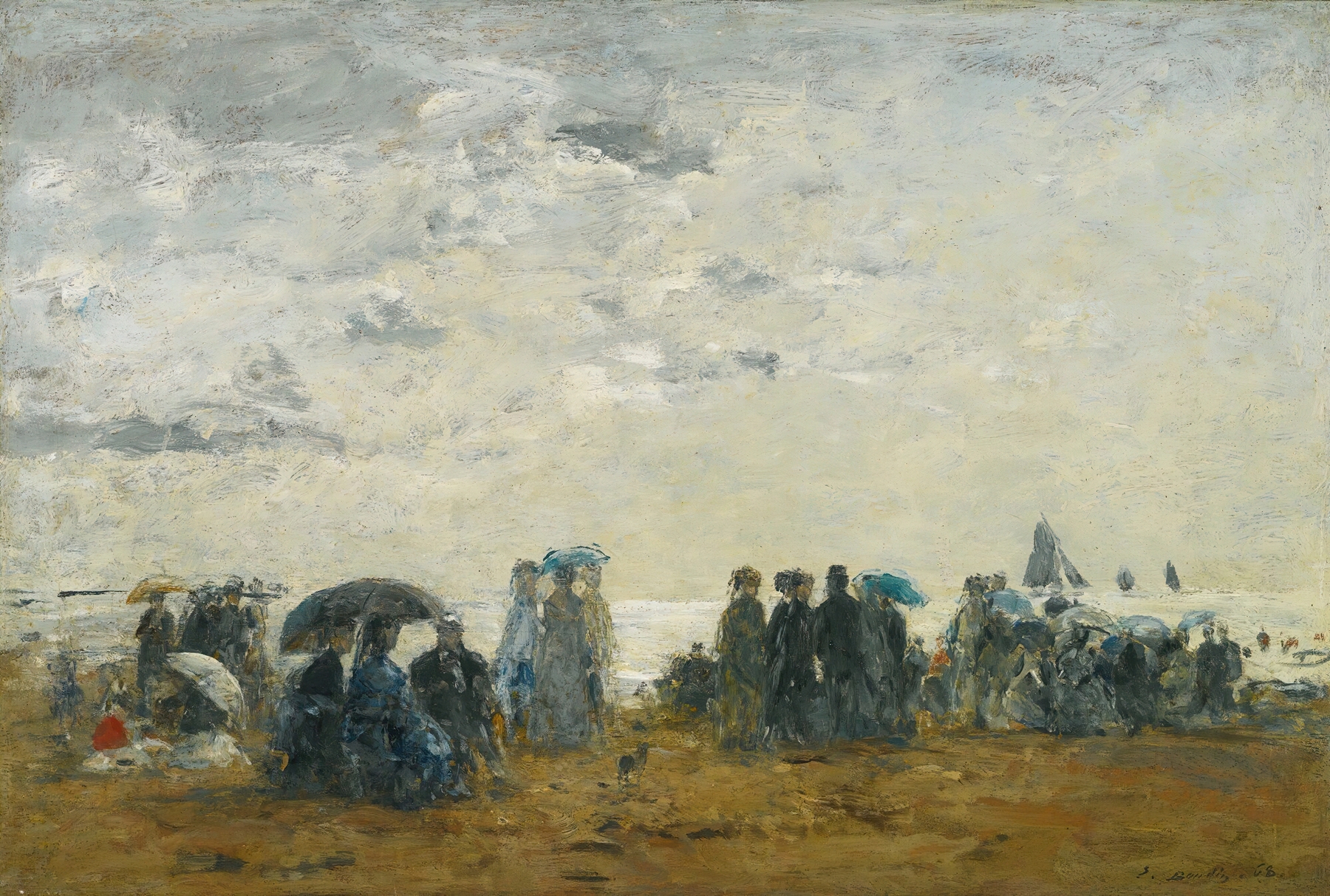
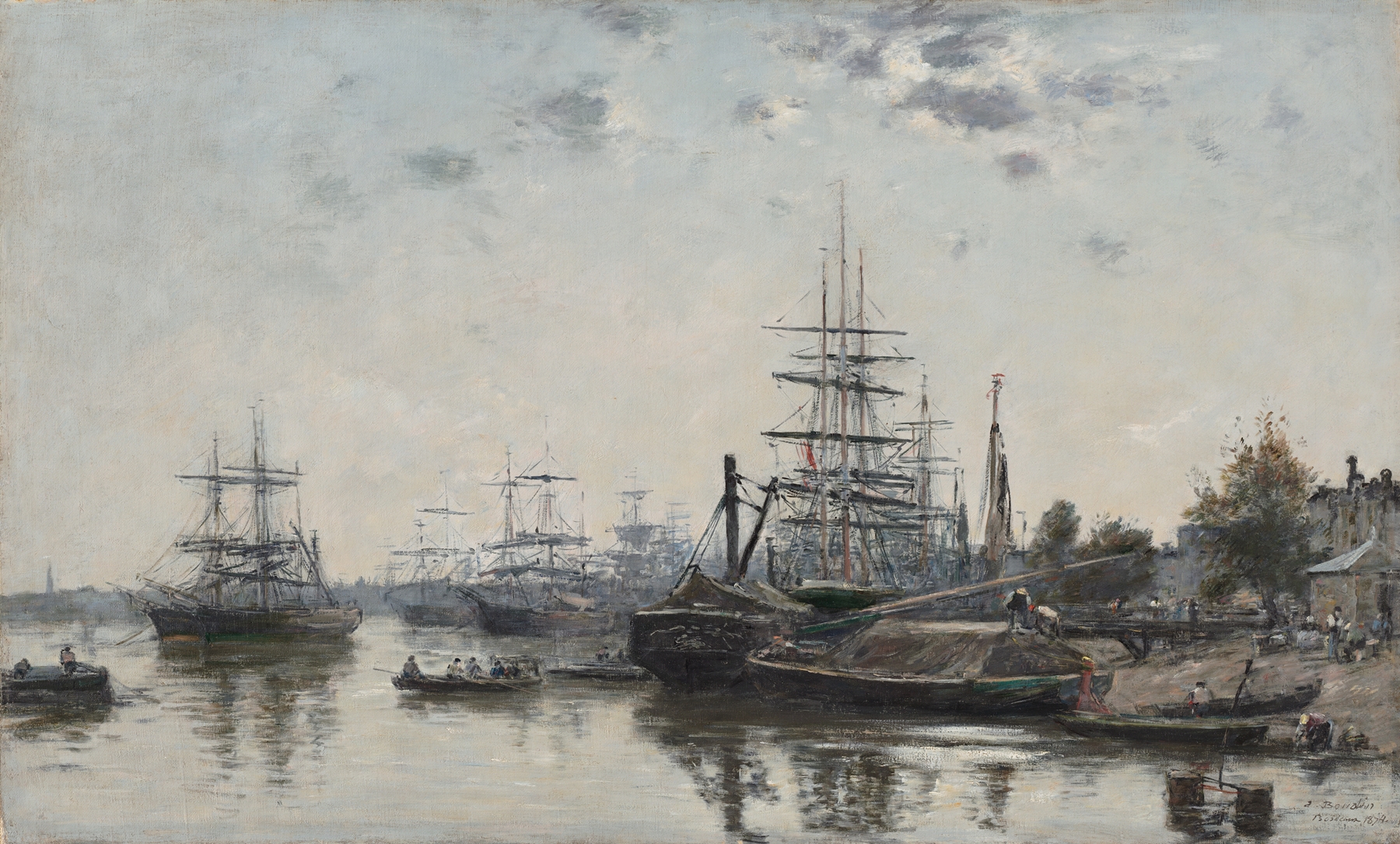
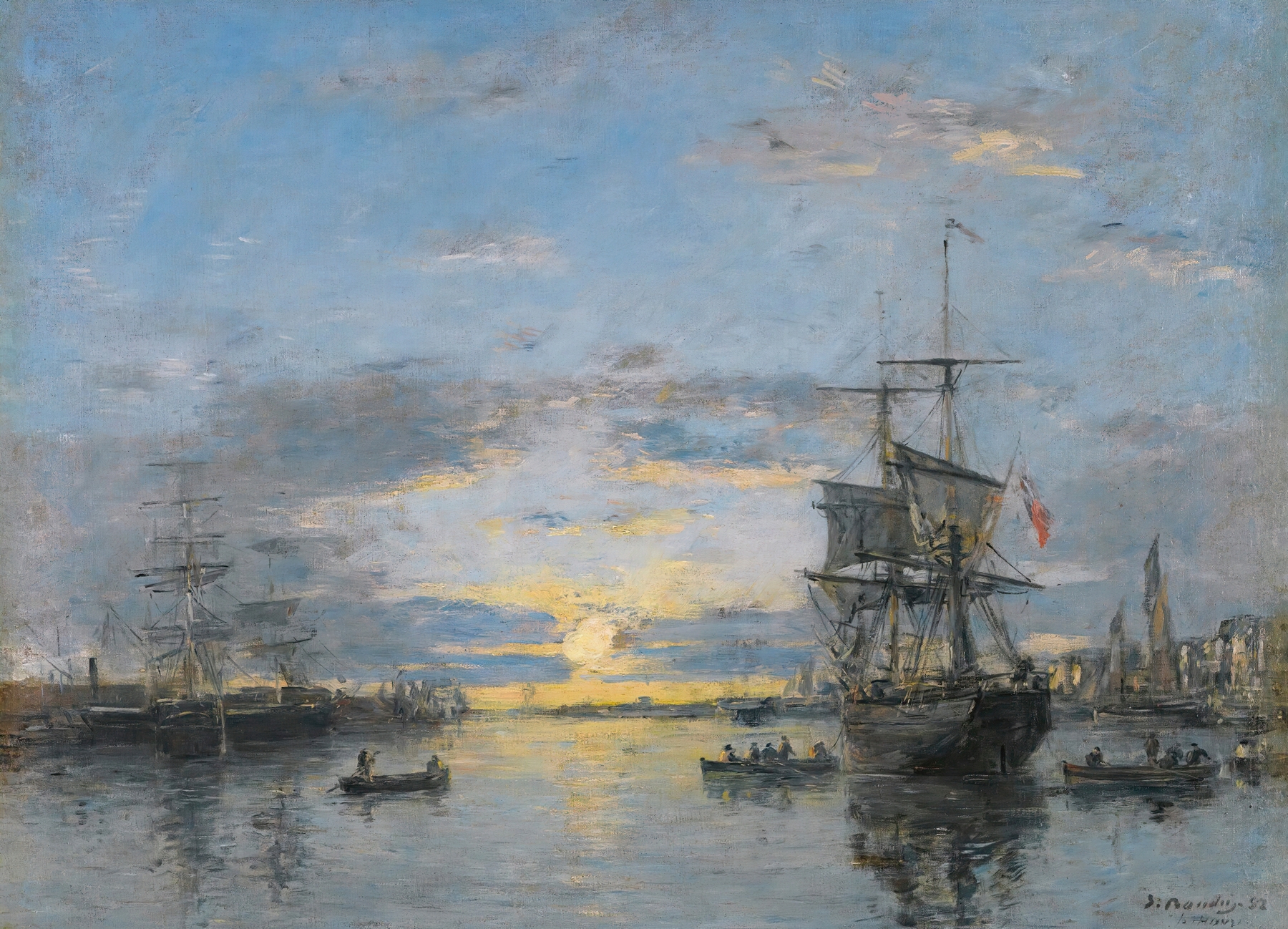
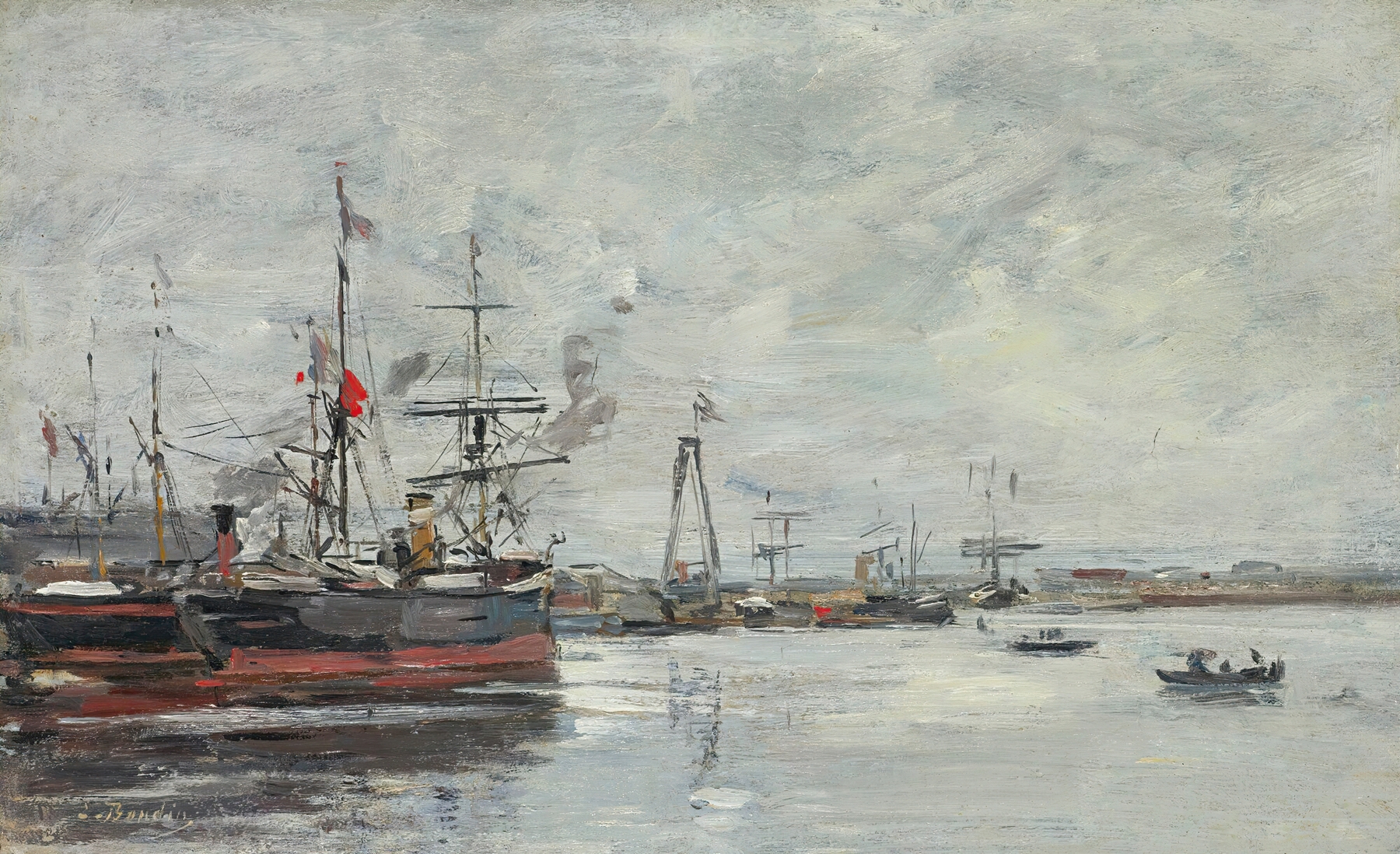
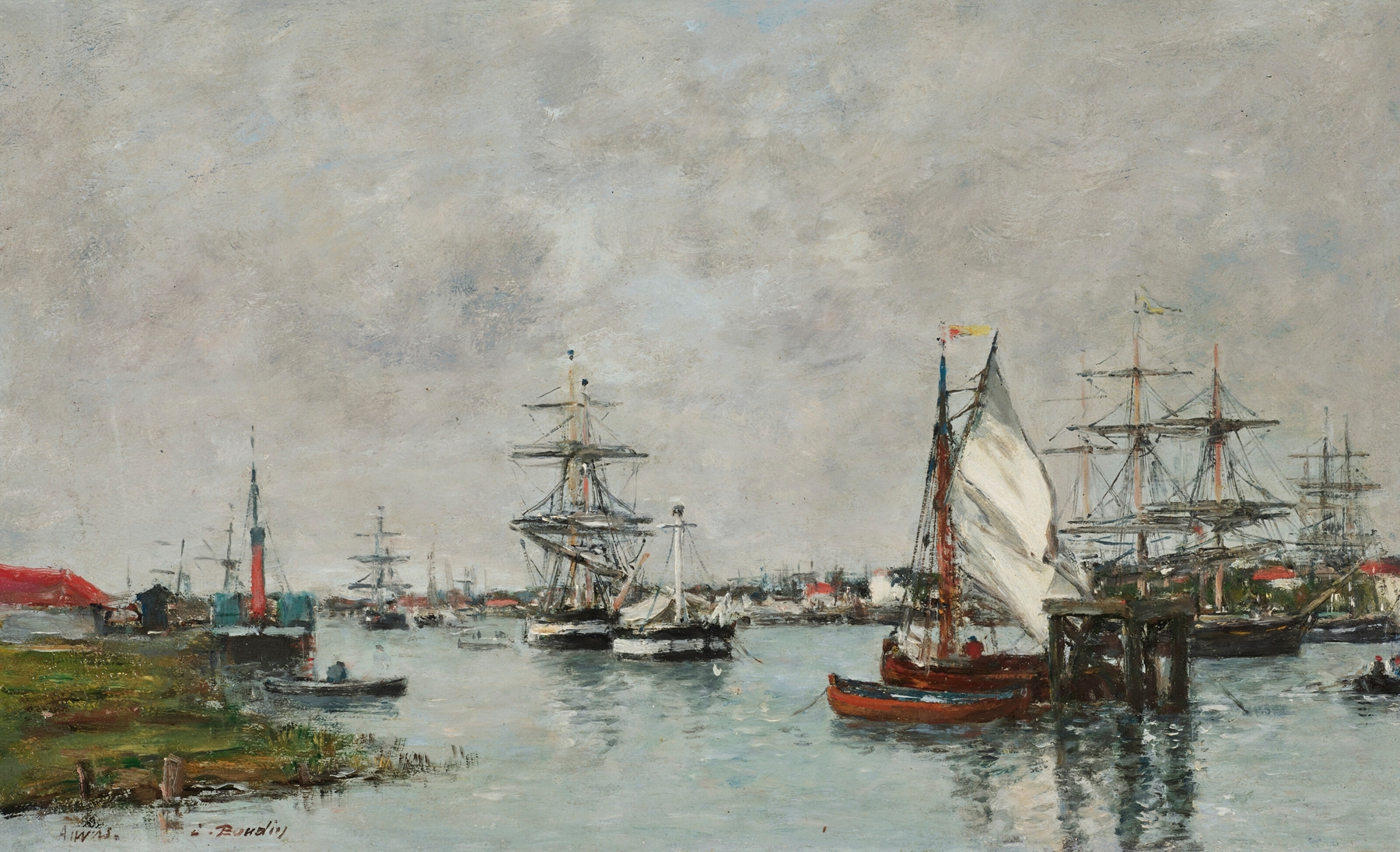
Could beauty survive in a century of chaos? In a world often overshadowed by turmoil, the essence of transcendence reveals itself through the simplest of landscapes, inviting viewers to find solace amidst the storm. Focus on the horizon where the gentle waves of the sea kiss the sky, painted in soft hues of azure and gold. Look to the left at the bustling port, where boats sway lightly in the water, their sails catching the breeze.
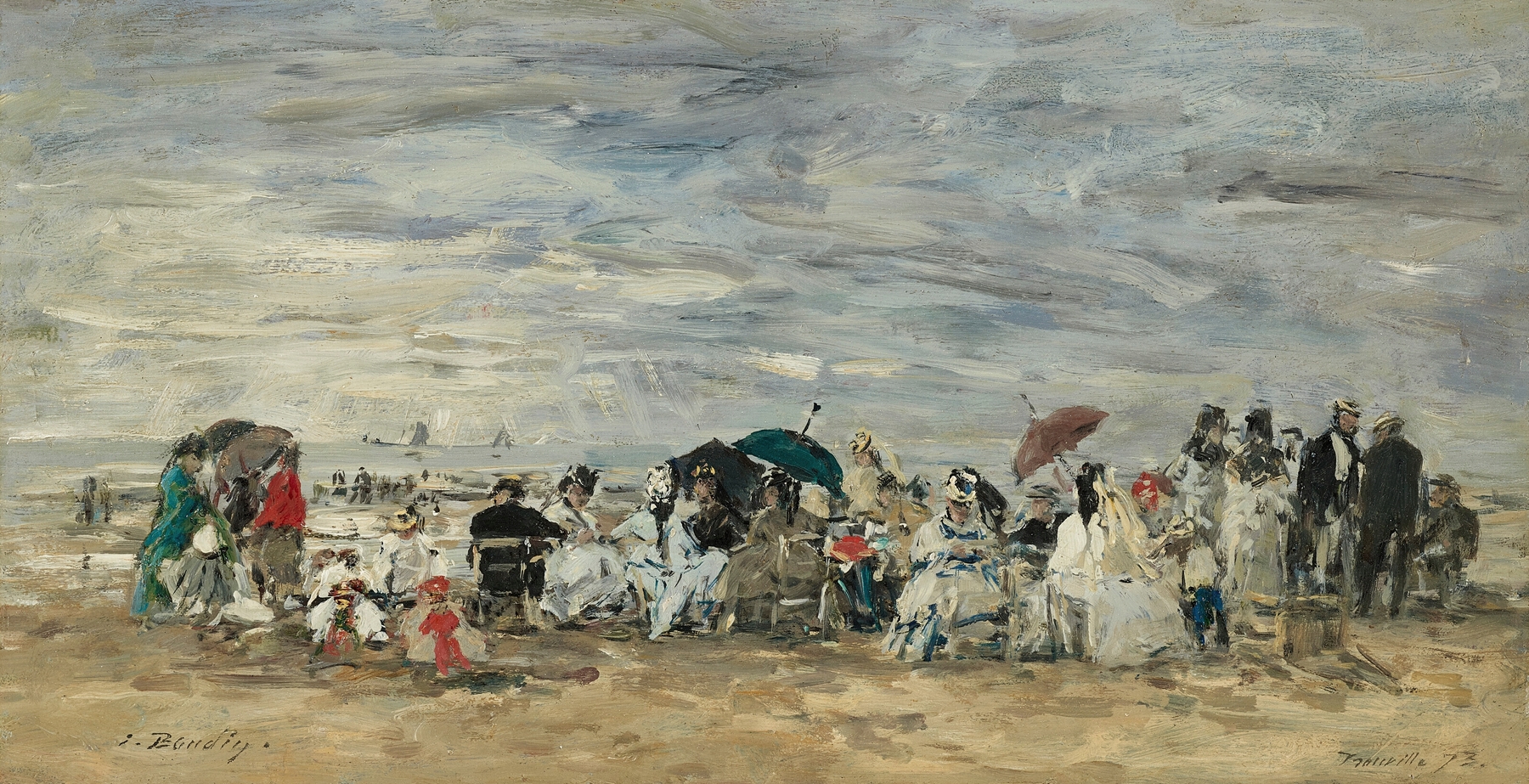
The brushwork is delicate yet purposeful, giving life to the scene; each stroke conveys the rhythm of the waves and the bustling activity of the harbor. Notice how the light dances across the surface, reflecting a harmony between nature and human endeavor. Boudin captures not only the serenity of the landscape but also a subtle tension: between the tranquility of the water and the industriousness of the port. The boats, symbols of human ambition, stand in contrast to the expansive sky, reminding us of our fleeting existence against the timeless backdrop of nature.
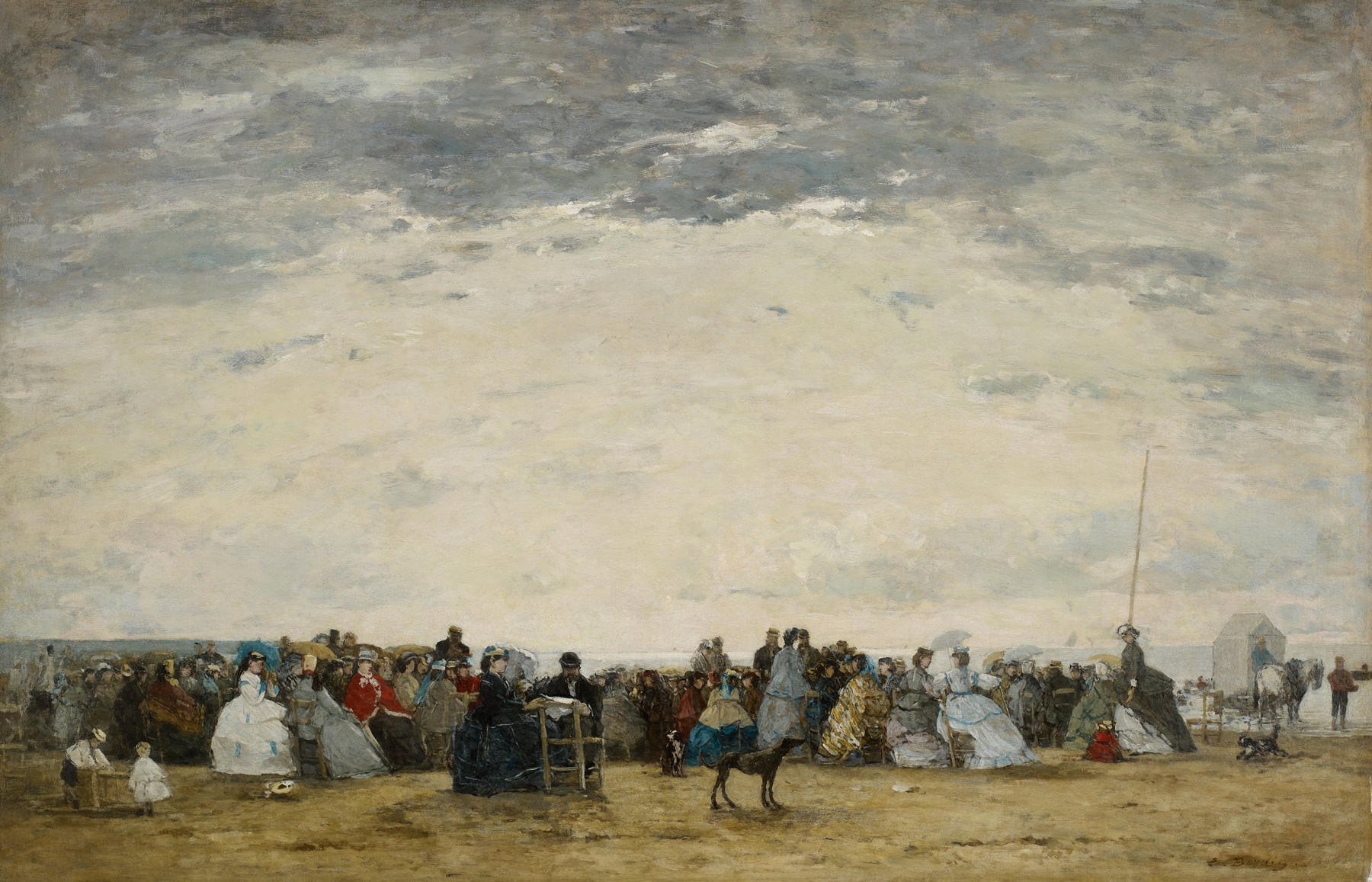
This juxtaposition evokes a sense of longing and connection to something greater, hinting at the resilience of beauty despite external chaos. During this period, the artist found himself immersed in the evolving art scene of the late 19th century, a time of transformation and experimentation. Working in Normandy, he was deeply influenced by the Impressionist movement, yet he held onto his own unique style, bridging the gap between traditional landscape painting and the burgeoning new approaches. Boudin's works often depicted coastal life, celebrating the interplay of light and atmosphere, embodying a moment in time when art began to reflect the changing world around it.