Port-en-Bessin — History & Analysis
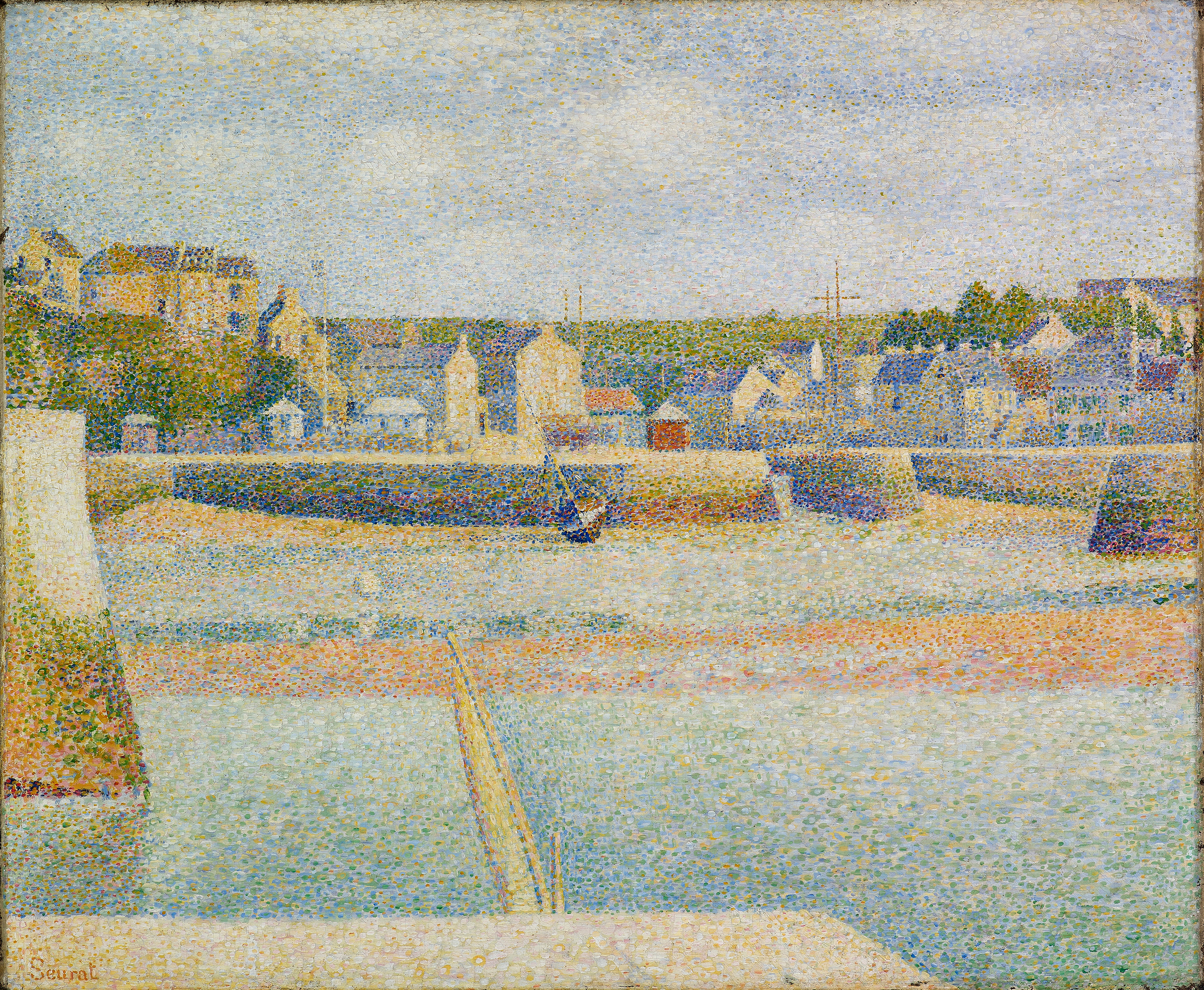
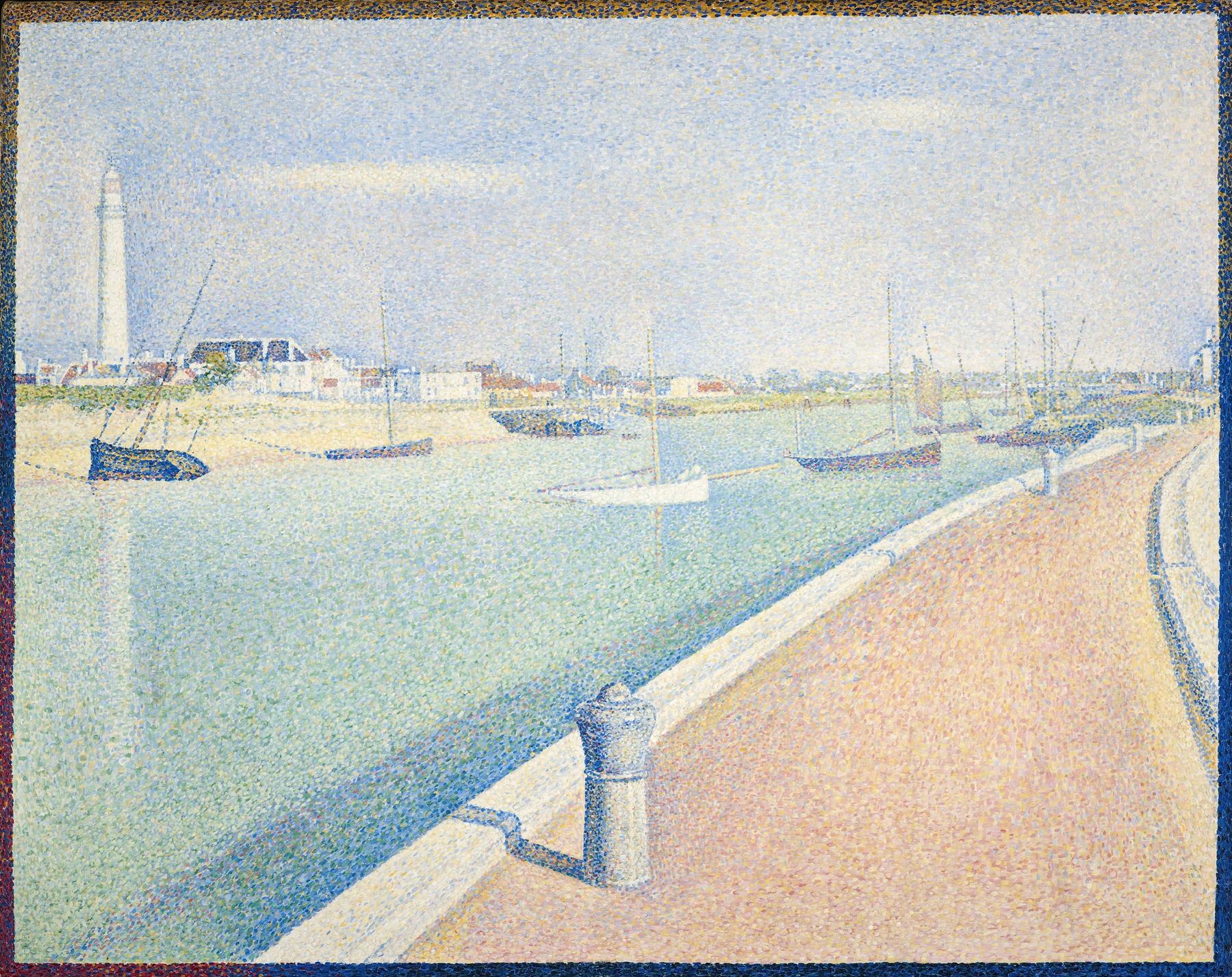
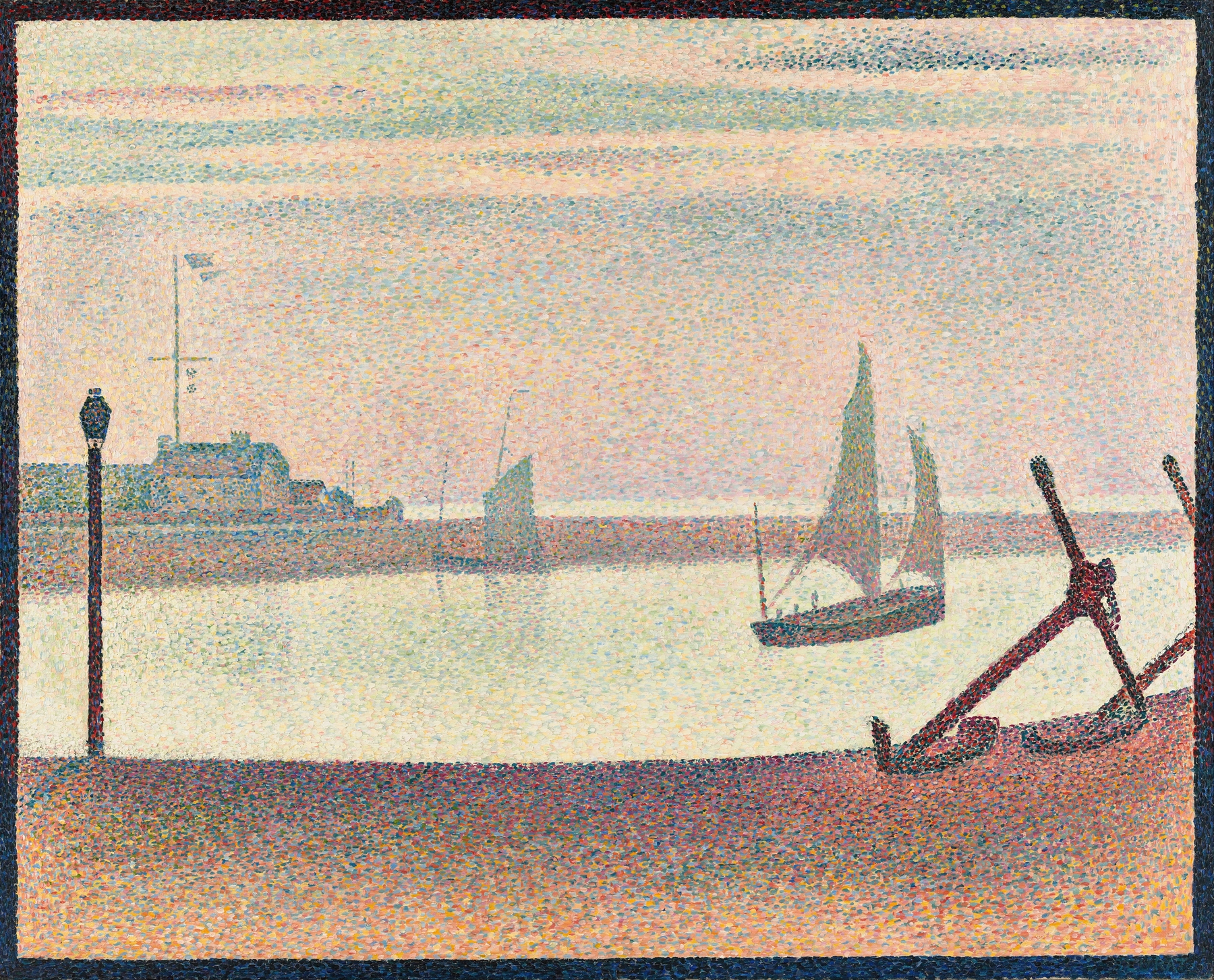
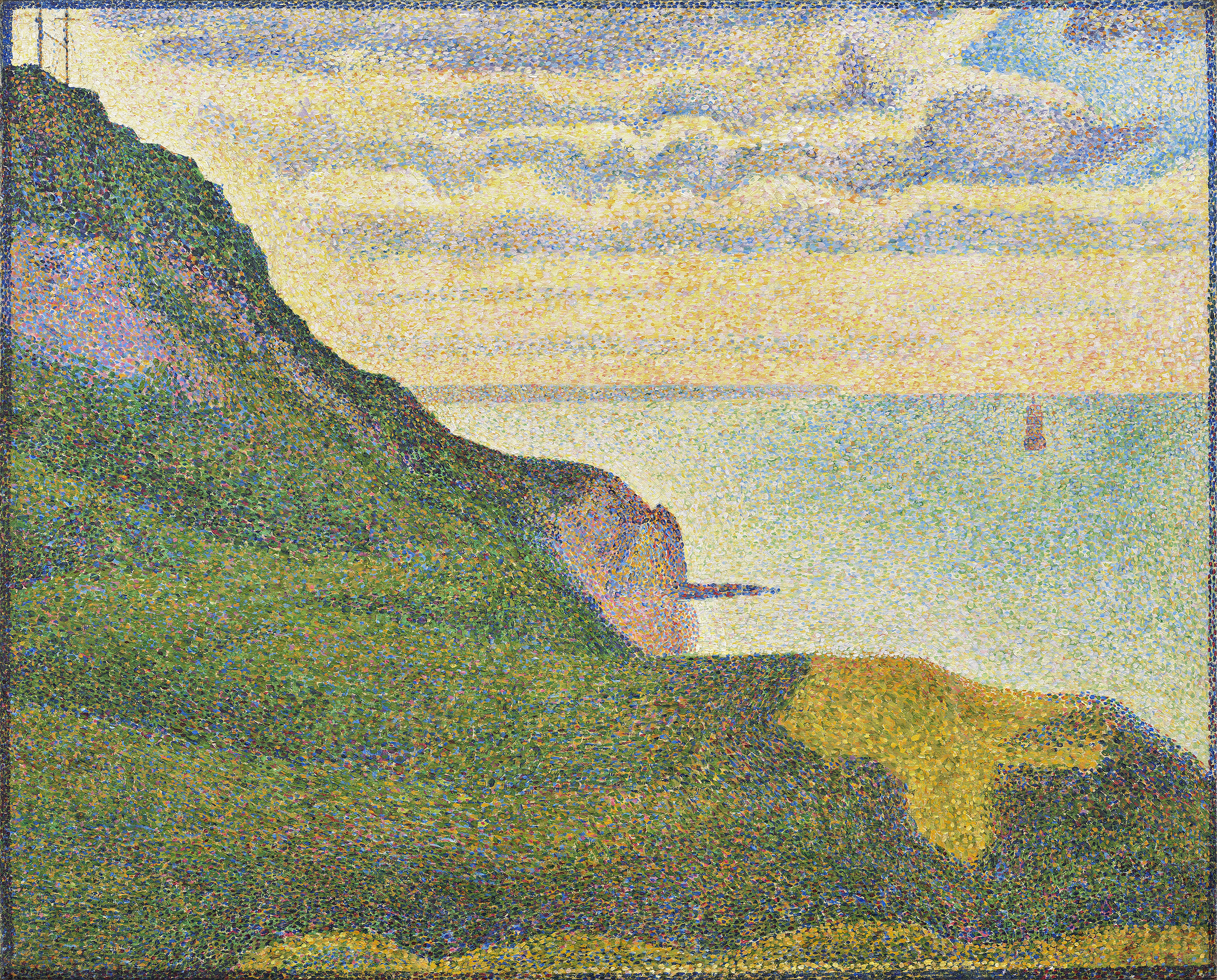
Can beauty exist without sorrow? In Port-en-Bessin, the answer unfolds like a whisper against the canvas, inviting viewers into a moment suspended between joy and melancholy. Focus on the gentle undulation of the waves, where Seurat's meticulous brushstrokes create a textured surface that glimmers under the sunlight. Notice how the palette, rich in blues and greens, captures the essence of the sea, while the dabs of warmer hues reflect the bustling life of fishermen and the quaint village.
To your left, the boats bob cheerfully, yet an air of stillness pervades the scene, amplified by the careful arrangement of figures, suggesting a fleeting pause in everyday activity. Yet beneath the surface lies a tension — the stark contrast between the vibrancy of the coastal scene and the somber shadows that creep along the water. The figures, though engaged in their tasks, embody a sense of isolation, hinting at the quiet struggles of life amidst nature's beauty. Each stroke reflects an interplay of light and dark, urging viewers to contemplate the balance of ecstasy and sorrow that coexists in our experiences.
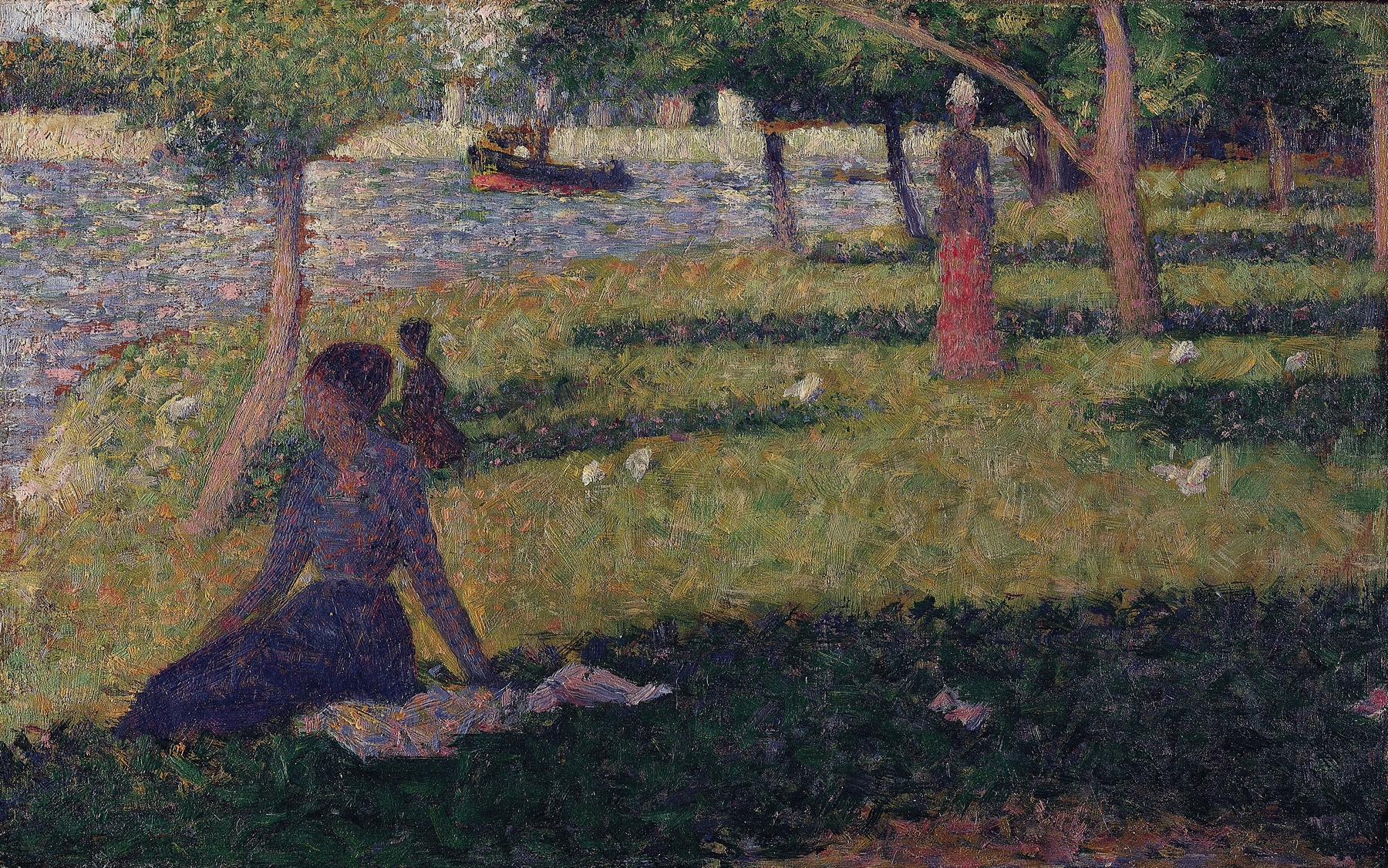
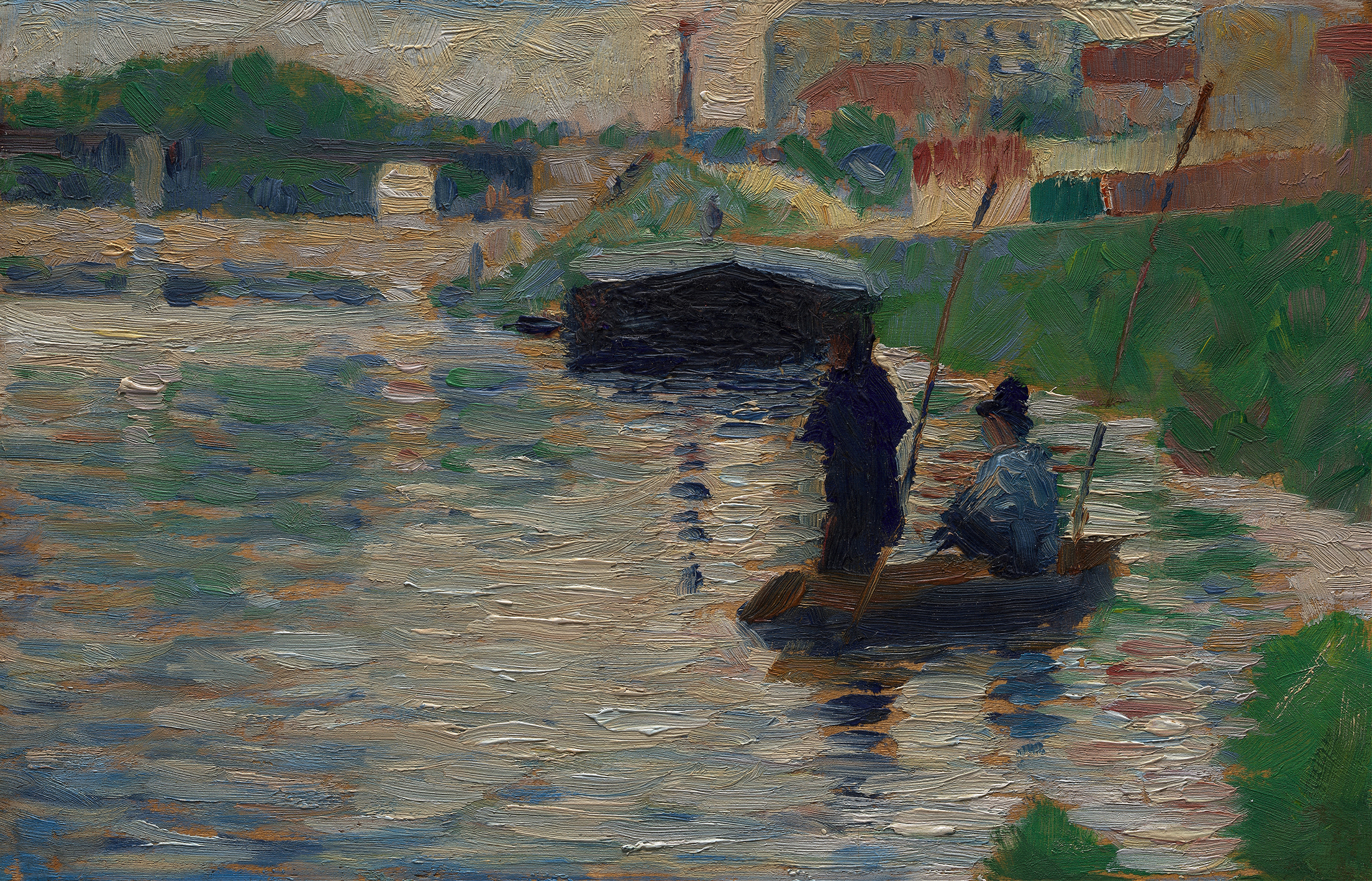
Created in 1888, during a period of personal exploration for the artist, Port-en-Bessin exemplifies Seurat's dedication to pointillism and color theory. Living in Paris, he was influenced by the Impressionist movement while also seeking his own unique voice. The work reflects not only his technical innovations but also the complexities of his inner world, resonating with the broader changes occurring in the art scene at the time.