Port in Fécamp — History & Analysis
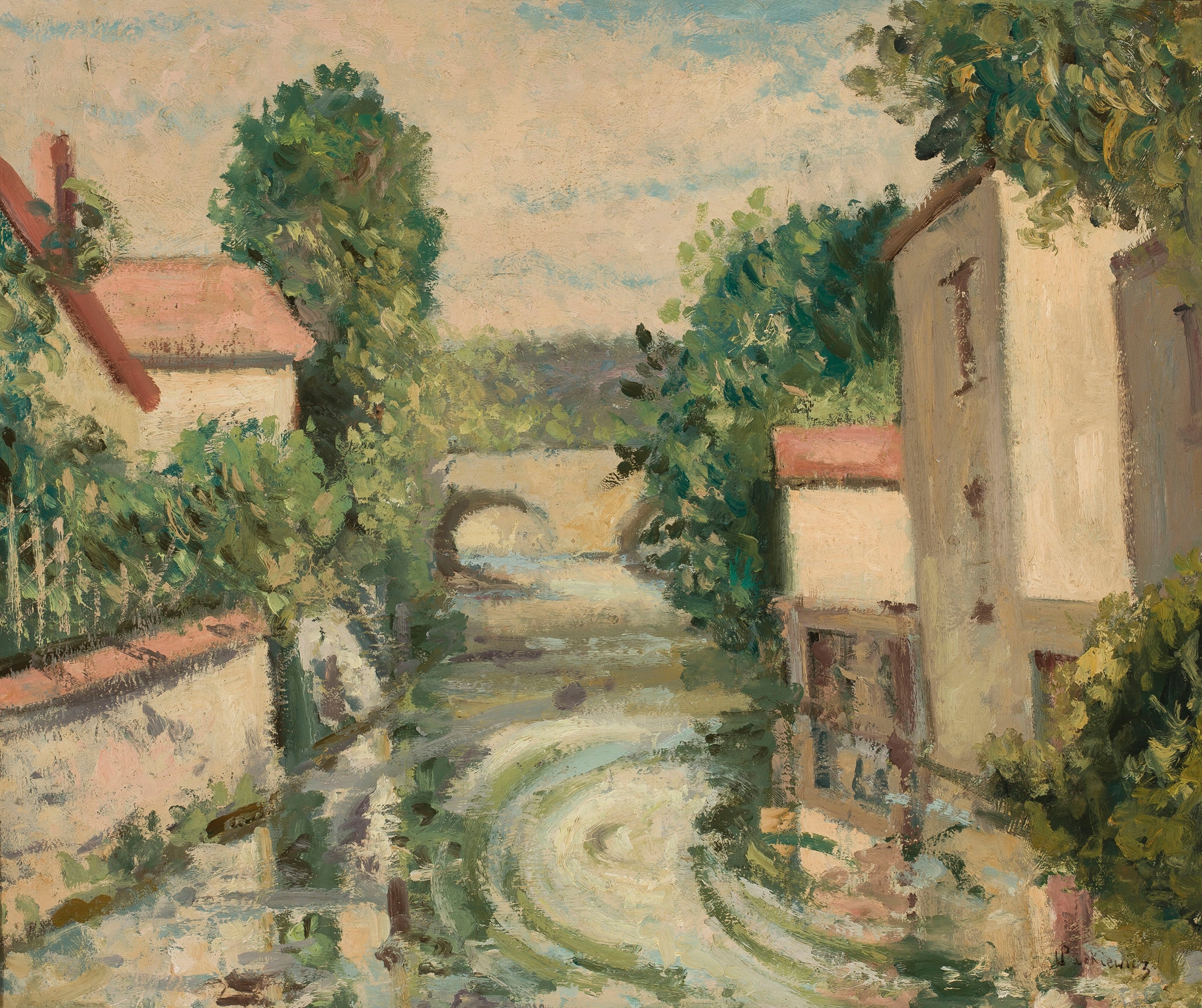
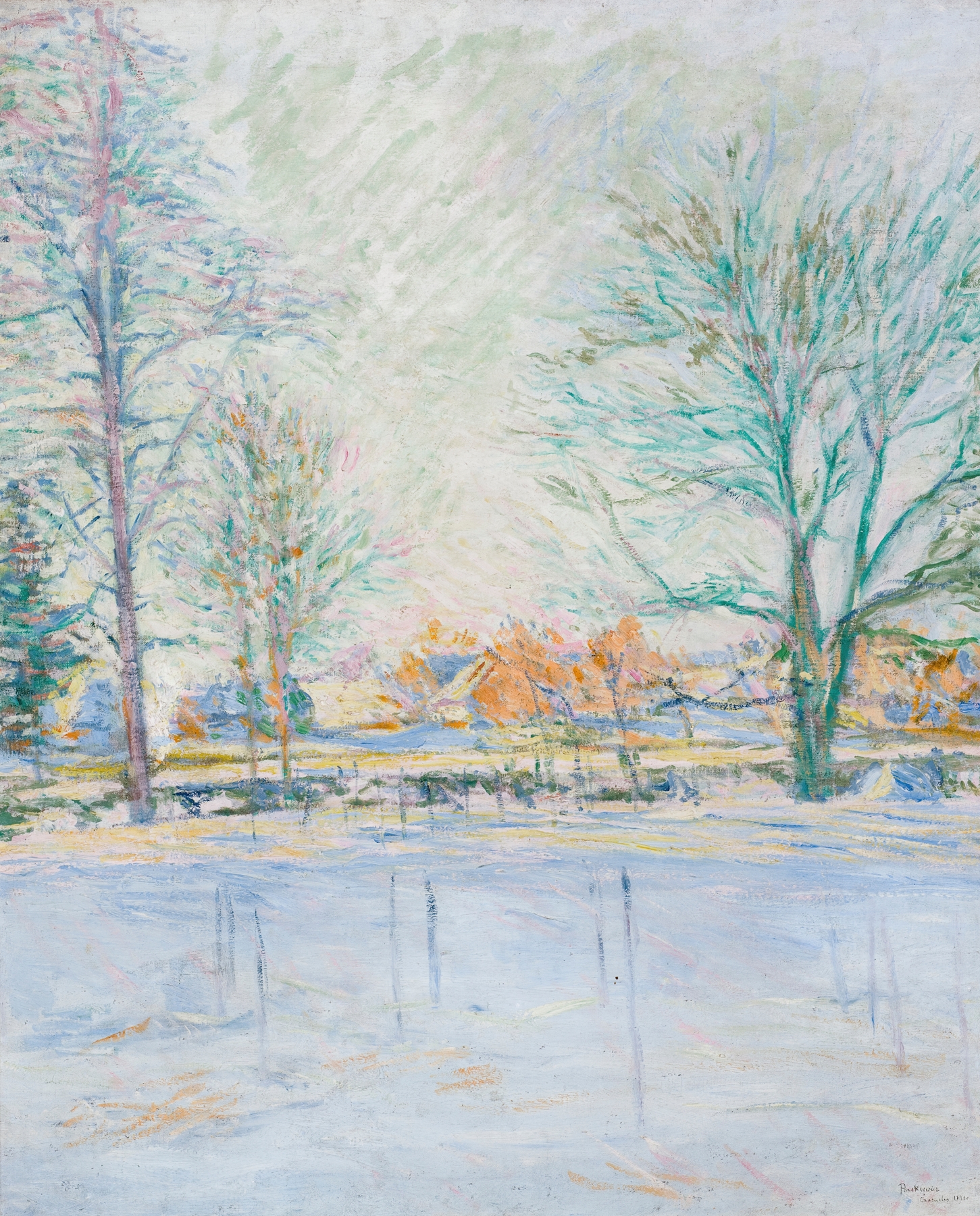
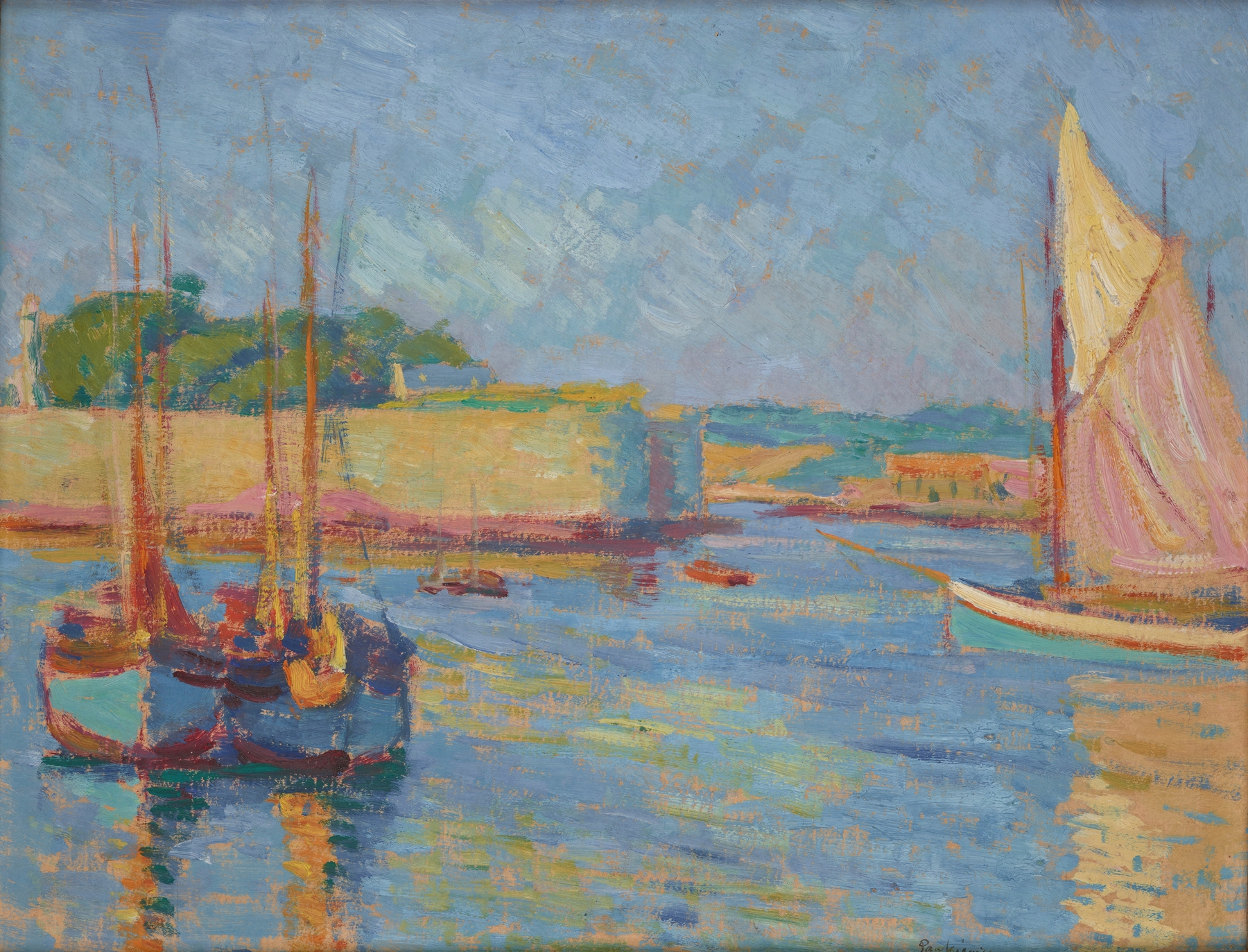
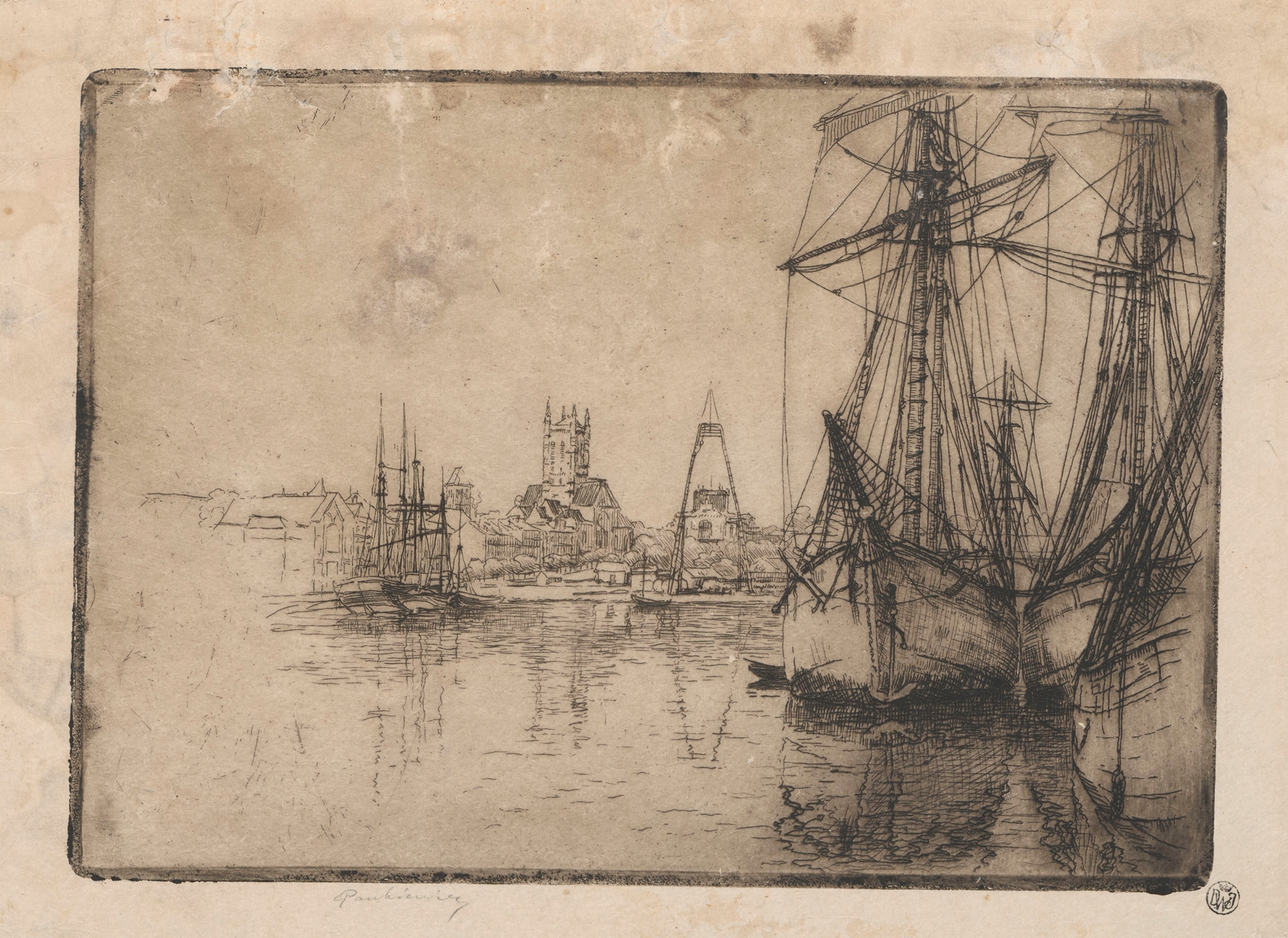
“Every silence here is a confession.” The longing for connection permeates the air, whispering through the ships and waves captured on canvas. In this tranquil moment, a port is both a refuge and a reminder of journeys yet to come, stirring a profound yearning in those who gaze upon it. Look to the left where the vibrant hues of the boats contrast sharply against the subdued blues and grays of the sky. Notice the brushstrokes that dance lightly across the surface, rendering the rippling water almost tangible. The play of light on the hulls glimmers with promise, while the distant horizon beckons, drawing the viewer’s eye to the intersection of sea and sky.
The composition invites us to explore, to linger in the space between the familiar and the unknown. Delve deeper into the scene, and observe how the figures on the dock embody an unspoken narrative of hope and anticipation. Each boat stands as a vessel of dreams, some abandoned, others ready to set sail. The juxtaposition of busy activity and serene stillness creates a tension that mirrors the human experience: our innate desire to venture forth while grappling with the comforts of home.
Here, every detail holds weight, reflecting the complexities of aspiration and the bittersweet nature of departure. Józef Pankiewicz created this evocative work in 1907 while living in Paris, at a time when art was shifting dramatically with the rise of modernism. The artist infused his impressionistic style with personal reflections on the world around him, capturing the spirit of a changing society. This painting resonates with his exploration of light and color, showcasing not just a port, but a poignant metaphor for longing and the passage of time in an ever-evolving landscape.