Notre Dame Cathedral in Paris — History & Analysis
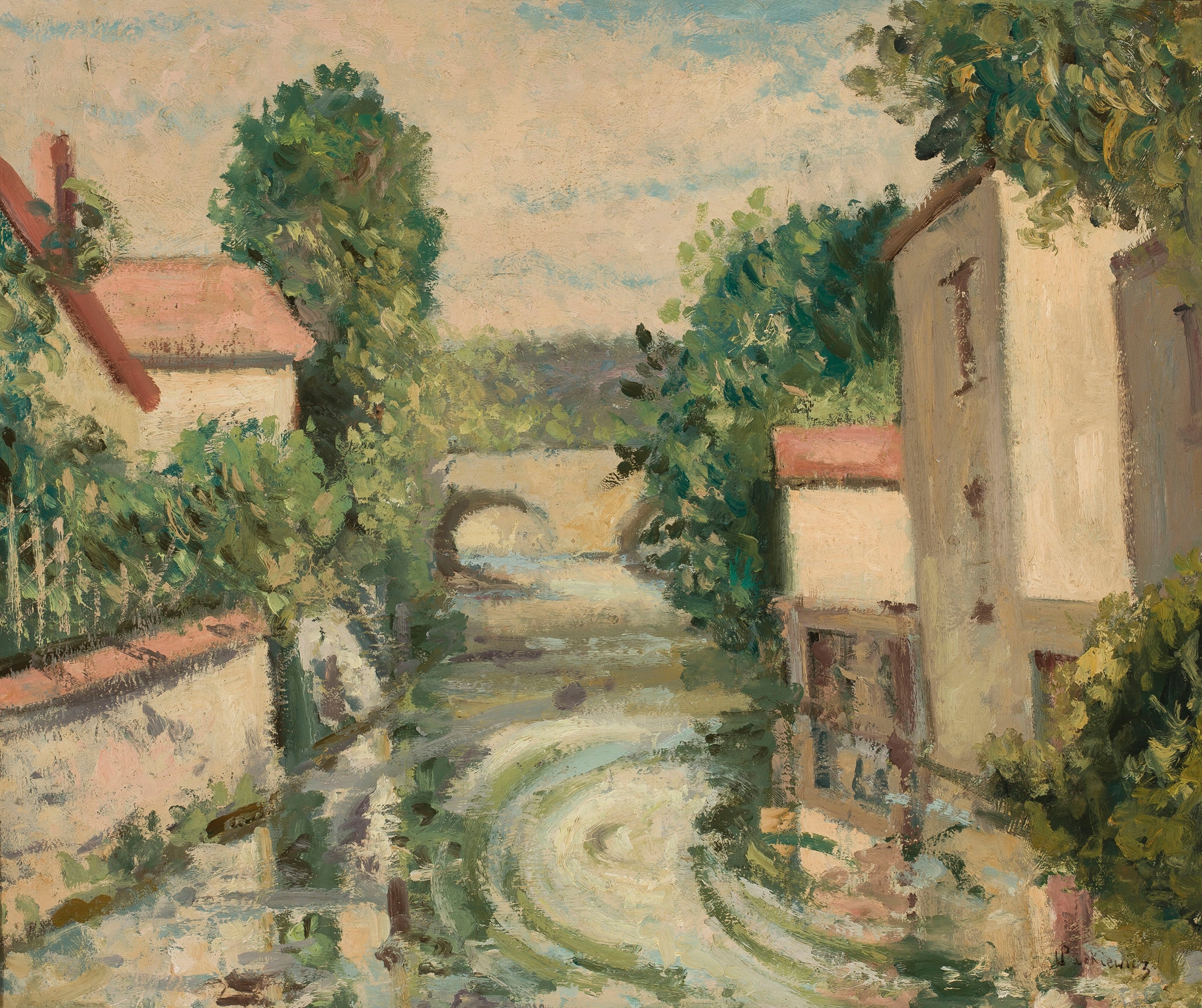
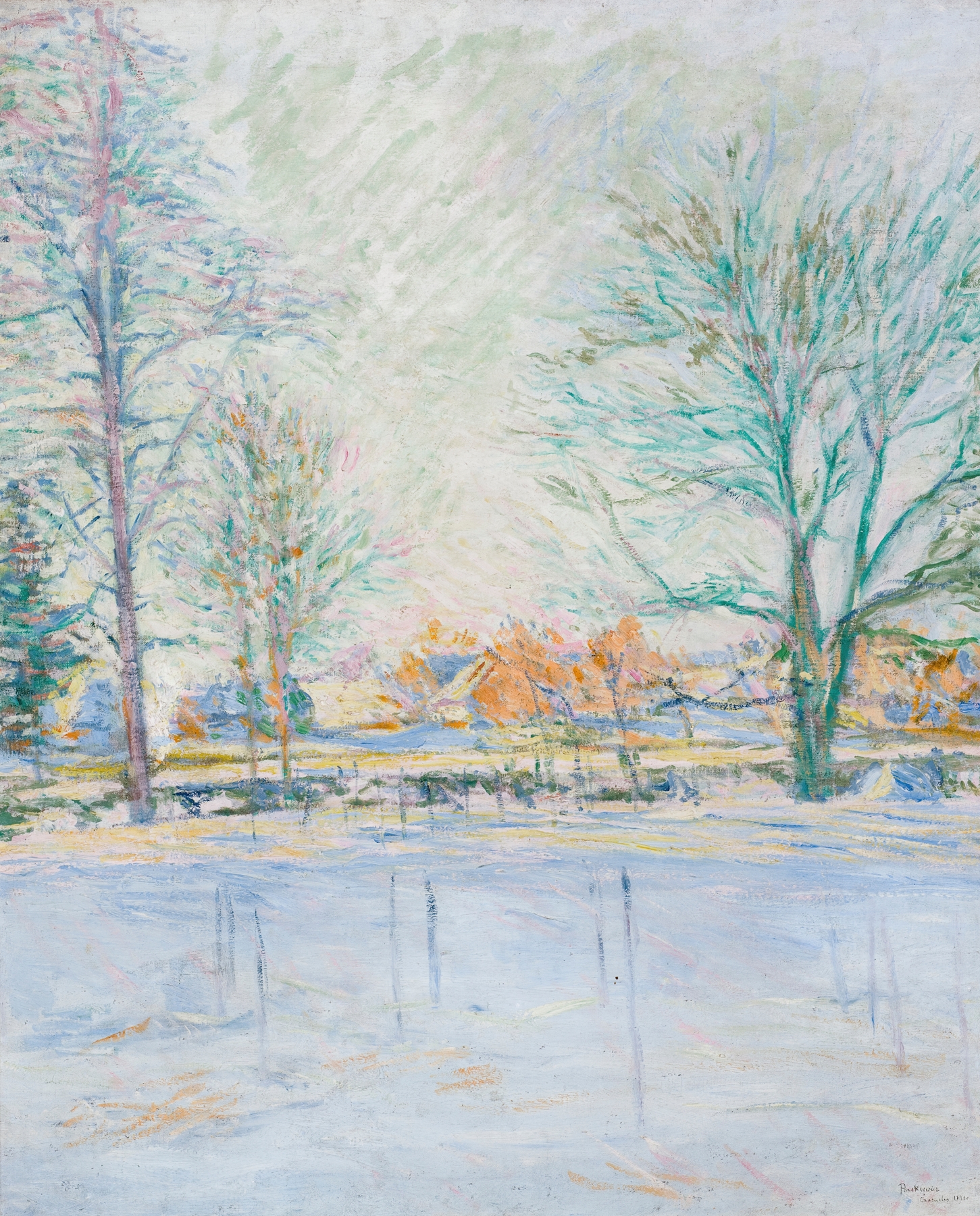
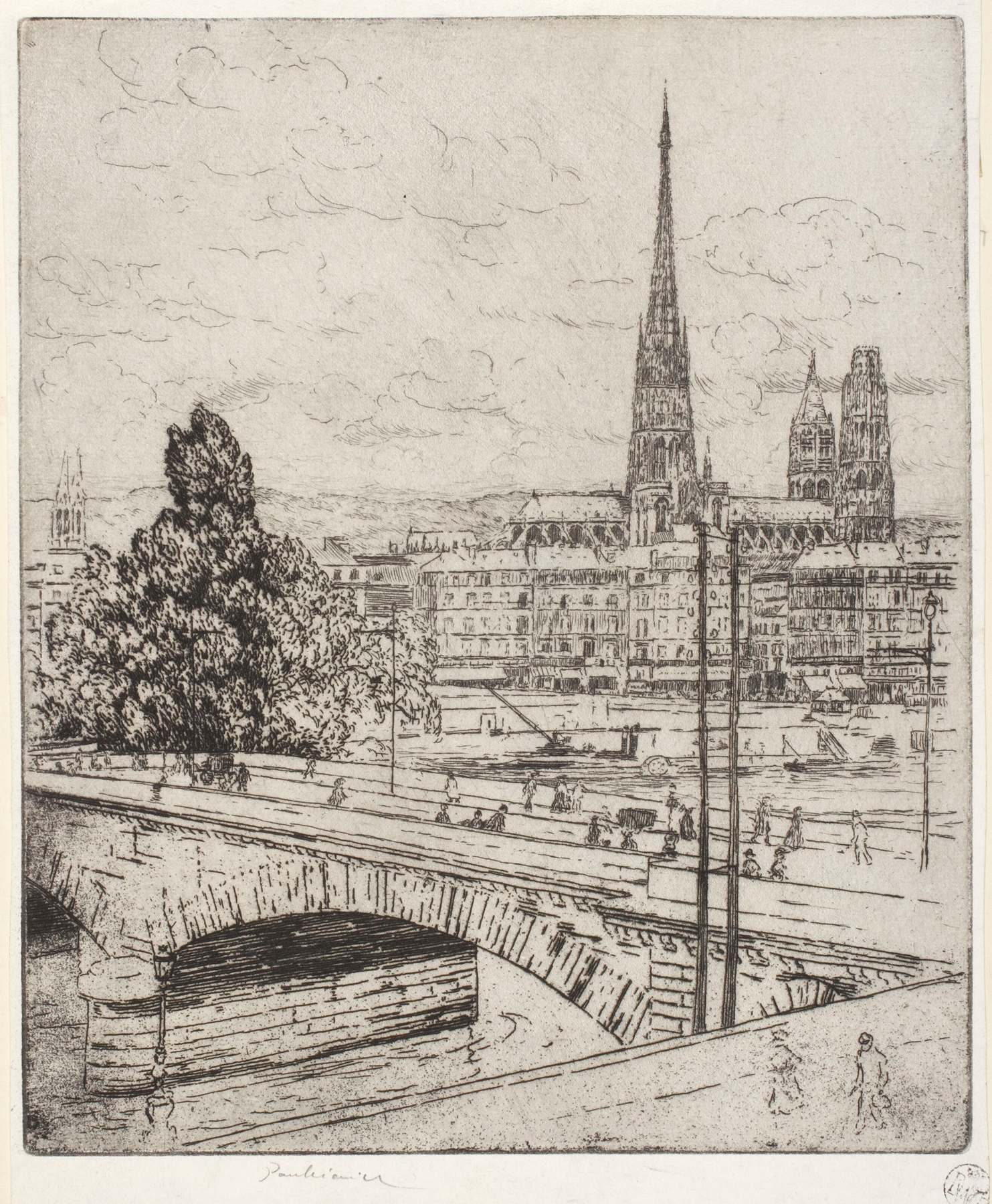
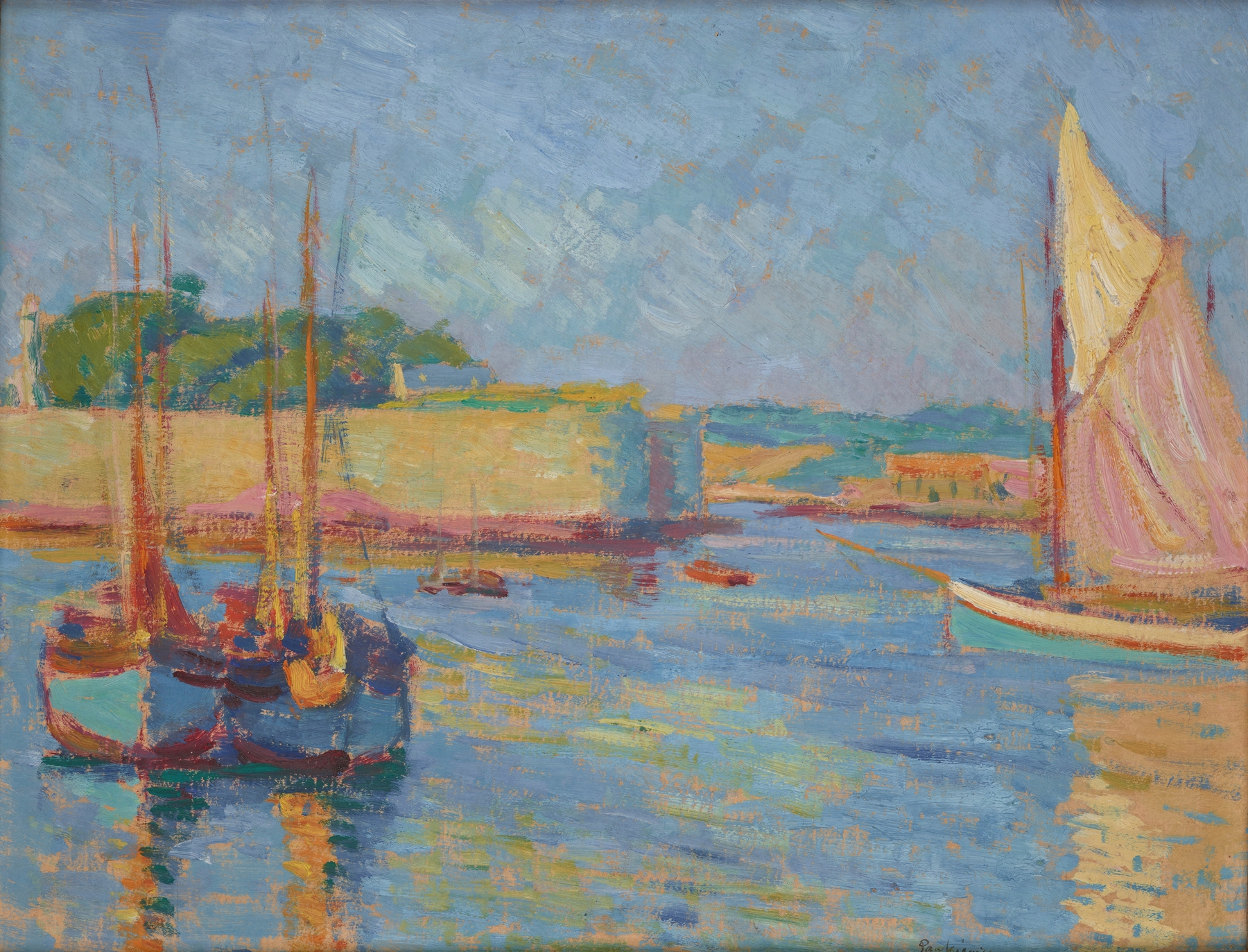
“To paint is to remember what time wants us to forget.” In the face of inevitable decay and the passage of years, the act of capturing beauty becomes an act of resistance against loss. Look to the foreground, where the gentle ripples of the Seine mirror the structure’s grandeur, the blues and greens subtly blending to evoke a lingering sense of nostalgia. Notice how the sun casts a warm glow on the intricate Gothic architecture, illuminating the spires that reach toward the heavens.
The brushwork is loose yet deliberate, allowing the viewer to sense both the strength and fragility of the cathedral, as if it too is aware of its own impermanence. Beneath the serene surface lies a poignant dialogue between stability and transience. The expressive strokes create a sense of movement, as if the viewer stands on the brink of a memory, confronting the ephemeral nature of the scene before them.
The delicate interplay of light and shadow suggests not just the passage of time, but the emotional weight carried by those who have come to witness this place of worship, hinting at their personal losses and the collective history embedded within the stone. In 1903, when this work was created, the artist was entrenched in the vibrant art scene of Paris, a place bursting with modernist ideals yet steeped in historical resonance. Pankiewicz was navigating both personal transitions and broader artistic movements, finding inspiration in the beauty of the city while grappling with the notion that even the most magnificent edifices must eventually yield to time’s relentless march.