Dinan – Jerzual Gate — History & Analysis
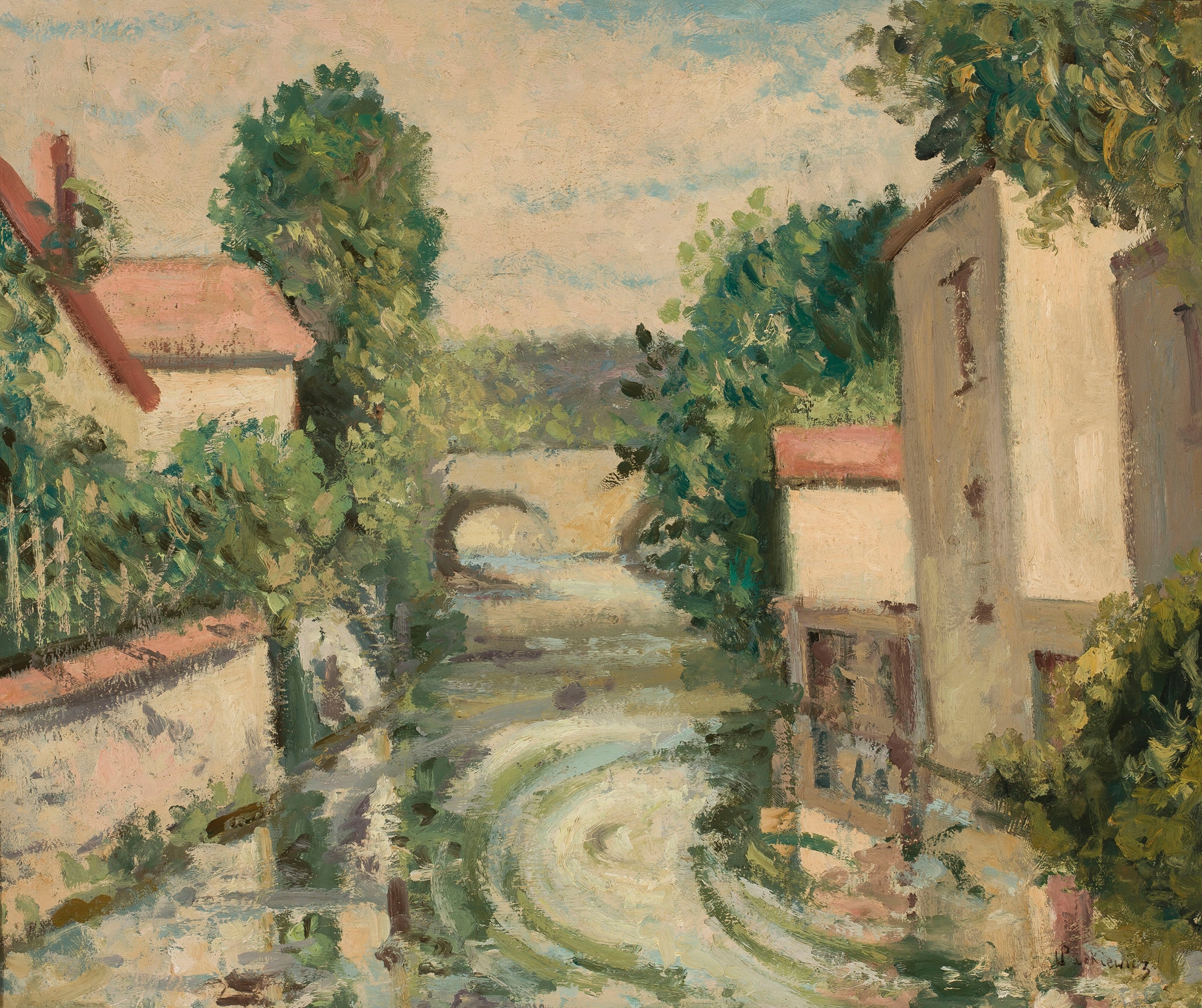
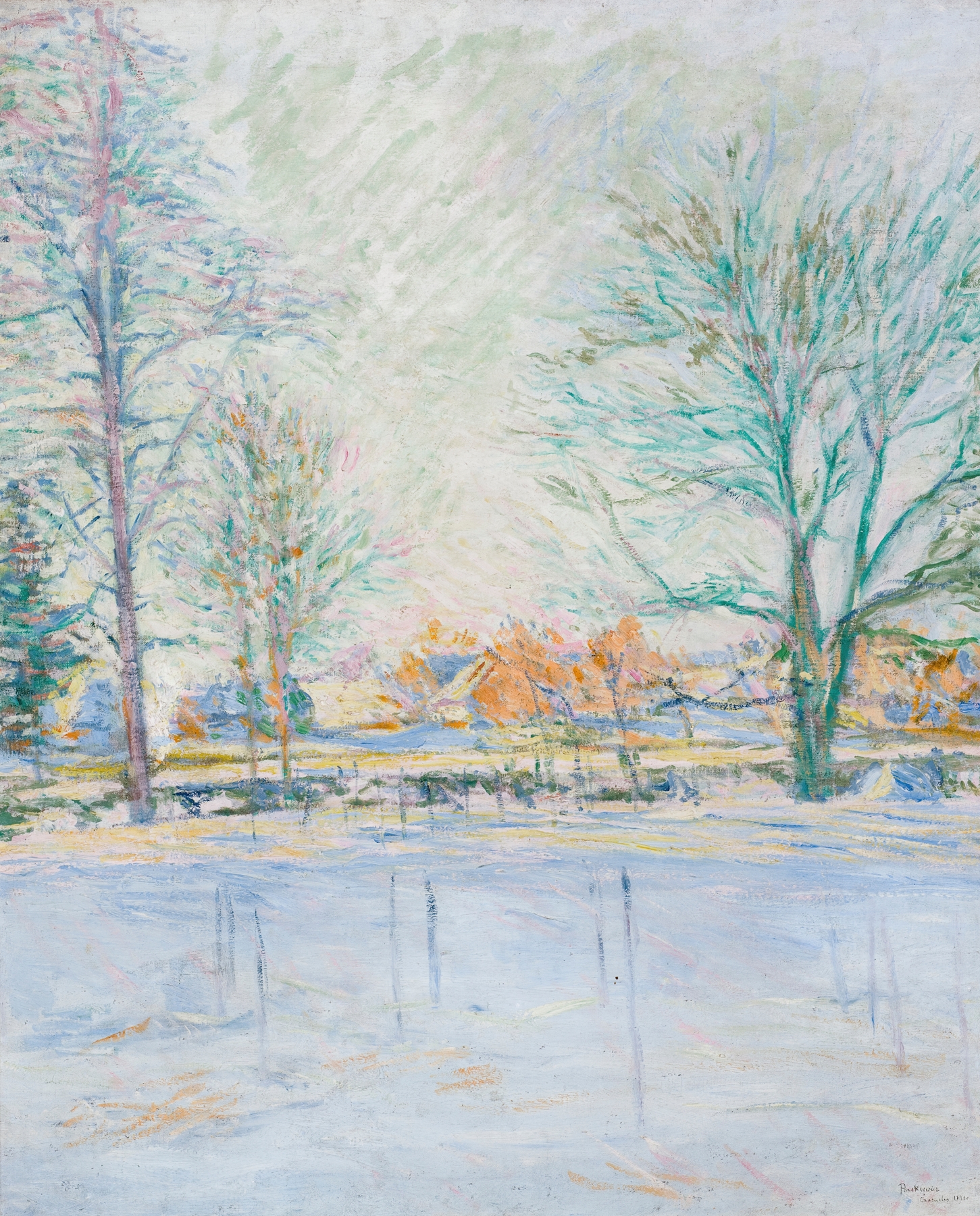
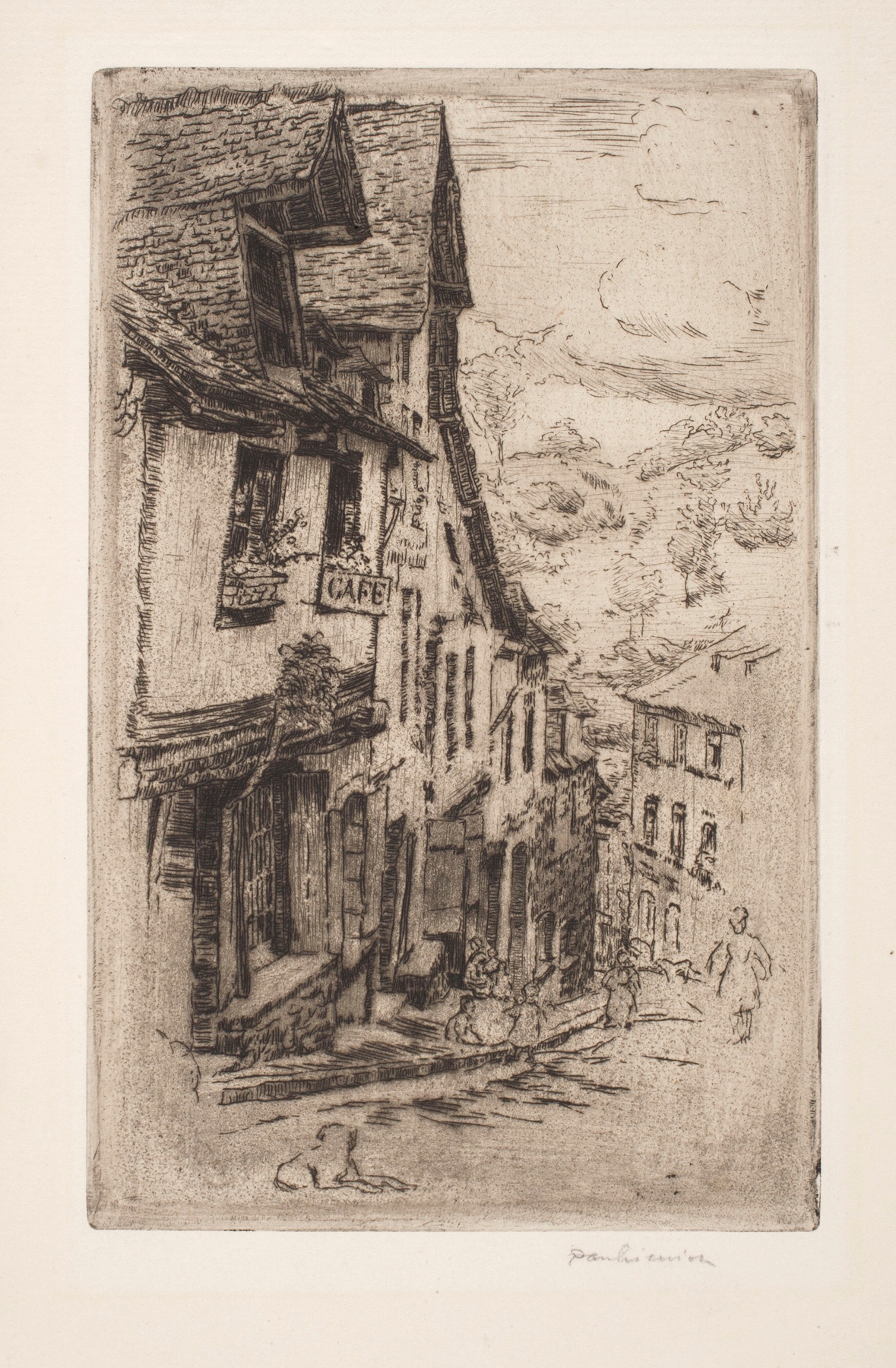
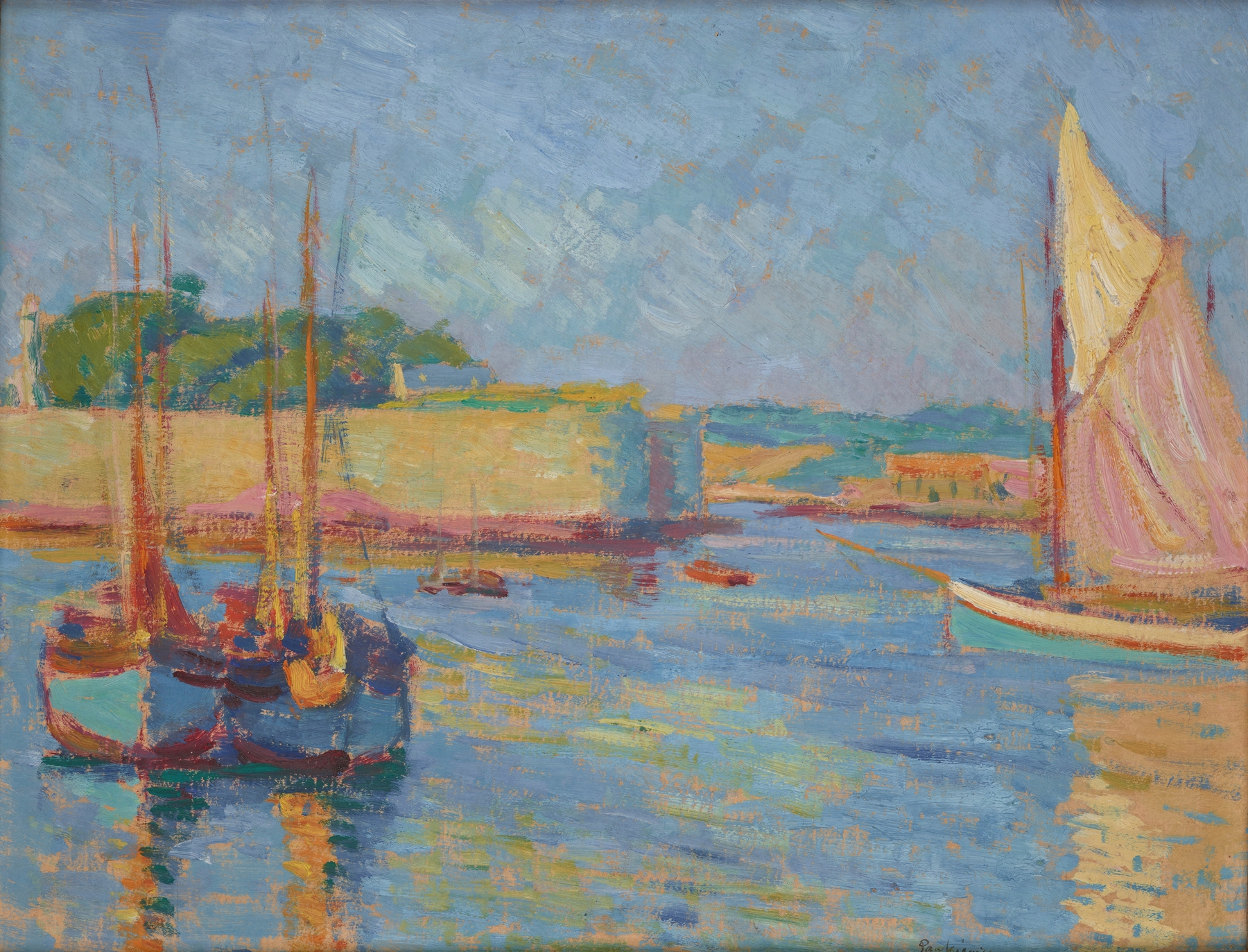
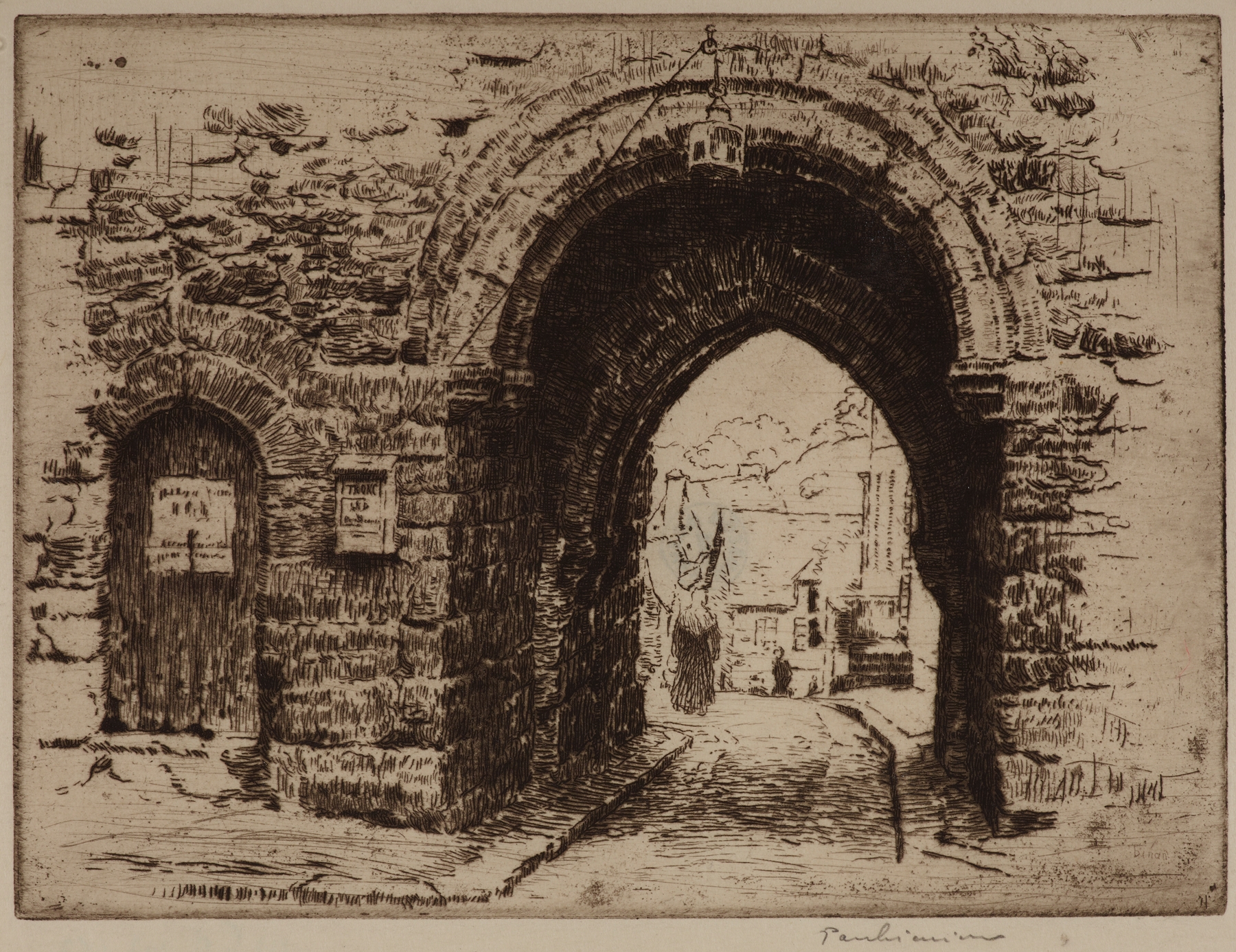
What if silence could speak through light? In Dinan – Jerzual Gate, the colors whisper stories of history, inviting contemplation in a moment that feels both timeless and fleeting. Focus on the vibrant hues that dominate the canvas. The golden yellows of the sun-drenched stones blend seamlessly with deep greens that envelop the surrounding flora. Look closely at the subtle play of light against the textured walls of the gate, where shadows dance and create a dialogue between form and substance.
This juxtaposition of warm and cool tones guides the eye, encouraging a slow exploration of every corner of this scene. Delve deeper into the emotional contrasts evoked by the artist’s brush. The imposing gate stands as a testament to history, yet the soft sunlight caresses it gently, suggesting a moment of peace rather than siege. Notice the way the surrounding nature embraces the structure, symbolizing resilience and continuity amid the passage of time.
Each stroke carries a sense of nostalgia, hinting at stories of those who have wandered through this archway, encapsulating the weight of both memory and solitude. Created in 1906, the work emerged during a period of significant artistic shift for Józef Pankiewicz, who was influenced by the vibrant colors of the French Impressionists. Living in Paris, he was deeply engaged with the avant-garde movements, yet he drew inspiration from his Polish roots. Dinan – Jerzual Gate captures this intersection of influences, as it not only reflects his personal journey but also the broader transformation of the art world at that time.