Landscape — History & Analysis
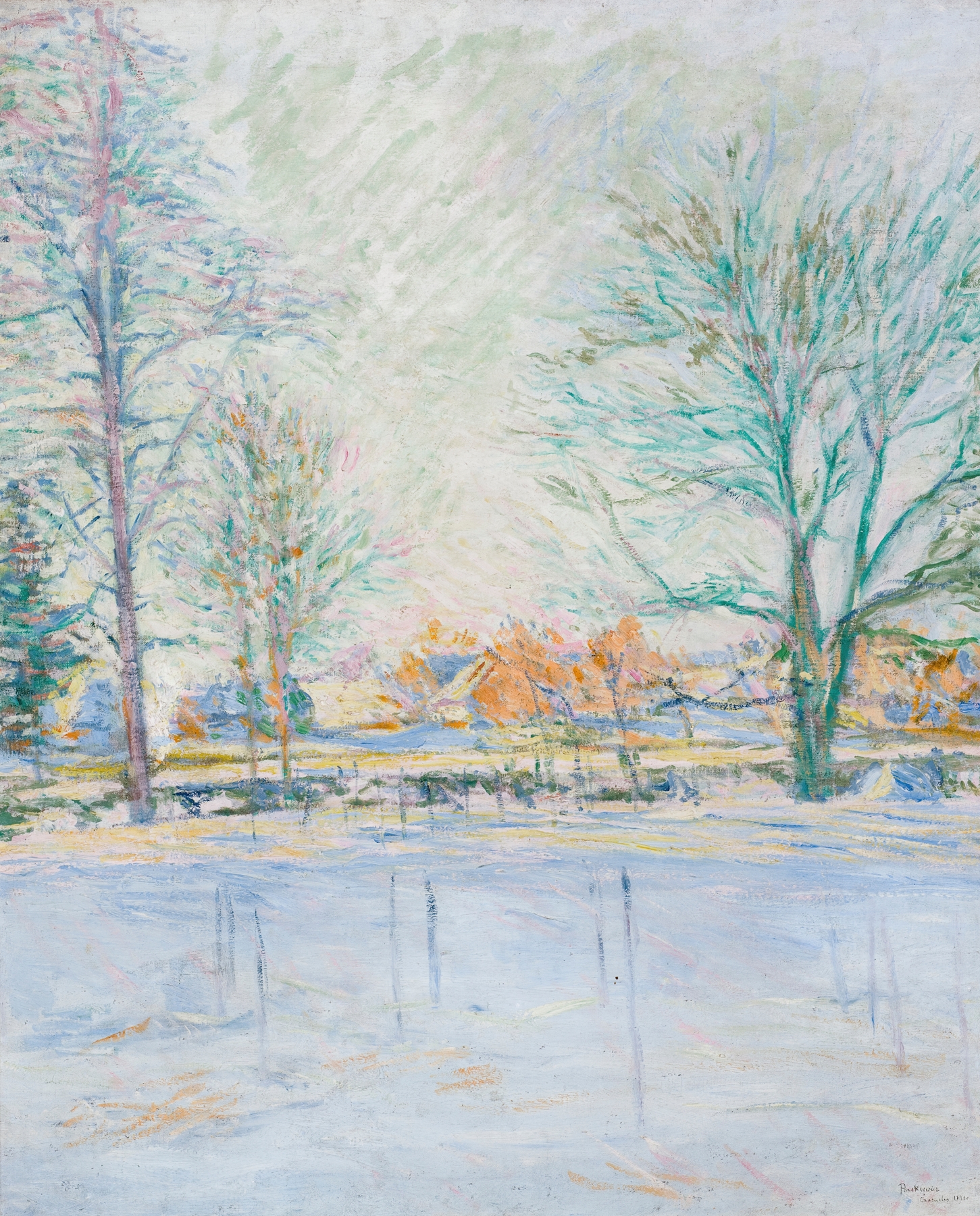
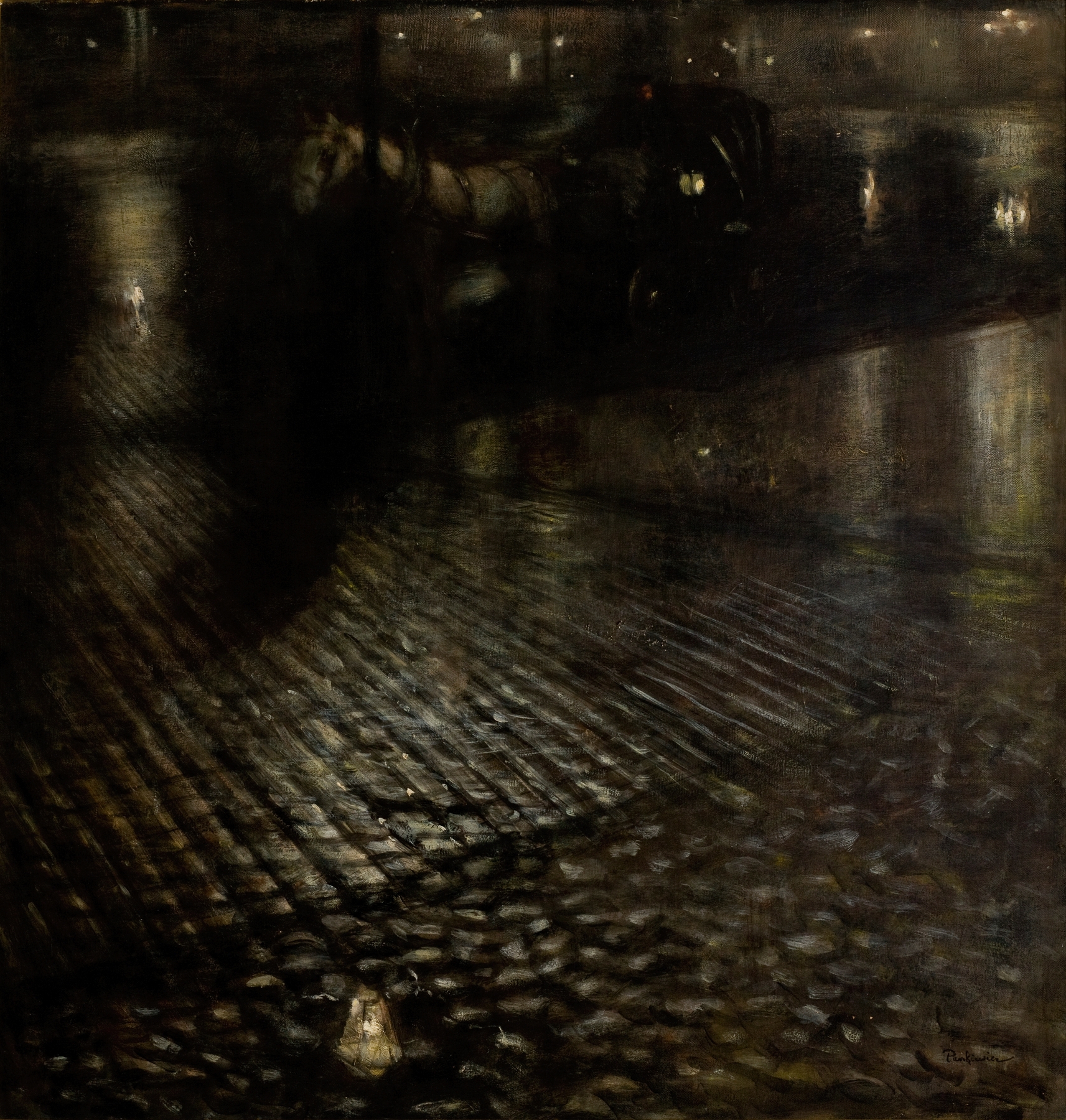
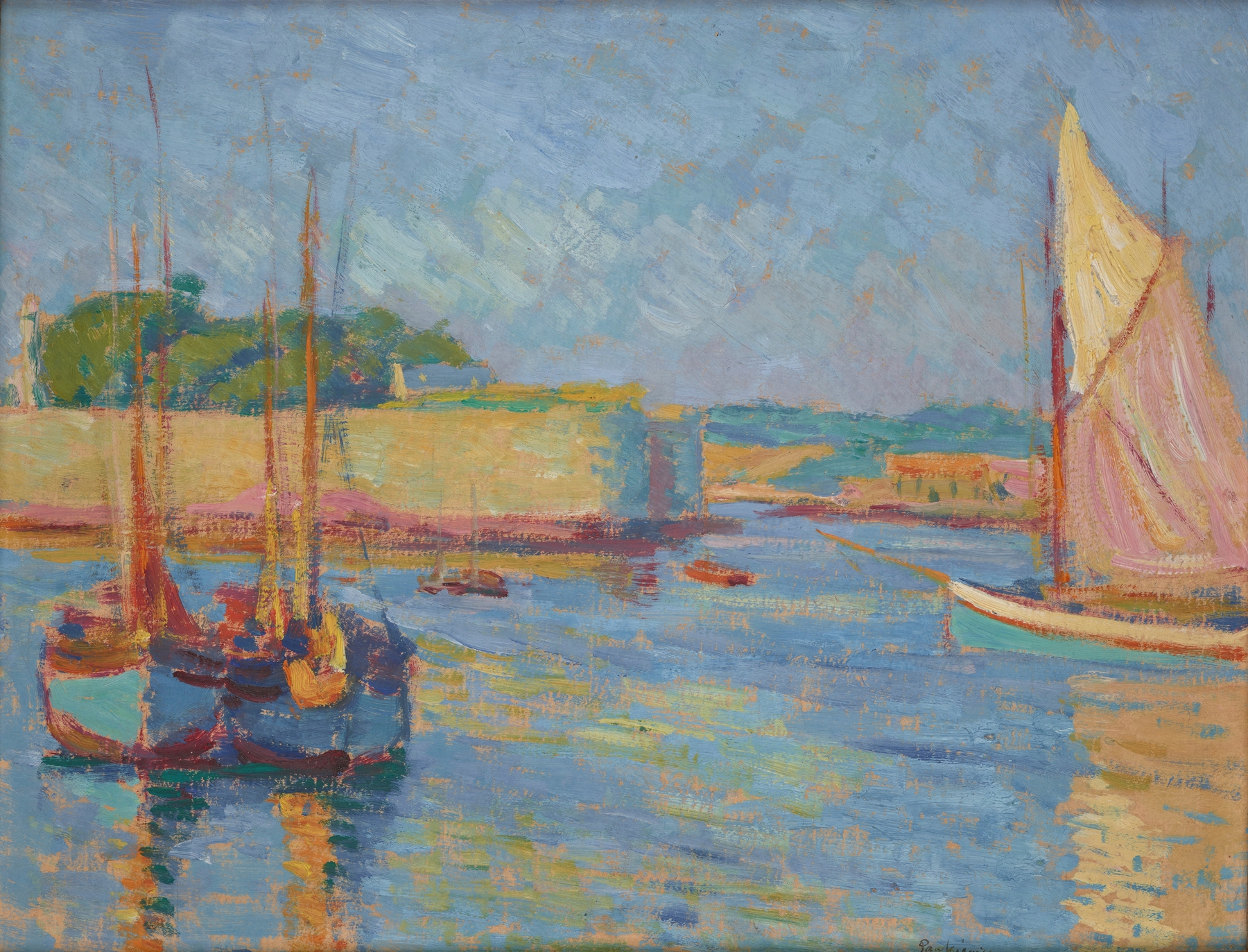
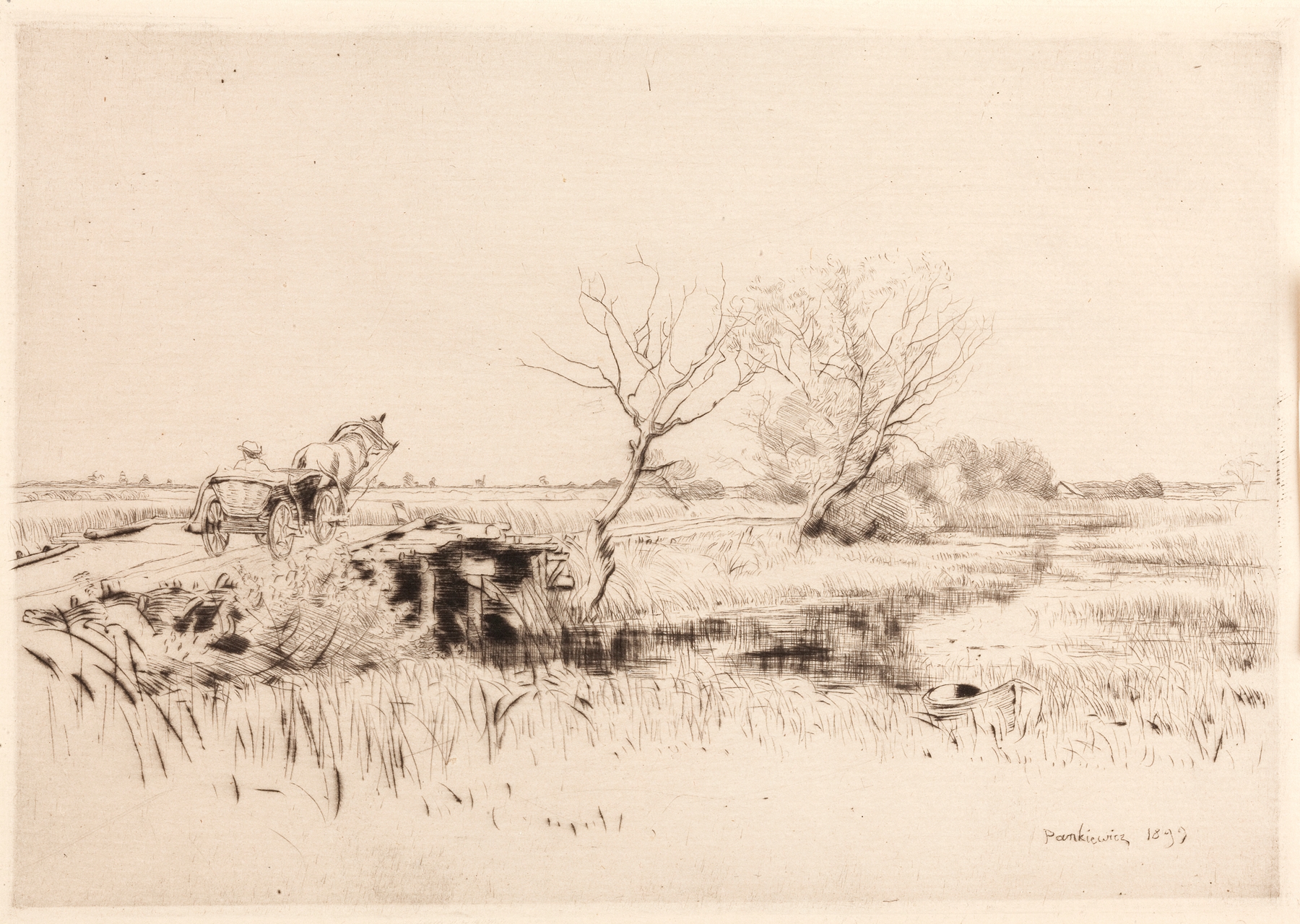
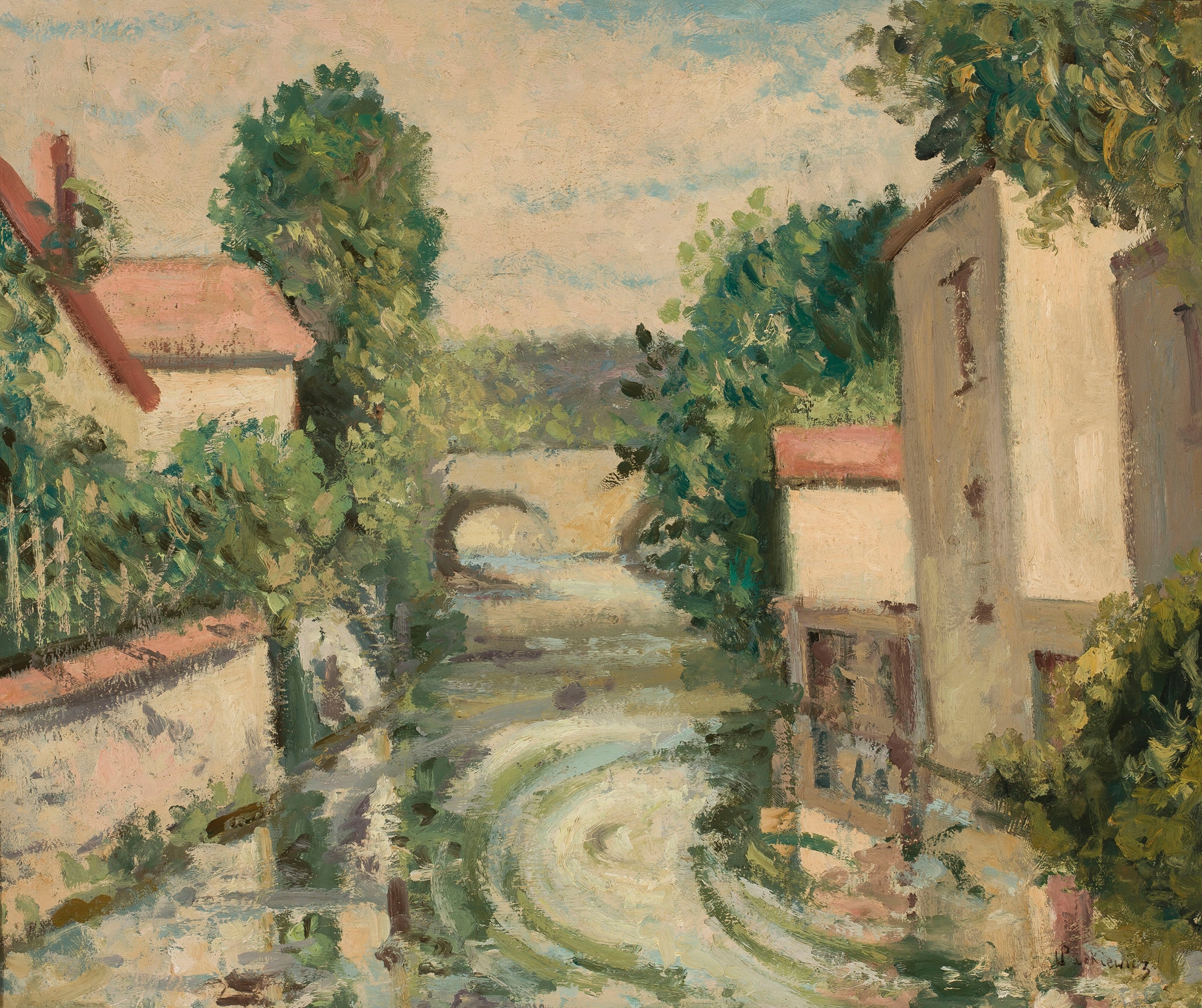
Did the painter know this moment would outlive them? In the stillness of nature, beneath a canopy of soft hues, we find a world that whispers both beauty and loss, inviting contemplation on everything that lies beneath the surface. Look to the left at the gentle swath of greenery that unfolds like a soft quilt across the canvas. The artist's brushstrokes, a blend of muted greens and earth tones, create a tranquil, almost ethereal landscape.
Notice how the light dances through the trees, casting delicate shadows that hint at a hidden depth within the scene. The horizon softly blurs, merging sky and earth, suggesting a realm that exists beyond the immediate, where memories intertwine with time. In this serene tableau, the contrast between the vibrant foliage and the distant, ambiguous horizon evokes a sense of longing. The interplay of light and shadow seems to cradle an unspoken sorrow, inviting the viewer to ponder the impermanence of beauty and life.
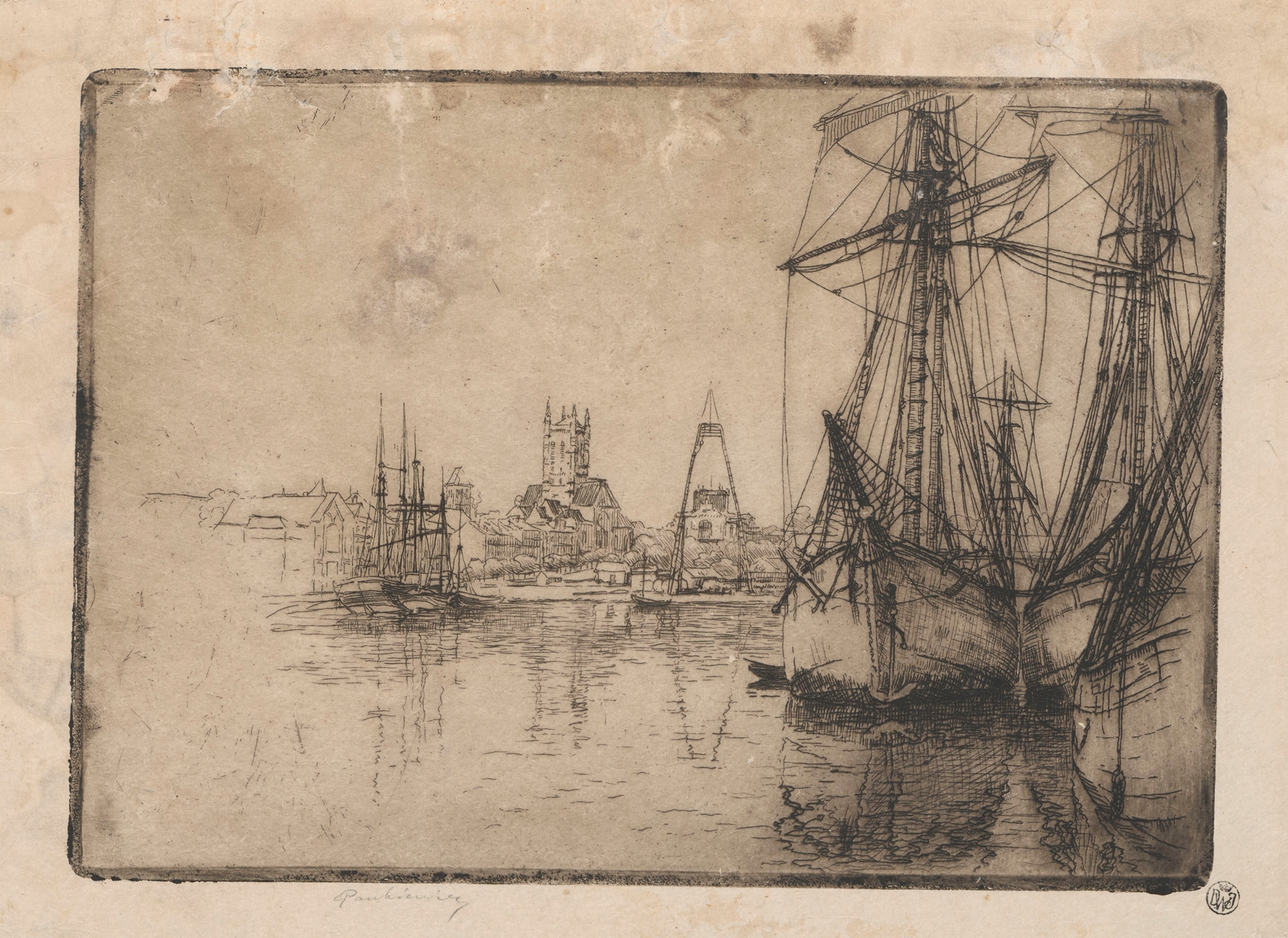
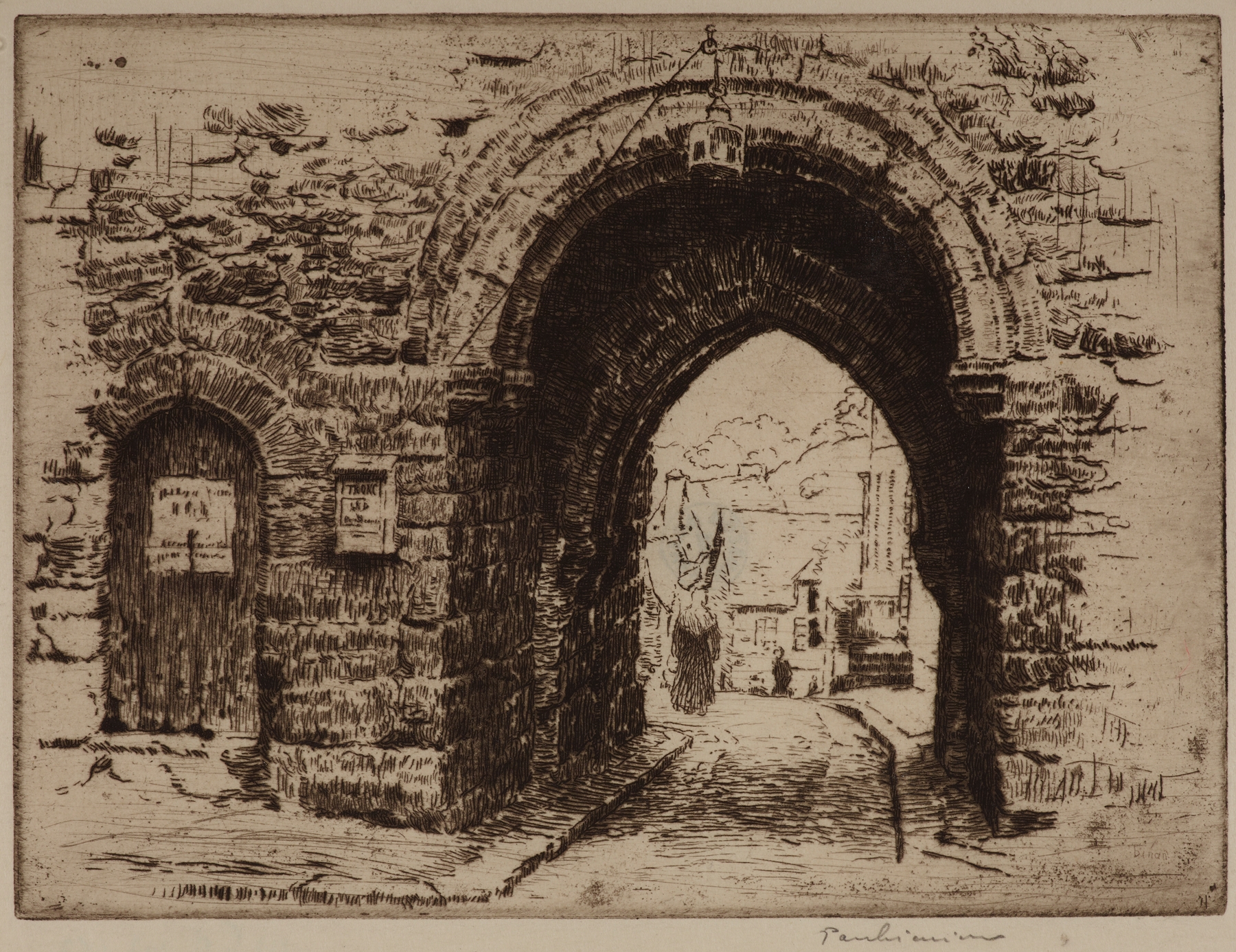
Each stroke captures fleeting moments, perhaps reflecting a personal grief that echoes universally—reminding us that nature, while timeless, cannot escape the weight of loss. Józef Pankiewicz created this work during a period when Impressionism was flourishing, likely while residing in Poland in the late 19th to early 20th century. As the art world embraced new perspectives, he was influenced by both the natural beauty surrounding him and the emotional undercurrents of his experiences, seeking to capture the ephemeral essence of life itself in each brushstroke.