Portrait of a Lady — History & Analysis
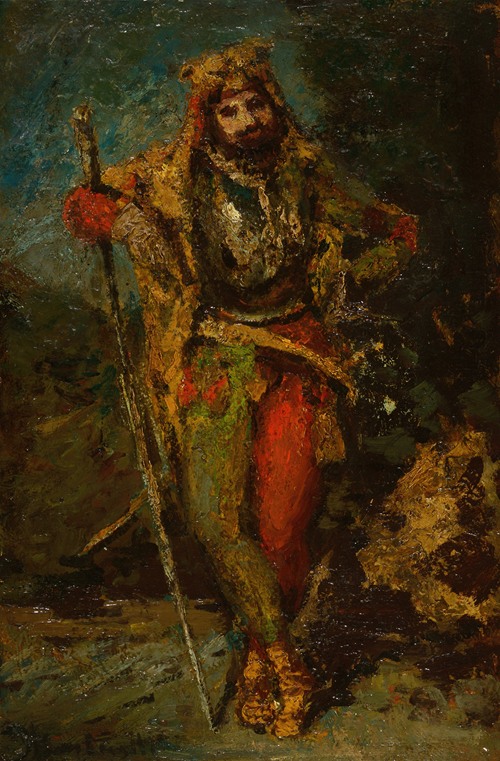
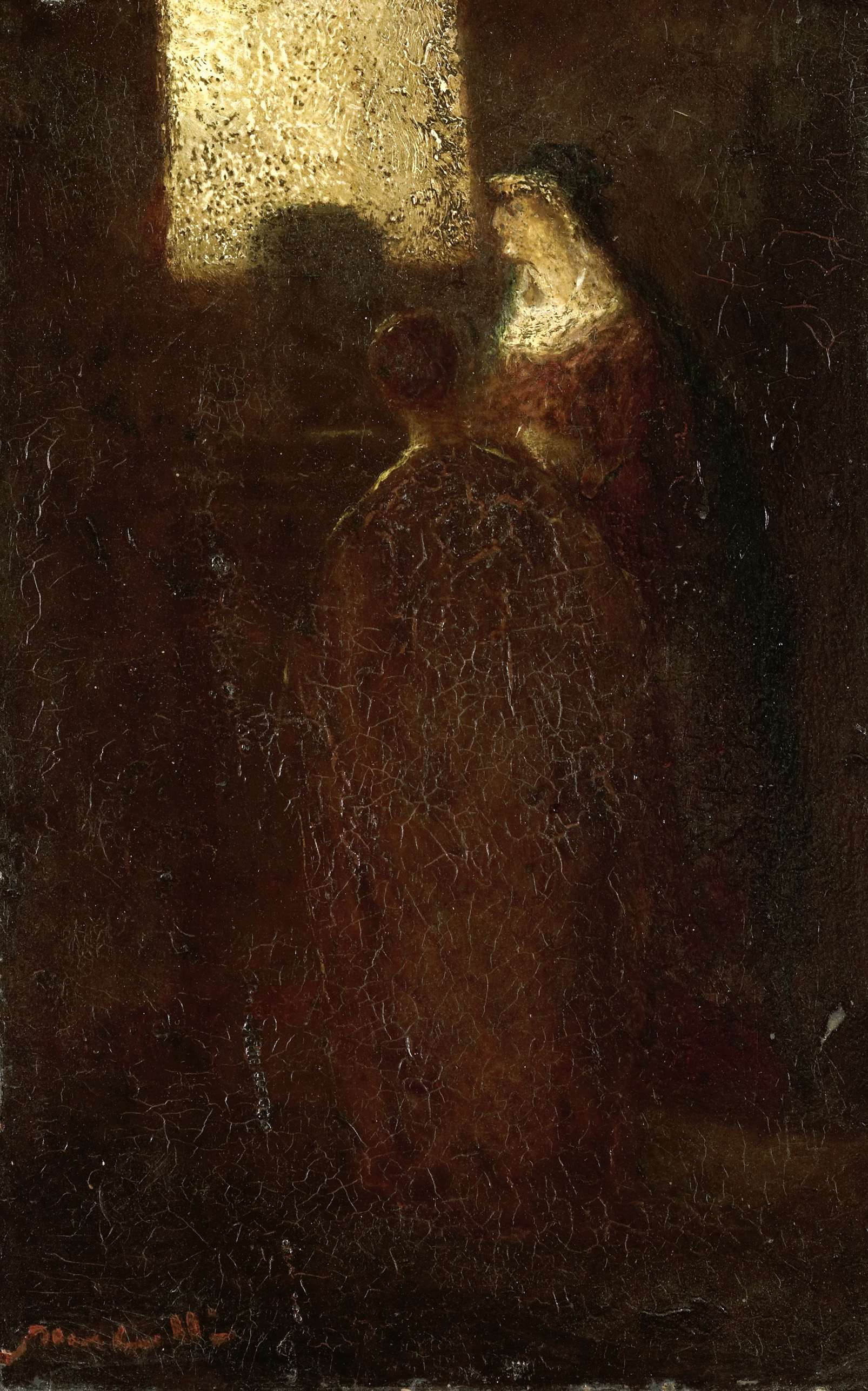
“Every brushstroke is a heartbeat remembered.” In Portrait of a Lady, chaos morphs into beauty, revealing the intricate dance of emotion and identity. The painting invites us to reflect on the layers beneath the surface, each stroke echoing the complexities of existence. Look to the left at the lady's enigmatic gaze, framed by a halo of vibrant hues swirling like a tempest around her. The brilliant colors intertwine, merging with soft pastels that create an ethereal backdrop, contrasting the sharp details of her features.
Notice how the light plays upon her skin, lending her a luminous quality that feels almost alive, while the chaotic brushwork conveys an overwhelming sense of both vitality and turbulence. Within this work lies an exploration of duality—the serene expression of the lady juxtaposed against the tumultuous energy that surrounds her. Each stroke captures not just her likeness, but the very essence of femininity and inner conflict. The wildness of the background amplifies the stillness of her presence, suggesting that beneath the calm exterior lies a storm of thoughts and emotions, a reflection of the societal chaos of her time.
In the late 1870s, Monticelli was forging his path in the art world, residing in Paris, where Impressionism was gaining momentum. This period marked a transition in his style, as he began to embrace bold color and dynamic brushwork, which diverged from the more traditional approaches of his contemporaries. The societal shifts and artistic experimentation of the era propelled him into a new realm of expression, as evident in this poignant portrayal.