The Princesses — History & Analysis
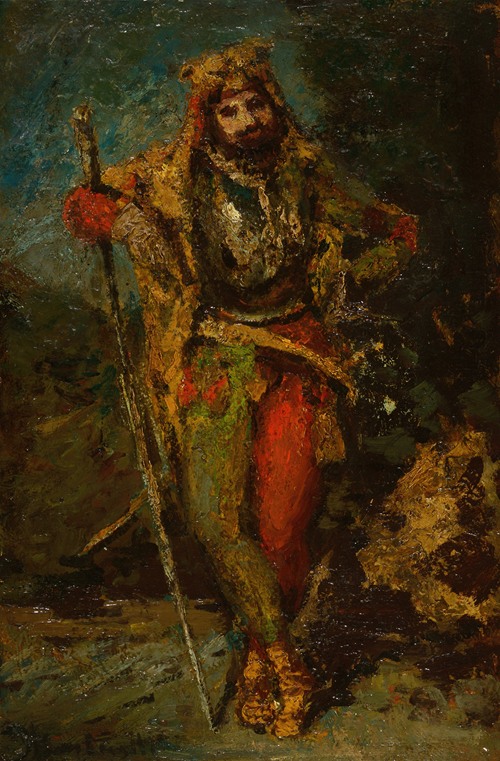
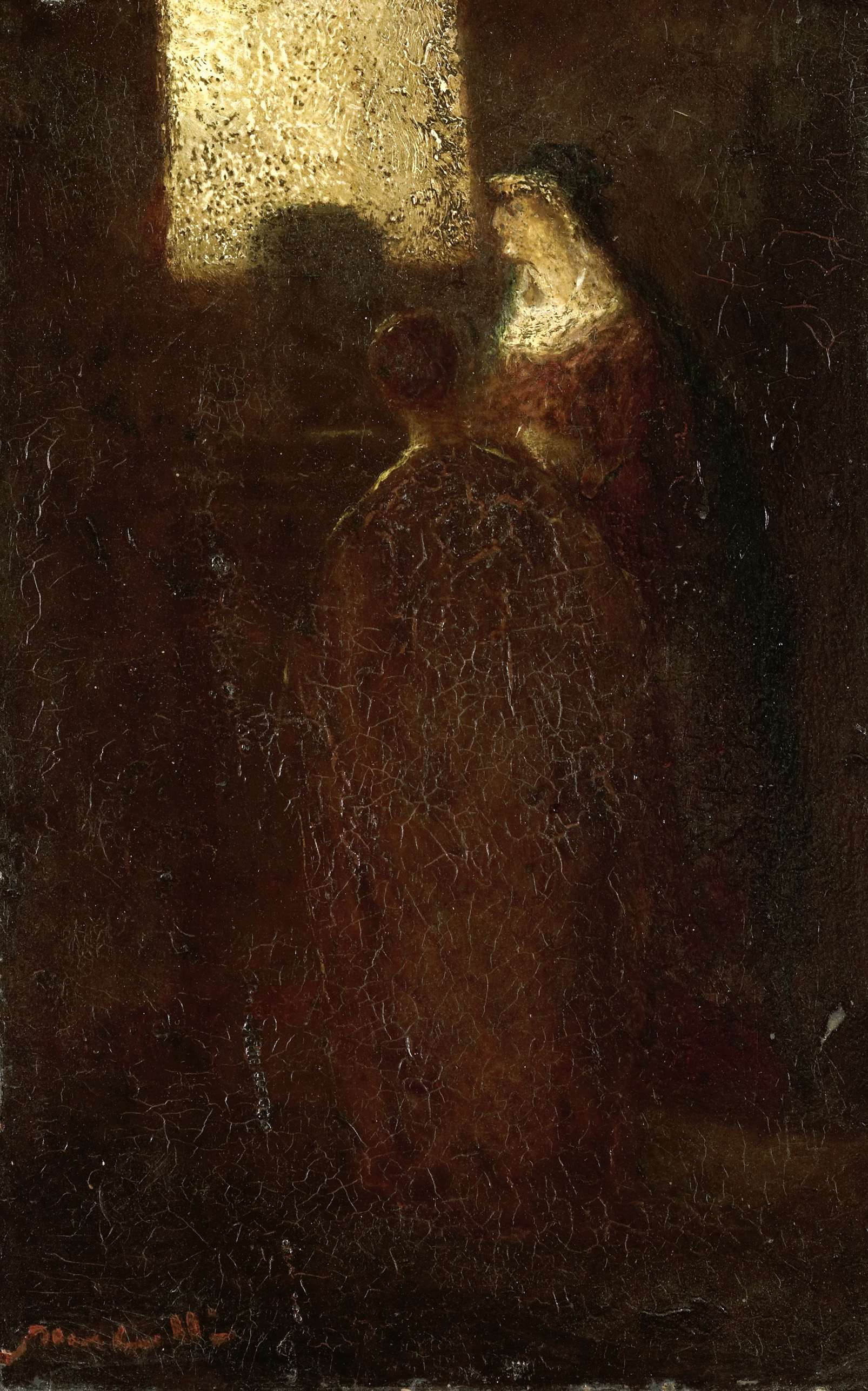
Could beauty survive in a century of chaos? This poignant question resonates through Monticelli’s captivating work, The Princesses, inviting us to explore layers of grace amidst turmoil. Focus on the figures at the forefront, their elegant forms enveloped in an ethereal harmony of color. Notice how luminous pastels intertwine with deeper hues, creating a dreamlike ambiance that surrounds the princesses. The soft brushstrokes evoke a sense of movement, as if the fabric of their gowns dances with an unseen breeze.
Every detail, from the delicate floral motifs to the ornate headdresses, serves as a visual symphony, celebrating femininity and allure. Delve deeper into the contrasts that define this piece. The juxtaposition of softness and strength in the princesses' poses suggests resilience, while the vibrant yet chaotic background hints at a world fraught with unrest. Here, beauty is not merely ornamental; it embodies hope amid uncertainty.
The faces of the women, imbued with serene expressions, invite contemplation on the endurance of grace in a tempestuous era, suggesting that even in darkness, there is light. Created around 1870, The Princesses emerges from a period marked by social upheaval and artistic experimentation. Monticelli, an influential figure in the Post-Impressionist movement, painted this work during his time in Paris, where he was immersed in a rich dialogue with contemporary artists and the changing dynamics of the art world. The painting reflects not only his unique stylistic innovations but also the broader cultural shifts that questioned traditional representations of beauty and femininity.