The Fairies — History & Analysis
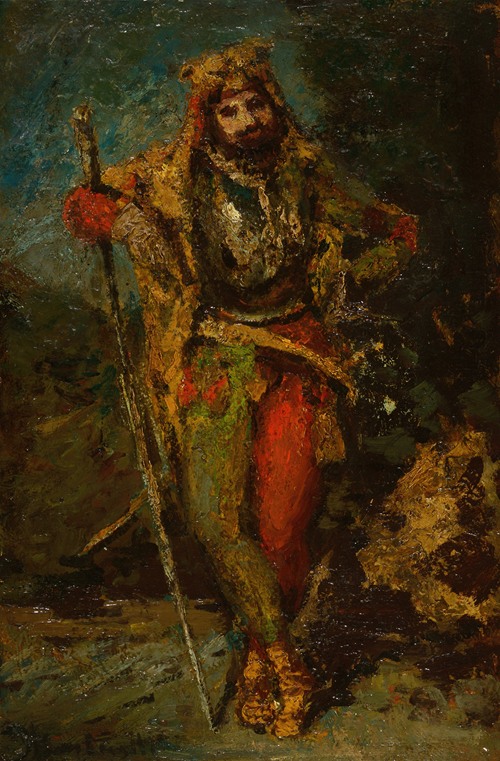
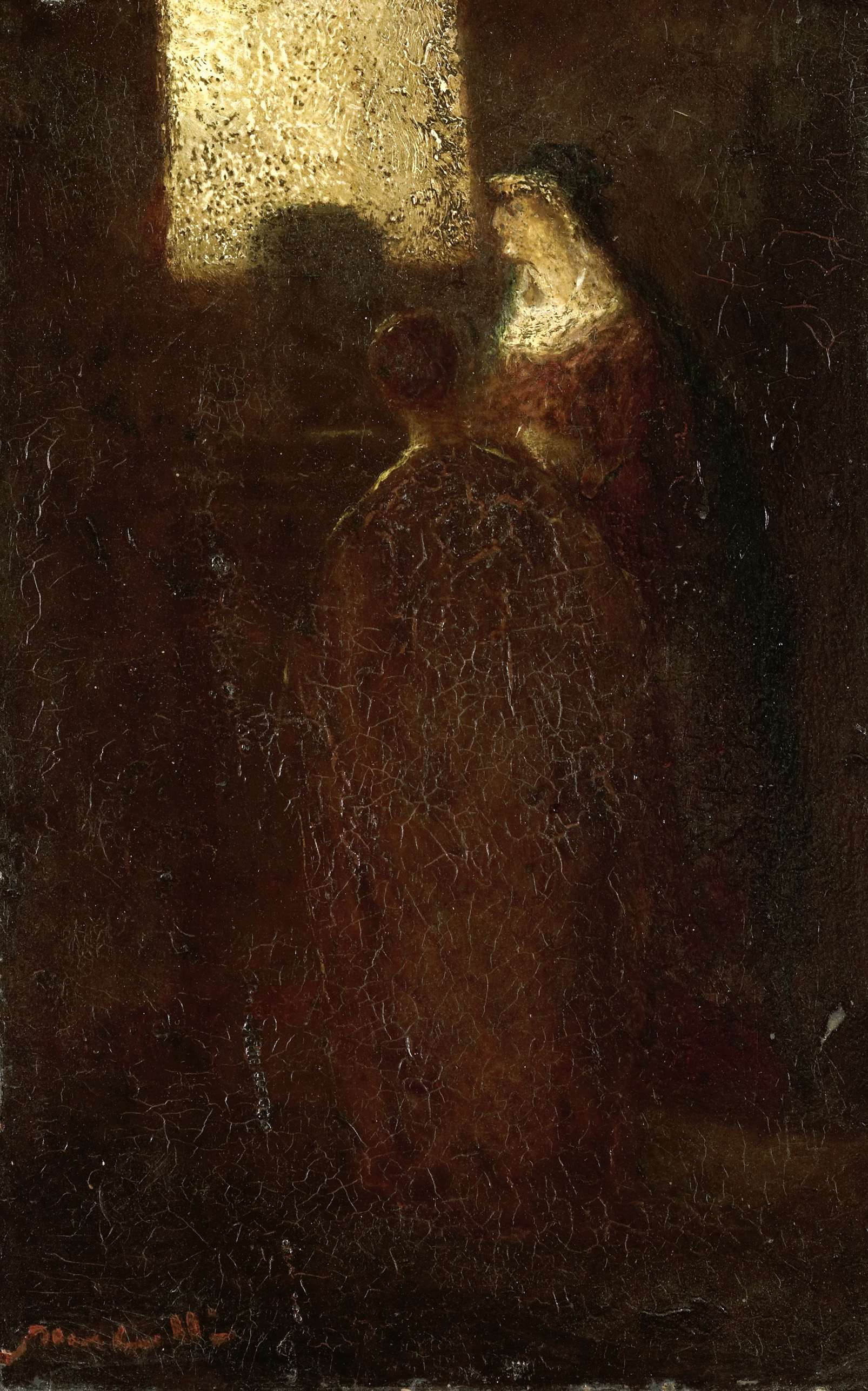
“Art reveals the soul when the world turns away.” This delicate notion echoes through the vibrant, swirling colors of this piece, where a deeper fragility lies beneath its surface. It invites us to peer beyond the enchanting spectacle and confront the vulnerability of existence itself. Focus first on the central figures, ethereal beings swirling in a dance of pastel harmonies. Look closely at the layers of brushstrokes that create an almost palpable texture, pulling you into the depths of their world.
The contrasting hues of soft pinks and blues evoke a dreamlike atmosphere, while the dappled light plays across the figures, illuminating their delicate forms and lending them an air of otherworldliness. Here, the artist’s technique—bold yet tender, vibrant yet fleeting—mirrors the transient nature of beauty itself. Delve deeper, and you will find the tension between the joyous movement of the fairies and the darker undertones of the background. This juxtaposition suggests a fragile balance between the lightness of their dance and the lurking shadows that threaten to encroach.
The viewer can sense both freedom and confinement, as if the fairies are caught in a moment that could dissolve at any second—a poignant reflection on the ephemeral quality of joy itself. In the 1870s, Monticelli was living in Paris, amidst a burgeoning art scene that embraced Impressionism and the exploration of color. During this period, he grappled with his own identity as an artist, experimenting with techniques that blurred traditional boundaries. The Fairies emerged from this vibrant milieu, encapsulating the delicate interplay of reality and fantasy, inviting viewers to explore the hidden depths of their own emotions.