
Portret van Frederik III de Wijze, keurvorst van Saksen — History & Facts
Is this a mirror — or a memory? The portrait reveals its subject with an intensity that invites contemplation of time's passage and the truths that lie beneath the surface. Look to the left at the noble figure, presented with regal confidence and a dignified stance. The careful rendering of his features showcases Dürer's mastery in capturing flesh and fabric, where light dances upon richly colored garments. Notice how the intricate patterns of the robe contrast with the somber background, emphasizing the weight of the man's presence as he gazes outward, a blend of authority and vulnerability. Delve deeper into the subtle details, such as the slight wear at the edges of his attire, hinting at life's impermanence.
The positioning of the hands, clasped yet relaxed, suggests a man at ease with his mortality, while the muted palette evokes a sense of somber reflection. Each stroke serves not just to define the man, but to echo the unspoken question of legacy and the inevitable passage of time. Painted in 1524 during a period of personal and artistic transition for the creator, this work reflects Dürer’s engagement with humanist ideals and the evolving role of portraiture. Living in Nuremberg, he was fully immersed in the cultural shifts of the Renaissance, where the exploration of individuality in art began to flourish.
This portrait captures both the essence of its subject and the larger dialogue of mortality and legacy that permeated the era.
More Artworks by Albrecht Dürer

Melancholia
Albrecht Dürer

St. George and the dragon.
Albrecht Dürer
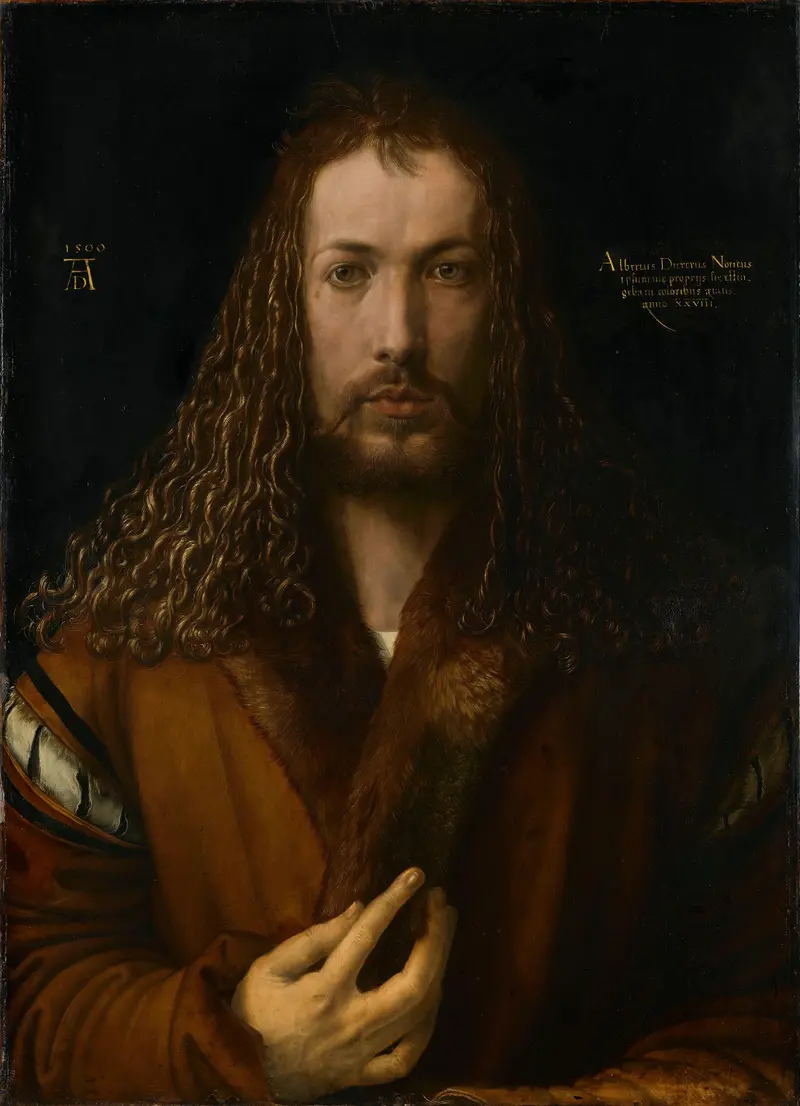
Self-Portrait with Fur-Trimmed Robe
Albrecht Dürer

Wing of a European Roller
Albrecht Dürer
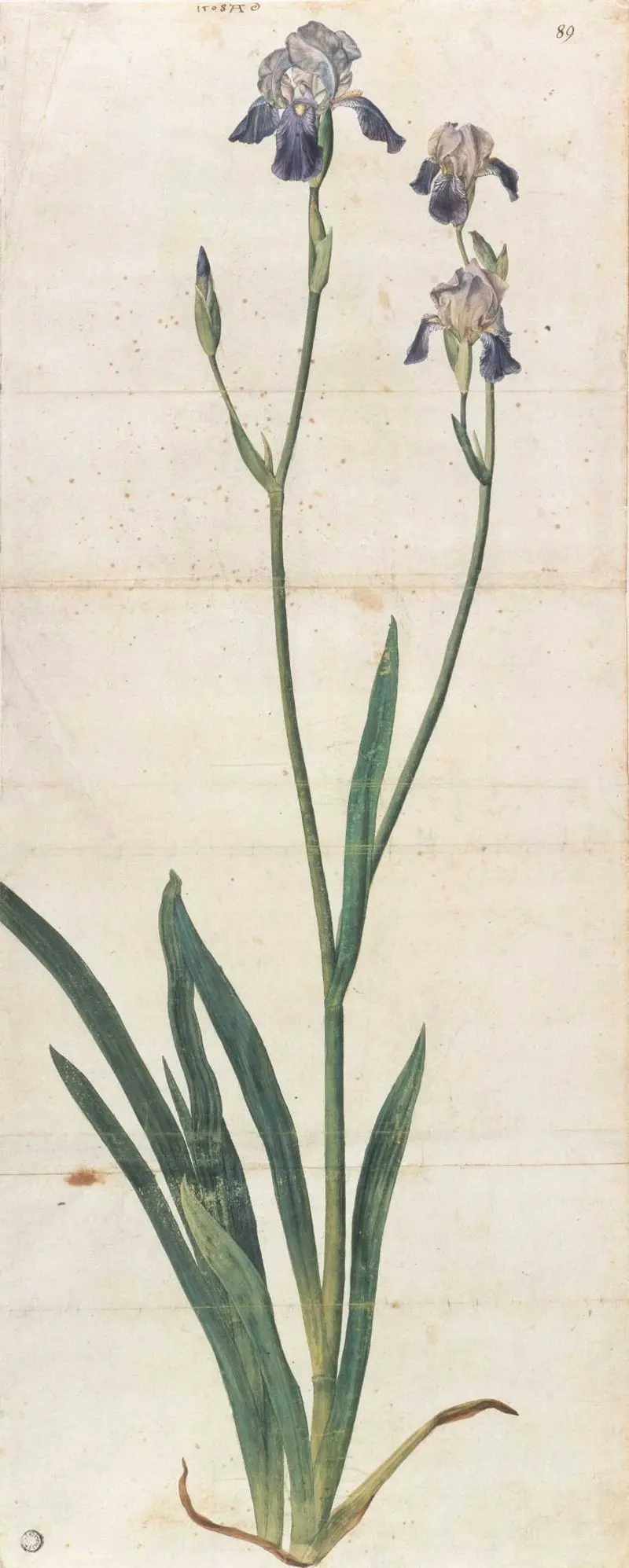
Iris
Albrecht Dürer
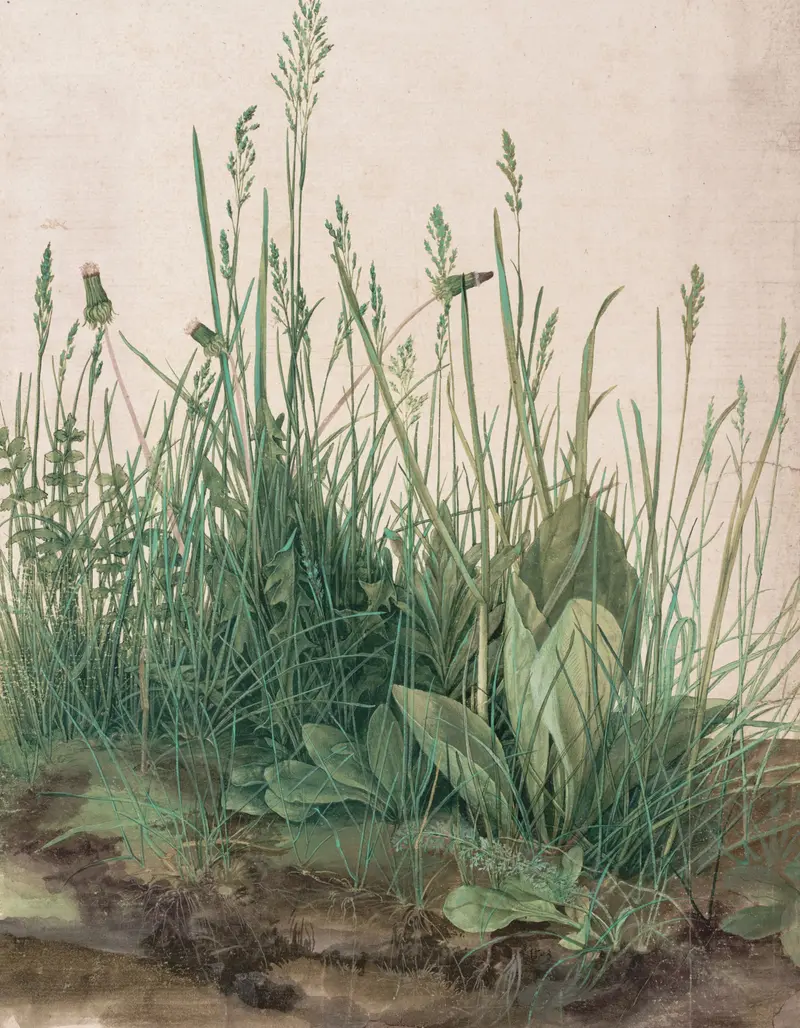
The Great Piece of Turf
Albrecht Dürer
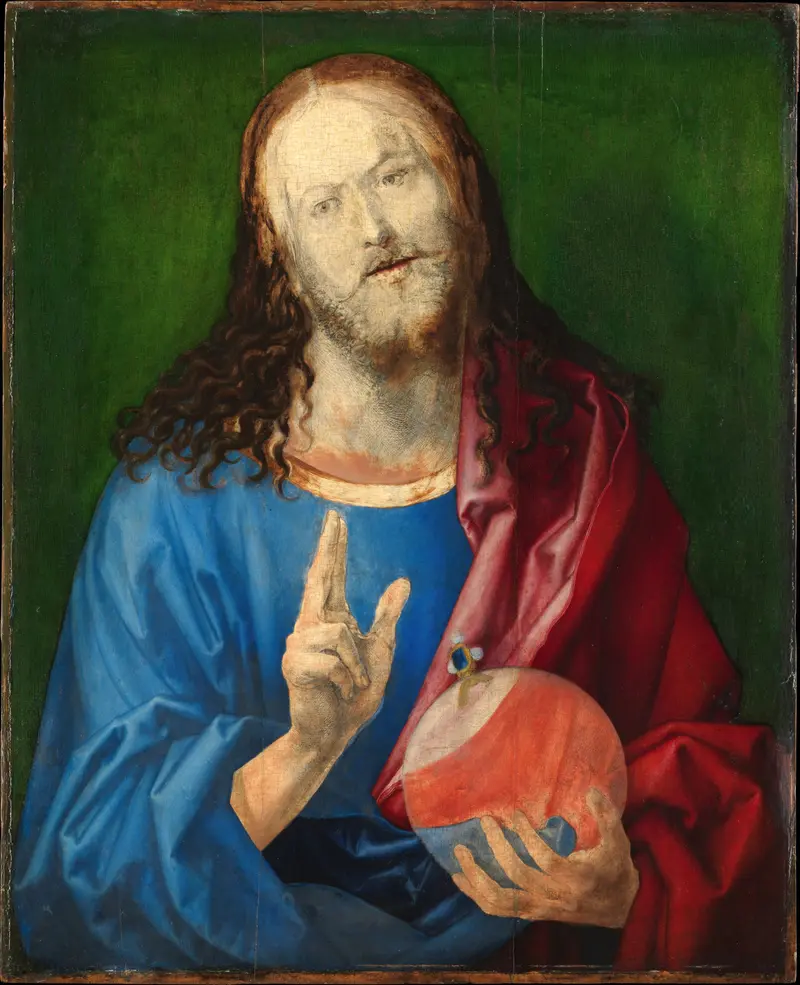
Salvator Mundi
Albrecht Dürer
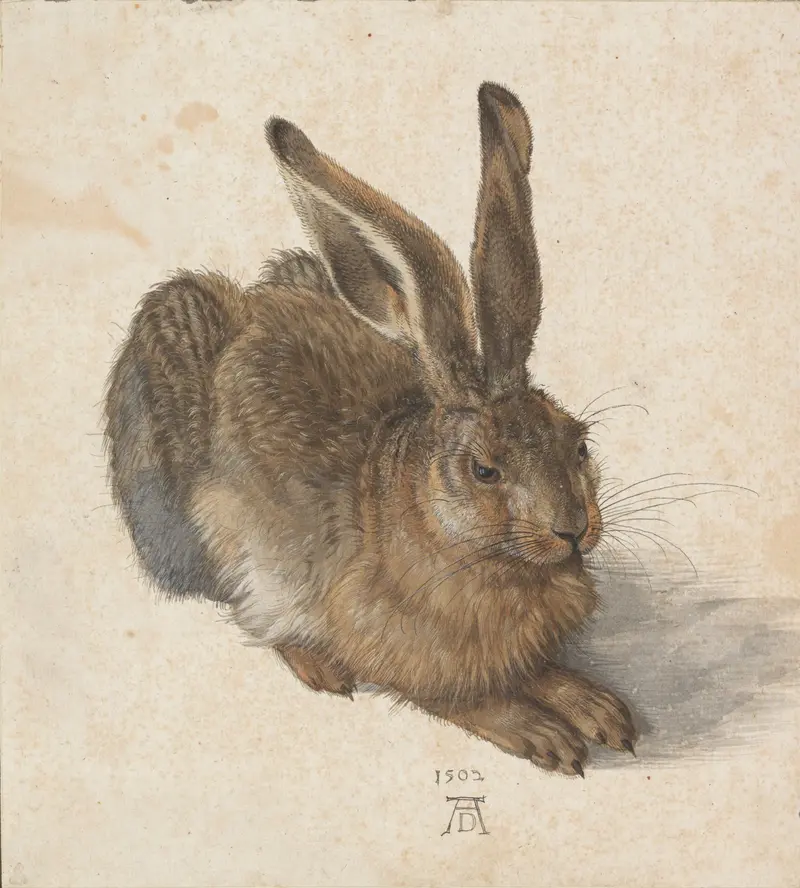
Young Hare
Albrecht Dürer
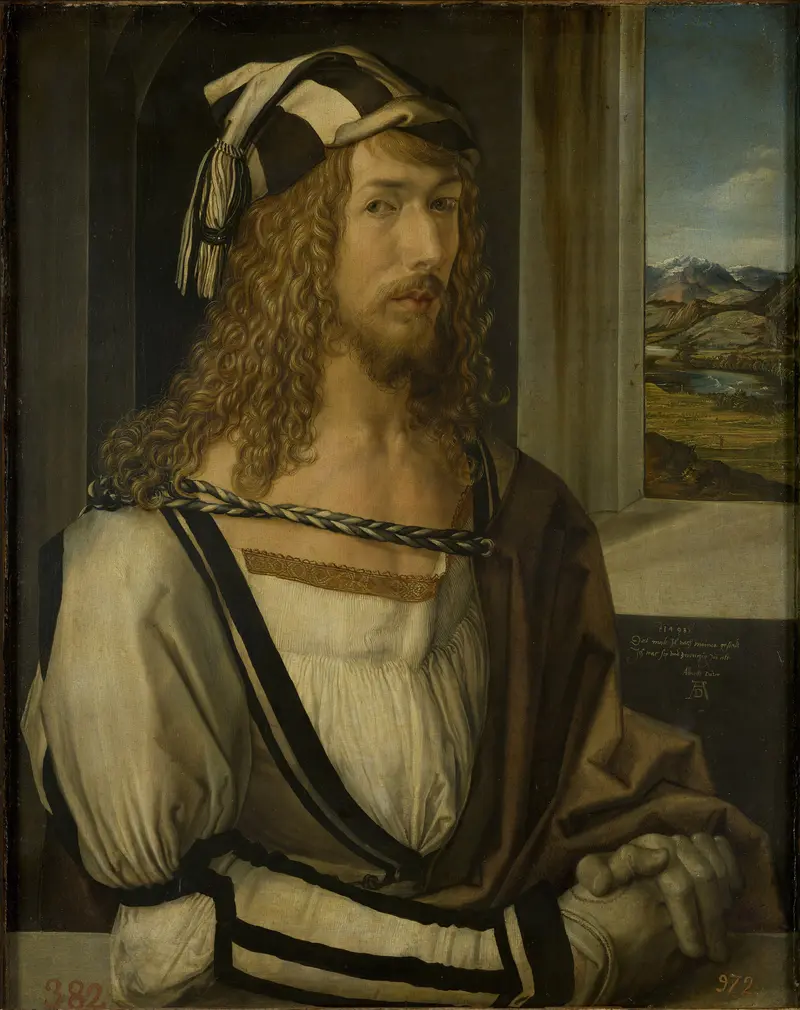
Self-portrait
Albrecht Dürer
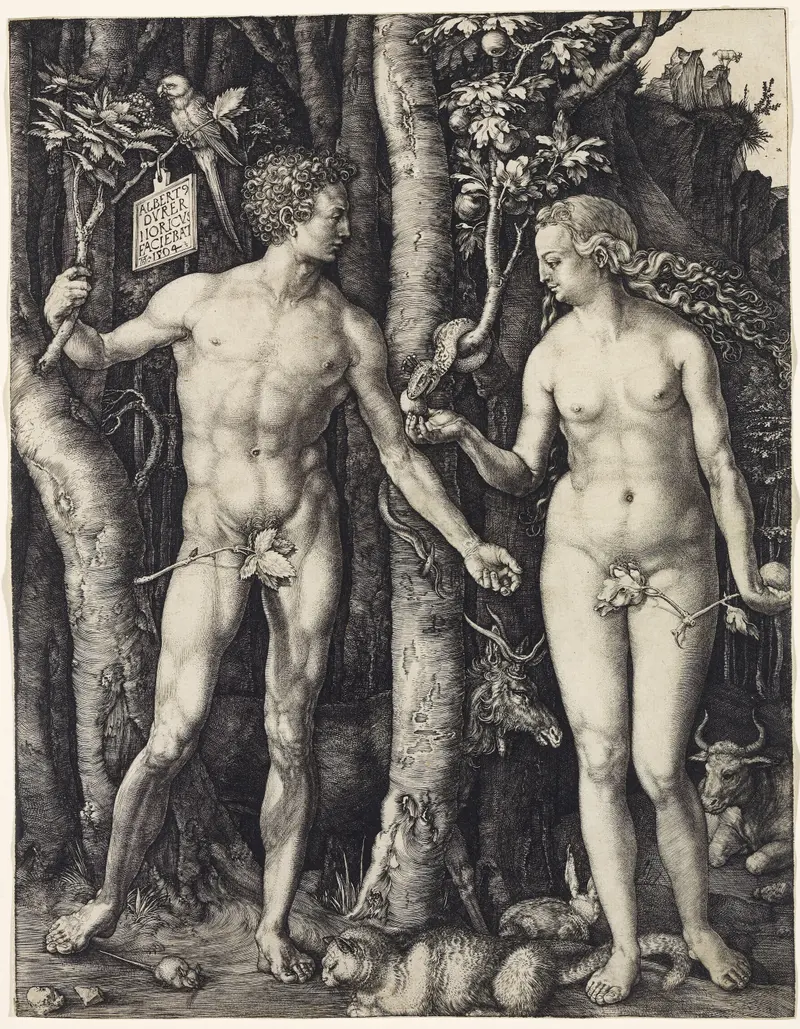
Adam and Eve (The Fall of Man)
Albrecht Dürer





