Portret van Hendrik VIII van Engeland — History & Analysis
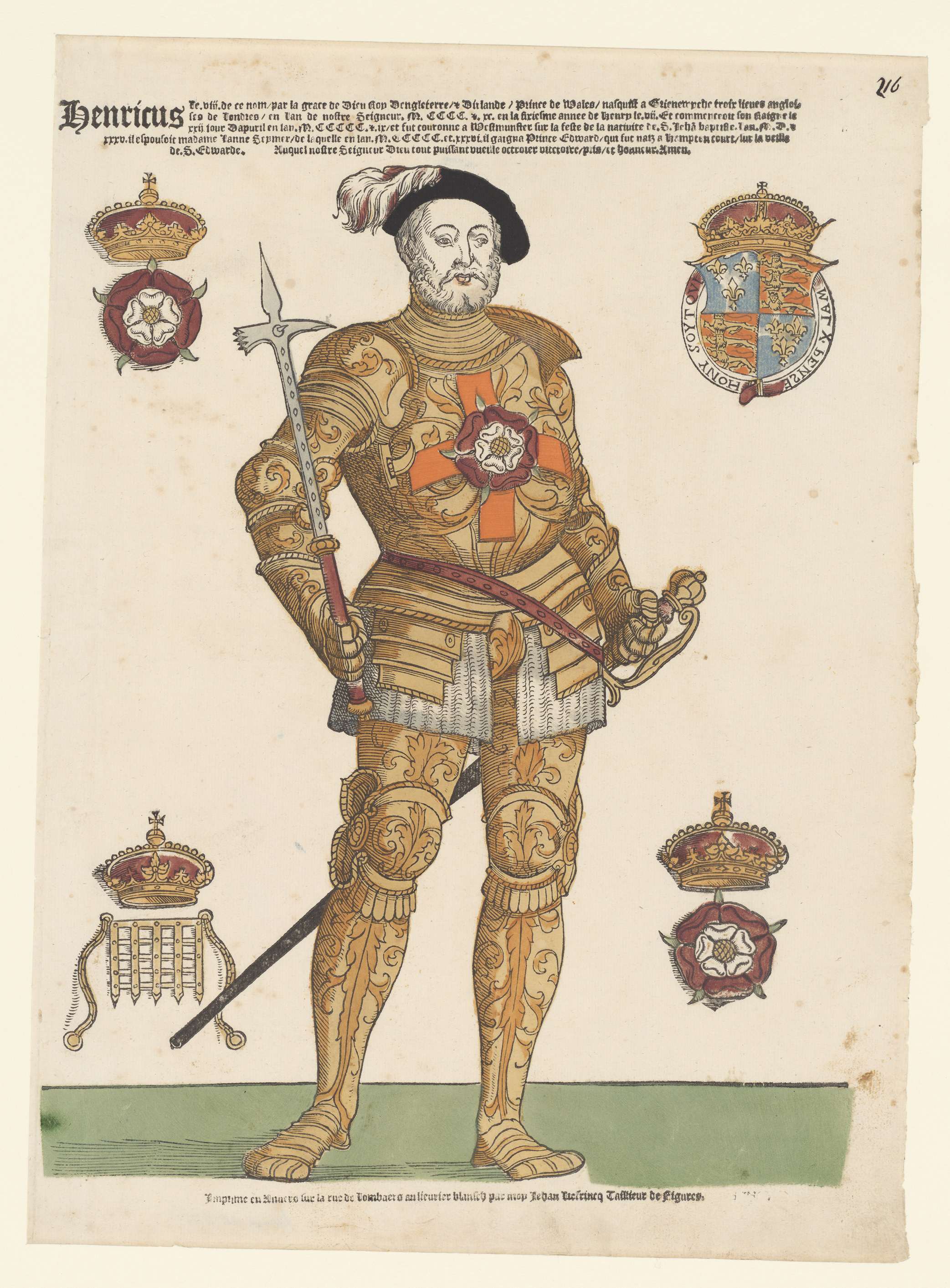
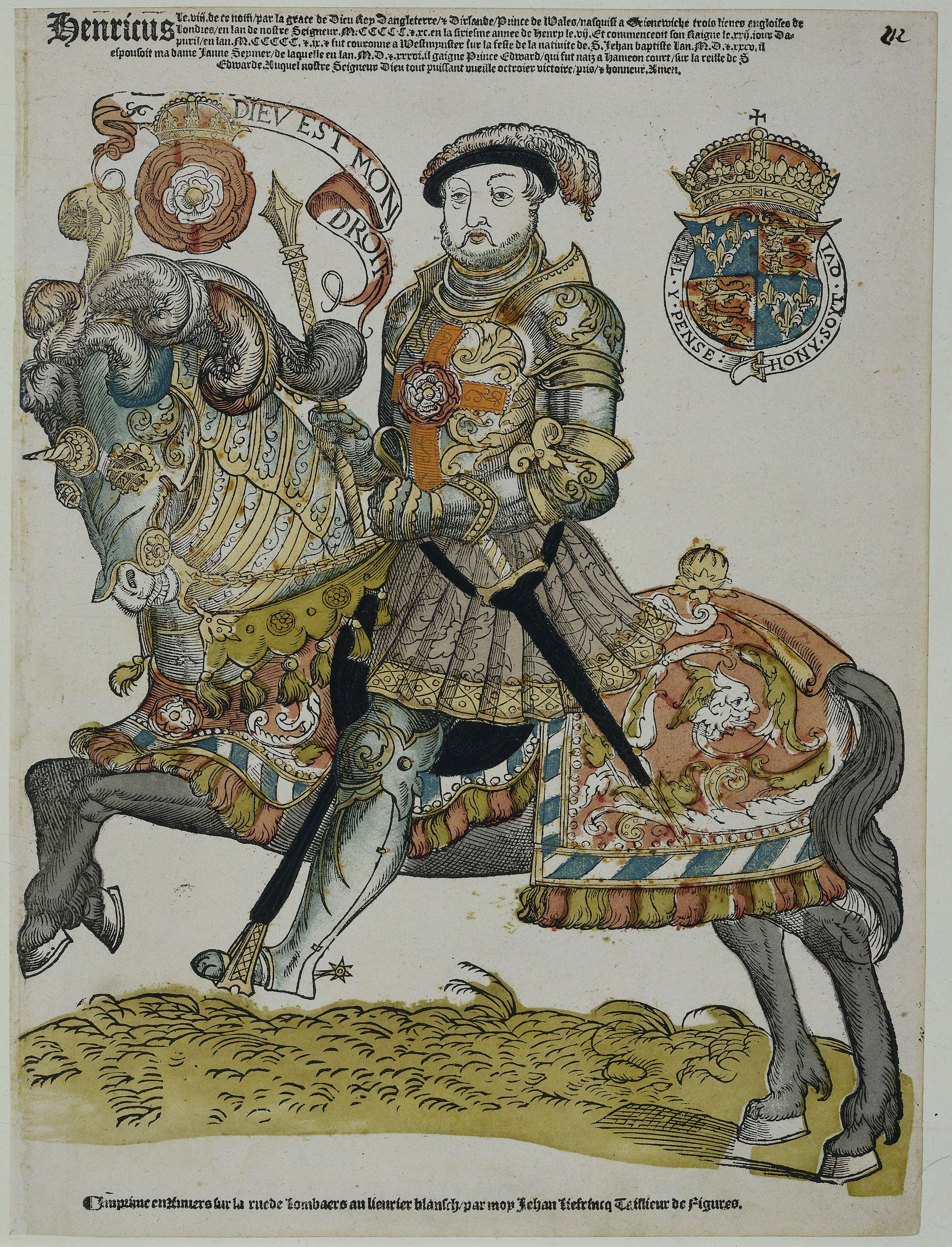
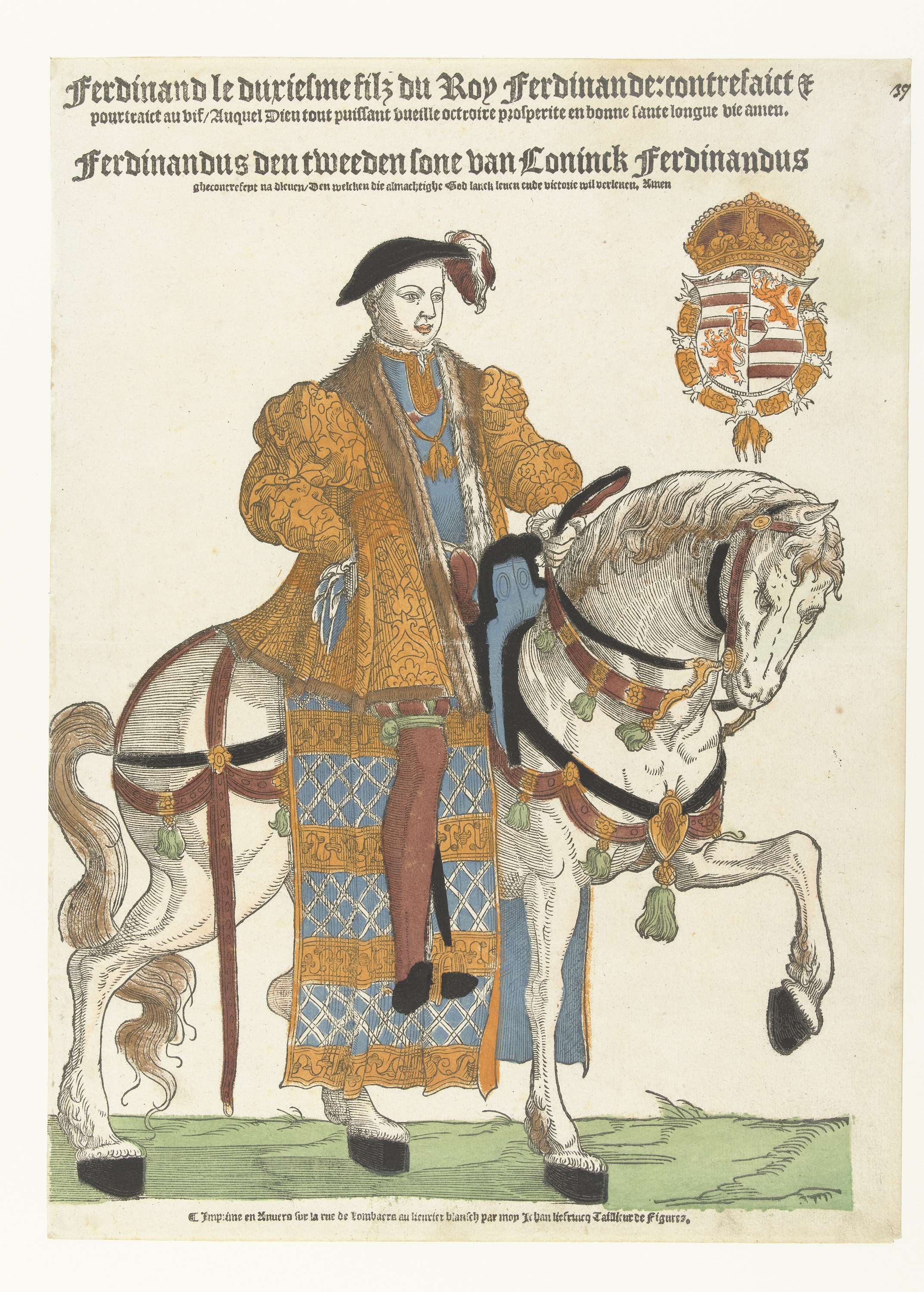
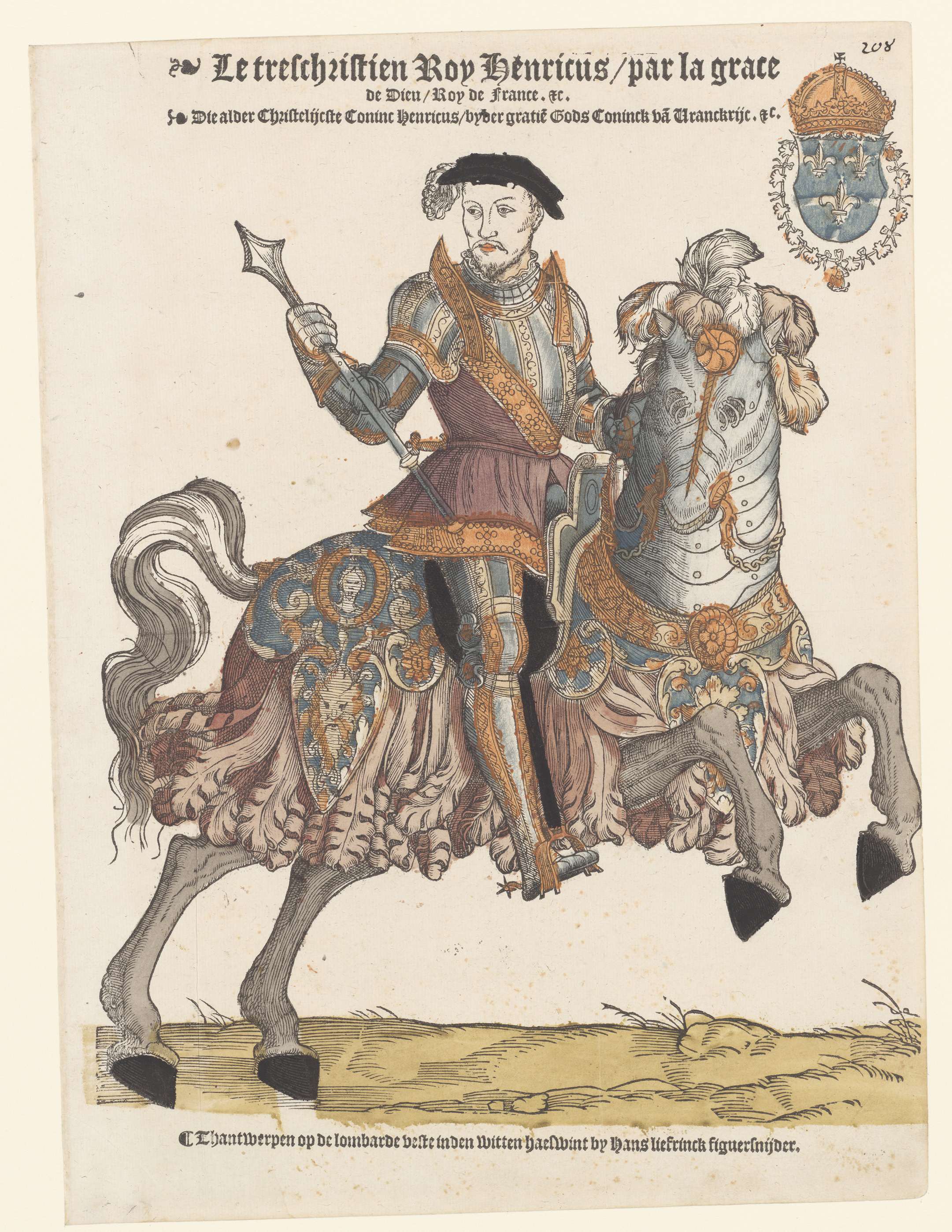
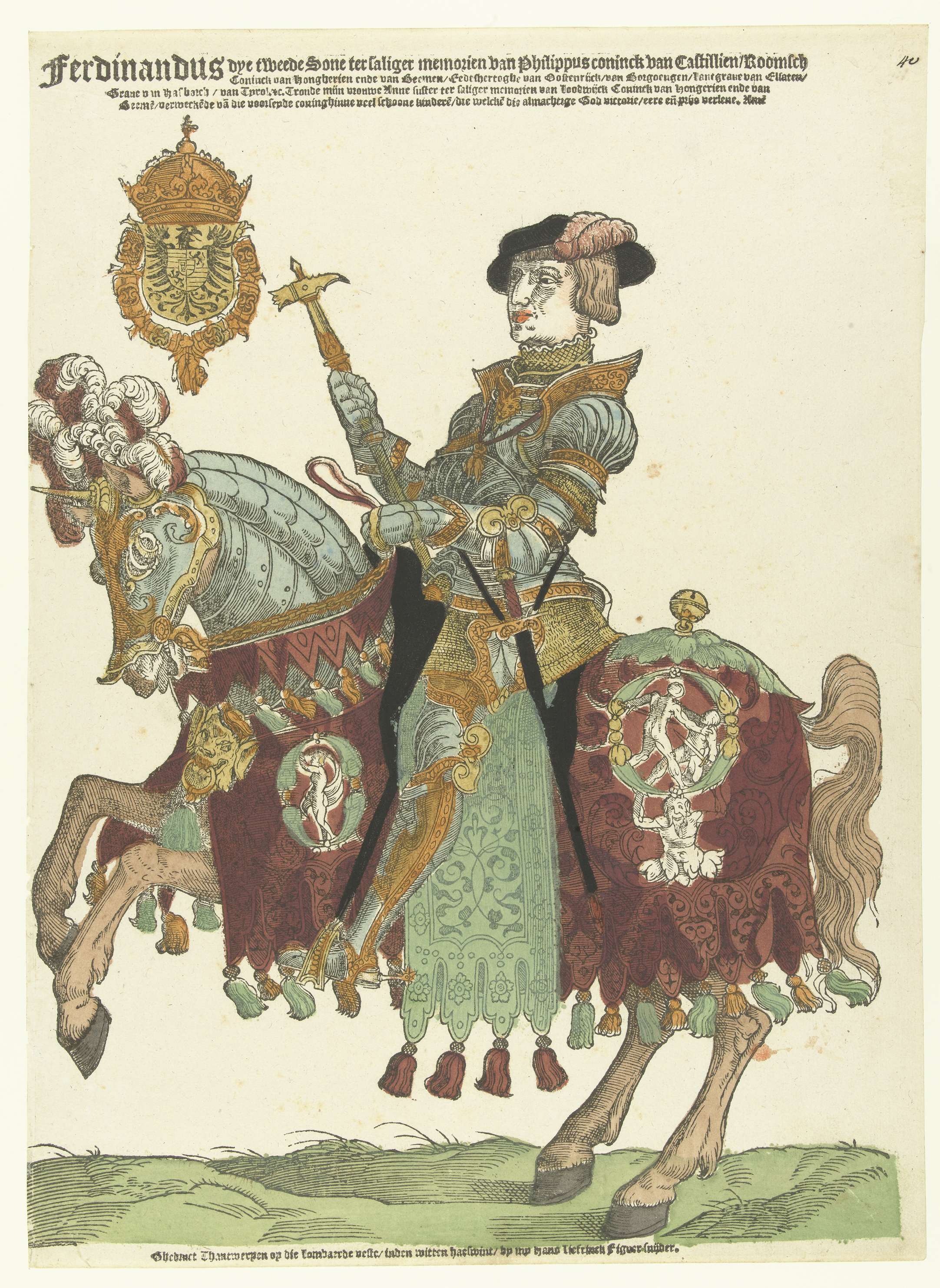
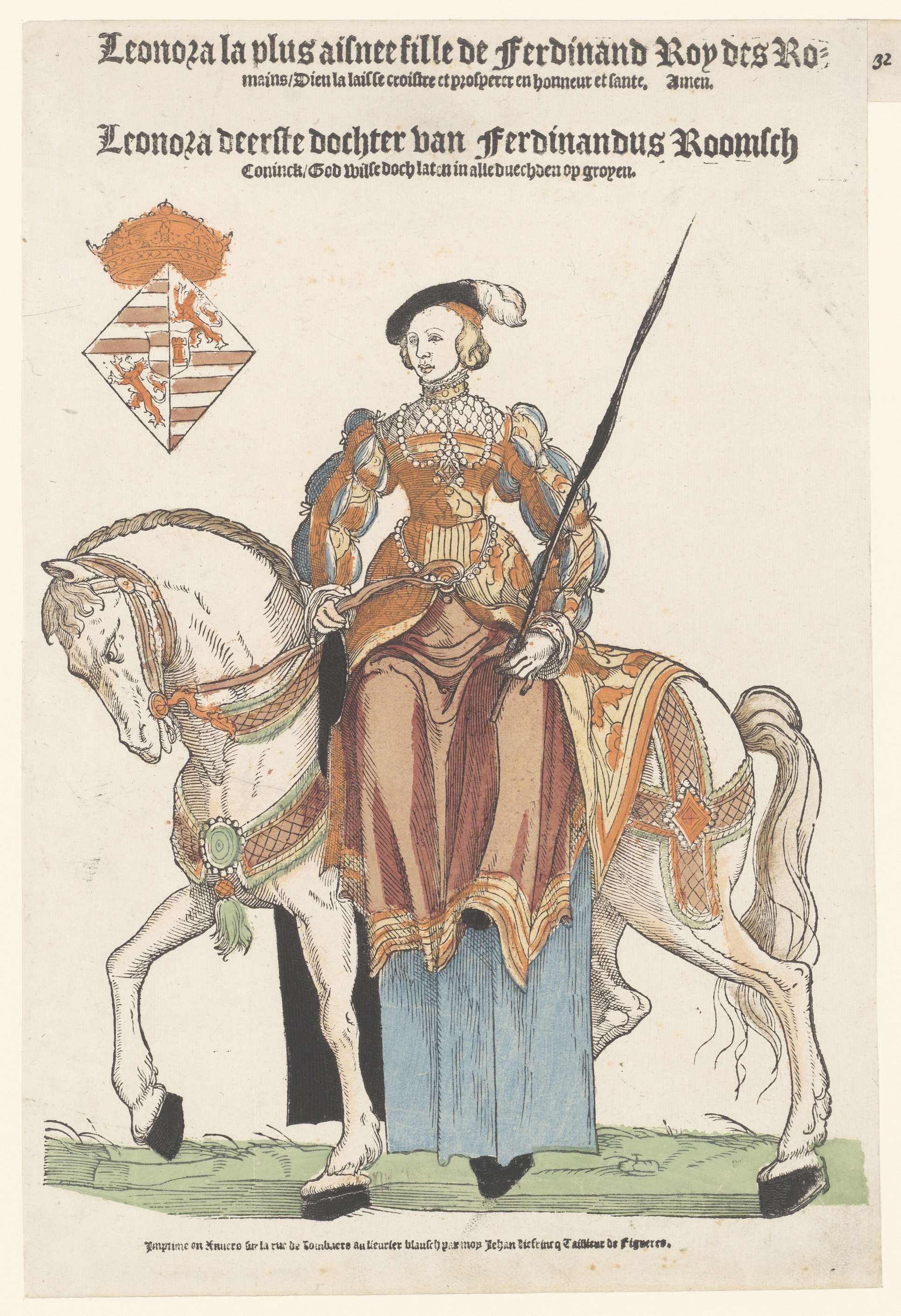
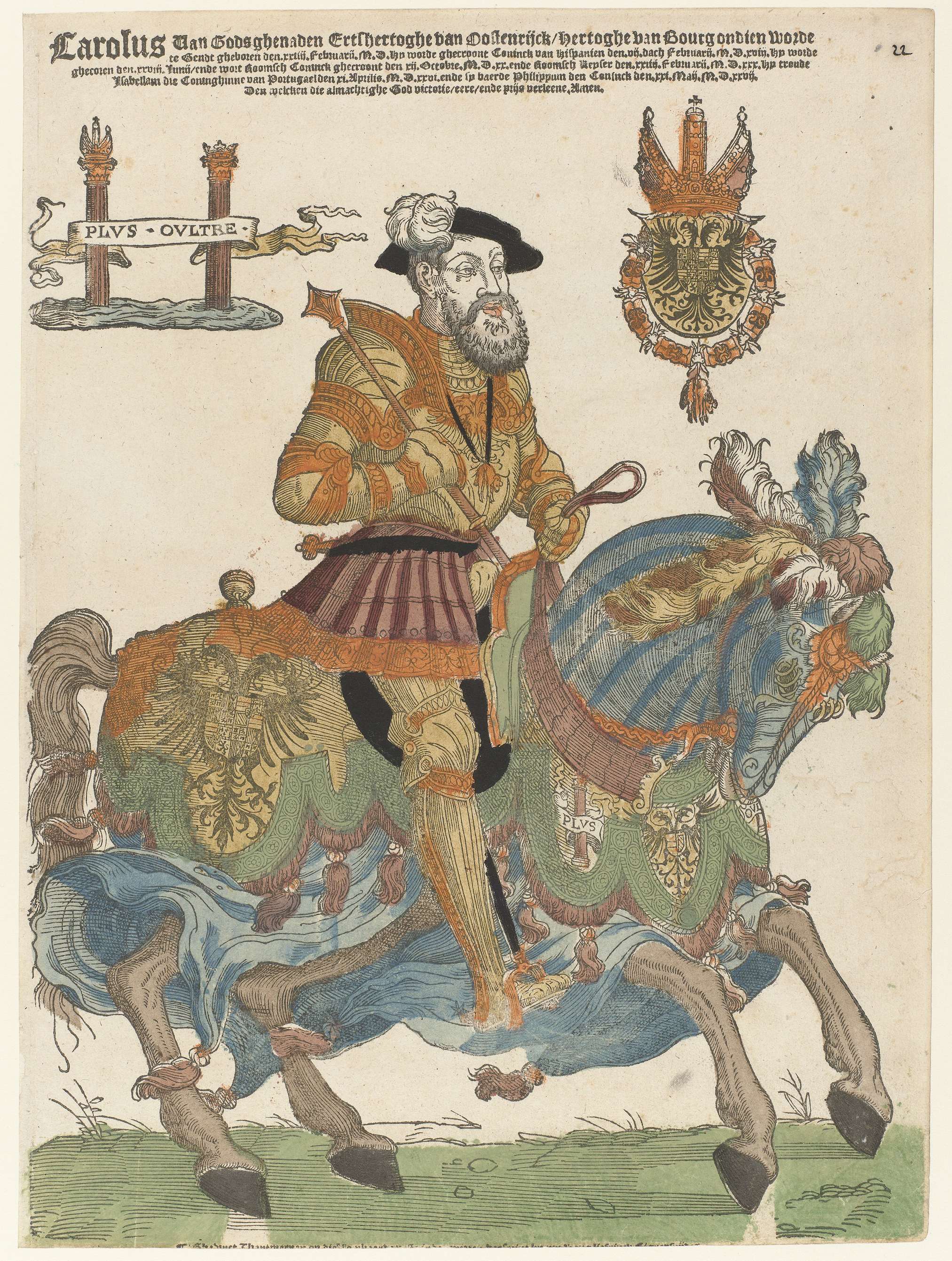
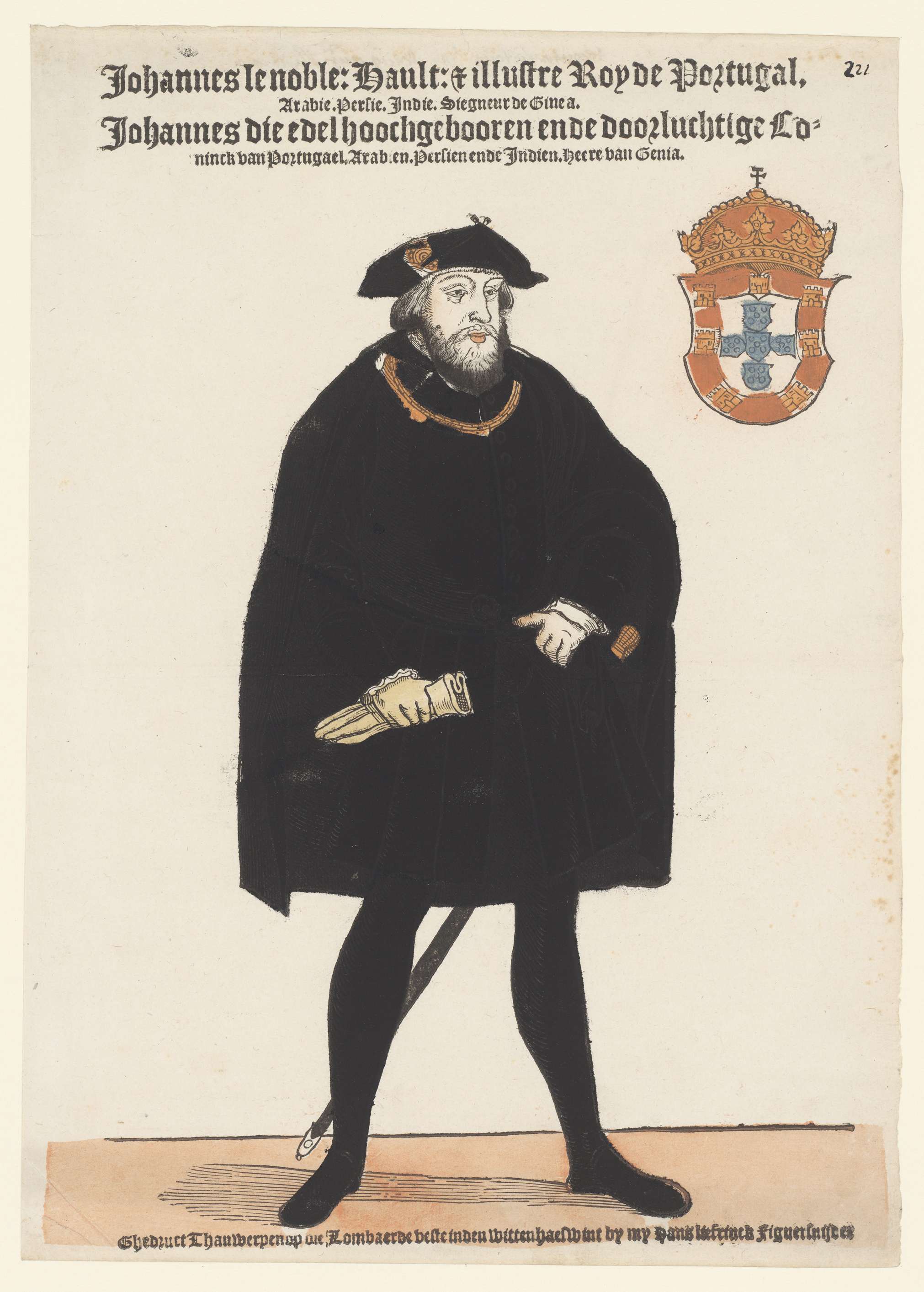
Is this a mirror — or a memory? In the intricate brushstrokes of the 16th century, we find ourselves gazing into the depths of a powerful figure whose presence looms large yet feels steeped in the weight of history. Focus first on the regal bearing of the king, positioned centrally, adorned in lavish robes that shimmer with rich hues of gold and crimson. Notice how the fabric drapes elegantly, each fold meticulously rendered, evoking a sense of both grandeur and intimacy.
Look at the subtle play of light that casts shadows across his face, emphasizing the strength in his jawline while softening the vulnerability in his eyes, as if capturing not just his image but also his complex emotions. The background whispers secrets of the past, where the muted tones contrast sharply with his vibrancy, suggesting the isolation of power. The crown, meticulously detailed, hints at the burdens of leadership, while his slightly turned posture invites the viewer into a private moment, balancing authority with reflection. Each element interacts, creating a tension between the man and his memory, between the throne and the man who occupies it.
Hans Liefrinck (I) created this portrait in the tumultuous years between 1539 and 1547, a period marked by political strife and personal turmoil for the king. Working in England, Liefrinck captured not only the likeness of Henry VIII but also the essence of a ruler whose reign was defined by ambition, reform, and a relentless pursuit of legacy. As art evolved in this era, the artist mirrored the spirit of his time, blending realism with an exploration of identity that resonates through centuries.