Portret van Hendrik VIII van Engeland — History & Analysis
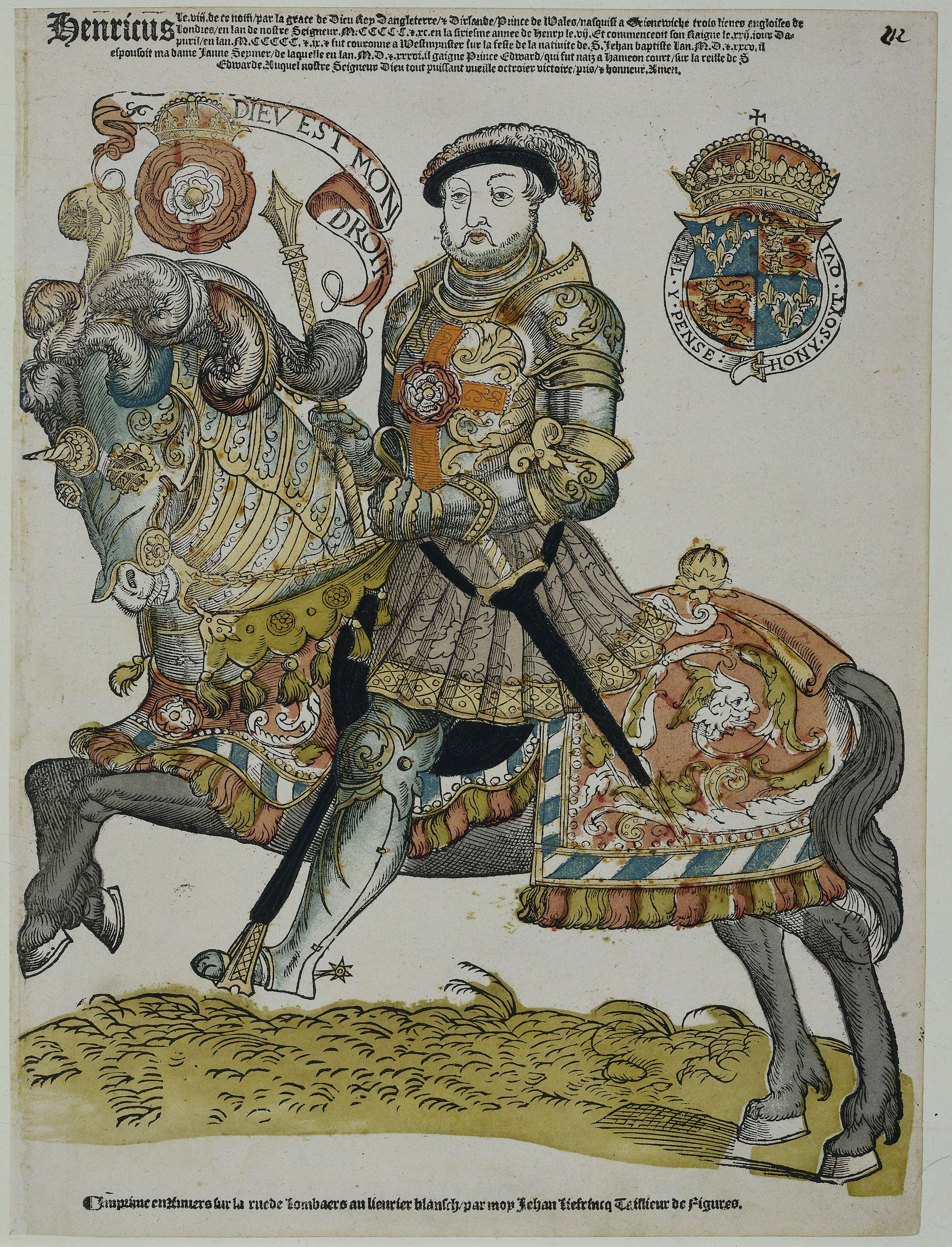
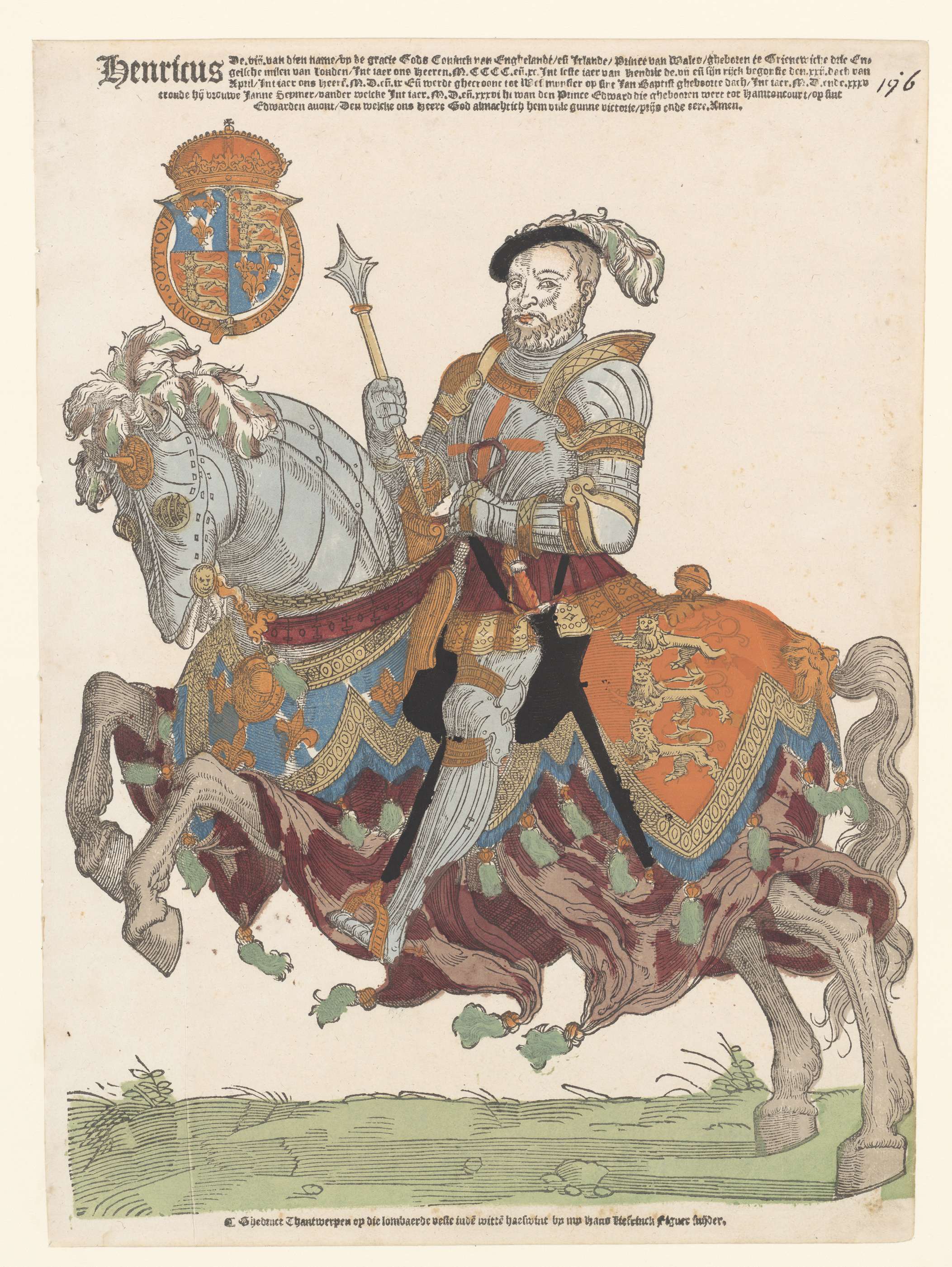
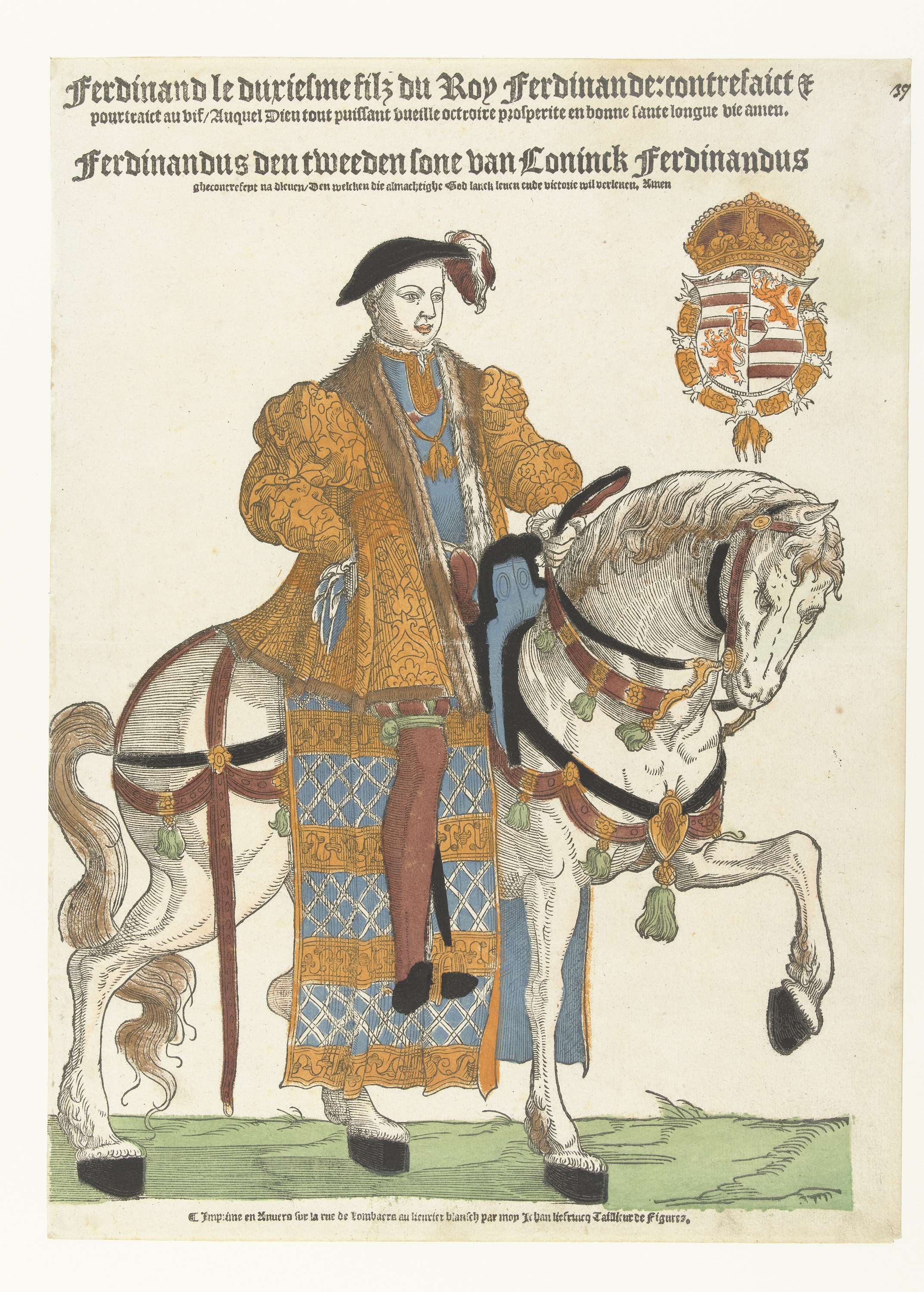
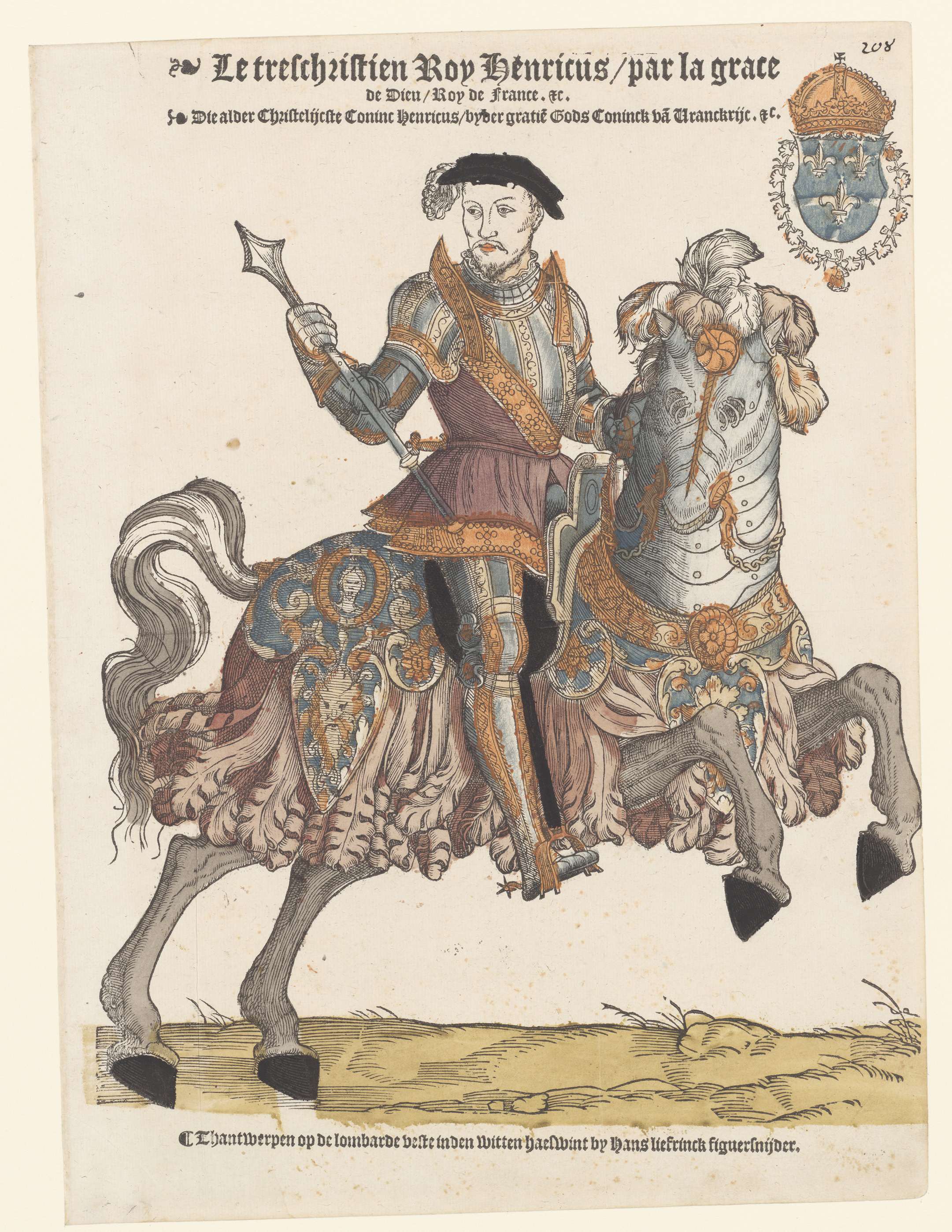
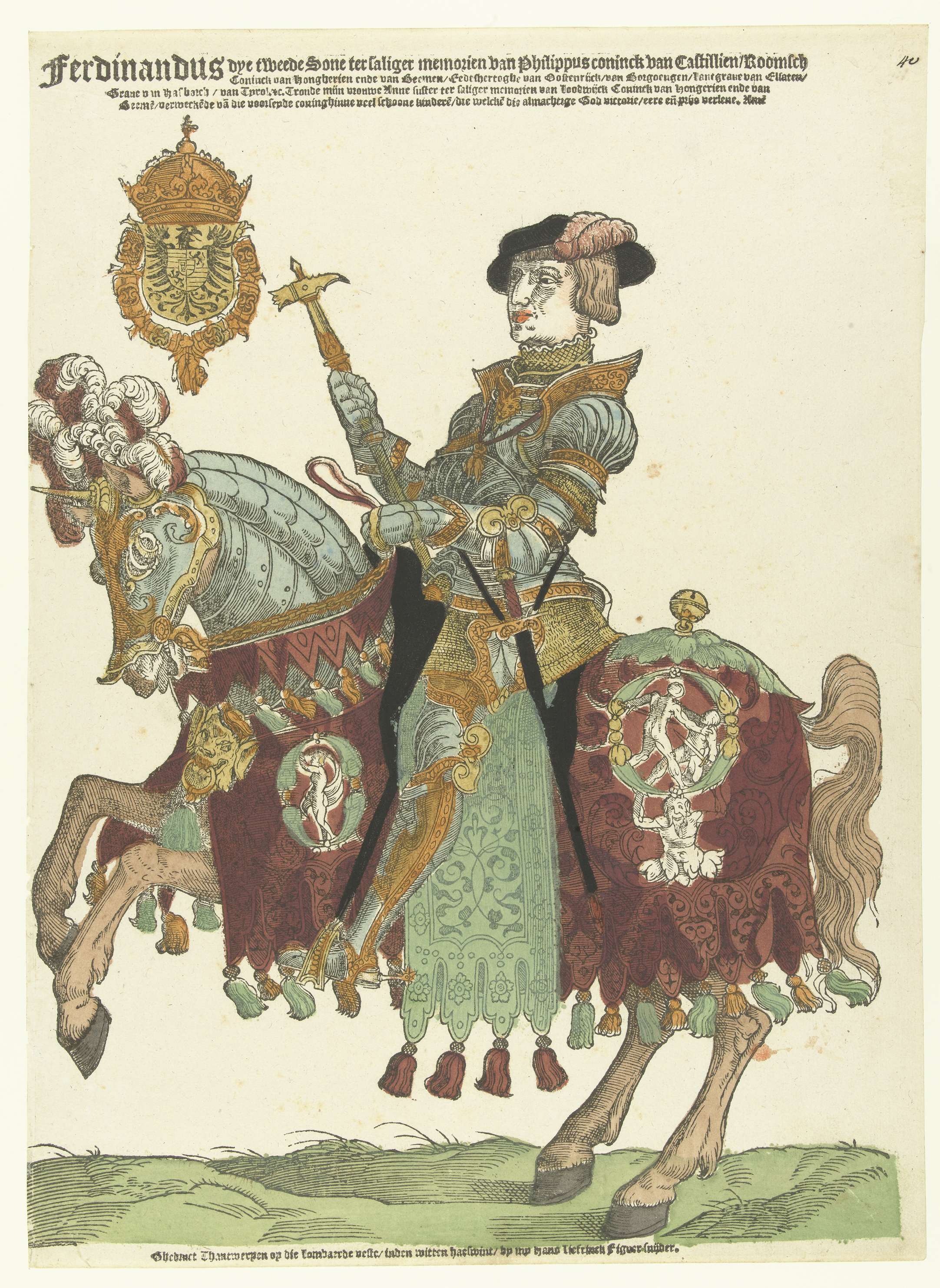
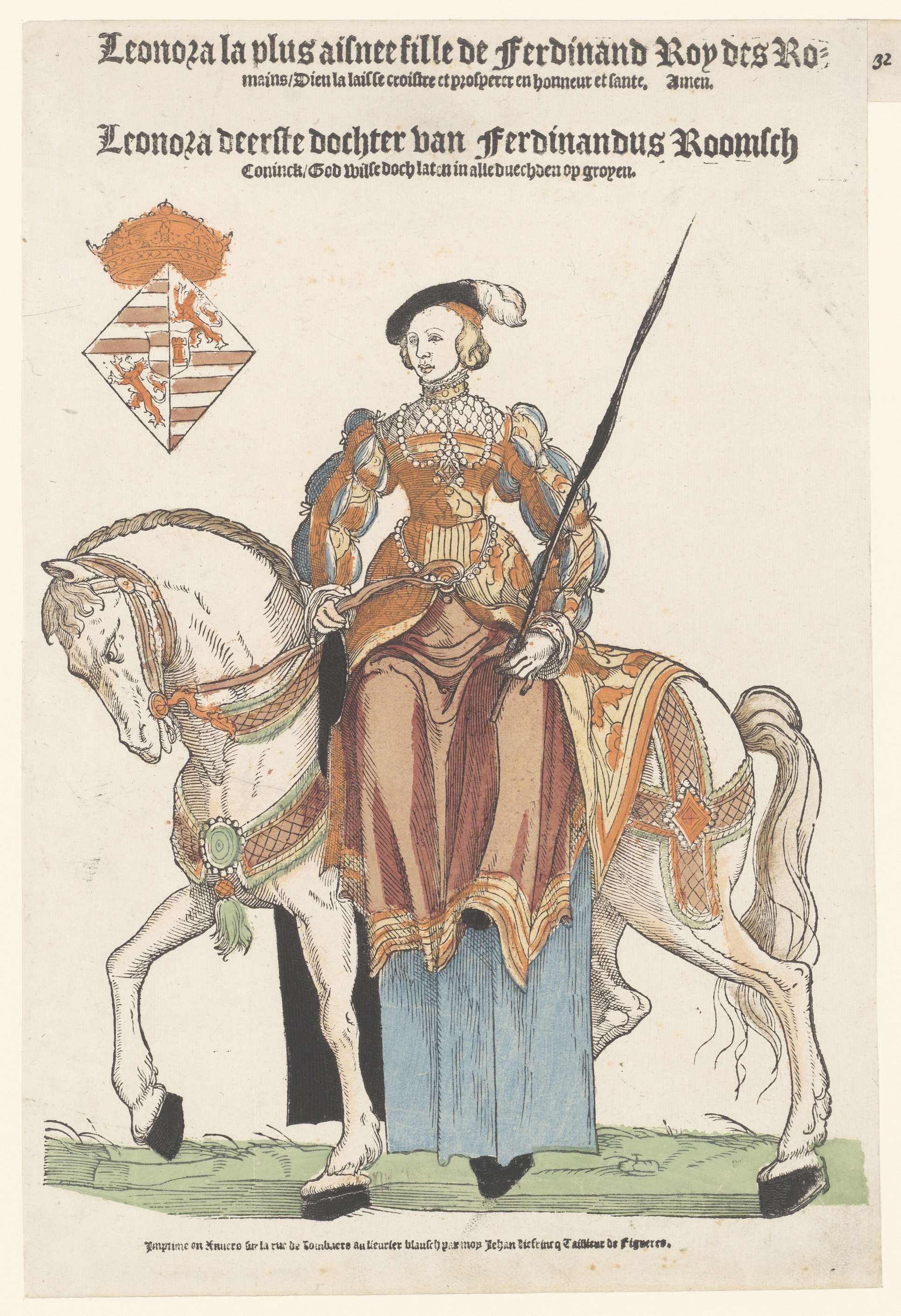
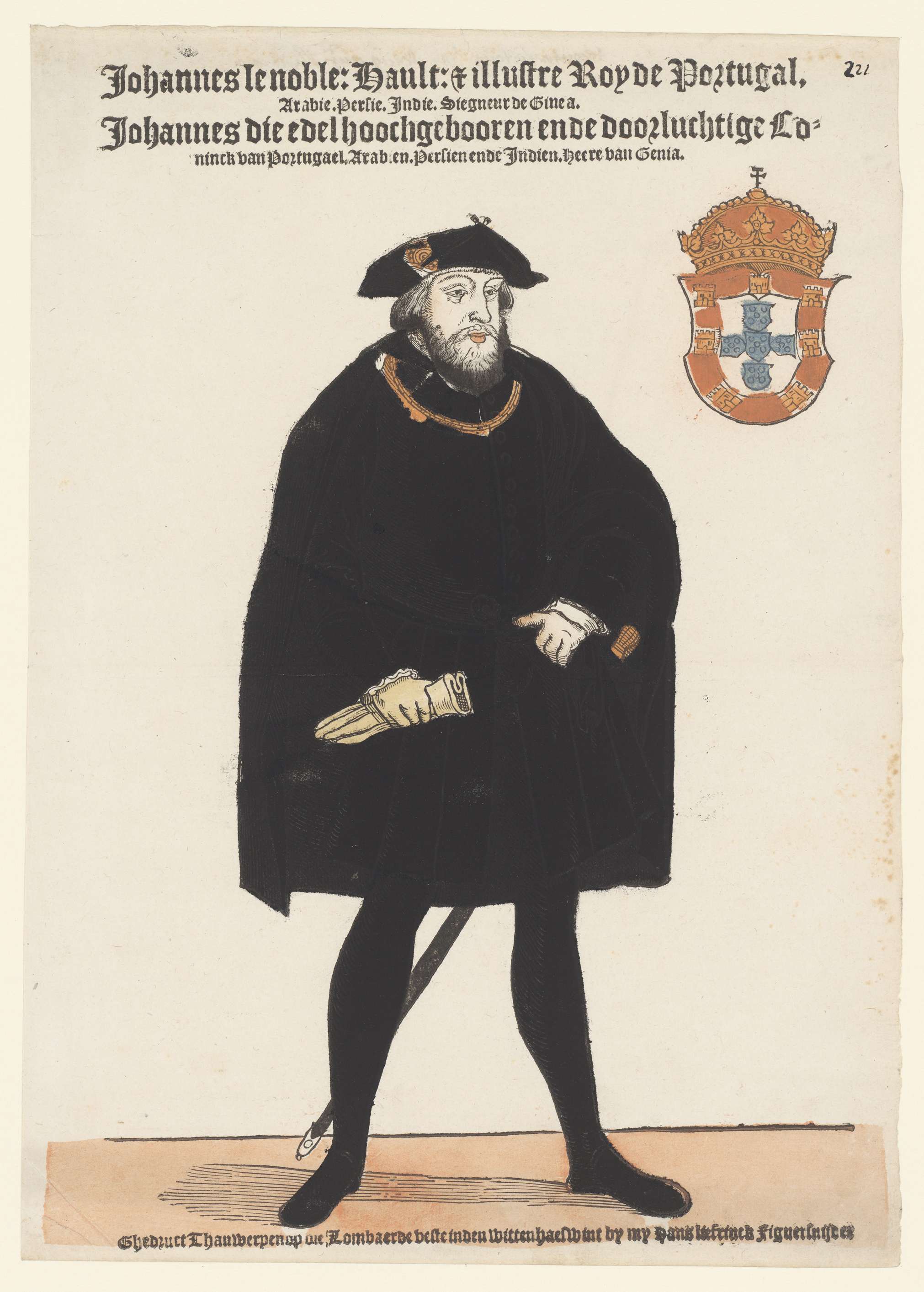
What if beauty was never meant to be finished? In the intricate portrayal of a monarch, one must ponder how destiny shapes the very essence of a person’s legacy. Focus on the regal expression of Henry VIII, his gaze piercing yet contemplative, commanding the viewer's attention. Look to the rich fabrics that drape over him: the deep crimson of his robe, accented by golden embroidery that reflects his power and wealth. Notice the meticulous attention to detail in the textures of his attire, where every stitch speaks of opulence and authority.
The lighting, soft but deliberate, creates a halo effect, enhancing his imposing stature and reinforcing his claim to the throne. Delve deeper into the contrasts within the composition. The vibrant colors symbolize the king's vitality, yet the stern expression hints at the burden of rule, a silent acknowledgment of the turbulent times he faced. His solid posture speaks of strength, but the slight weariness around his eyes reveals the toll of his decisions, pivoting between the indulgences of courtly life and the heavy weight of his responsibilities.
This duality invites viewers to reflect upon the complexity of power, with beauty intertwined with the harsh realities of fate. Created within the years 1539 to 1547, this portrait was crafted by the Flemish artist during a period of significant political and religious upheaval in England. At the time, Henry VIII was consolidating power, having broken away from the Catholic Church, which left Liefrinck to navigate the intricacies of royal patronage and the burgeoning art market. The artist captured not just a likeness, but the essence of a man grappling with his destiny, forever etched in oil and canvas.