Portret van Willem van Oranje als jongen te paard — History & Analysis
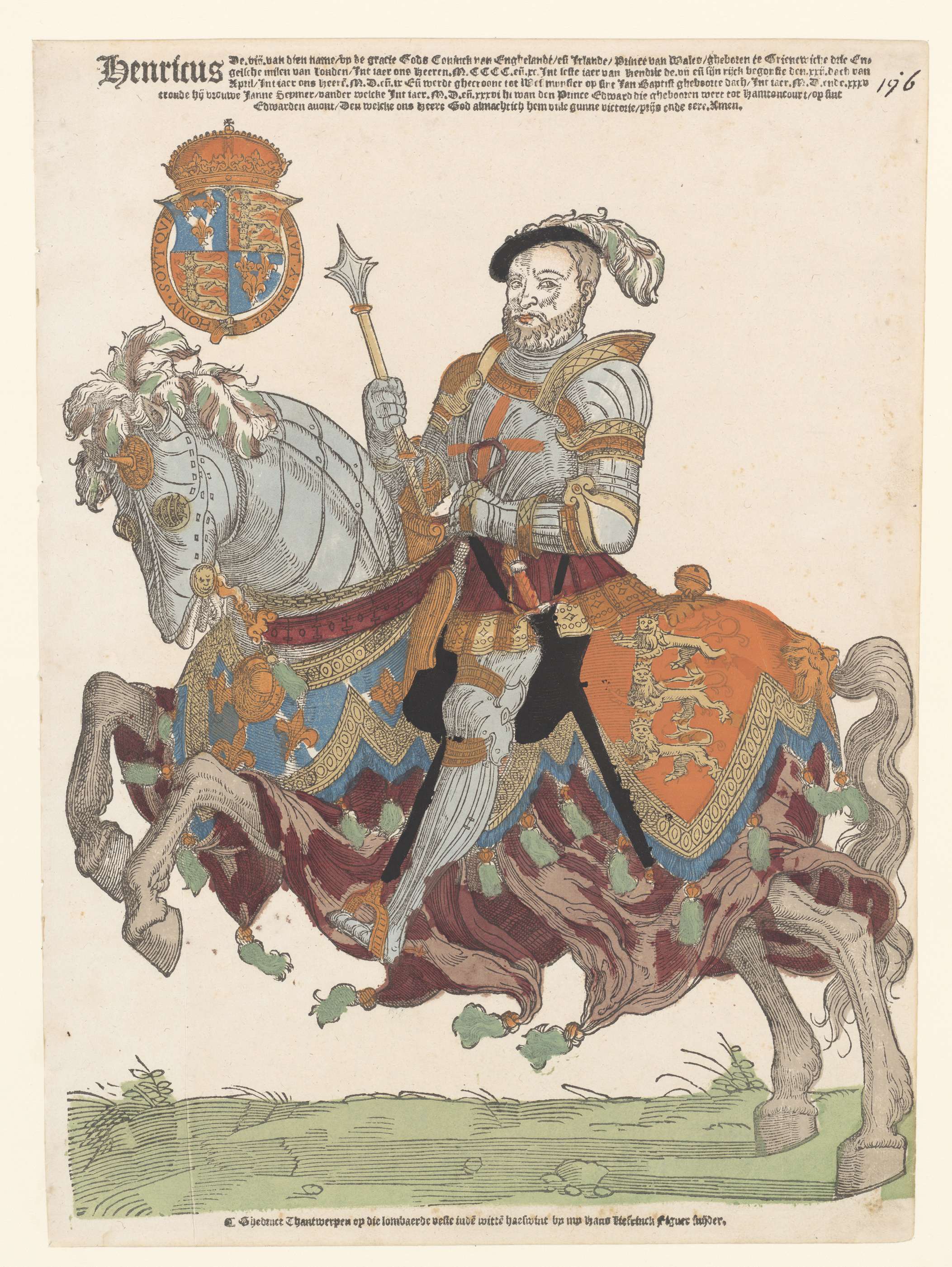
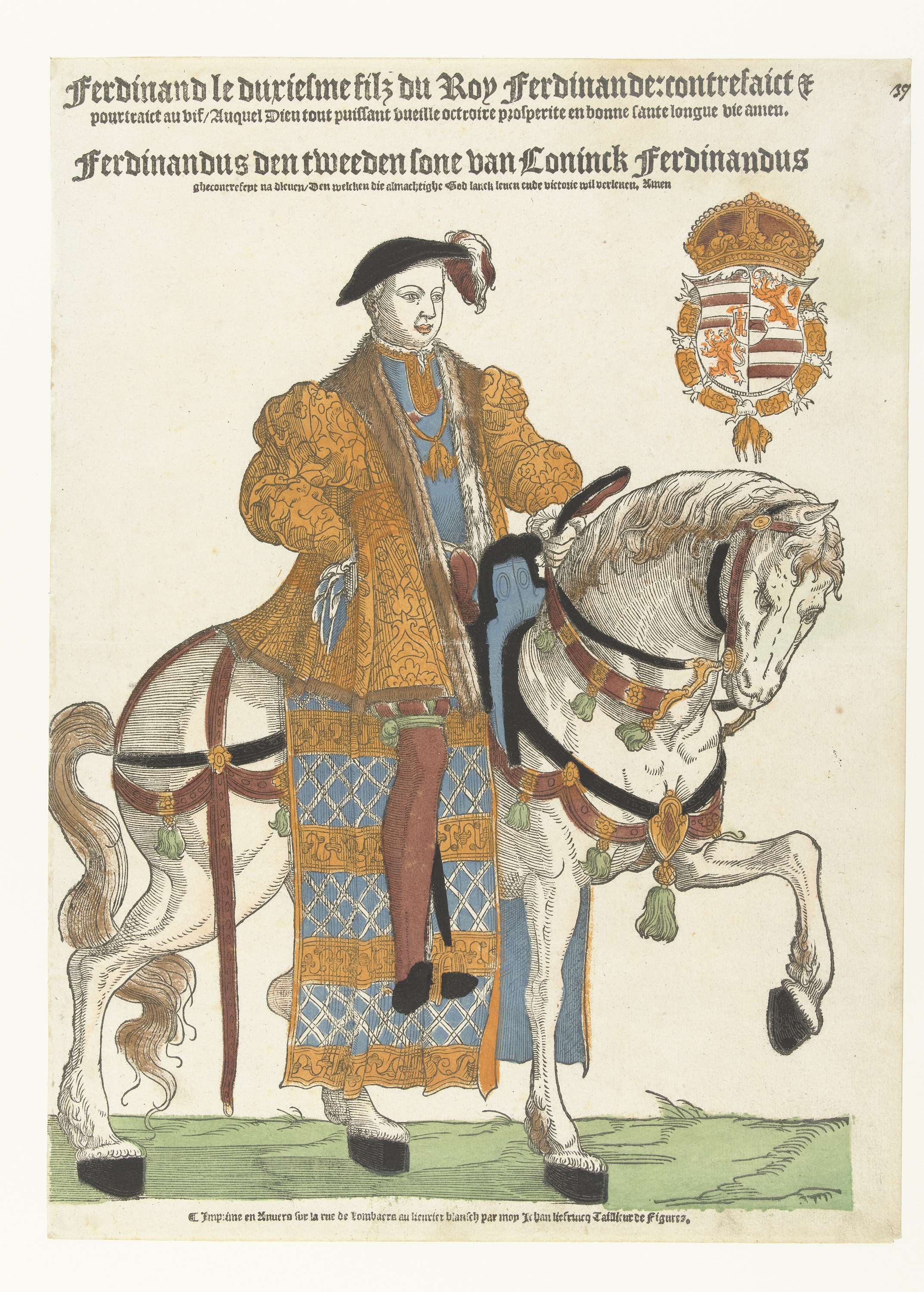
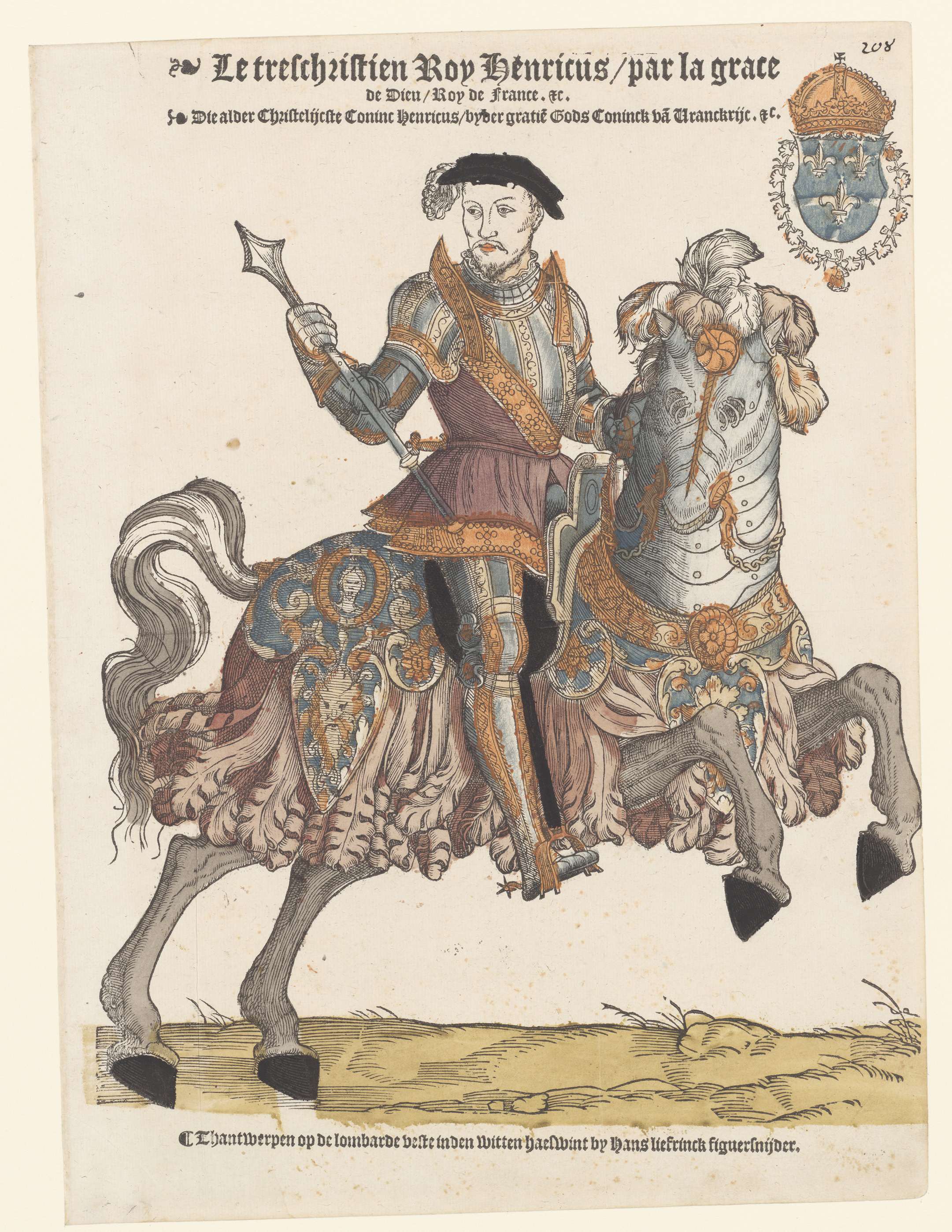
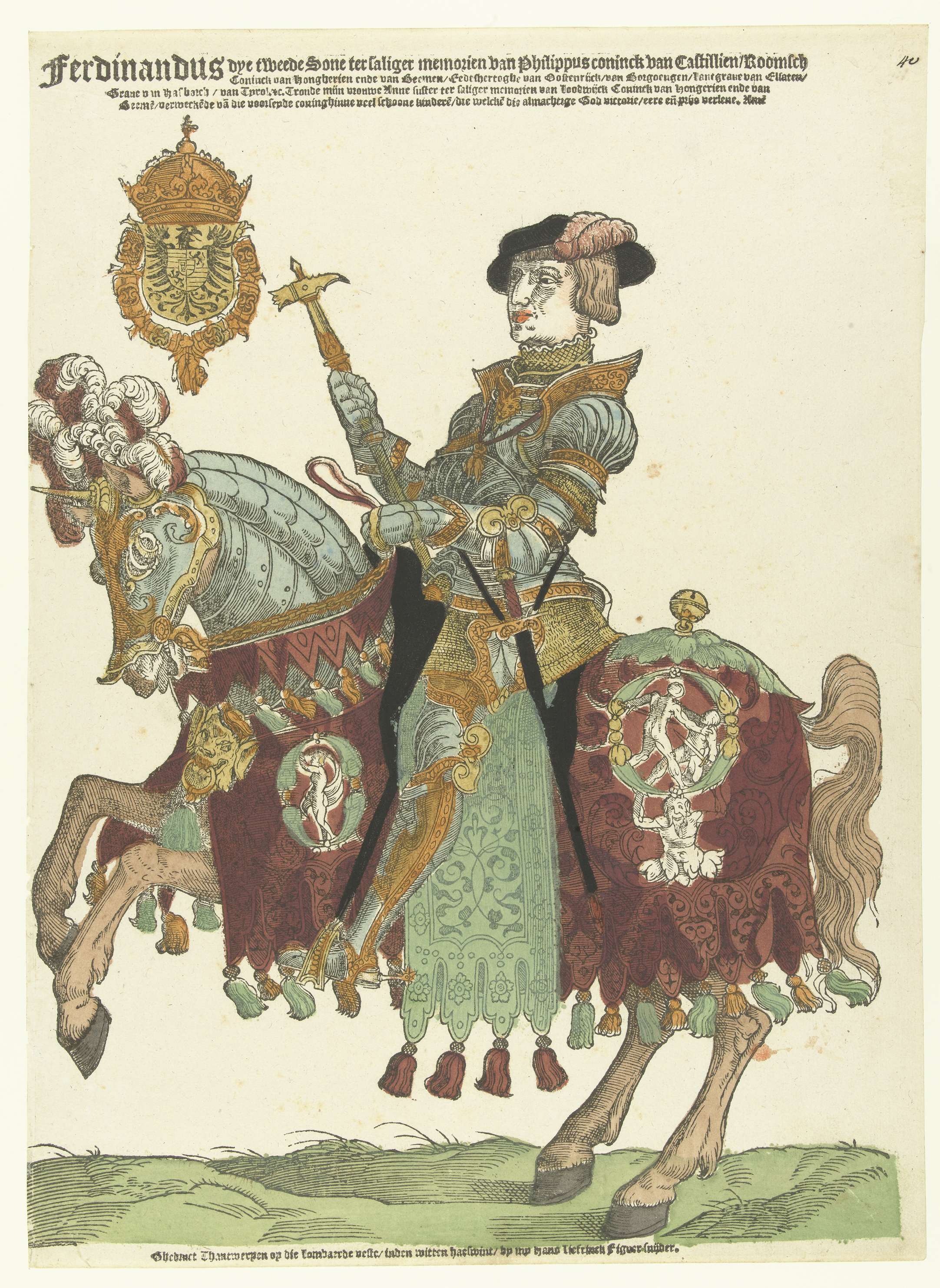
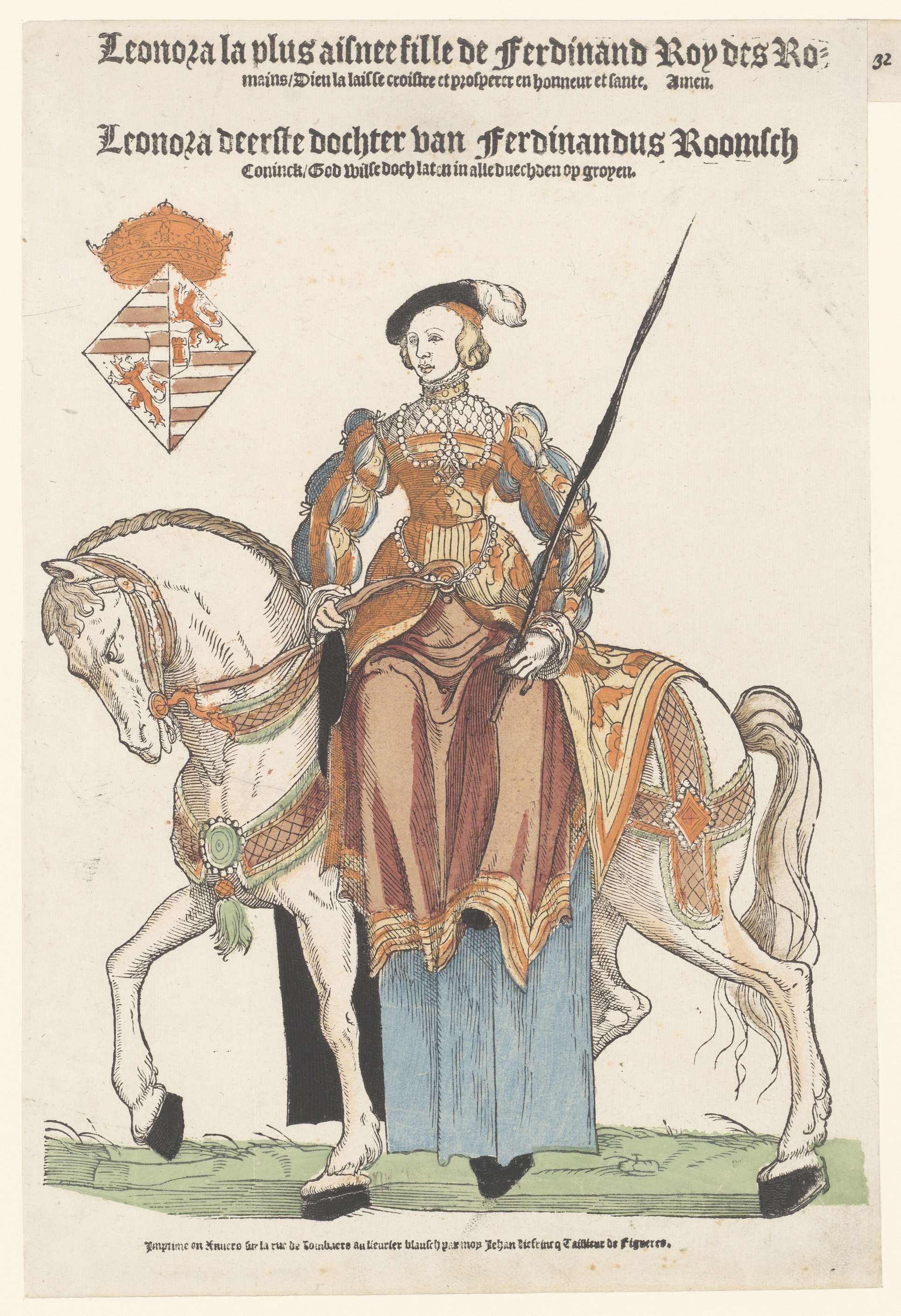
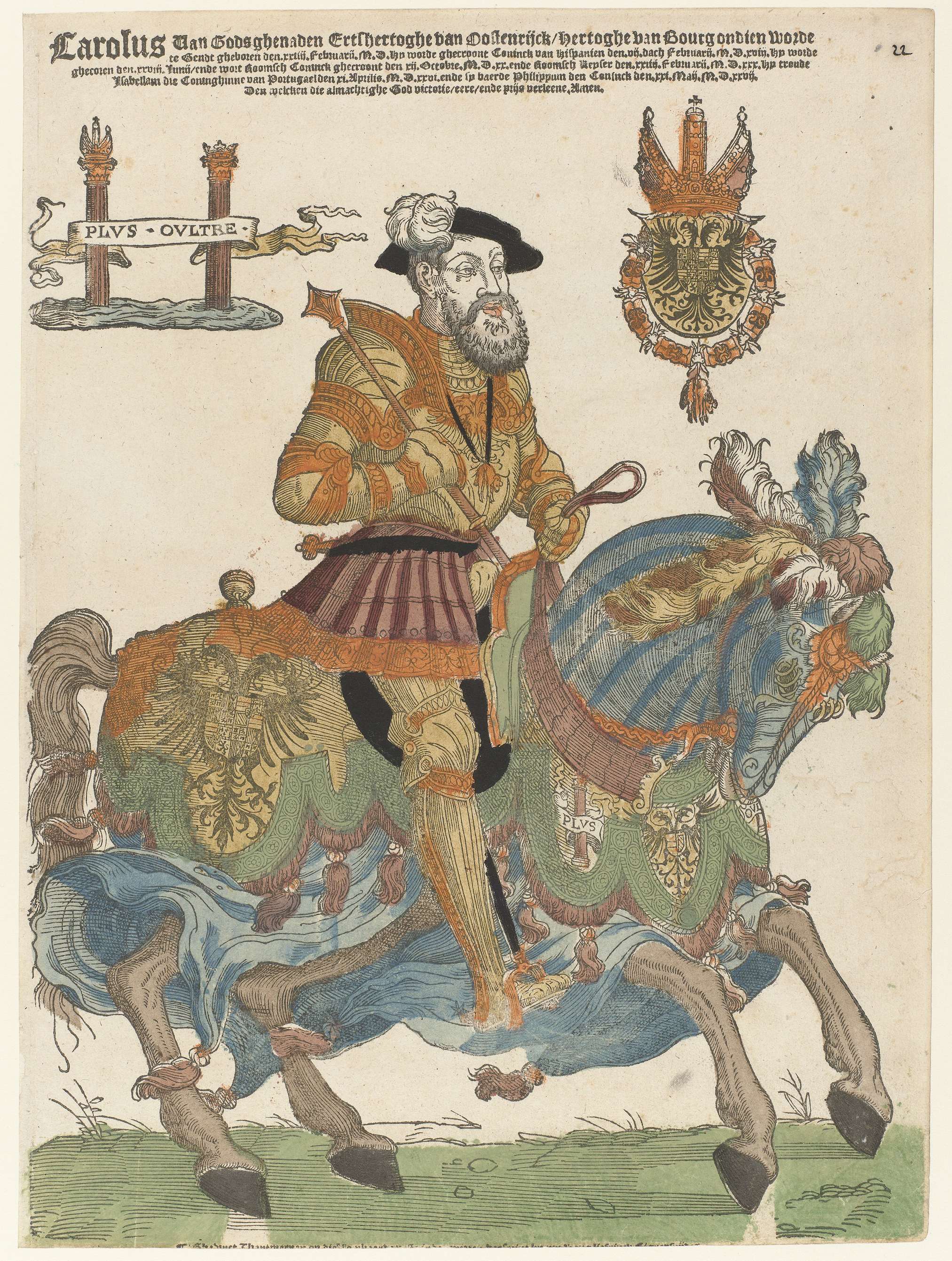
Did the painter know this moment would outlive them? The young prince, poised on his horse, radiates a fragile confidence that belies the tumultuous times to come. Focus first on the youthful figure in the center, clad in resplendent armor that glimmers under the soft light. Notice how the artist captures the intricate details of his attire, from the lace ruff framing his neck to the delicate patterns embossed upon his breastplate.
The horse, a powerful steed, contrasts his delicate frame, its dark mane cascading down with a life of its own, creating a dynamic interplay between boy and beast that speaks to the tension of nobility. The fearful anticipation in the boy's gaze hints at the weight of legacy and power he will bear. The subtle juxtaposition of the vibrant colors of his attire against the muted background conveys a sense of isolation even among the trappings of grandeur. Small details, such as the way his gloved hand clutches the reins, reflect not only his determination but also the underlying anxiety of a youth caught in the throes of expectation and destiny.
Hans Liefrinck (I) created this portrait between 1544 and 1559, during a period marked by political strife in the Netherlands. As the country grappled with the rising tensions of the Reformation and the struggle for independence from Spanish rule, the artist's choice to immortalize Willem as a young prince speaks volumes about the aspirations and fears that pervaded the era. This painting, therefore, stands as both a testament to youthful promise and a precursor to the challenges that lay ahead.