Portret van Eleonora van Oostenrijk te paard — History & Analysis
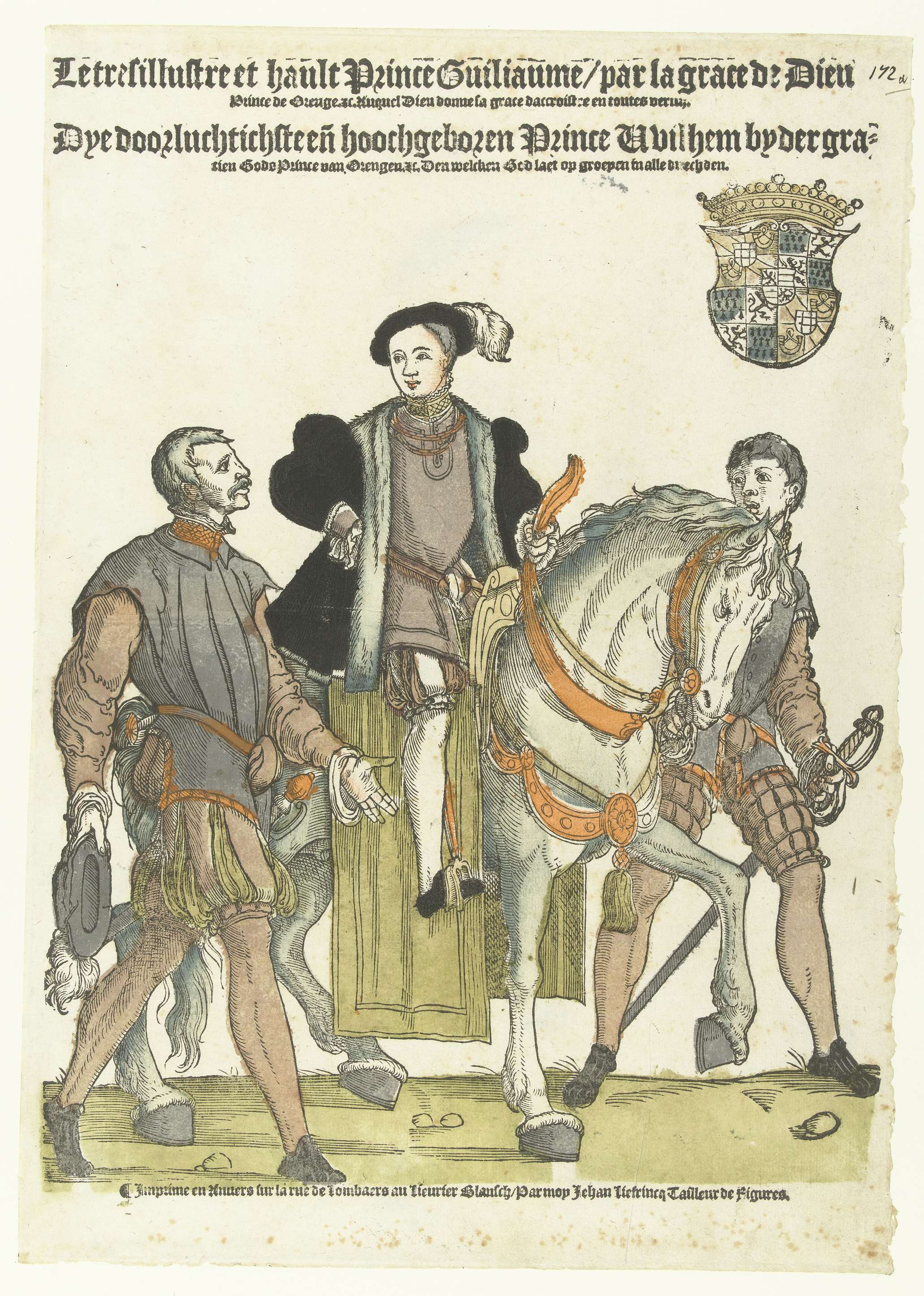
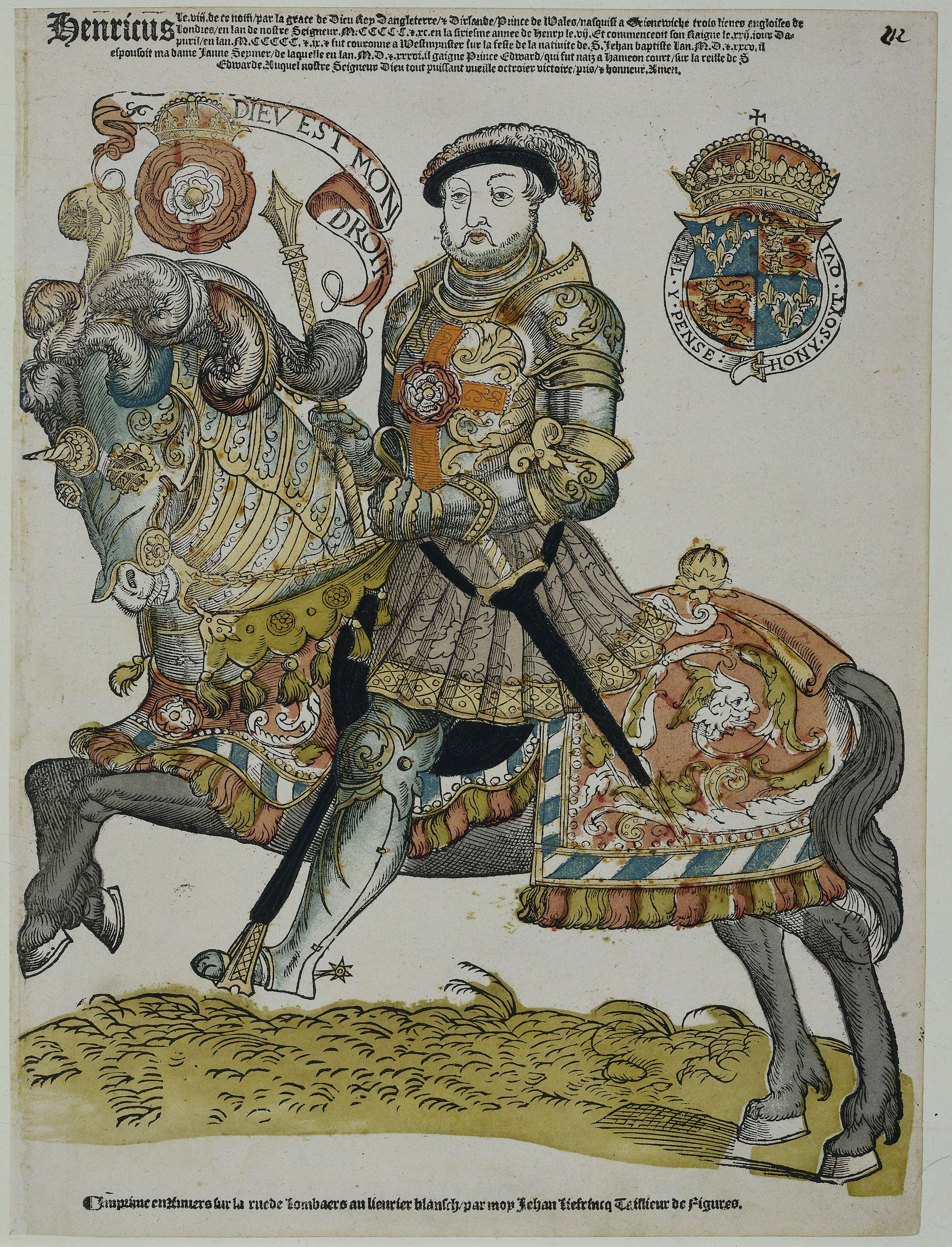
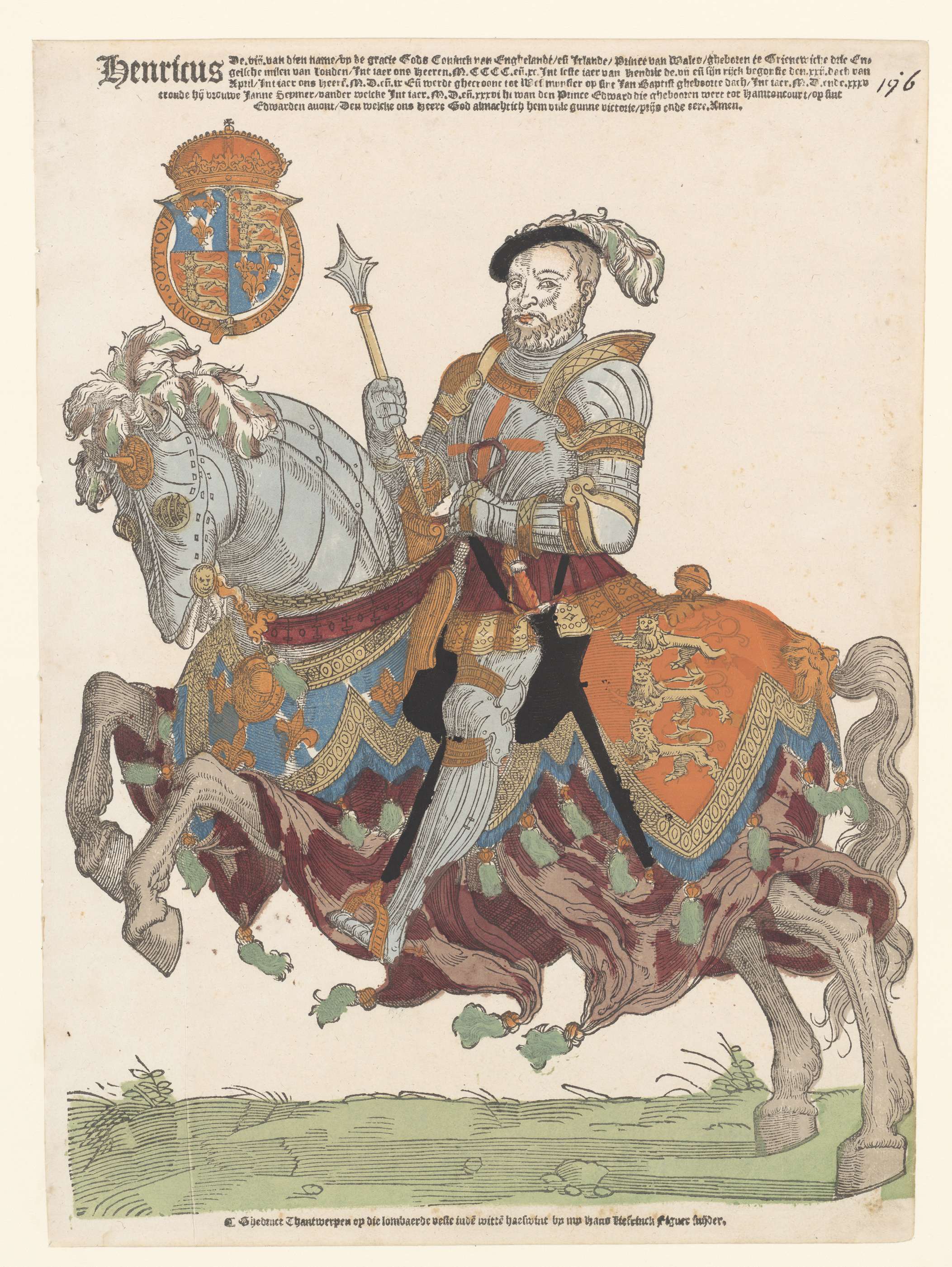
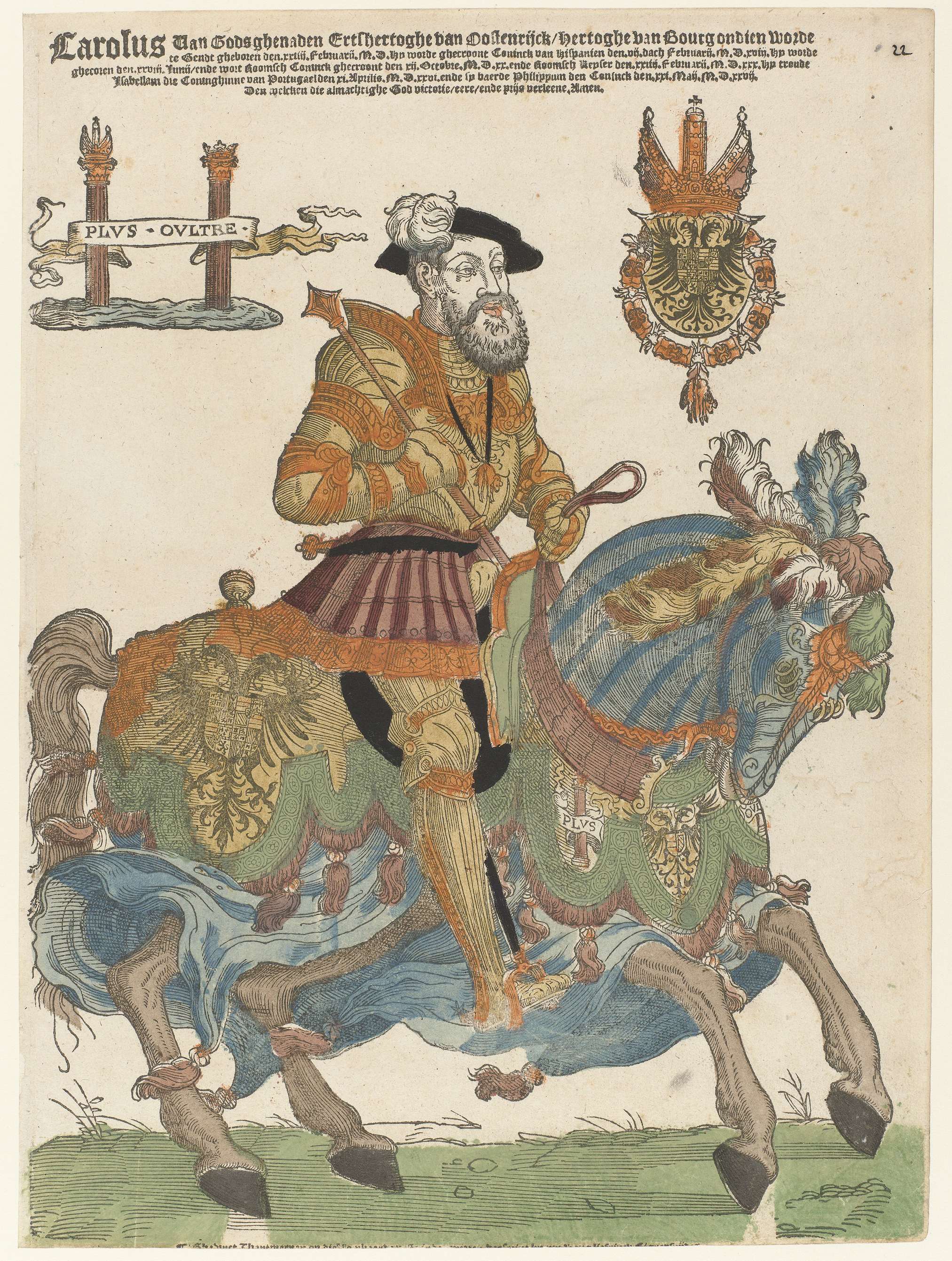
Can paint confess what words never could? In Portret van Eleonora van Oostenrijk te paard, the unrestrained yearning of desire unfurls, captured in the poised elegance of a noblewoman astride her steed. Look closely at the regal figure presented in the foreground. Notice how Eleonora’s rich garments, woven with luxurious gold-thread embroidery, shimmer against the muted backdrop. Focus on her steady gaze, which seems to pierce the canvas, revealing a strength that contrasts the delicacy of her position.
The artist’s meticulous brushwork brings the intricate details of her attire to life, while the horse—a symbol of power and freedom—stands firm beneath her, embodying the duality of grace and authority. Hidden within this portrait are layers of emotional tension. The juxtaposition of her vibrant attire against the somber landscape hints at the internal struggles of her royal life. Despite her outward composure, the slight curve of her lips suggests longing—perhaps for autonomy, love, or even adventure.
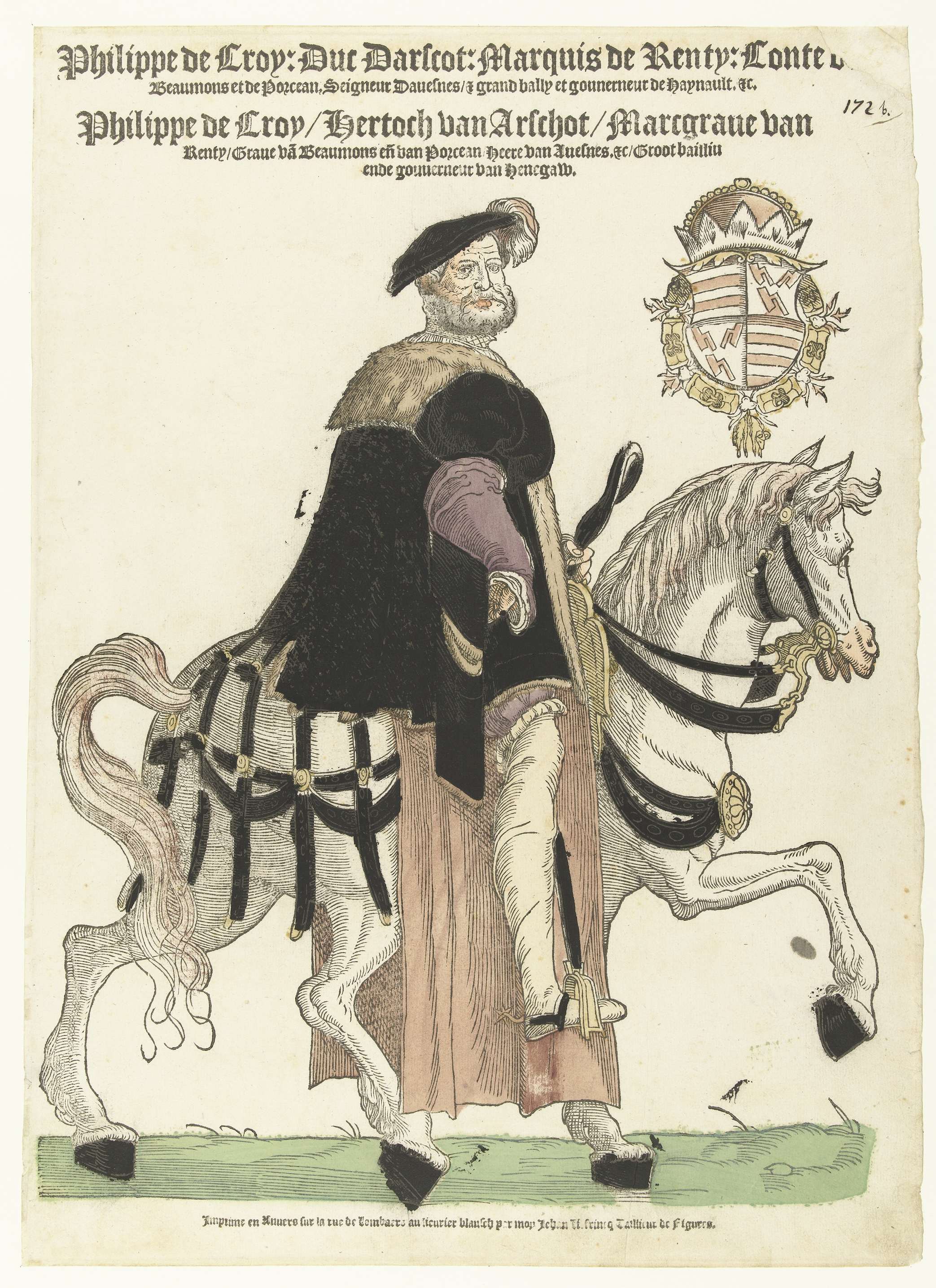
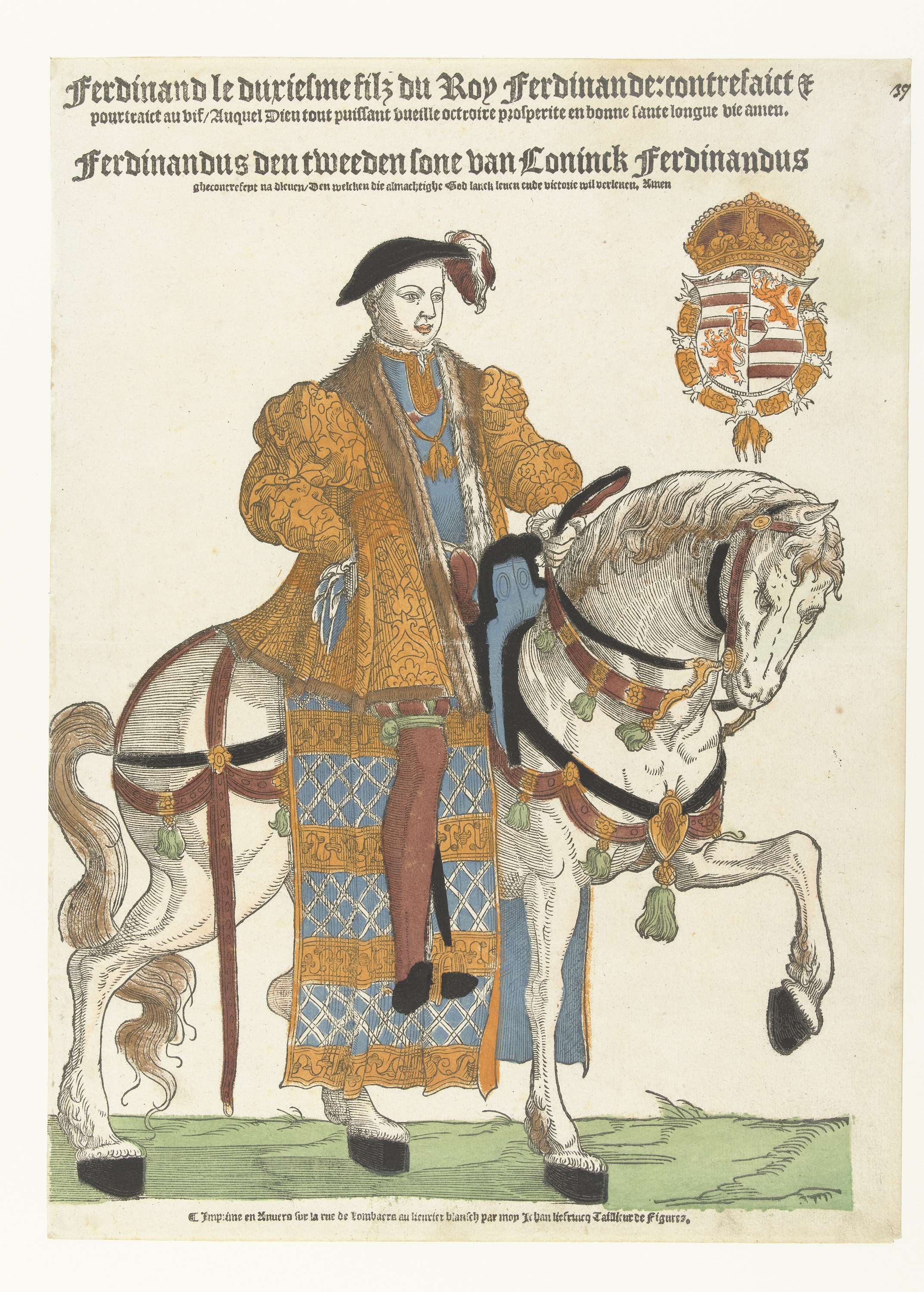
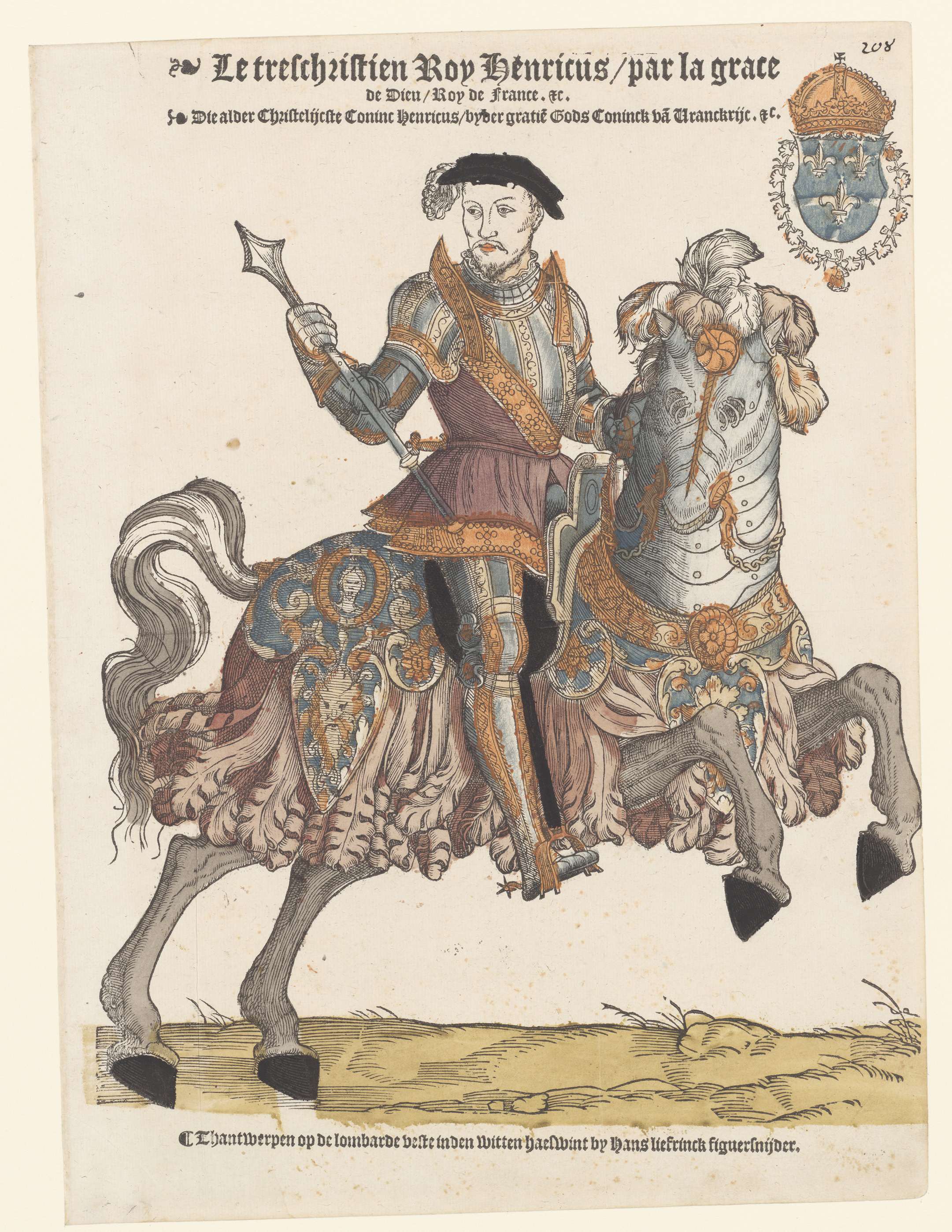
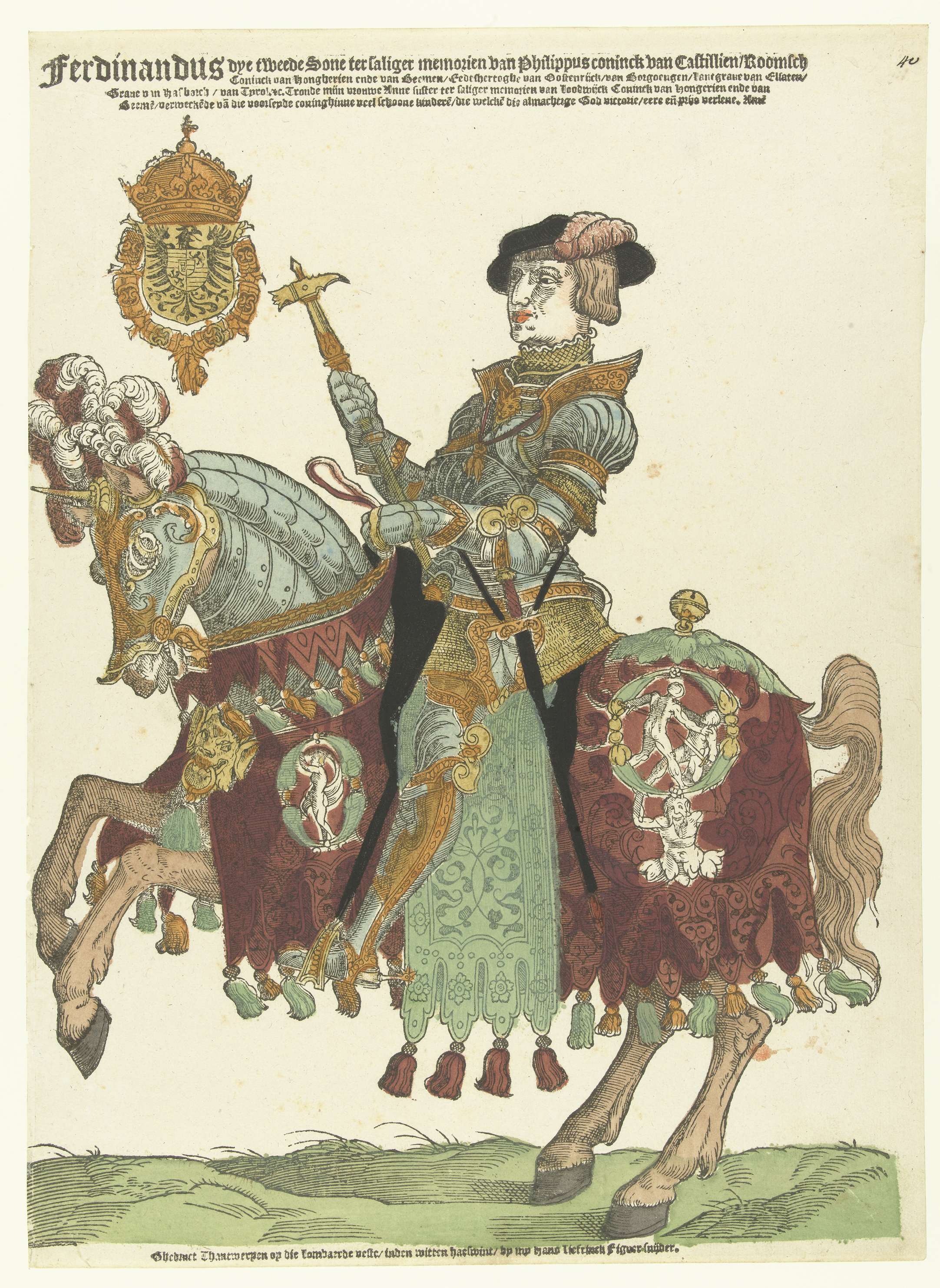
The presence of the horse may signify a fierce desire for escape, entwined with the responsibilities of her status, reflecting the intricate dance between duty and yearning. Hans Liefrinck (I) painted this portrait between 1539 and 1561, a period marked by transitions in the art world as Northern Renaissance styles evolved. Active in Antwerp, Liefrinck was influenced by the burgeoning portraiture movement, aiming to capture not only likenesses but also the essence of his subjects. This work speaks to a time when the delineation of personal identity became paramount, blending aristocratic ideals with the rich psychological depth of the individual.