Portret van Karel V te paard — History & Analysis
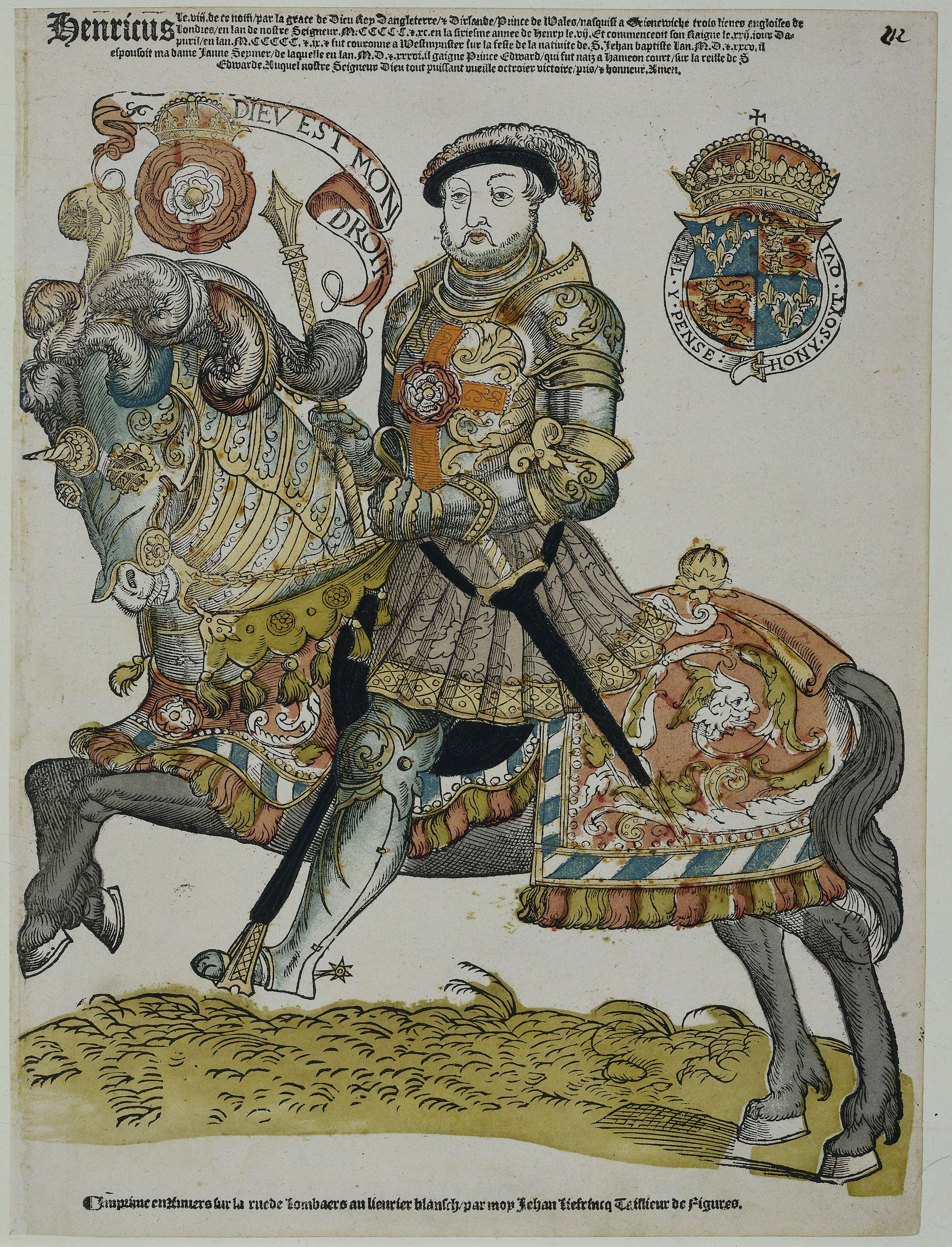
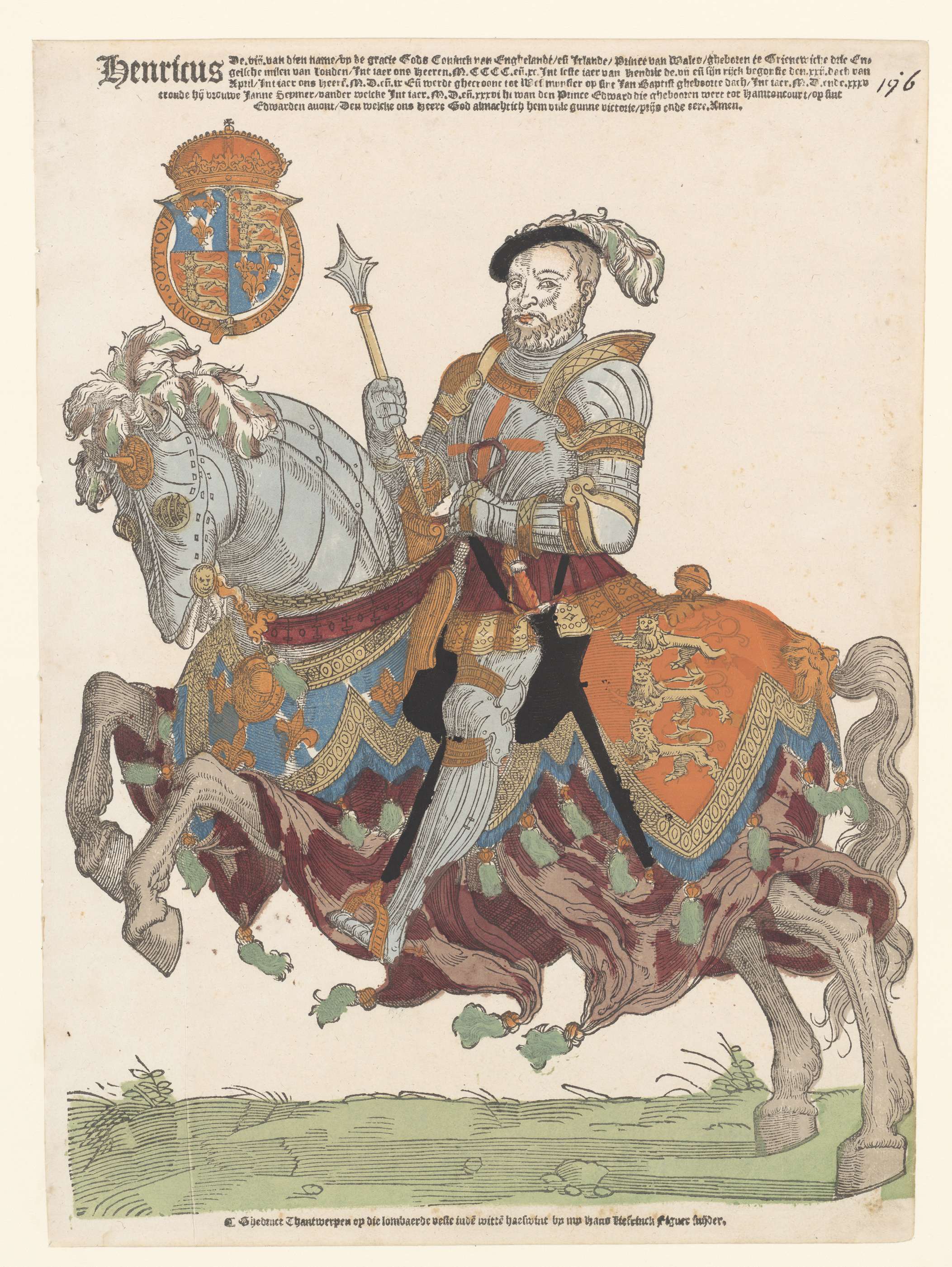
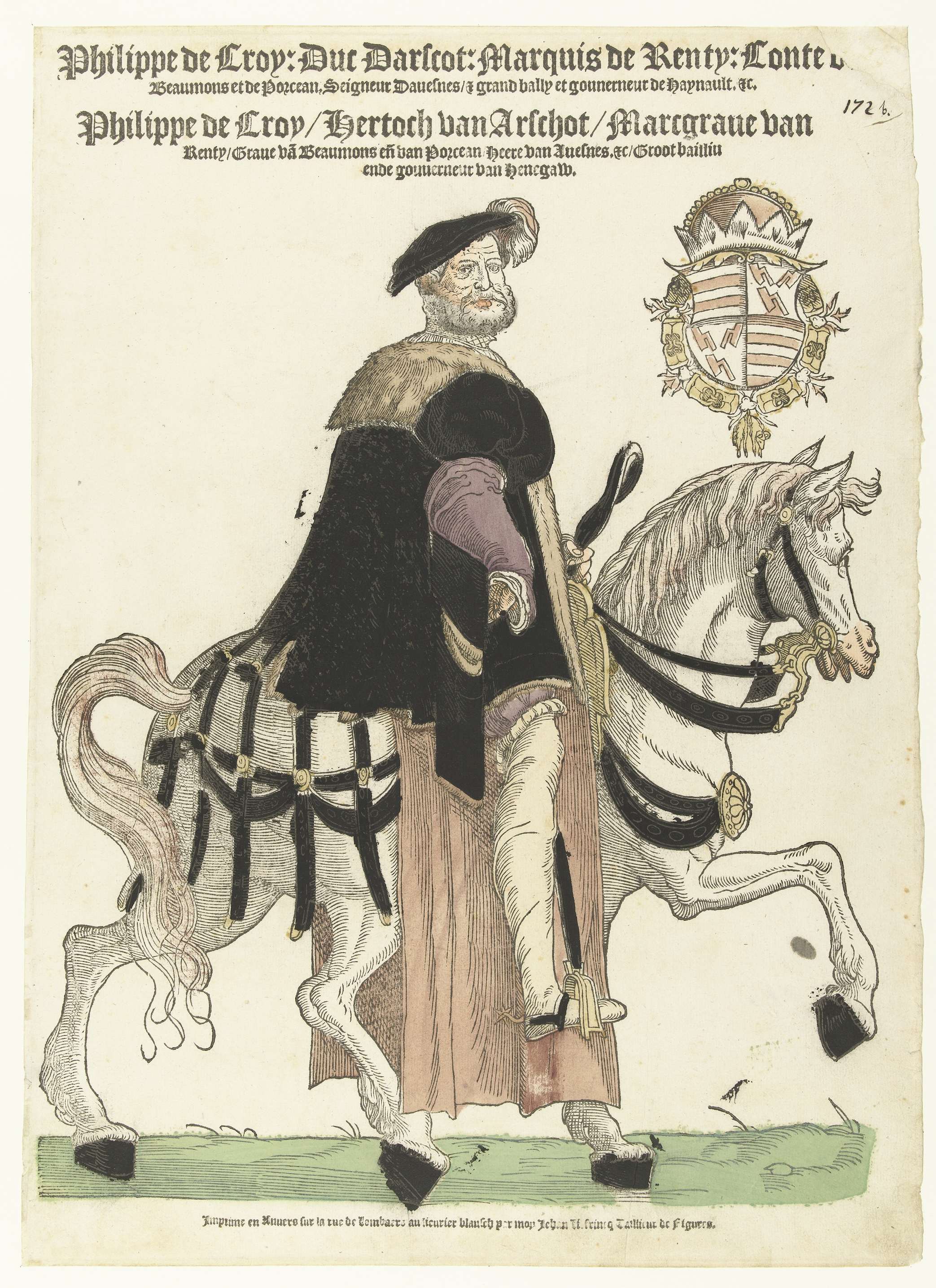
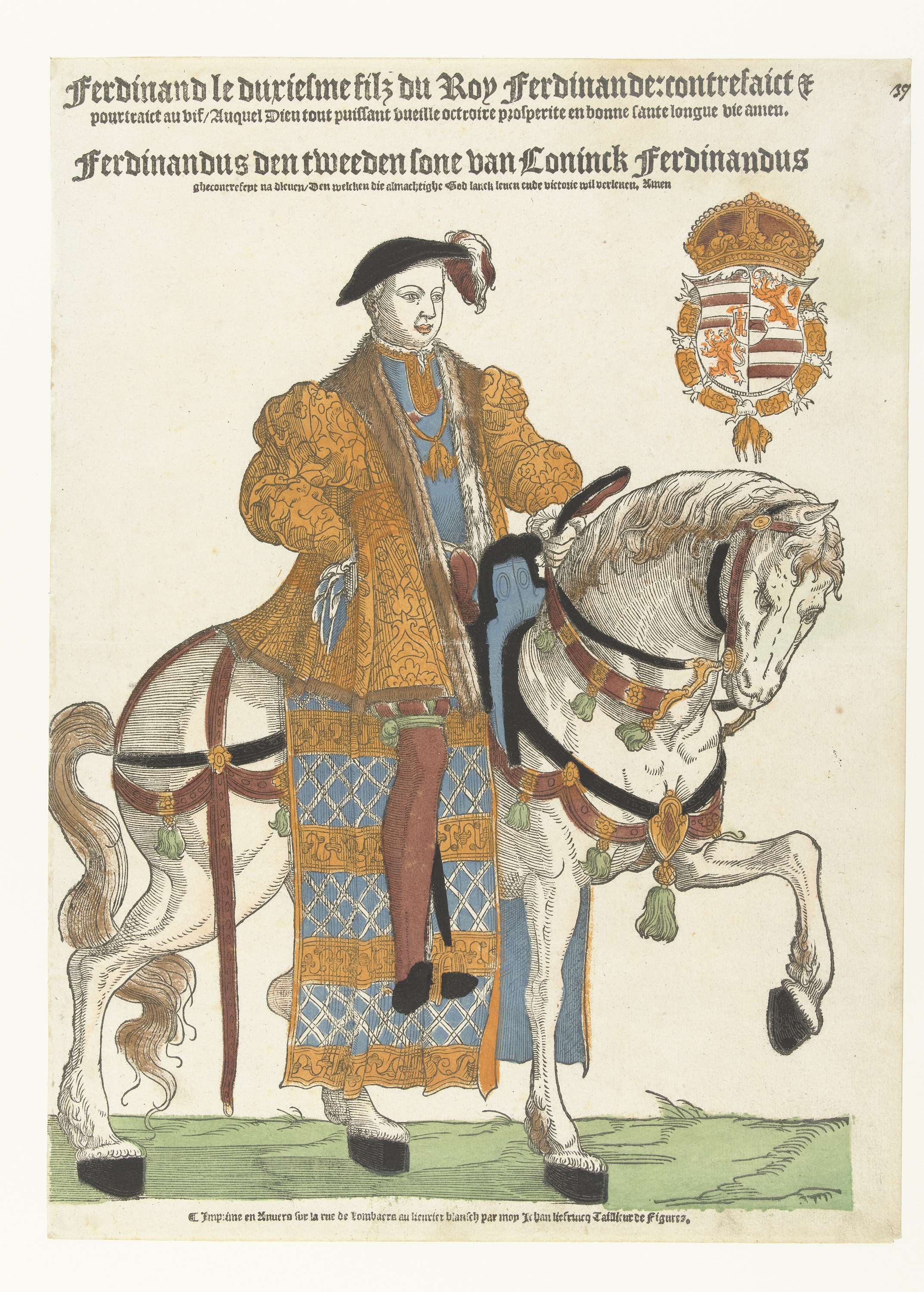
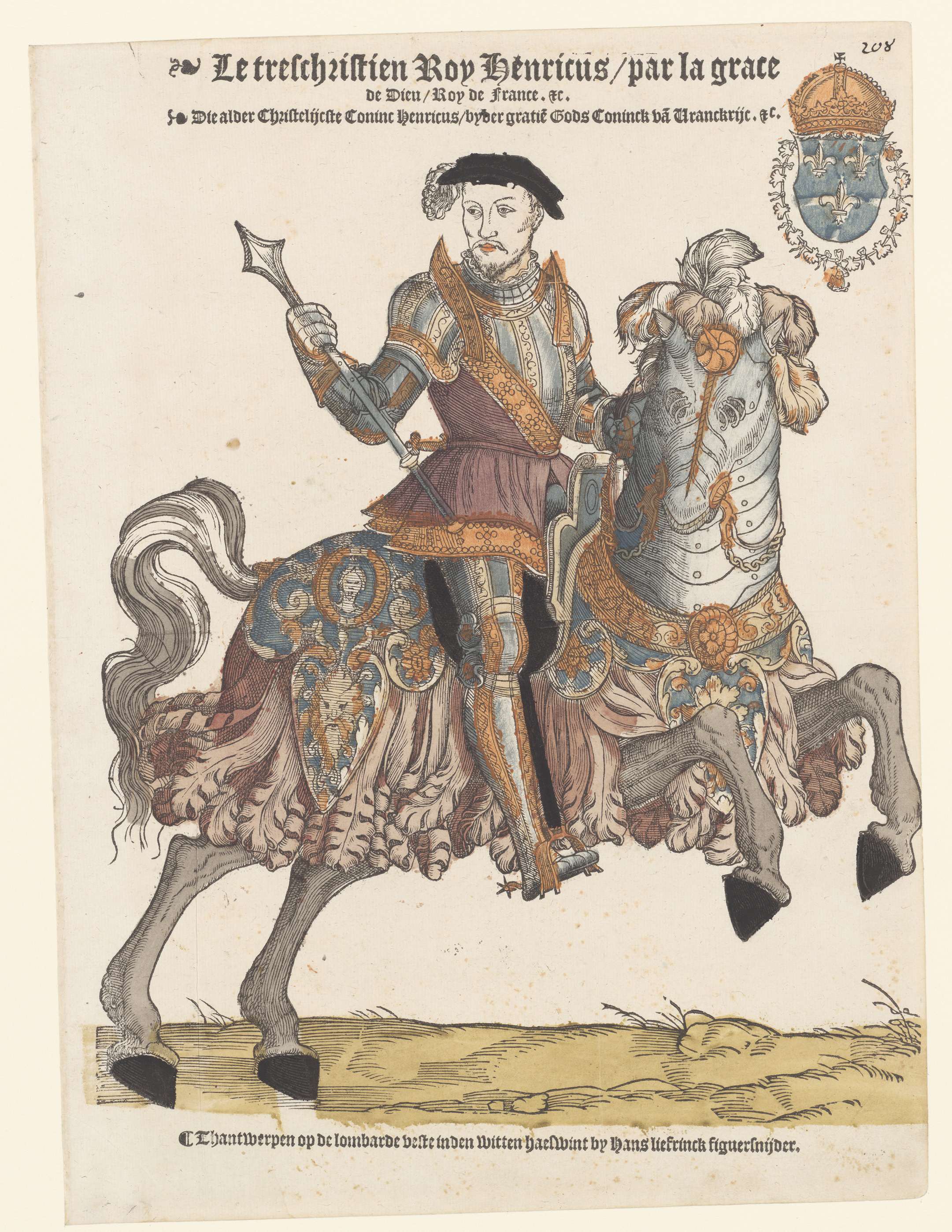
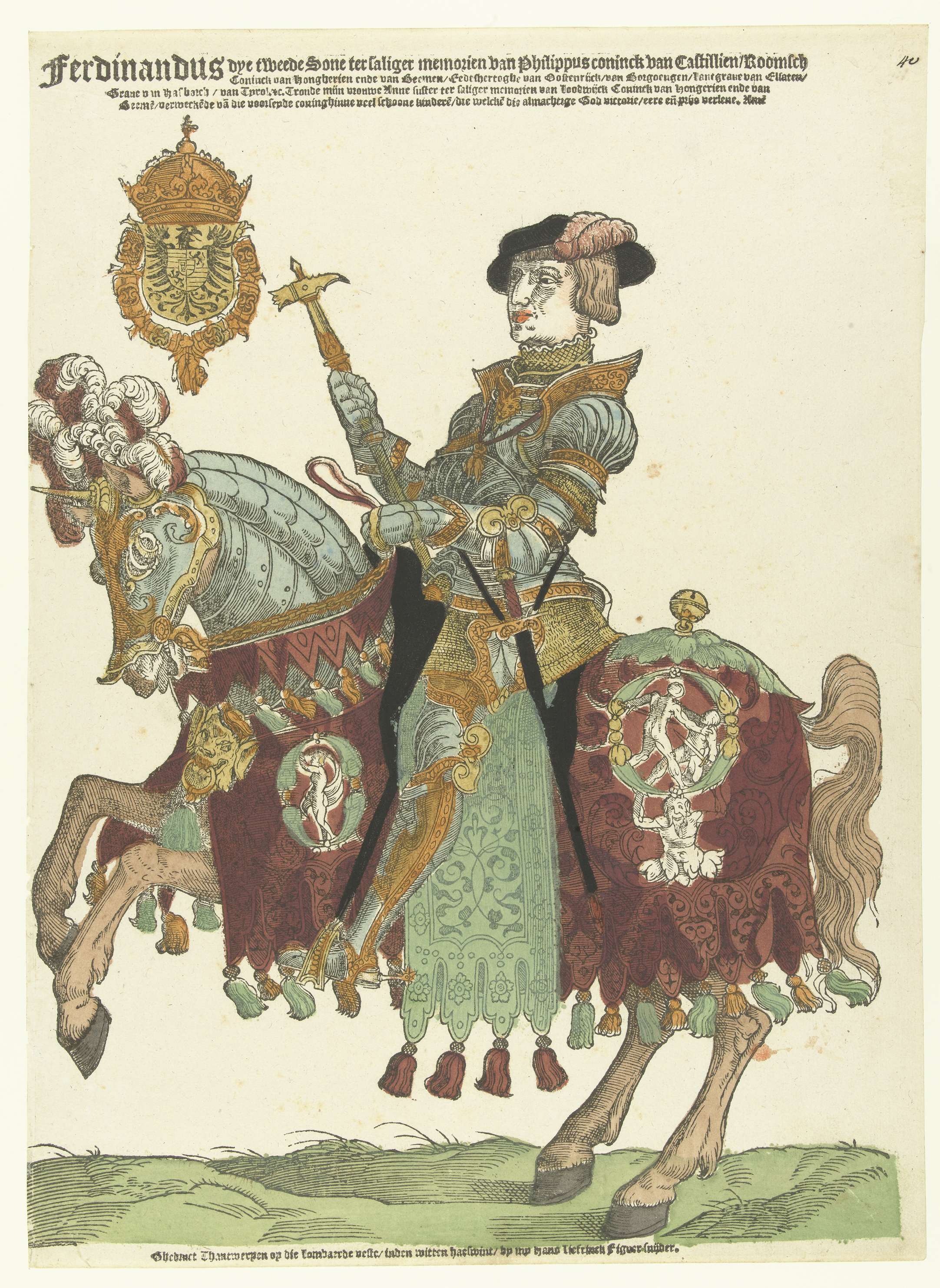
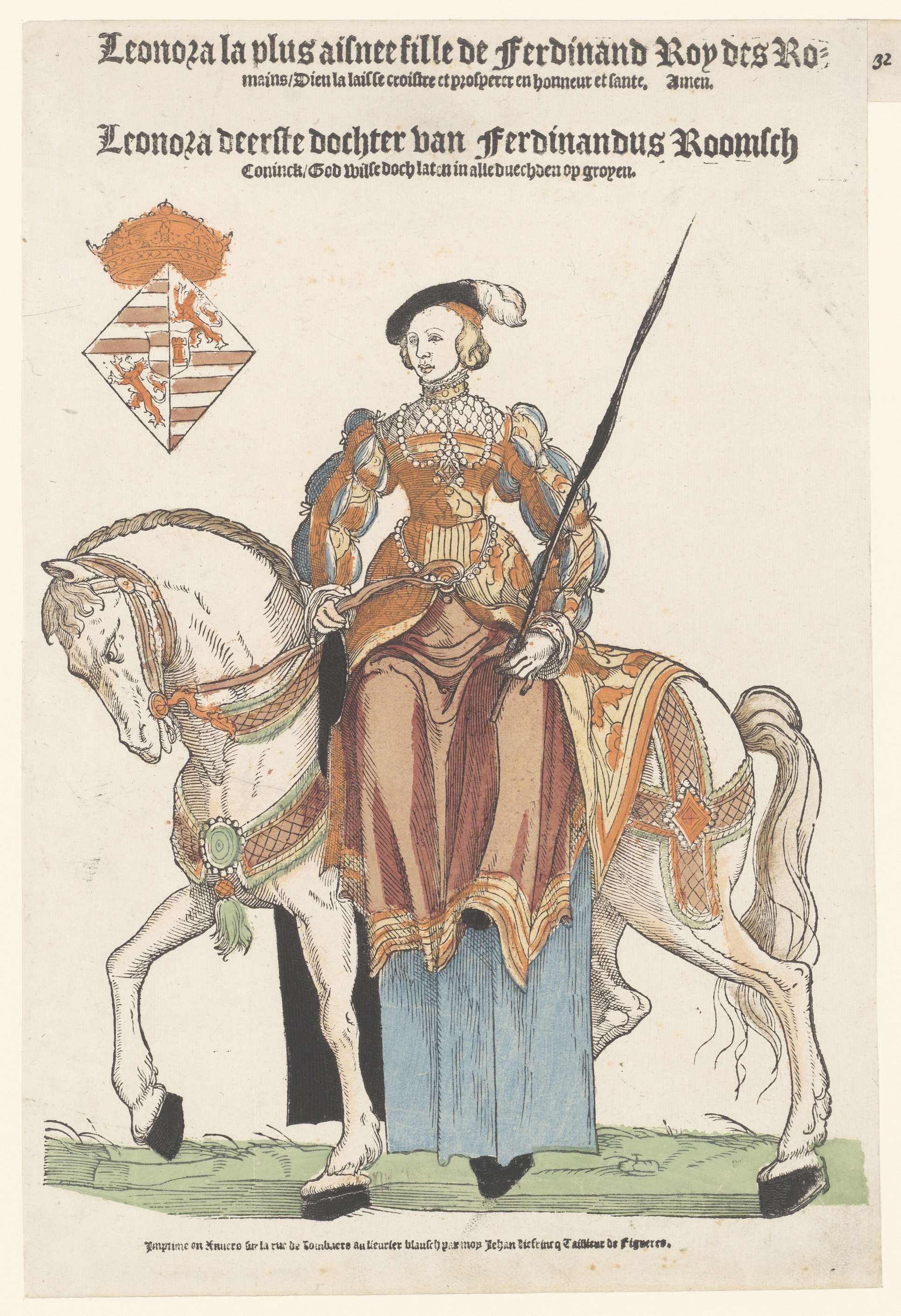
“Every silence here is a confession.” In the stillness of this regal portrait, an echo of nostalgia lingers, whispering tales of power, vulnerability, and the passage of time. Focus first on the commanding figure at the center, Karel V. His armored silhouette gleams beneath the soft illumination, every detail of his resplendent attire meticulously rendered. Notice how the warm tones of gold and deep blue contrast with the cooler shadows, framing him against a lush background.
The horse, majestic and poised, enhances the gravitas, while Karel’s direct gaze seems to bridge centuries, inviting viewers into a dialogue with history. Beneath the surface, this work encapsulates contrasting emotions. The armor suggests strength and authority, yet the somber expression hints at the weight of leadership and solitude. The intricate detailing in the horse’s mane reflects the care of the artist, drawing a parallel to the nuances of Karel’s reign—one marked by triumphs yet shadowed by the challenges of governance.
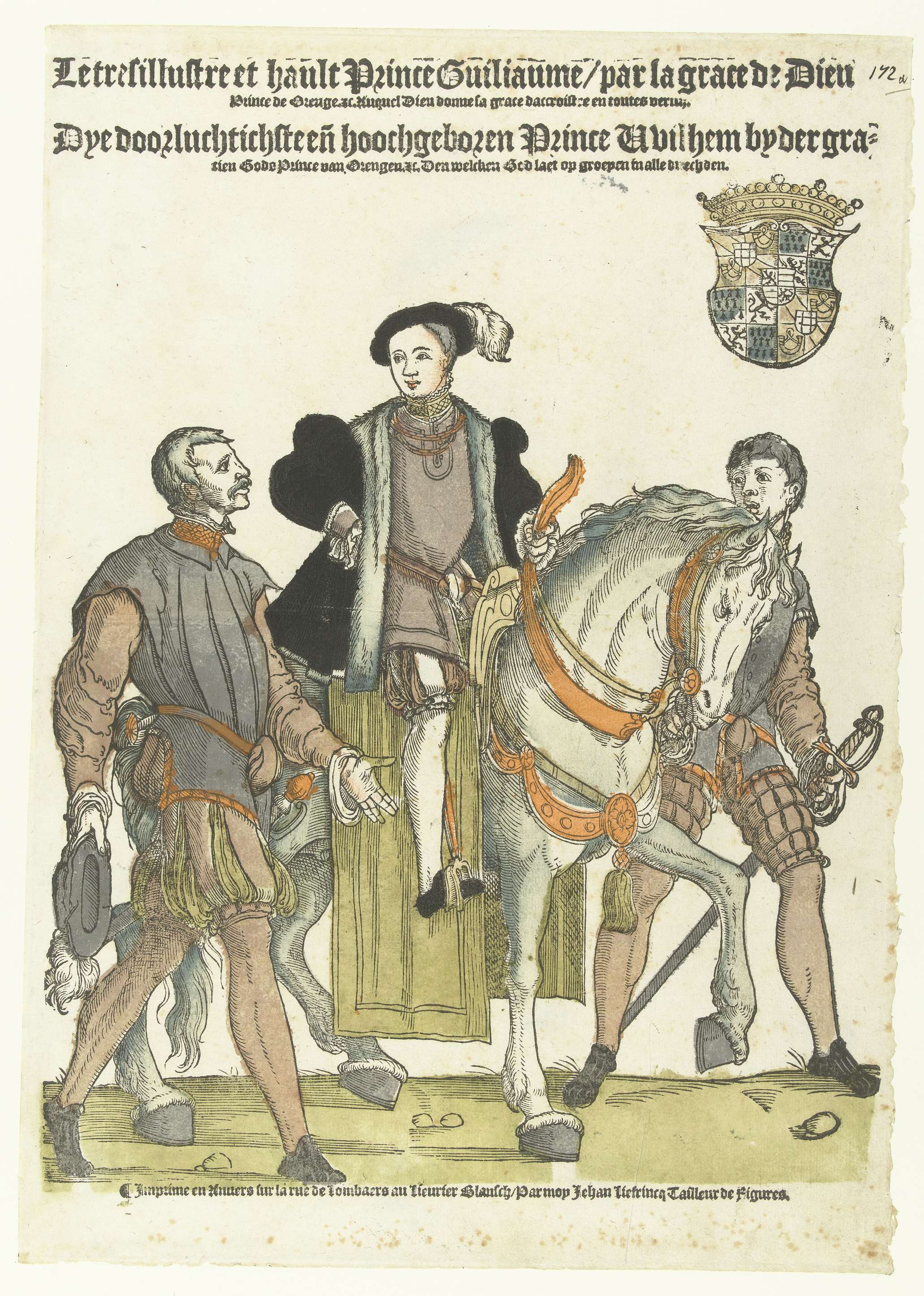
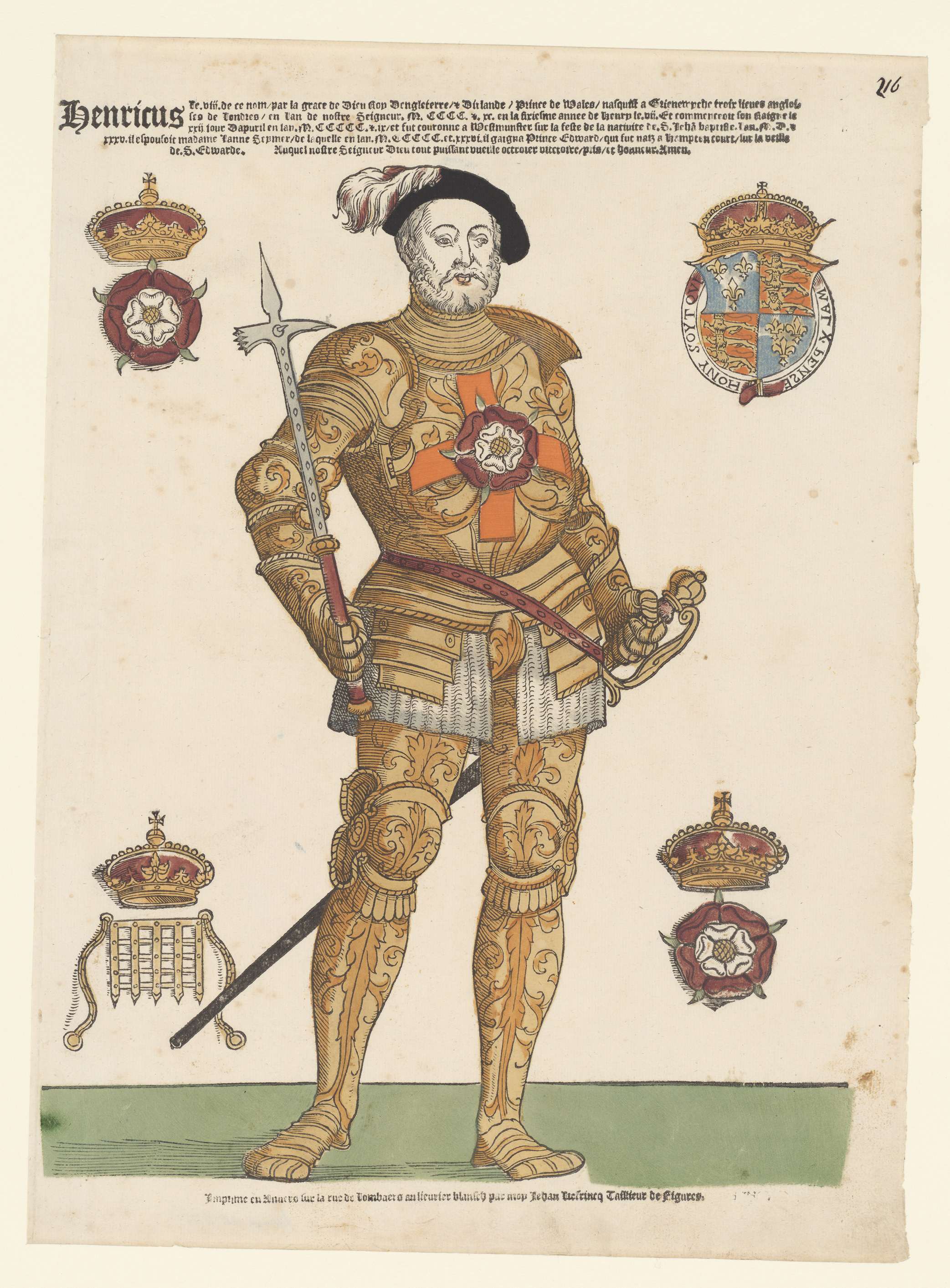
Each brushstroke reveals a layer of nostalgia, recalling an era where power was visually symbolized through both man and beast. Hans Liefrinck (I) created this portrait in the mid-16th century, a time when the Holy Roman Empire faced significant political unrest and transformation. The artist was navigating the complex artistic climate of the Northern Renaissance, which embraced realism and detailed representation. This period marked a profound exploration of identity and authority, elements captured in this poignant portrayal of Karel V.