Portret van Filips de Croy te paard — History & Analysis
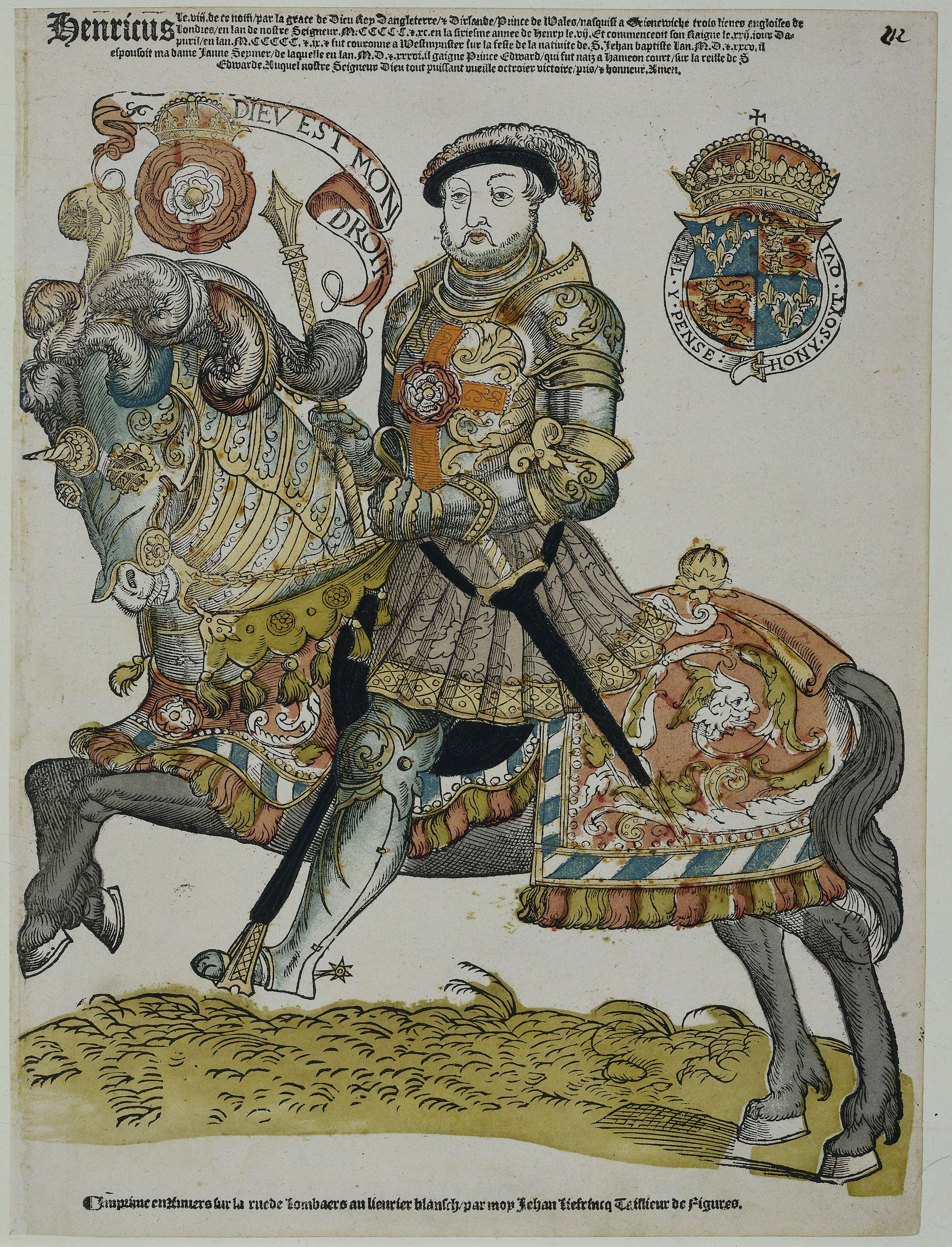
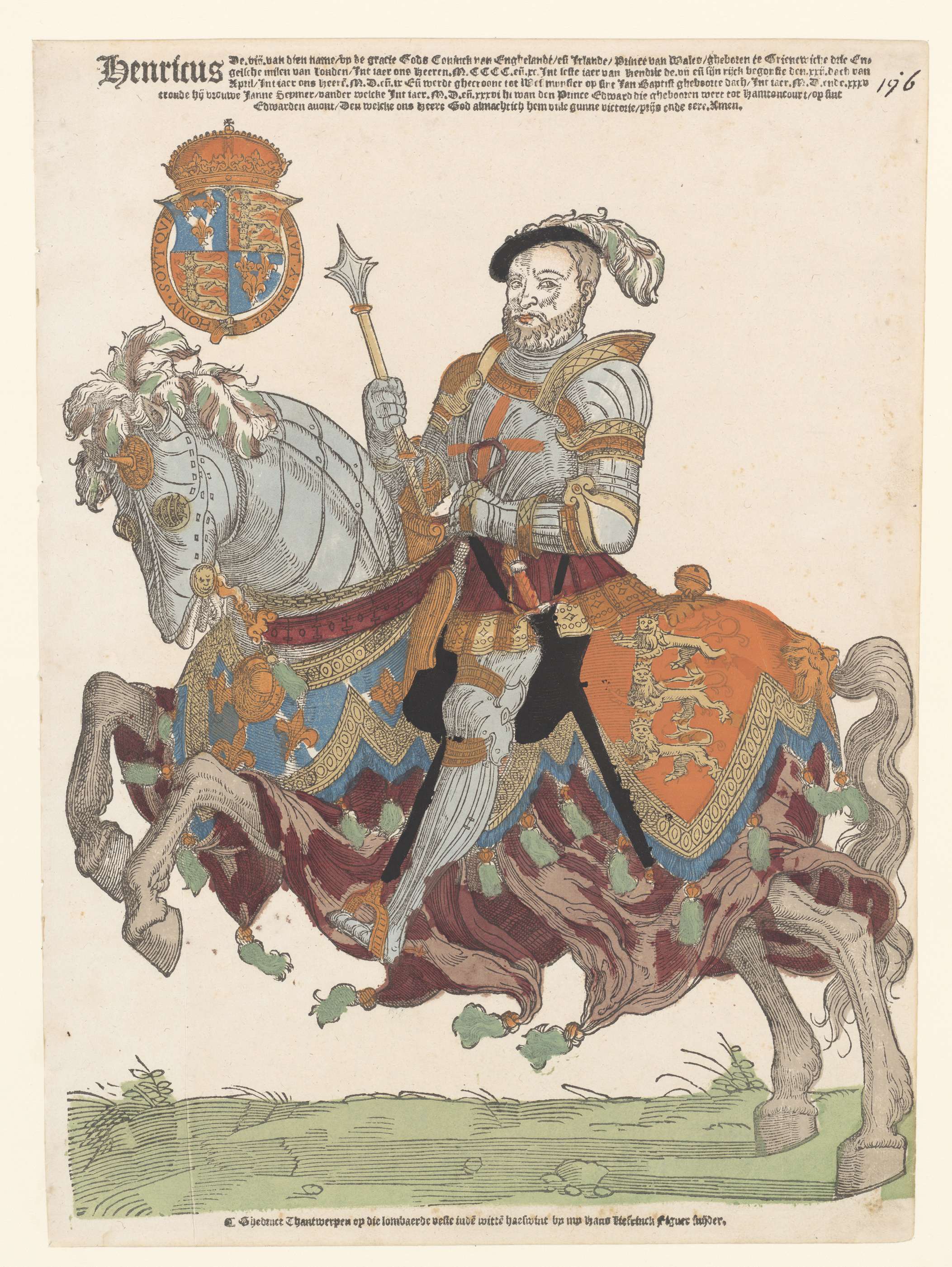
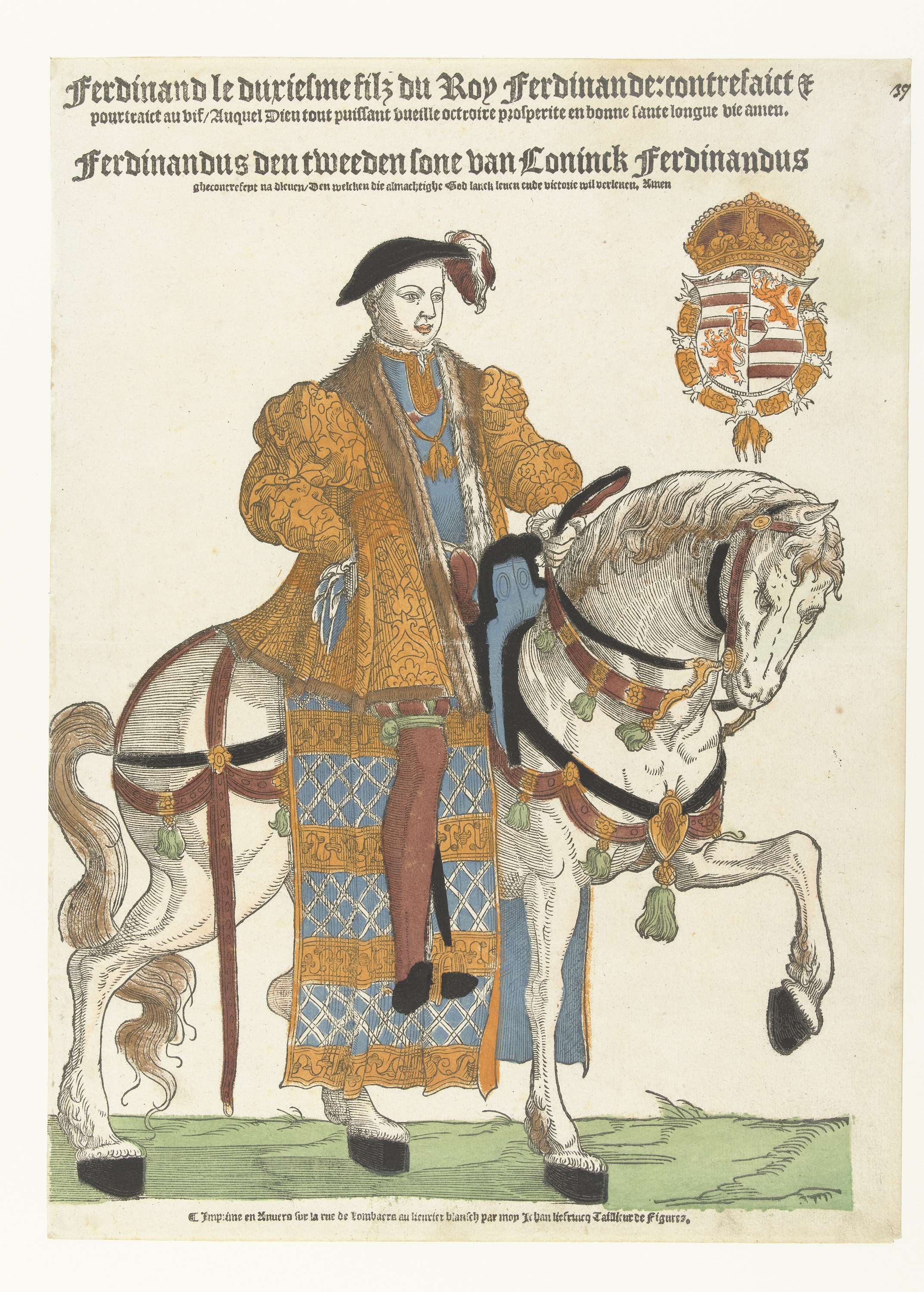
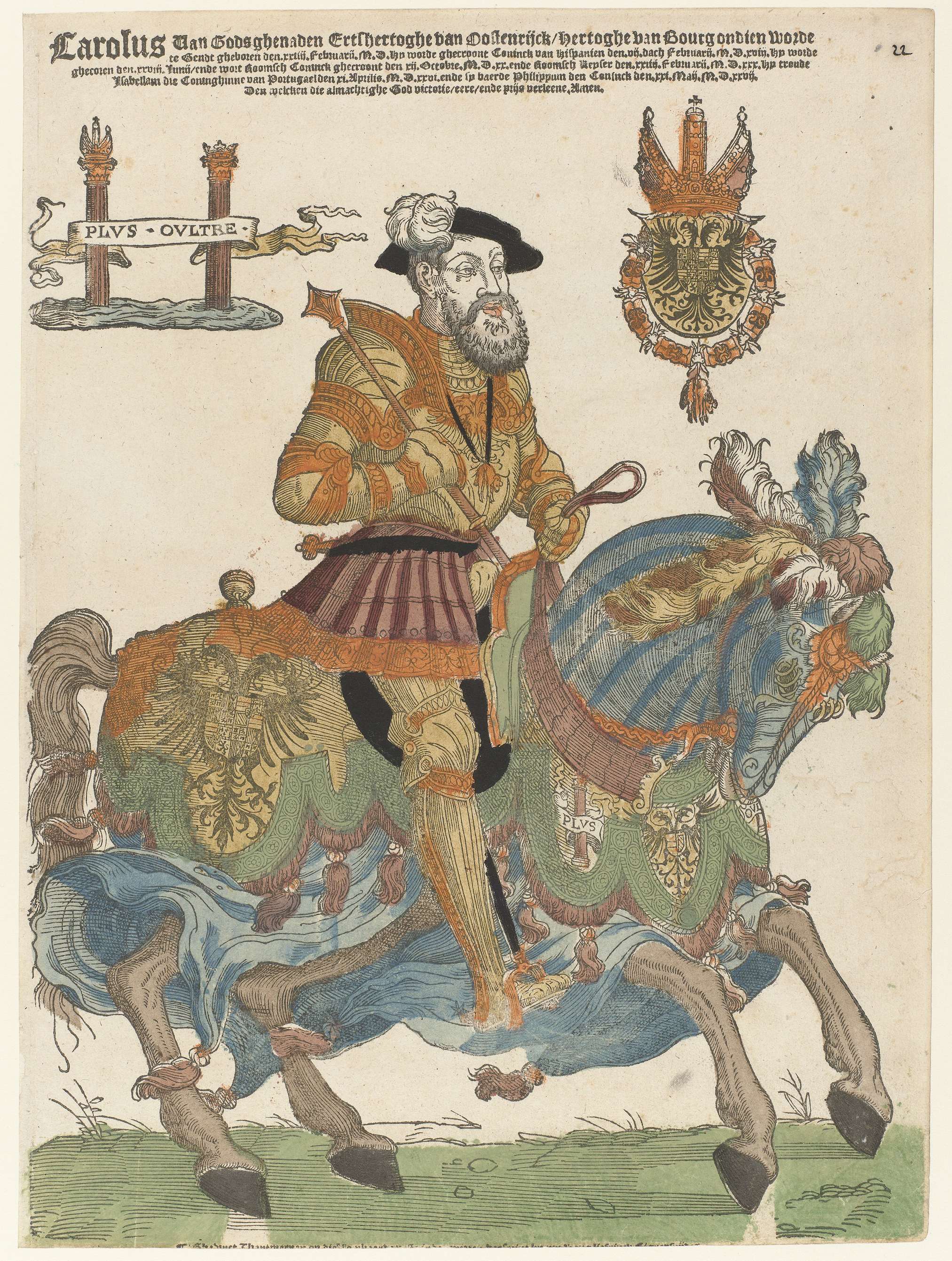
“To paint is to remember what time wants us to forget.” This notion echoes through the strokes of a masterful portrait, capturing not just a likeness but the very essence of destiny intertwined with identity. In this artwork, the weight of legacy presses upon the figure, inviting the viewer to ponder the intersection of power, privilege, and mortality. Look to the left at the imposing figure of Filips de Croy, confidently poised atop his steed, draped in rich fabrics that shimmer with gold and deep hues. The meticulous detailing of the horse's muscles contrasts the softness of the fabric, creating a dynamic interplay between strength and elegance.
Notice how the light accentuates the contours of his face, revealing a countenance marked by determination and purpose, while shadows linger in the background, hinting at the burdens of his lineage. Within the composition, there’s a profound tension between the vibrancy of the character and the muted landscape behind him, symbolizing the conflict between ambition and the inevitable passage of time. The horse, both a companion and a vessel of status, conveys a sense of nobility, yet its restless stance suggests a deeper yearning for freedom. Each brushstroke captures not only the physical but also the emotional weight of the subject, making us reflect on the legacies we inherit and those we strive to forge.
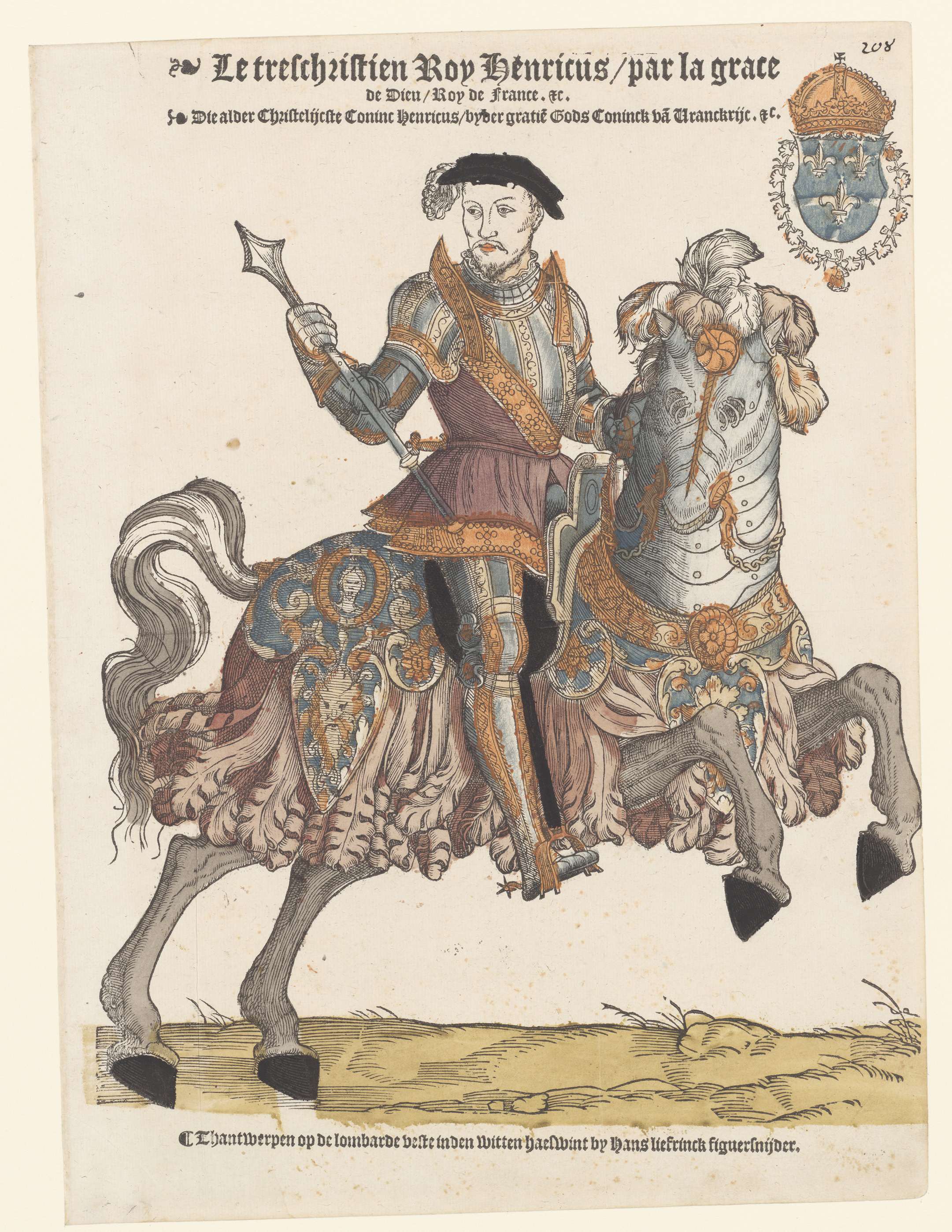
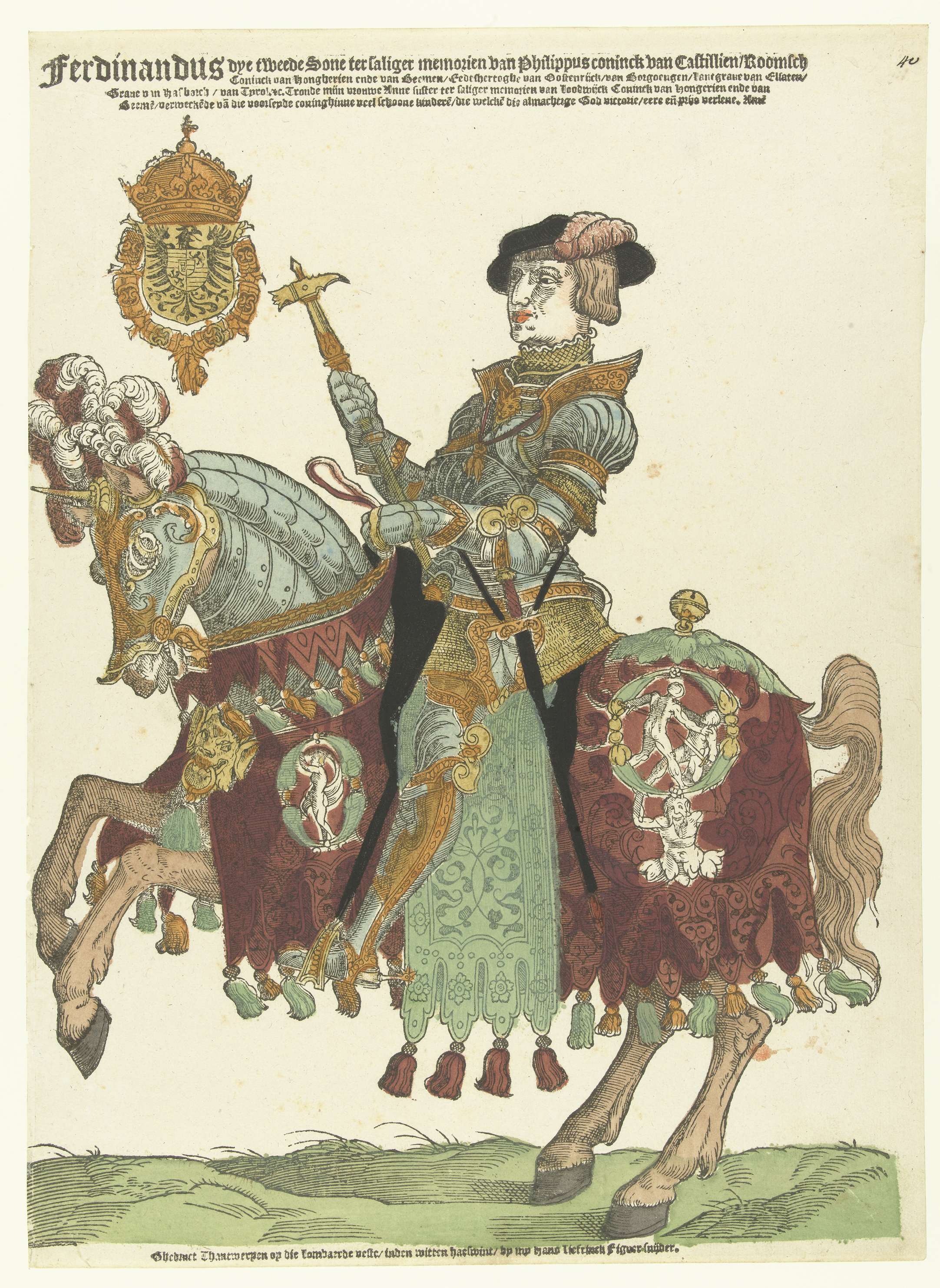
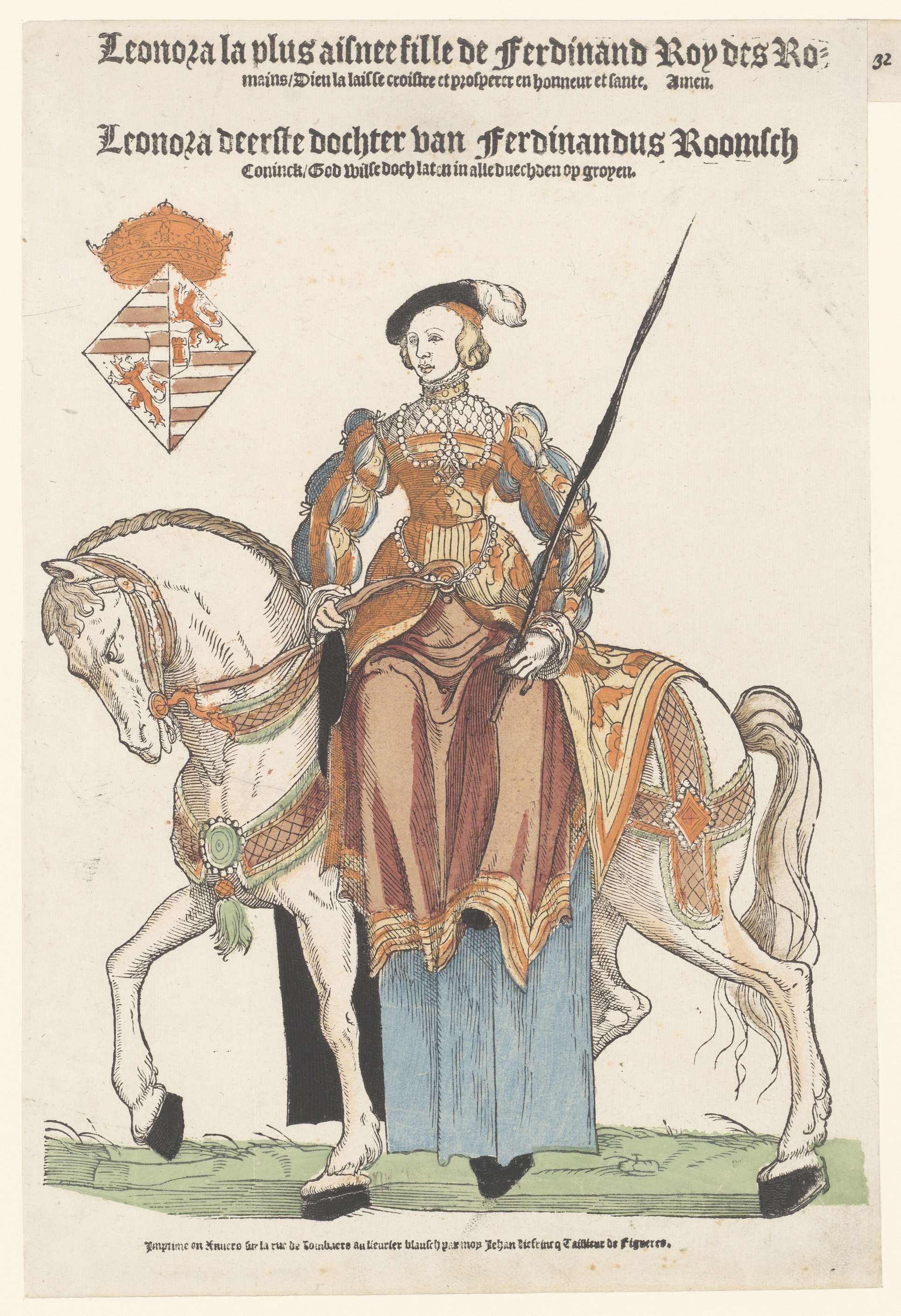
Hans Liefrinck (I) created this portrait during a period of shifting artistic paradigms in the mid-16th century, where the Dutch Renaissance was flourishing. Painted between 1539 and 1549, it reflects the rising influence of portraiture, as artists sought to document not just individuals but the intricate narratives of their time. Liefrinck, working in Antwerp, embraced these changes, intertwining personal stories with broader historical contexts, inviting viewers to connect with the figures beyond their surfaces.