Portret van Hendrik VIII van Engeland — History & Analysis
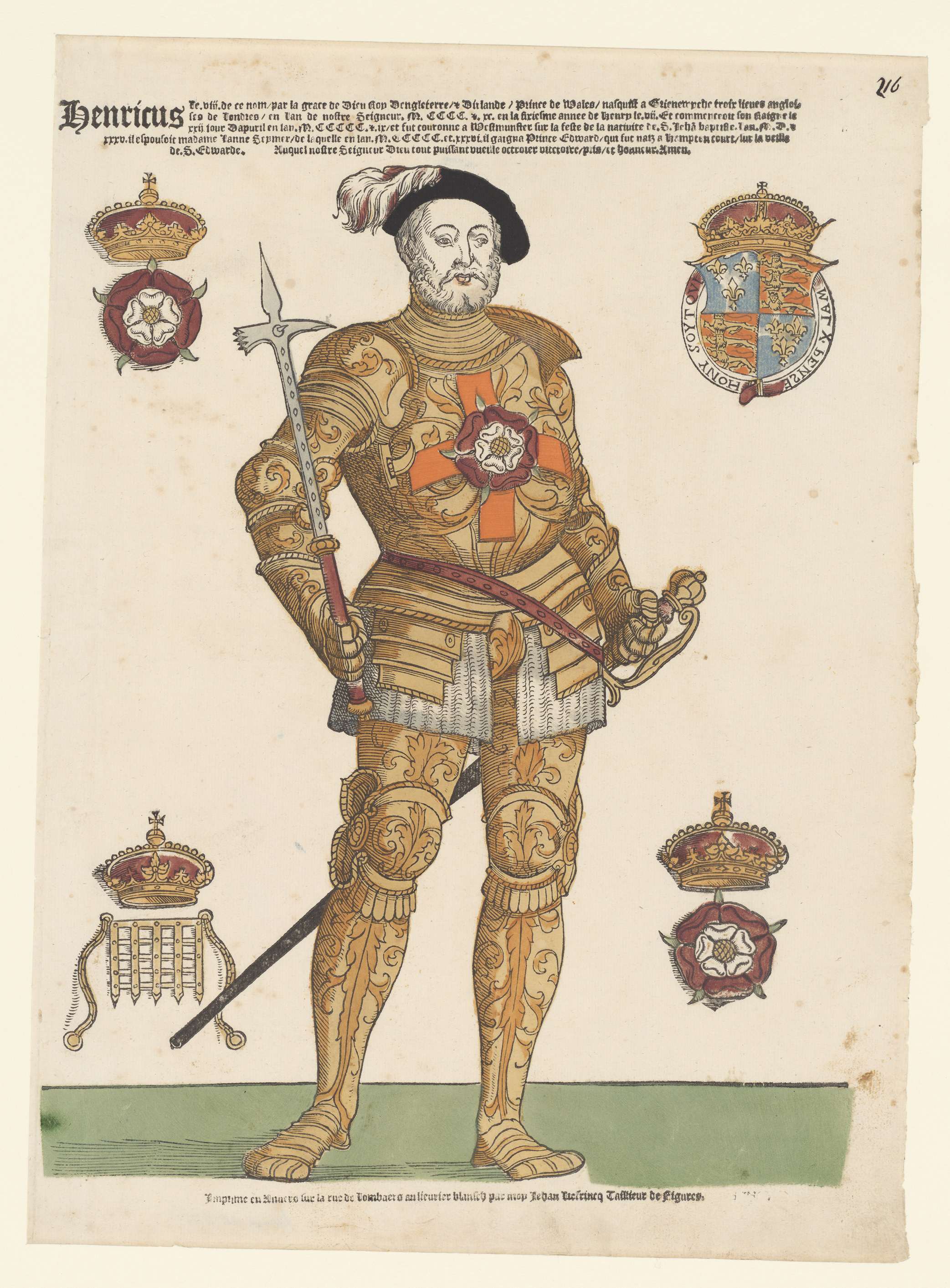
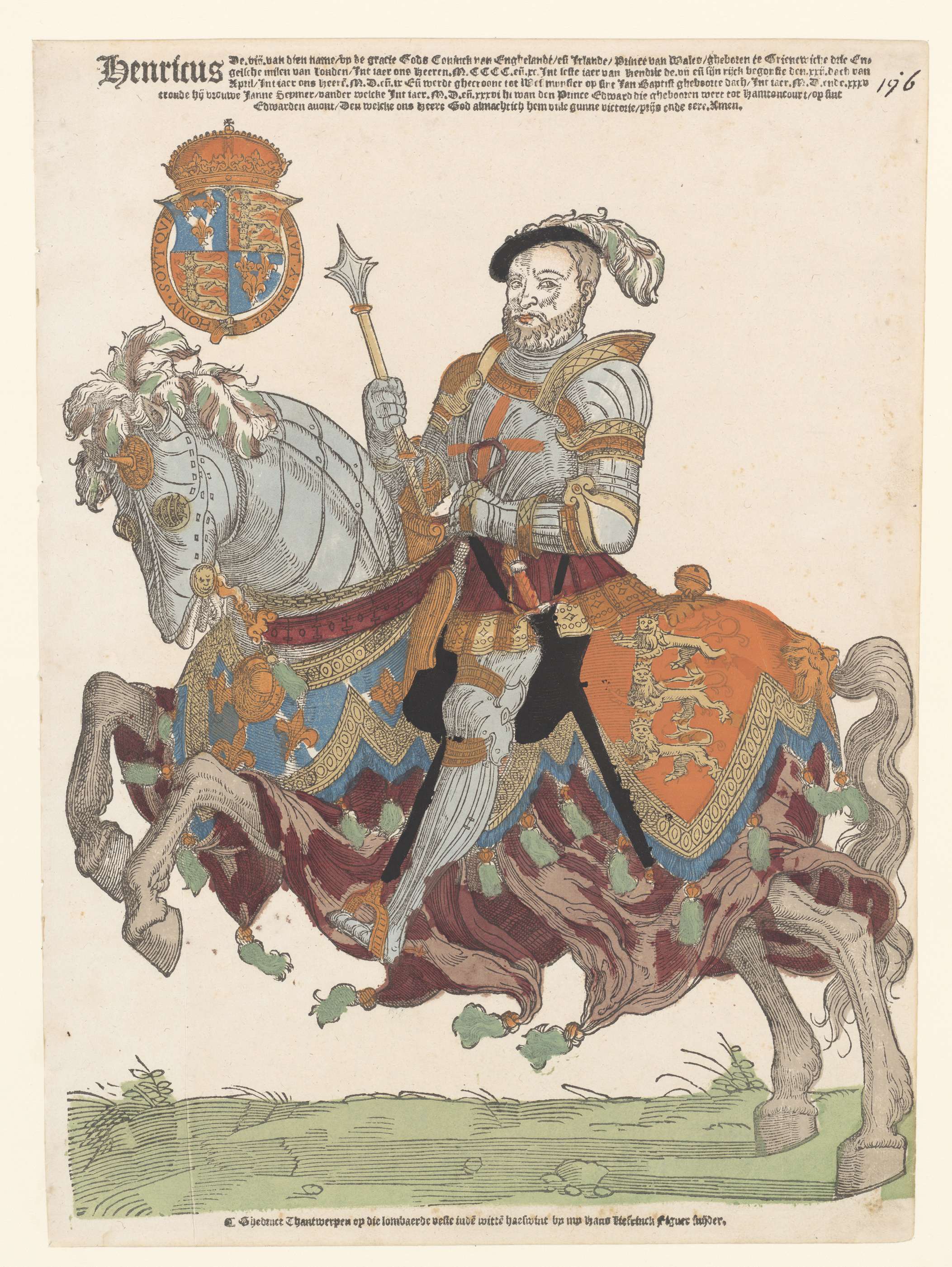
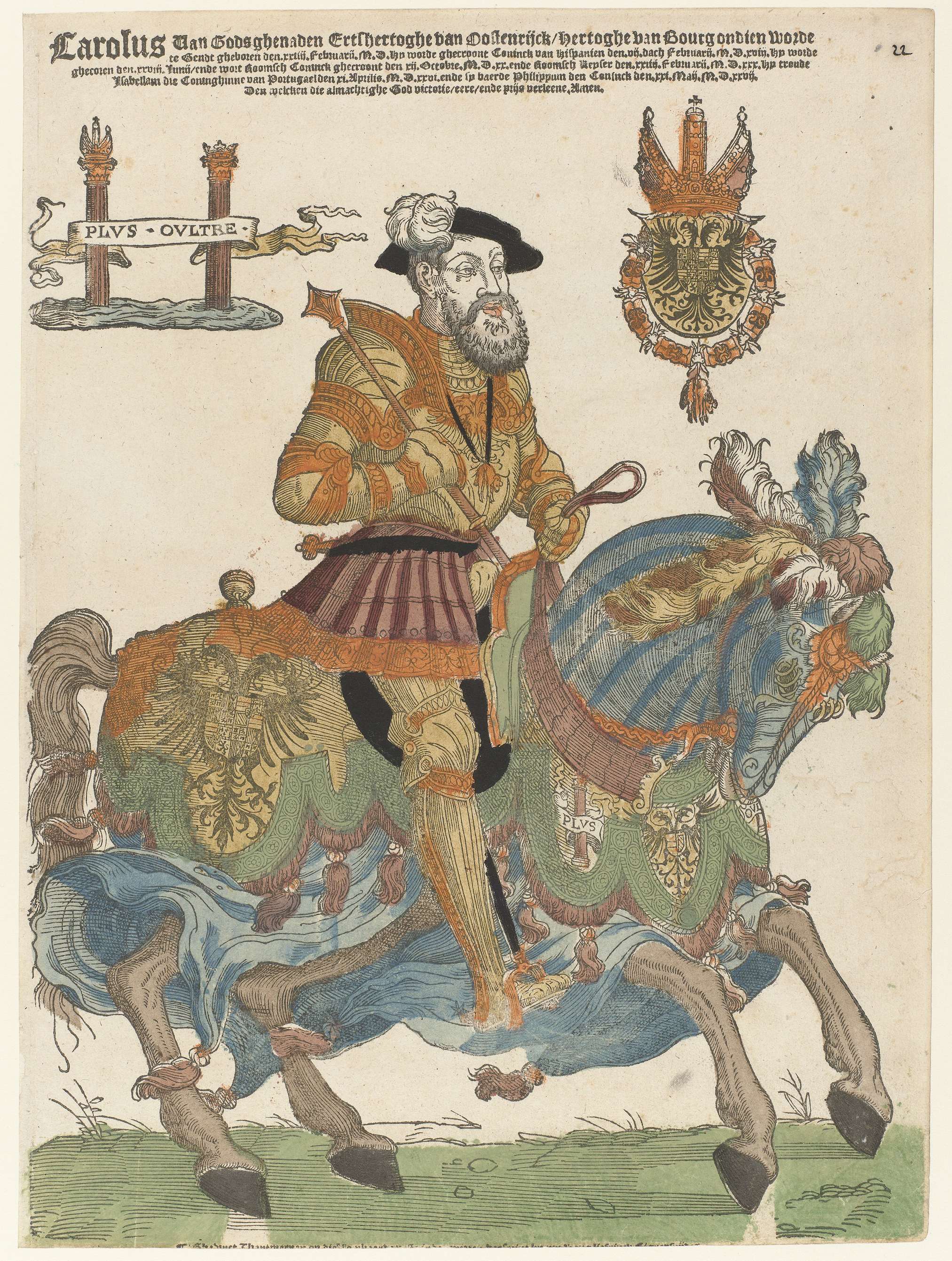
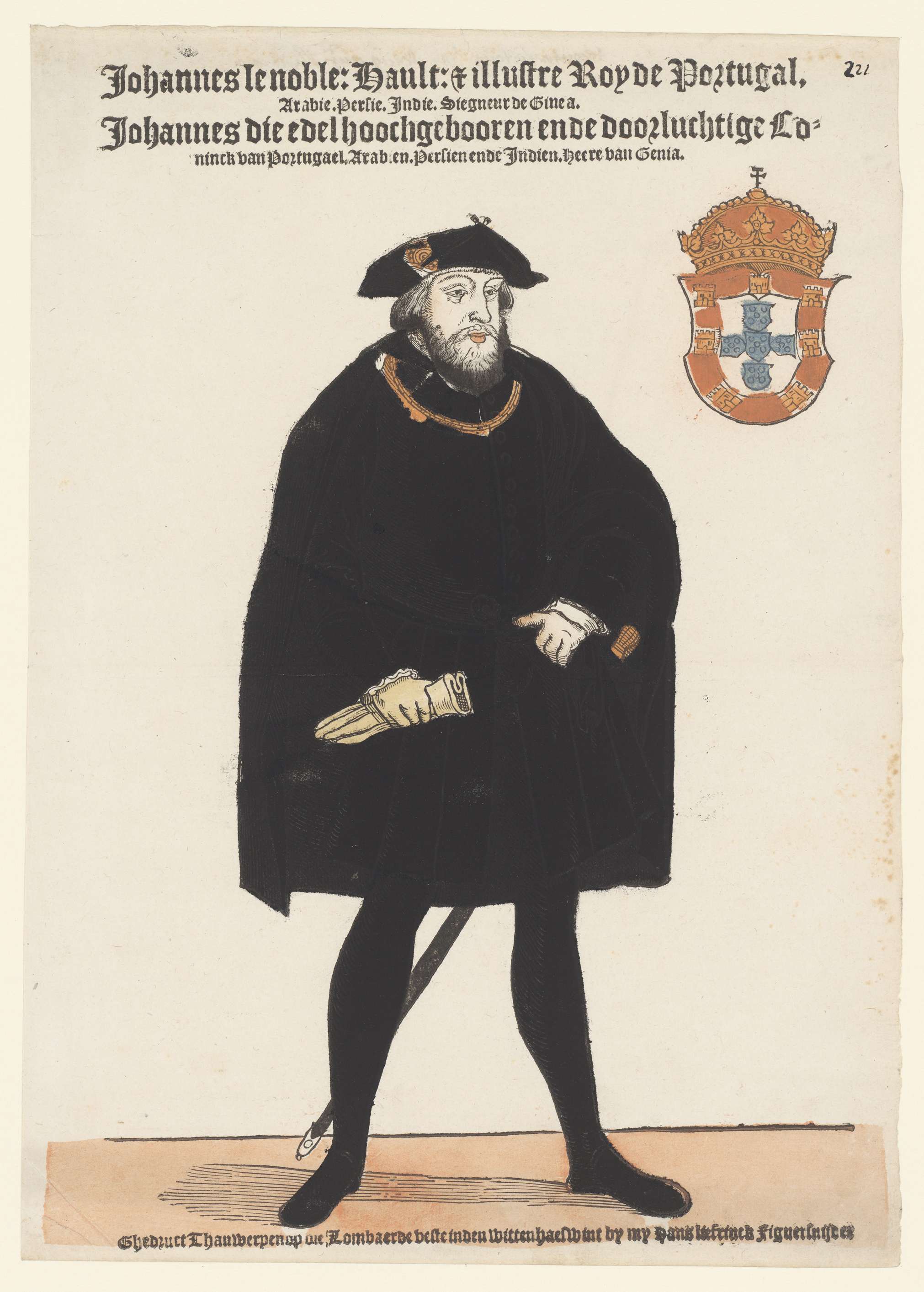
What if silence could speak through light? In Portret van Hendrik VIII van Engeland, the radiance illuminating the king transforms mere canvas into a realm where power and presence converge. Look directly at the figure of Henry VIII, where the brilliant golden hues of his attire contrast sharply with the deep, shadowed background. Notice how the sumptuous textures of his garments—rich brocade and delicate lace—are captured with meticulous brushwork, evoking a sense of opulence and authority. Focus on the slight tilt of his head and the directness of his gaze, which command your attention and invite you into an intimate dialogue with the monarch, while the subtle play of light adds depth to his character.
Yet, within this portrayal lies a complex interplay of power and vulnerability. The king's stern expression suggests an unwavering rule, but there’s a subtle hint of isolation in his posture, as if the weight of his crown is borne alone. The contrast between his vibrant attire and the enveloping darkness around him reflects the duality of his reign—his public grandeur shadowed by personal turmoil and the political strife of the era. Every detail, from the lavish jewels to the slight pursing of his lips, reinforces the tension between visibility and solitude.
Created between 1539 and 1547, this work emerged during a pivotal time for the artist. Hans Liefrinck (I) was establishing his reputation in a court that demanded not just likenesses but also narratives of power through portraiture. Henry VIII, in the throes of personal and political upheaval, sought to immortalize his image amidst the Renaissance's transformative echoes in England. This painting stands as a testament to the era's complex interplay of art, power, and identity.