Portret van Maarten van Rossum te paard — History & Analysis
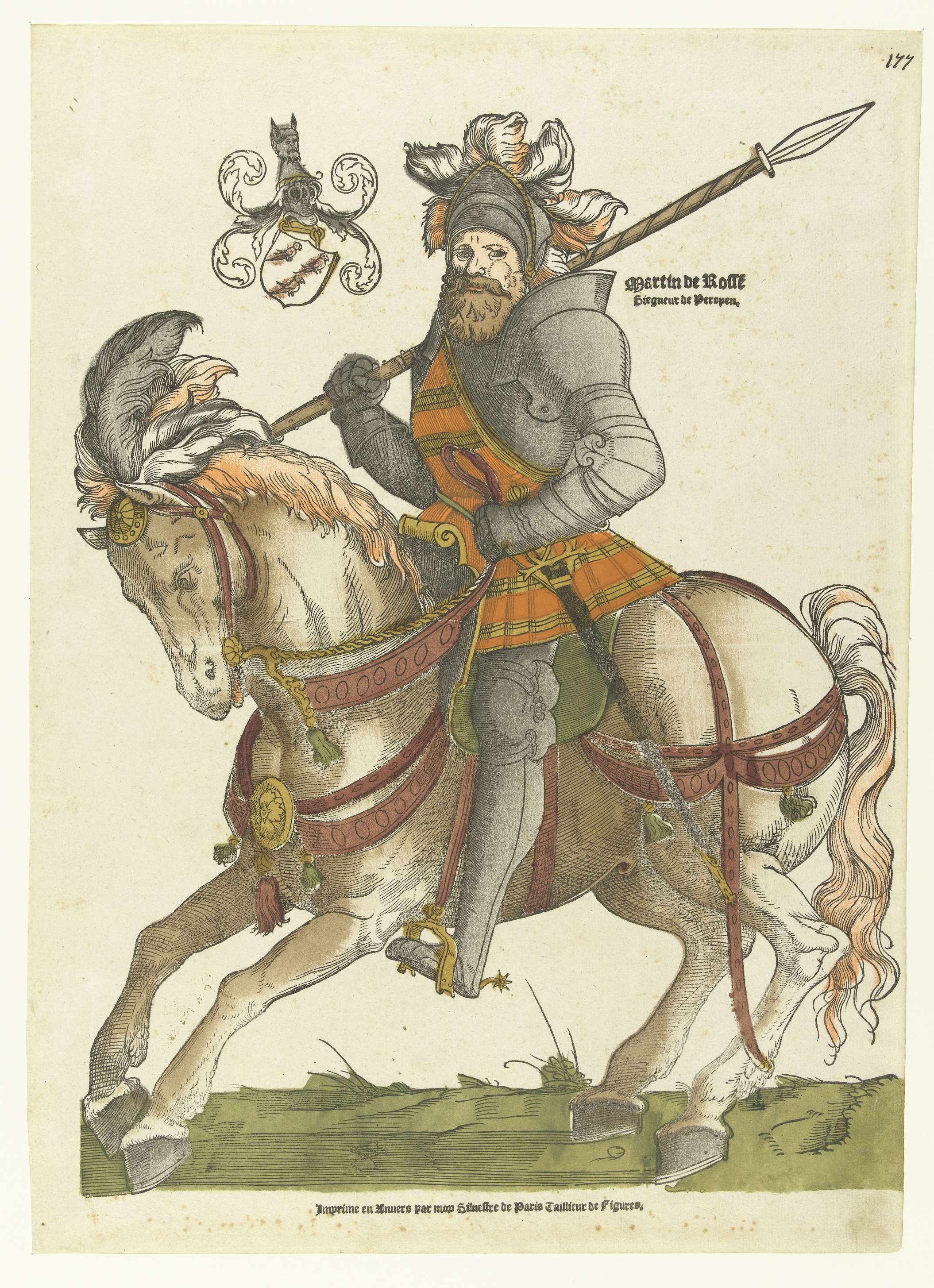
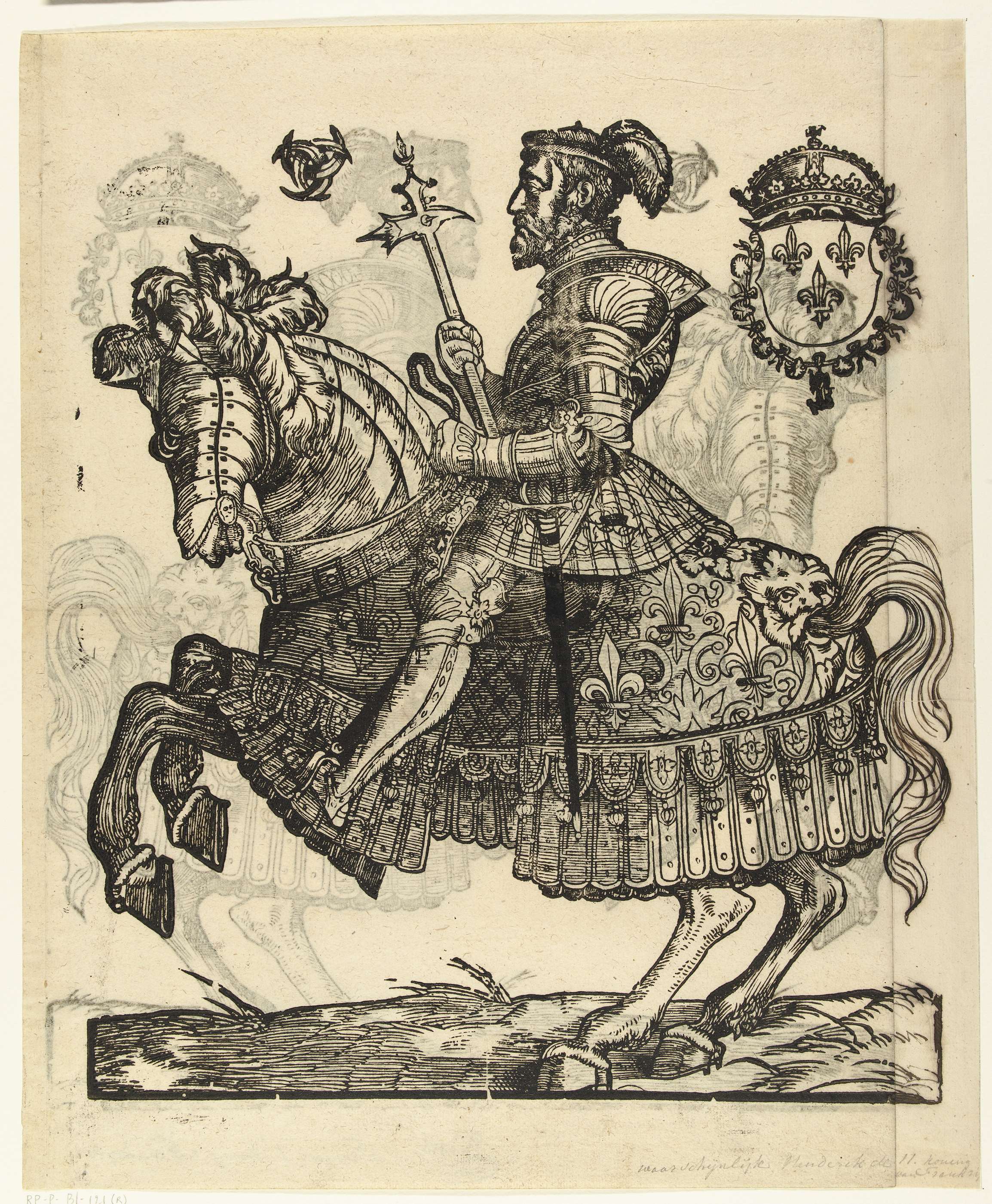
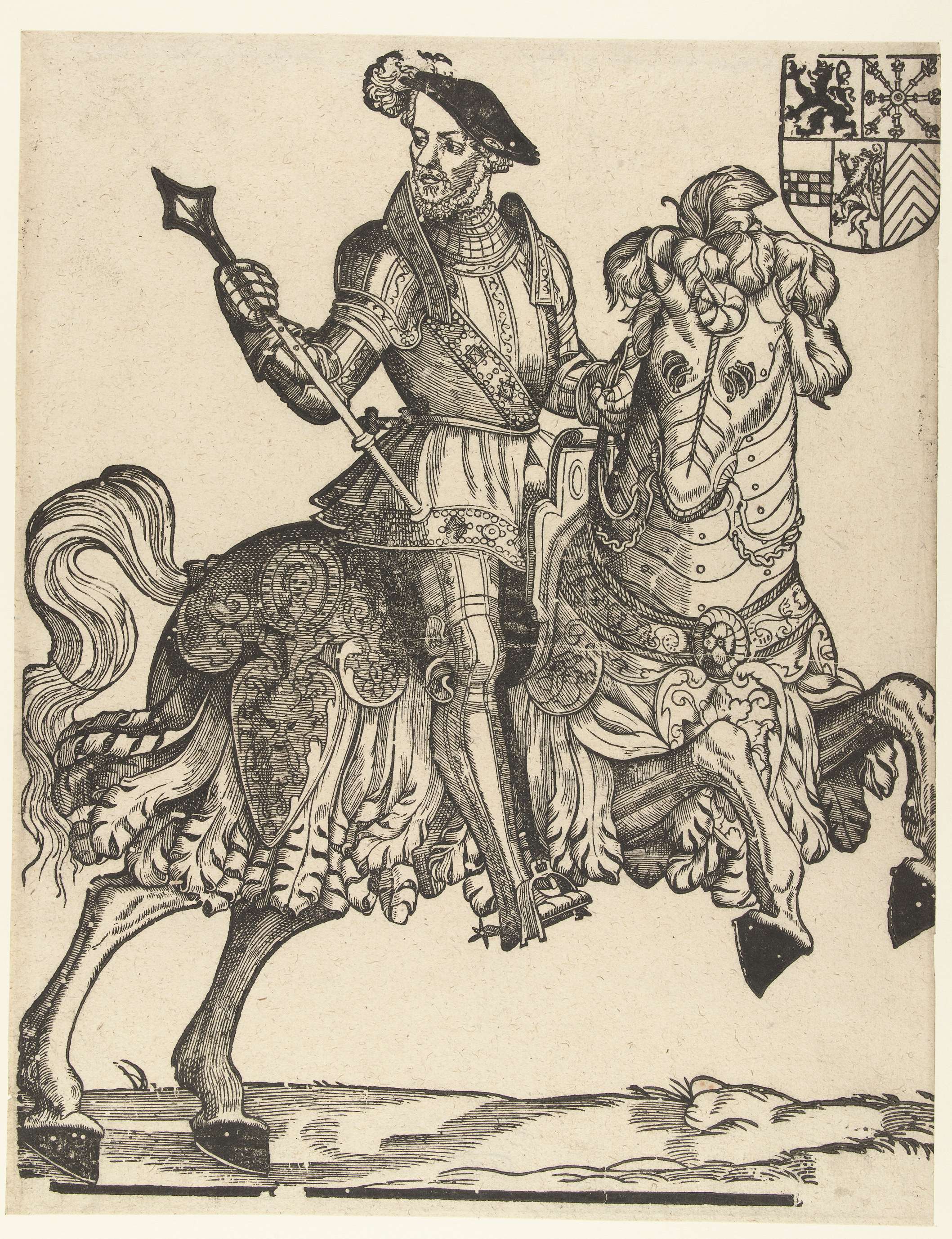
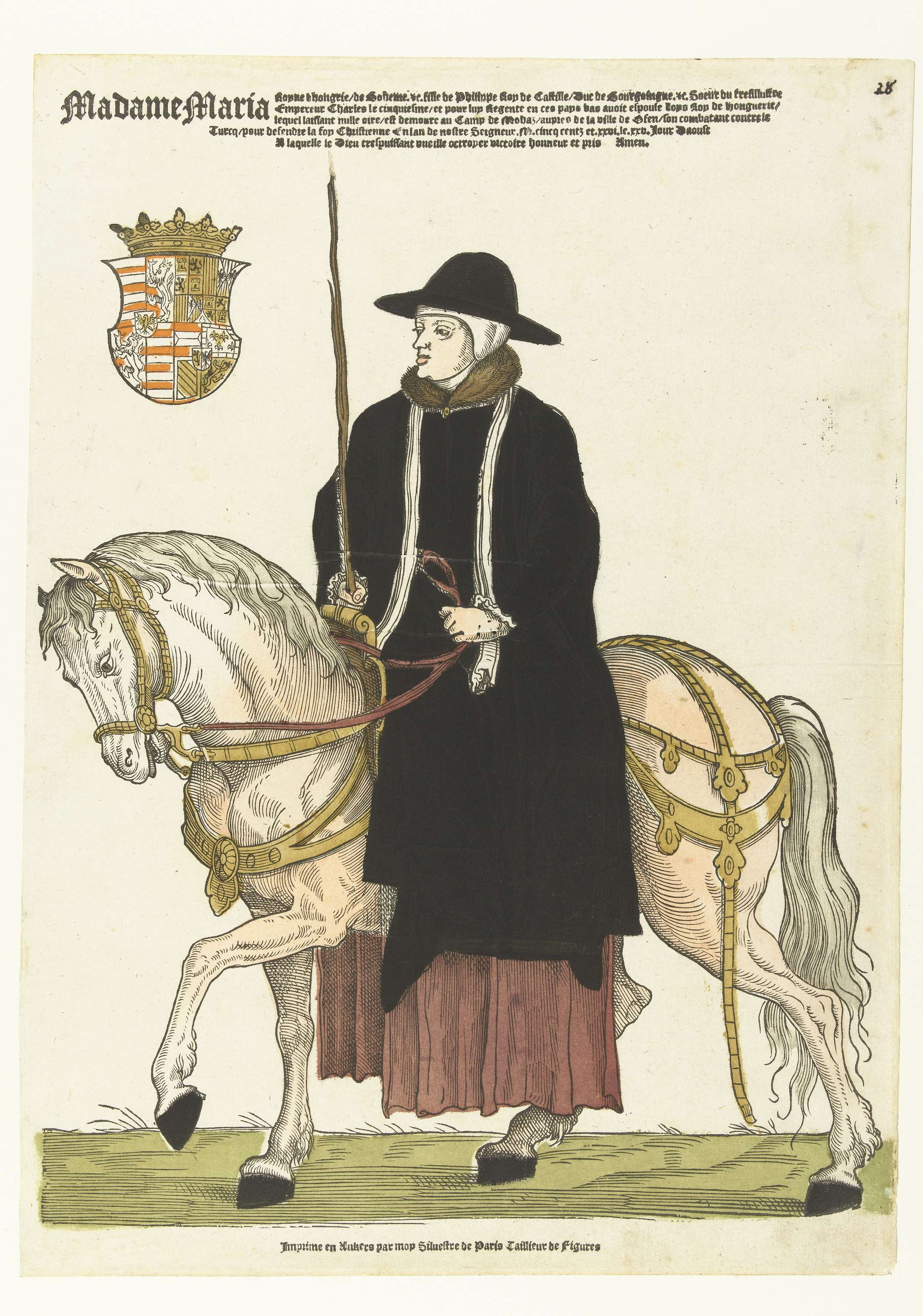
Could beauty survive in a century of chaos? In a world of shifting allegiances and unsteady foundations, the power of nostalgia paints a compelling portrait of resilience. Notice how the figure at the center commands the viewer's attention, his regal posture atop a magnificent steed. Focus on the intricate details of the armor, glimmering with the sheen of gold and silver, reflecting an era steeped in both grandeur and turmoil.
The background, a soft wash of muted colors, frames the subject, drawing the eye to the vivid contrast of the vibrant clothing against the somber landscape. Delve deeper into the brushstrokes that suggest a turbulent history, with the figure not simply a nobleman but a representation of perseverance amidst the uncertainties of 17th-century Europe. The horse, powerful yet poised, embodies the duality of strength and vulnerability, echoing the existential struggles of its time. Subtle facial expressions suggest contemplation, hinting at the complexities of identity and legacy, as the viewer is left to ponder the weight of historical memory.
Cornelis Anthonisz. created this striking image in the late 16th century amid a period marked by political strife and artistic innovation. Operating in the Dutch Golden Age, he contributed to a burgeoning artistic movement that celebrated individuality and realism. This portrait reflects not only the personal aspirations of its subject but also the broader cultural narrative of hope and nostalgia during a time of uncertainty in the Netherlands.