Portret van Karel van Orléans te paard — History & Analysis
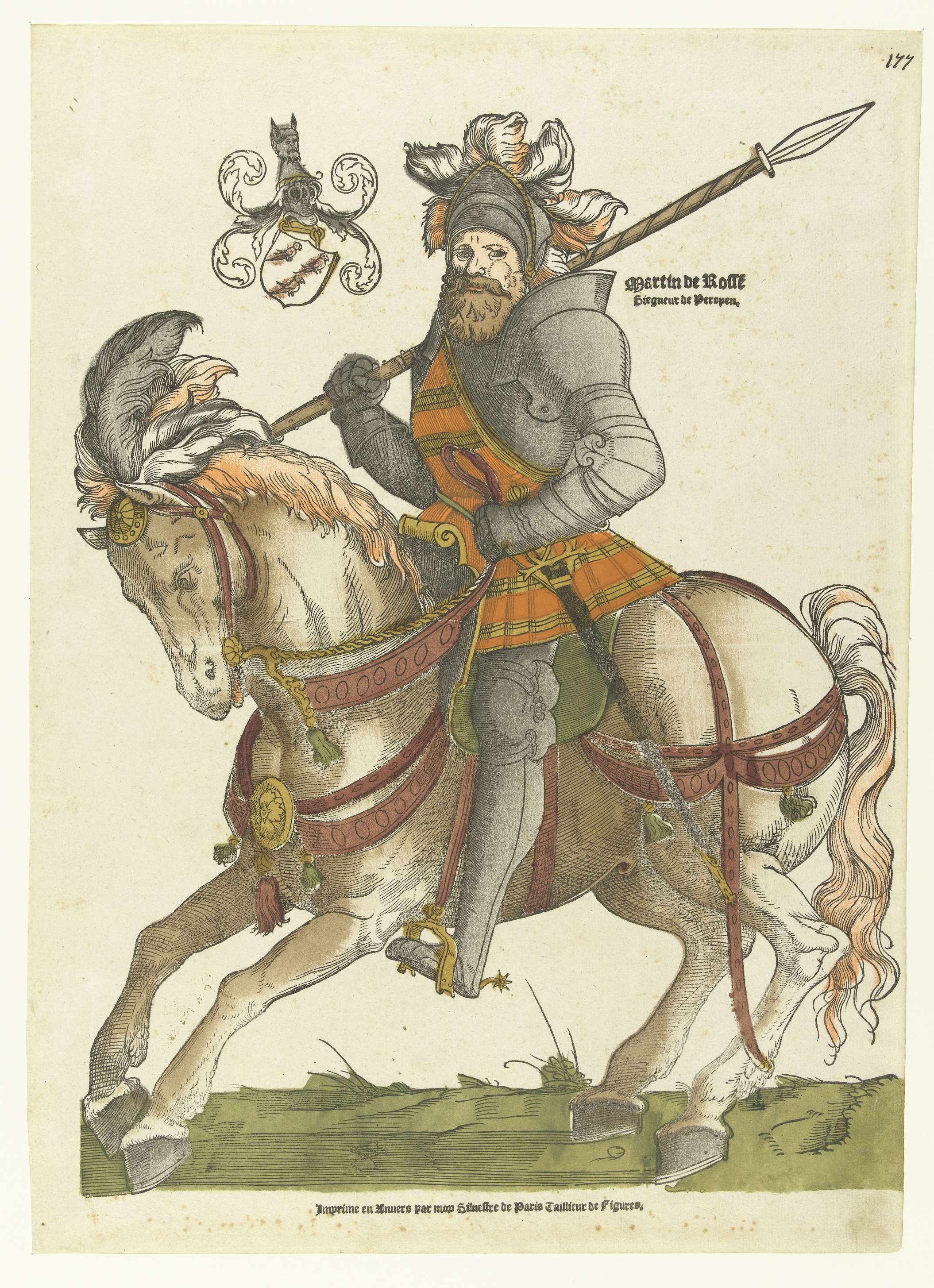
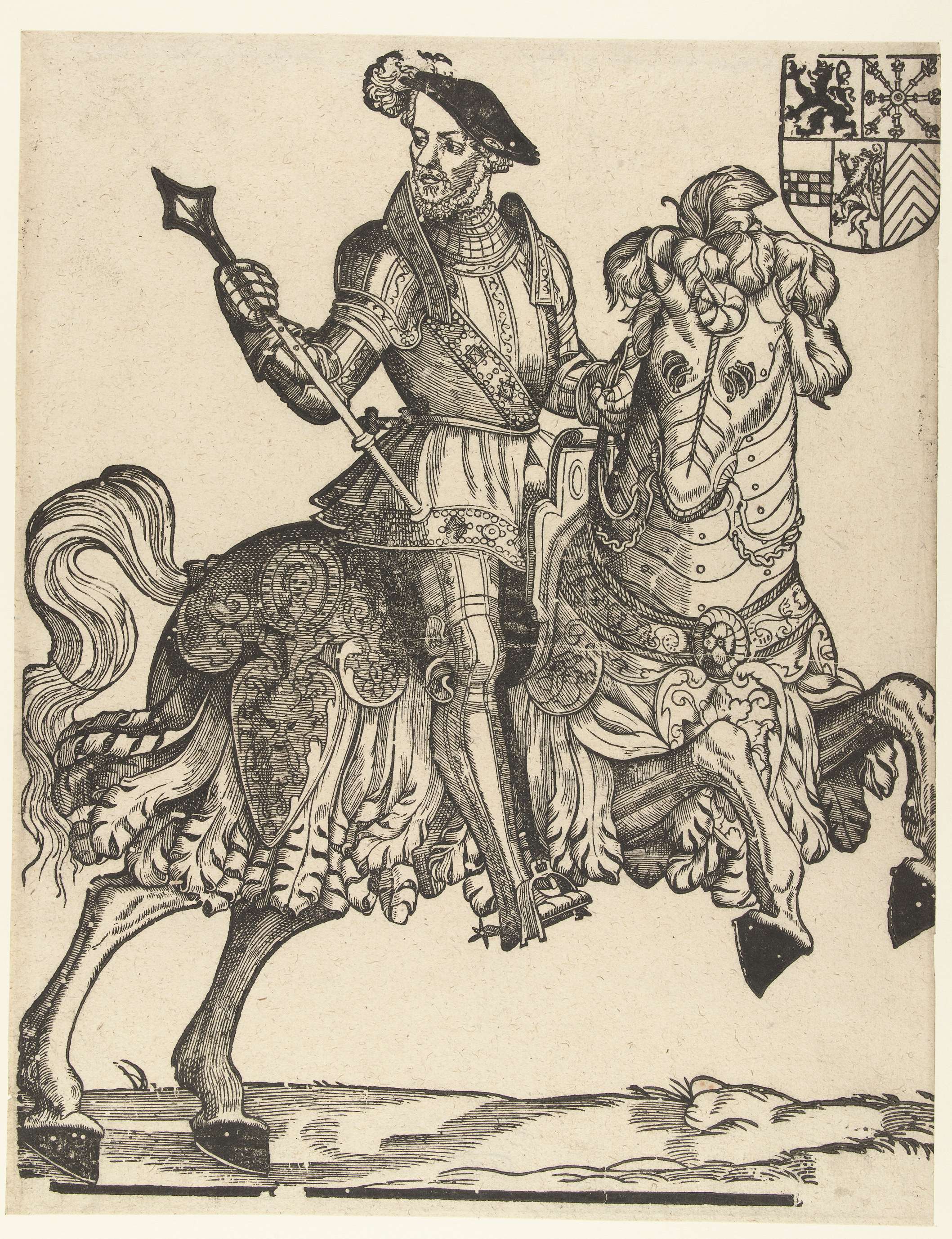
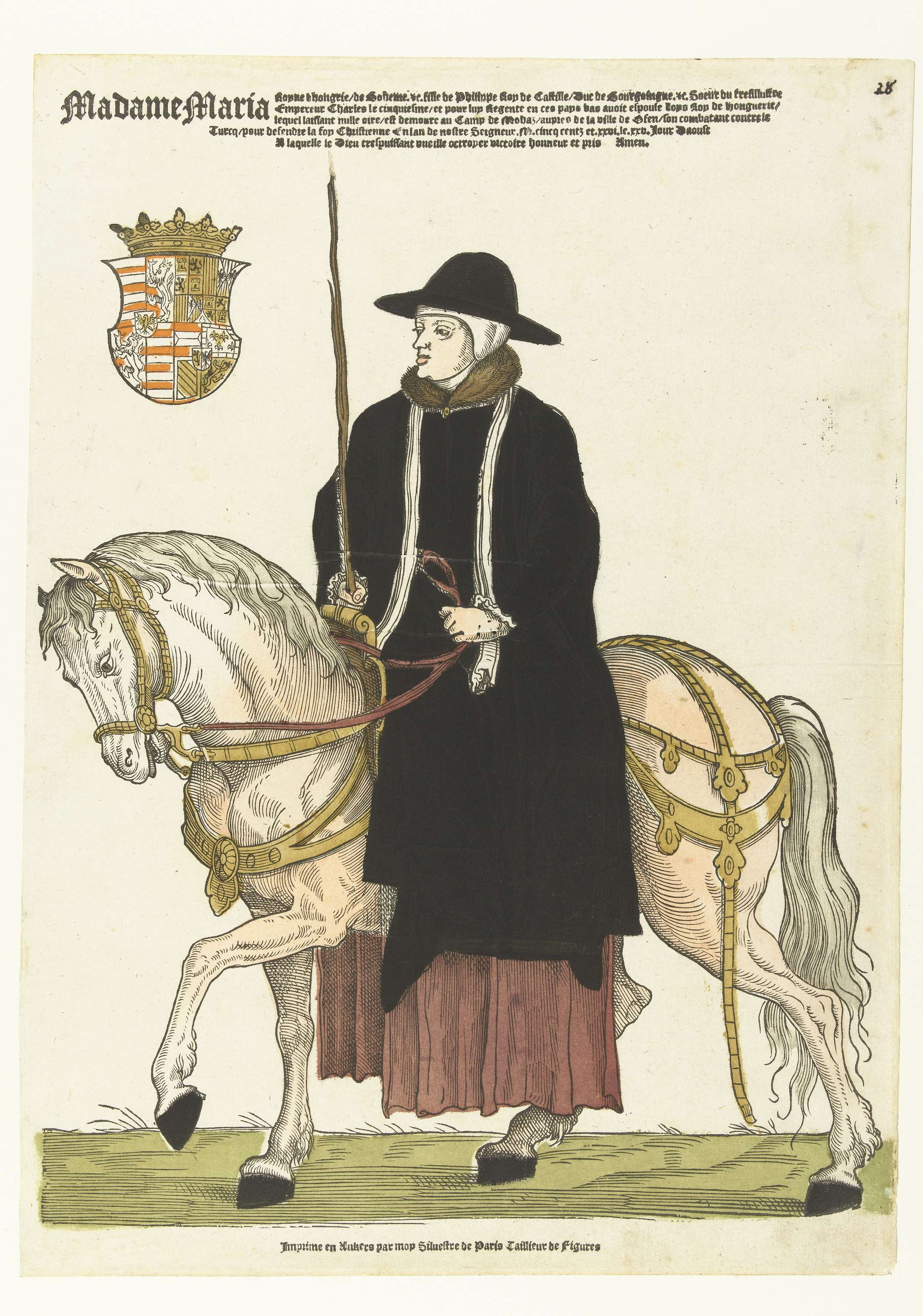
Can beauty exist without sorrow? In the enchanting Portret van Karel van Orléans te paard, this question lingers in the air, inviting reflection on the duality of human experience. The artwork captures not just a likeness, but an essence; the noble figure of Karel van Orléans is rendered with a grace that suggests divinity intertwined with the weight of his earthly responsibilities. Look to the center of the canvas where Karel sits proudly upon his horse, the intricate details of his armor gleaming under the soft light. The rich, muted colors evoke a sense of regality while simultaneously grounding the figure in reality.
The dynamic pose suggests movement, as if he might gallop into history at any moment. Notice how the background fades into a subtle haze, allowing the viewer’s gaze to remain fixed on the striking contours of Karel’s face, his expression a mix of determination and contemplation. Delve deeper into the contrasting elements present in the painting. The stateliness of the subject's attire and the power of the horse suggest triumph, yet the furrow in Karel's brow hints at inner turmoil. Here is a man caught between the divine aspirations of nobility and the burdens of leadership.
The juxtaposition of the elegant horsemanship against the somber armor encapsulates the struggle between the ideals of chivalry and the harsh realities of political life. Created between 1540 and 1542, this portrait emerges from Cornelis Anthonisz's life in the Netherlands, a time marked by both artistic flourishing and political tension. As a portraitist in an era when the human figure was increasingly celebrated, Anthonisz sought to elevate individual identity while reflecting the complex narratives of his subjects. This painting not only showcases his technical prowess but also serves as a commentary on the nature of power and the inevitable sorrow that accompanies it.