Portret van Maria van Hongarije te paard — History & Analysis
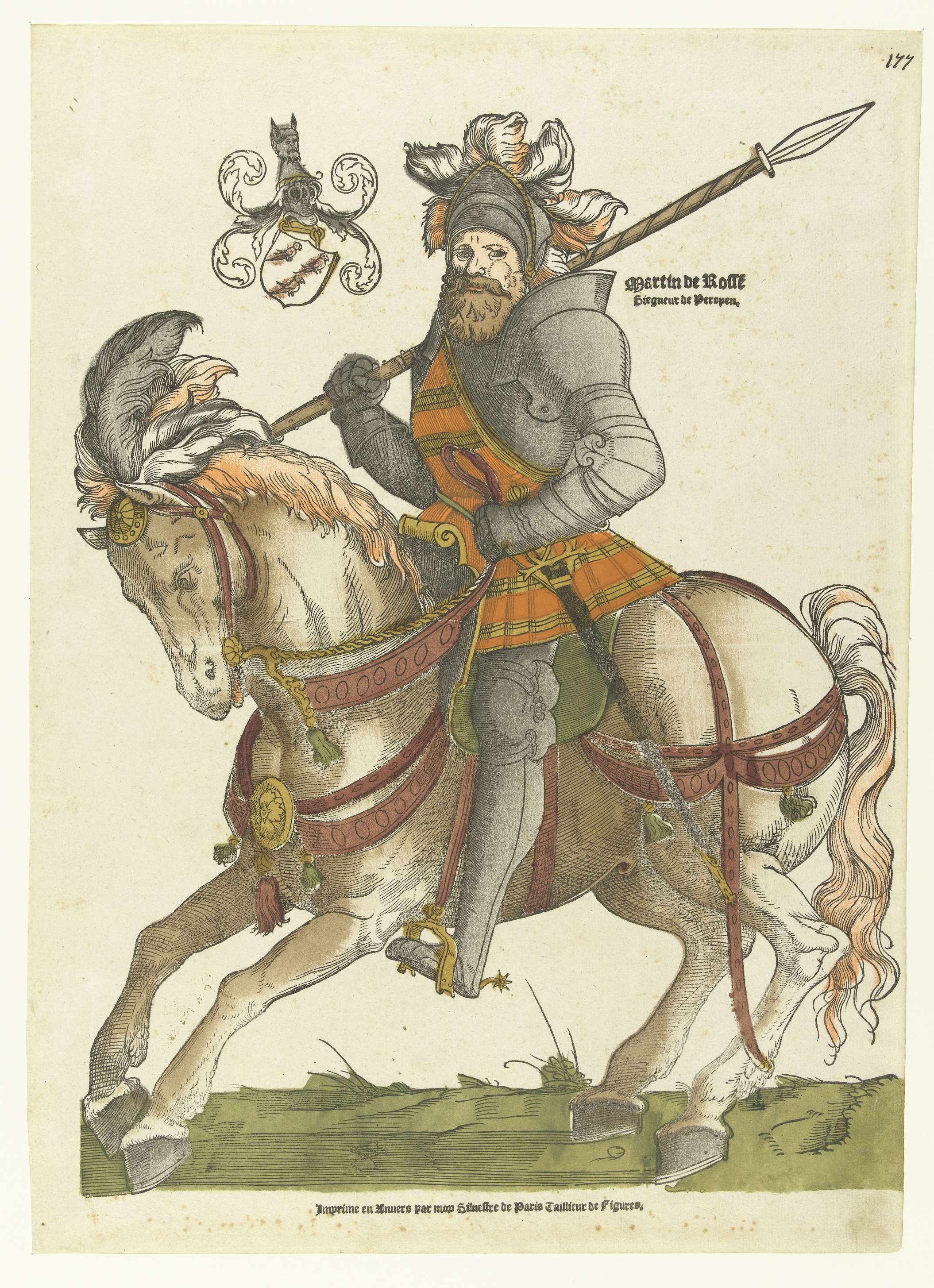
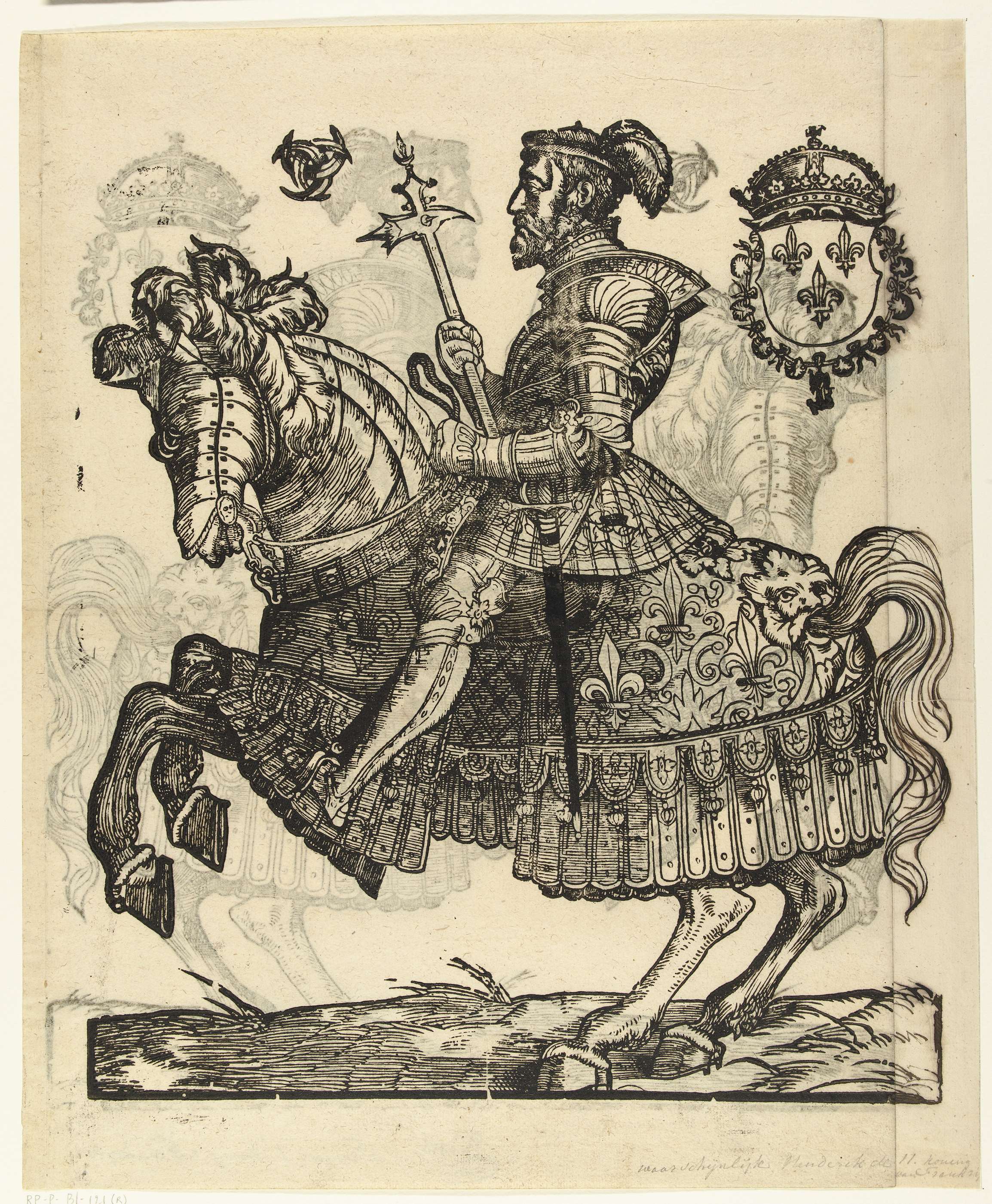
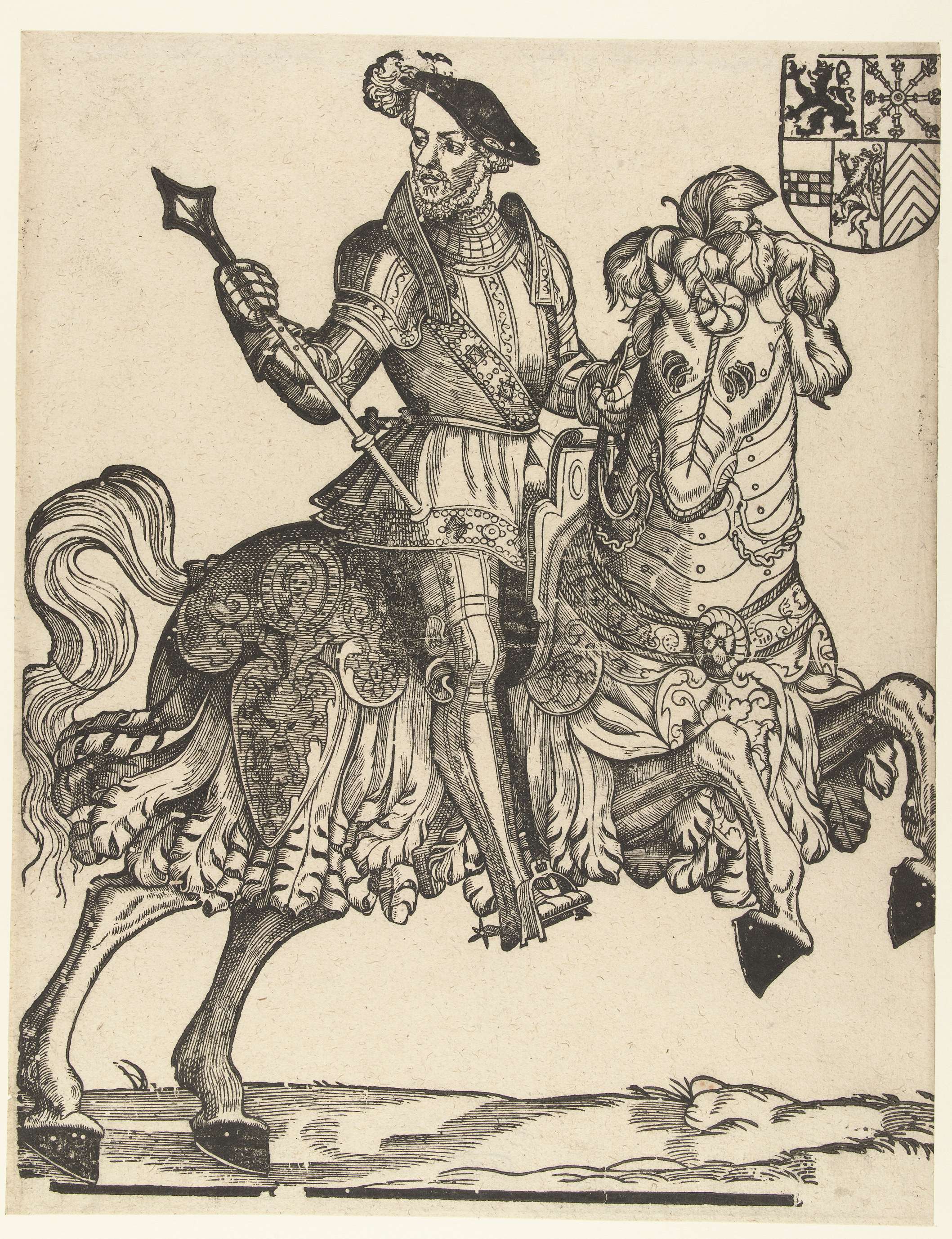
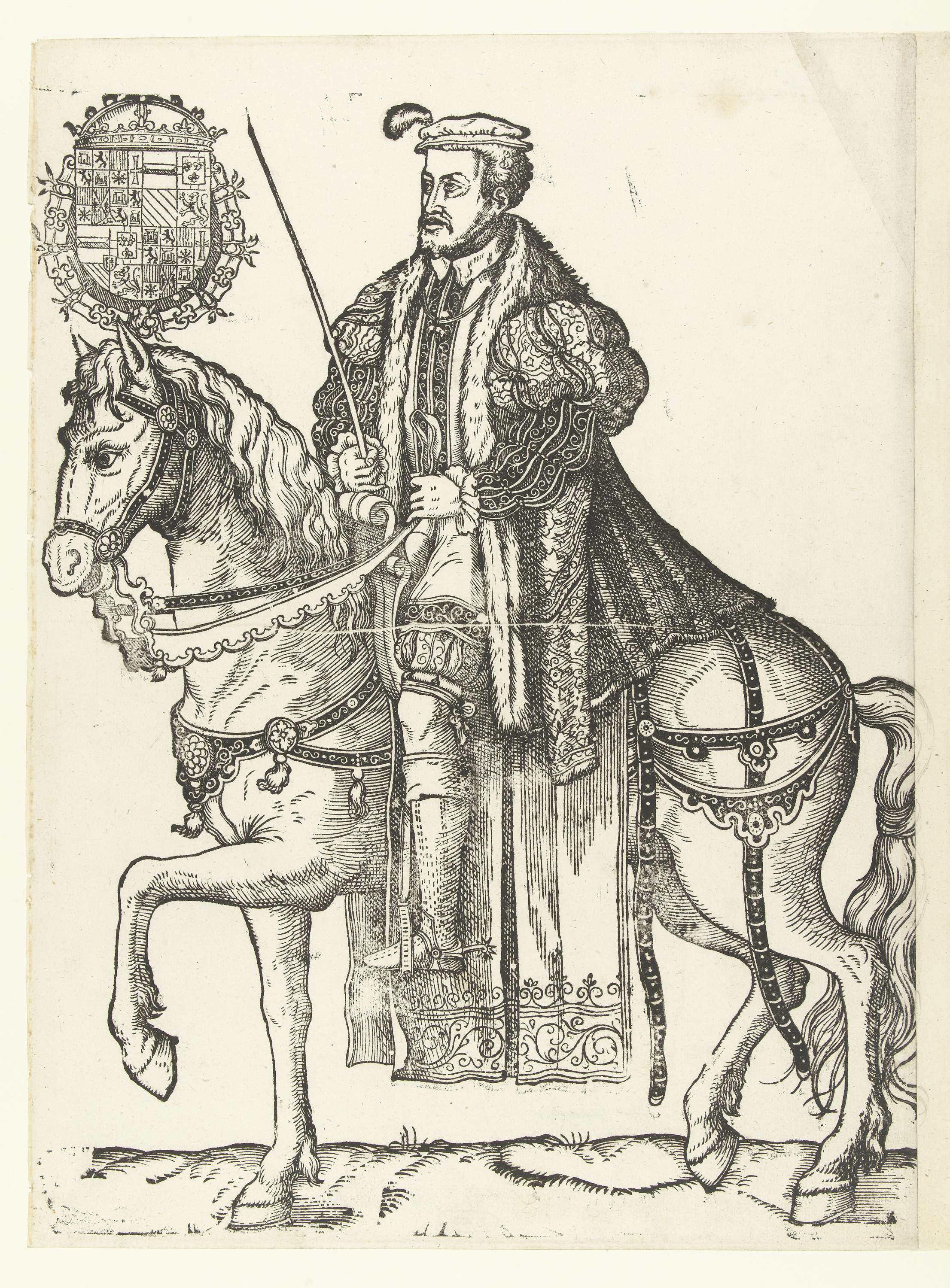
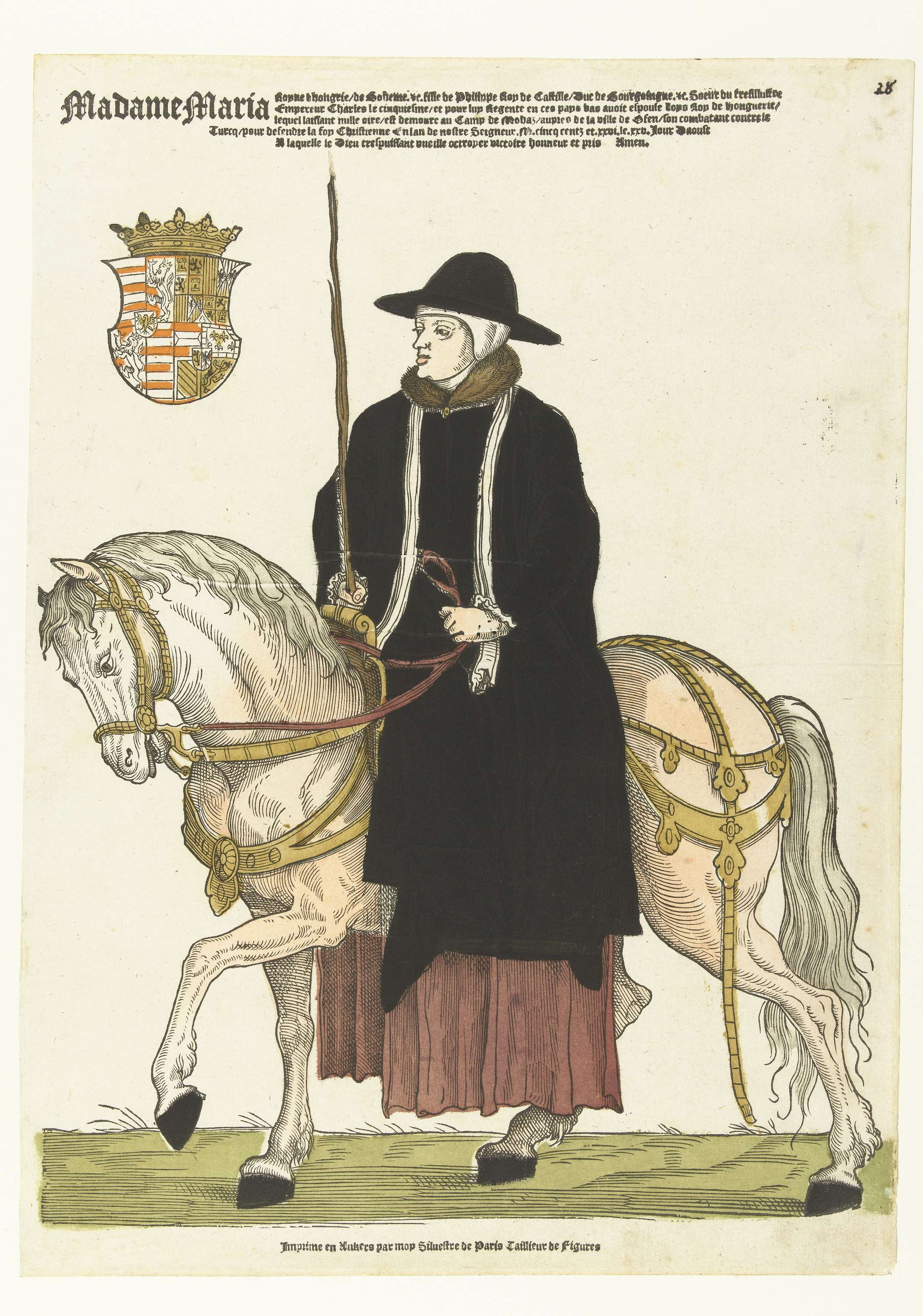
“To paint is to remember what time wants us to forget.” In the stillness of a painted moment, we confront the relentless march of time and its effects on legacy. The portrait encapsulates not just the subject, but the weight of history she carries, lingering against the backdrop of her era. Look to the left and notice Maria van Hongarije’s poised figure, regally atop her horse, clad in opulent attire that speaks of nobility and power. The artist's meticulous attention to the textures of fabric and the subtle sheen of the horse's coat draws the viewer's gaze, emphasizing both authority and elegance. The rich color palette—deep reds and golds—juxtaposes against the muted tones of the background, enhancing her prominence in the composition.
The gentle brushstrokes convey movement, giving life to her garment as if it could flutter in the wind. Yet beneath the surface lies a profound tension: the inevitable passage of time reflected in her serious expression. The contrast between her youthful vigor and the historical context of her life evokes a sense of fleeting glory. The horse, a symbol of strength and status, stands still, frozen in this moment, hinting at the duality of power and vulnerability.
Every detail, from the delicate accessories to the confident posture, intertwines to narrate a complex story of a woman navigating the demands of her time. Cornelis Anthonisz painted this work between 1538 and 1548, a period when the Renaissance flourished in the Netherlands. During this time, he was establishing his reputation in a rapidly evolving art world, where portraiture became a favored medium to depict not only individuals but the political and cultural significance they held. This portrait of Maria not only served as a testament to her status but also as a reflection of the changing tides of power and art in the 16th century.