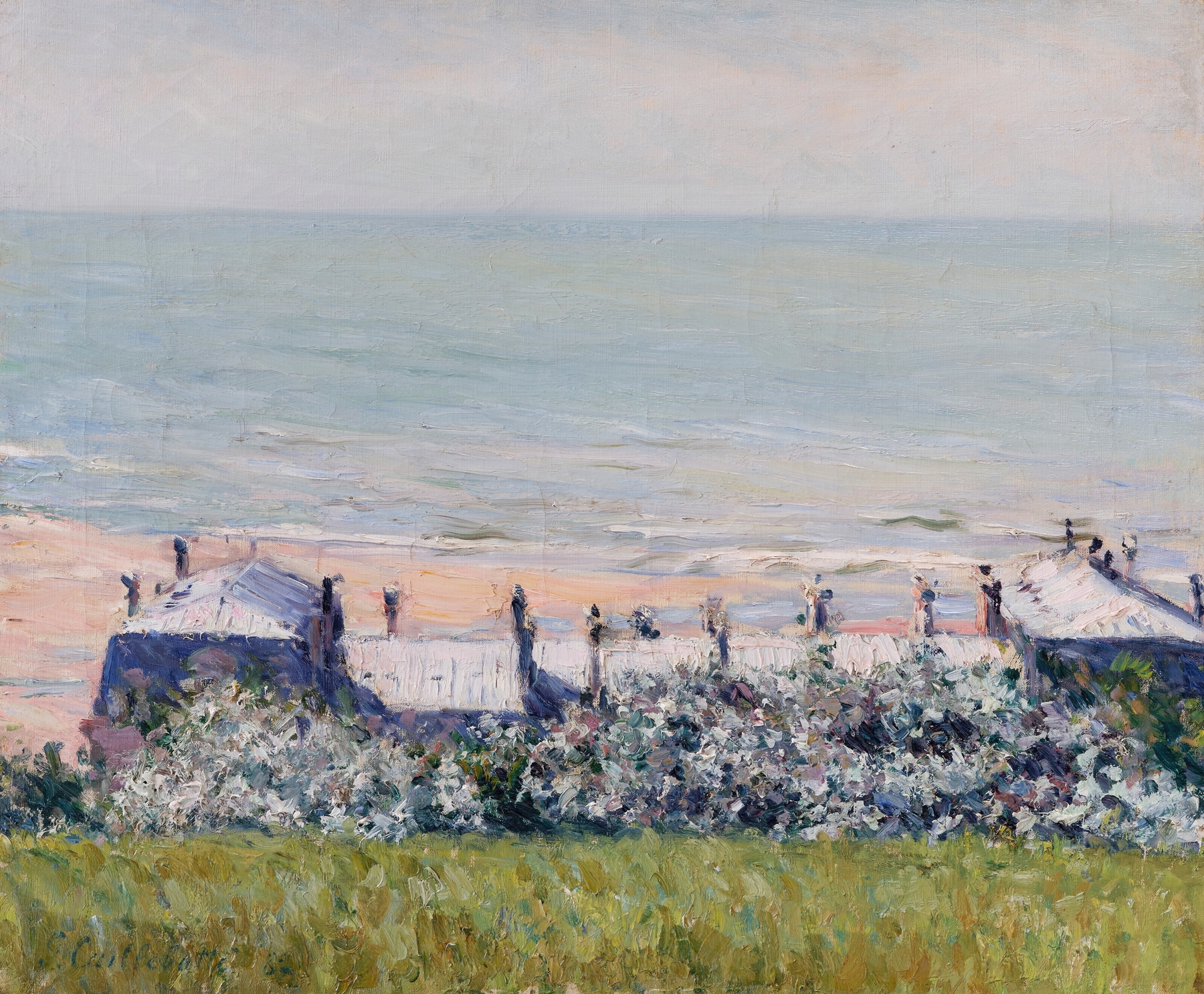
Prairie Au Pont D’argenteuil — History & Analysis
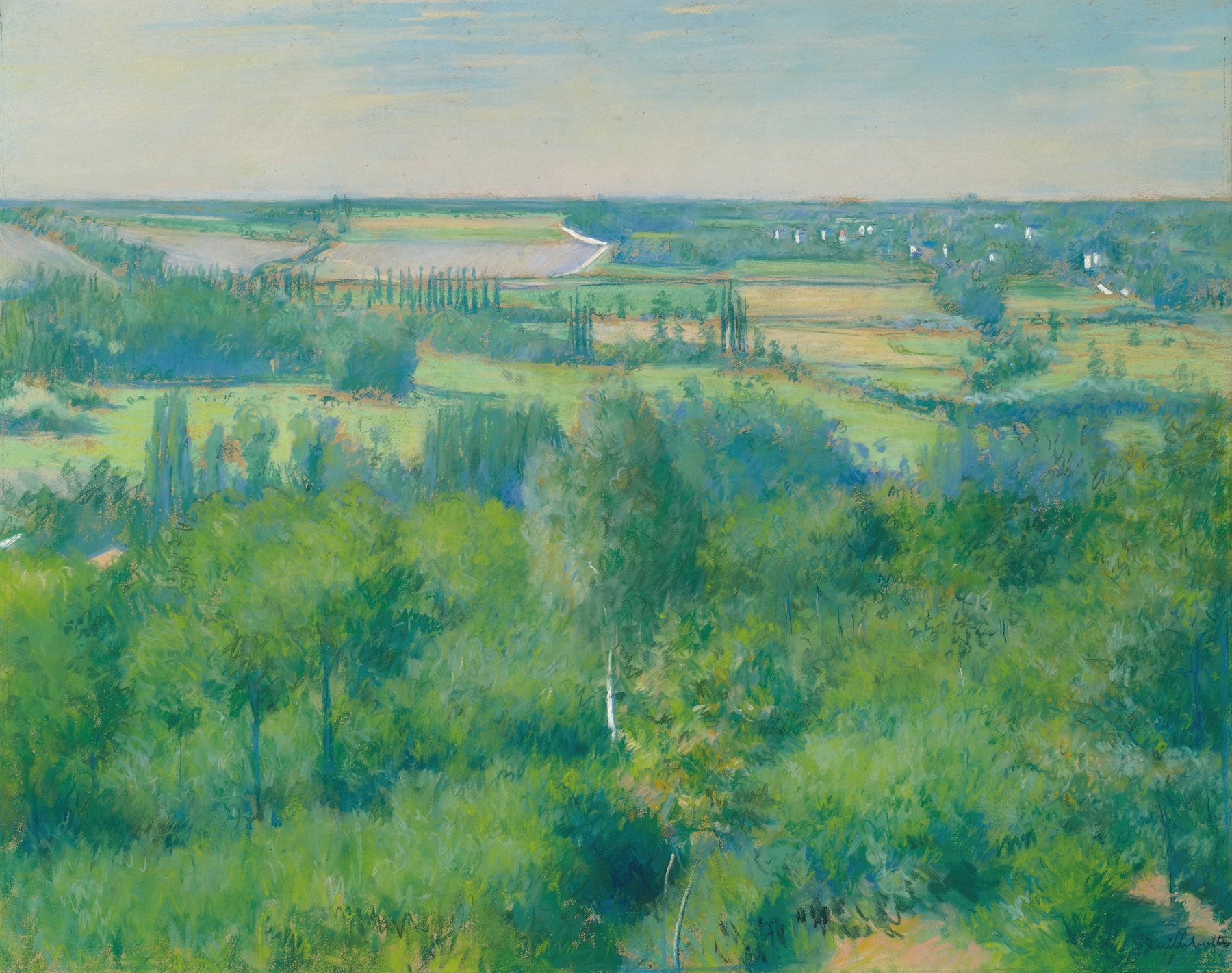
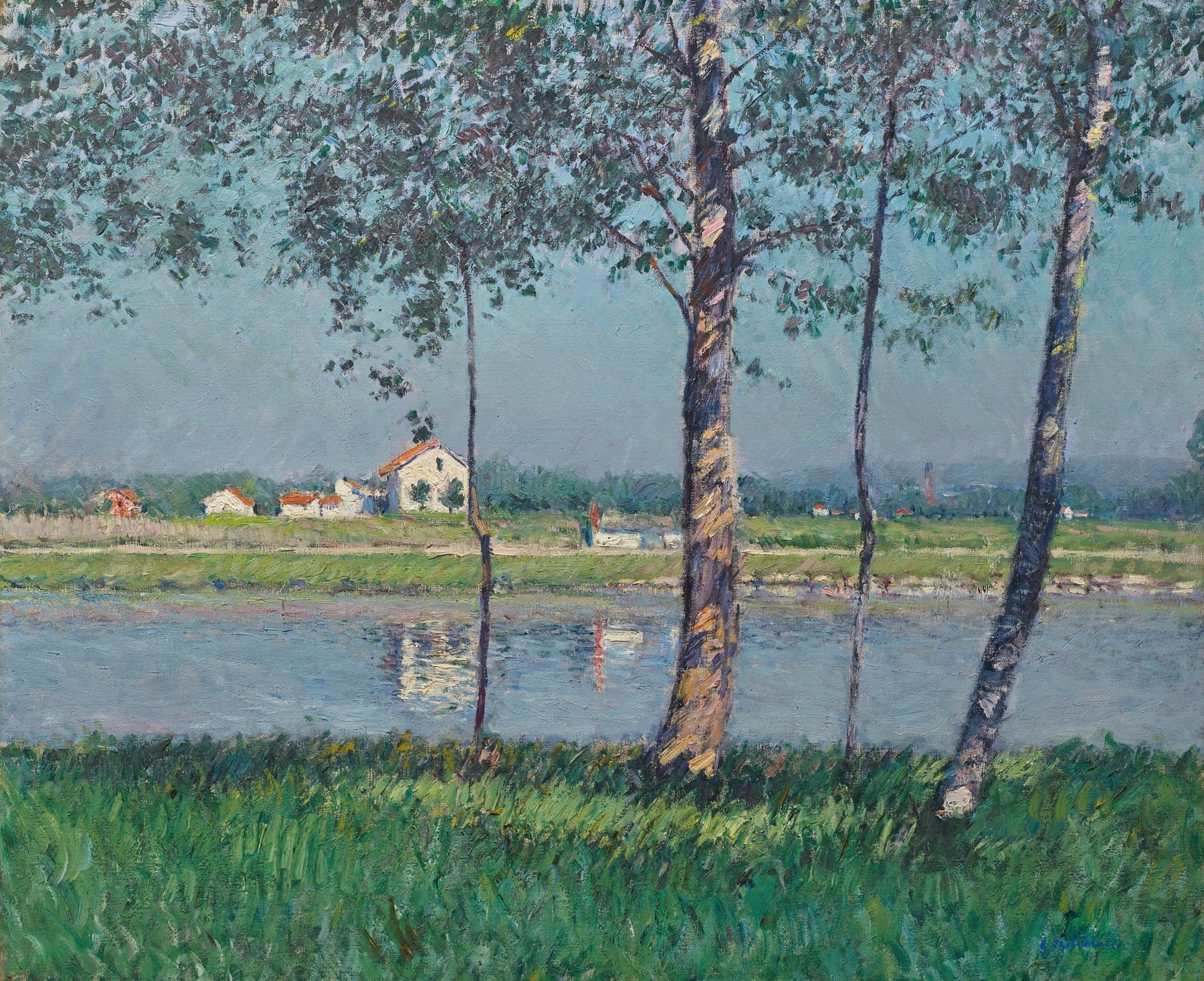
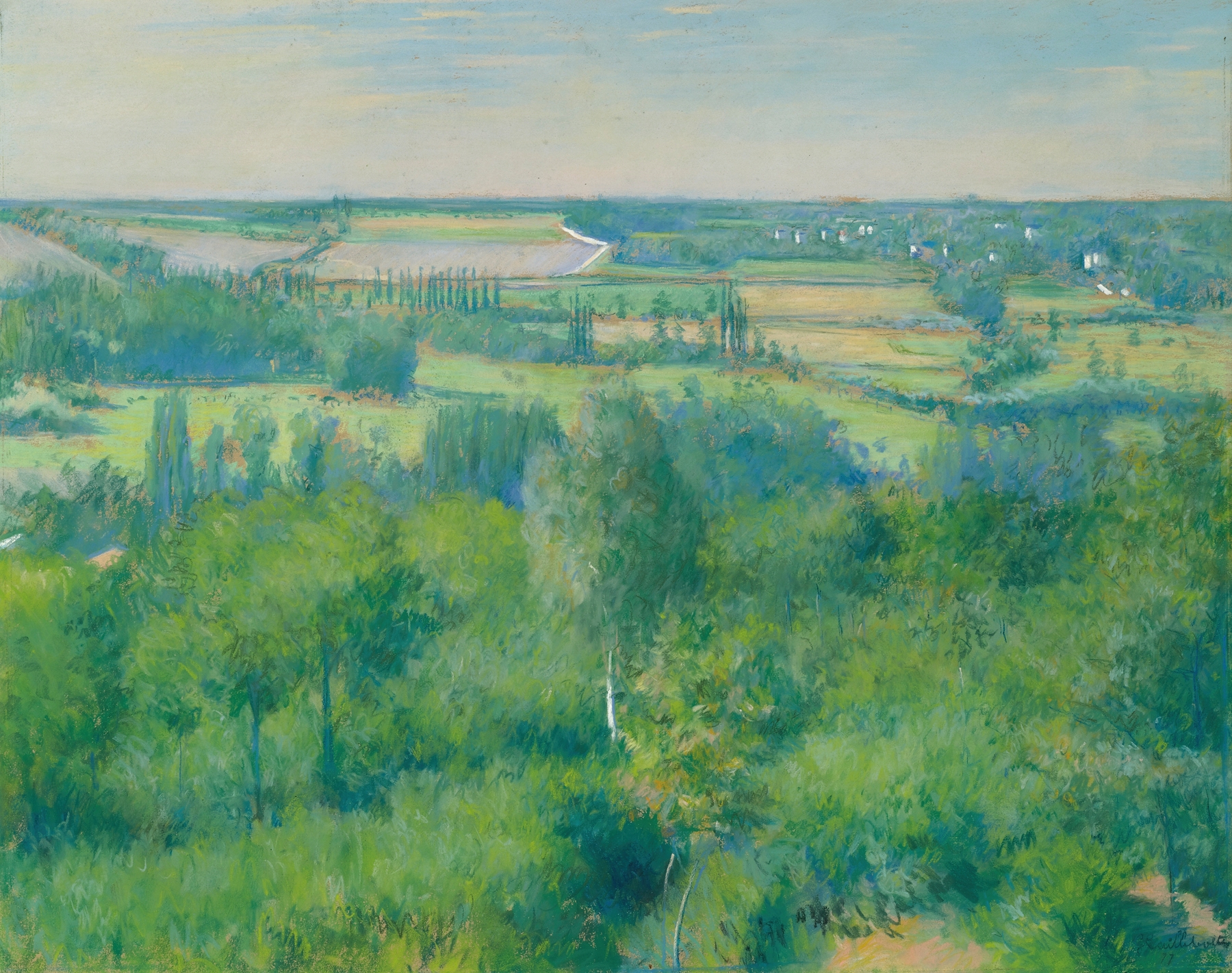
Who listens when art speaks of silence? In Prairie Au Pont D’argenteuil, a quiet moment unfurls, steeped in an obsession with both nature and human presence. Look to the left, where a gentle slope leads your eye toward a horizon kissed by the soft hues of late afternoon light. The brushstrokes, vibrant yet delicate, breathe life into the lush greenery of the meadow, contrasting the serene blue sky. Notice how the wispy clouds drift lazily overhead, while the figures in the distance appear almost ghostly, as if caught in a reverie or disconnected from the world around them.
The composition invites contemplation, balancing the vivid colors of nature with a subtle stillness that echoes the painting's quieter undertones. Amidst the idyllic landscape, hints of tension emerge. The figures, while engaged in leisurely pursuits, seem estranged from each other, their individual solitude underscoring an unspoken longing. The meticulous detail of the grass and flowers juxtaposed with the almost ethereal quality of the human forms suggests a yearning for connection that remains just out of reach.
This dichotomy invites viewers to explore the complexities of human emotion in the face of an expansive, indifferent nature—a theme that resonates deeply with the obsession of the artist. During the late 19th century, Caillebotte painted this work amid a burgeoning Impressionist movement in France, a time when he was grappling with his own artistic identity. He sought to capture the beauty of everyday life while simultaneously reflecting on his own relationship with the world around him. The era was marked by rapid change and uncertainty, mirroring the tensions within the work itself, as Caillebotte navigated personal challenges while contributing to a transformative moment in art history.