Promenade by the Sea — History & Analysis
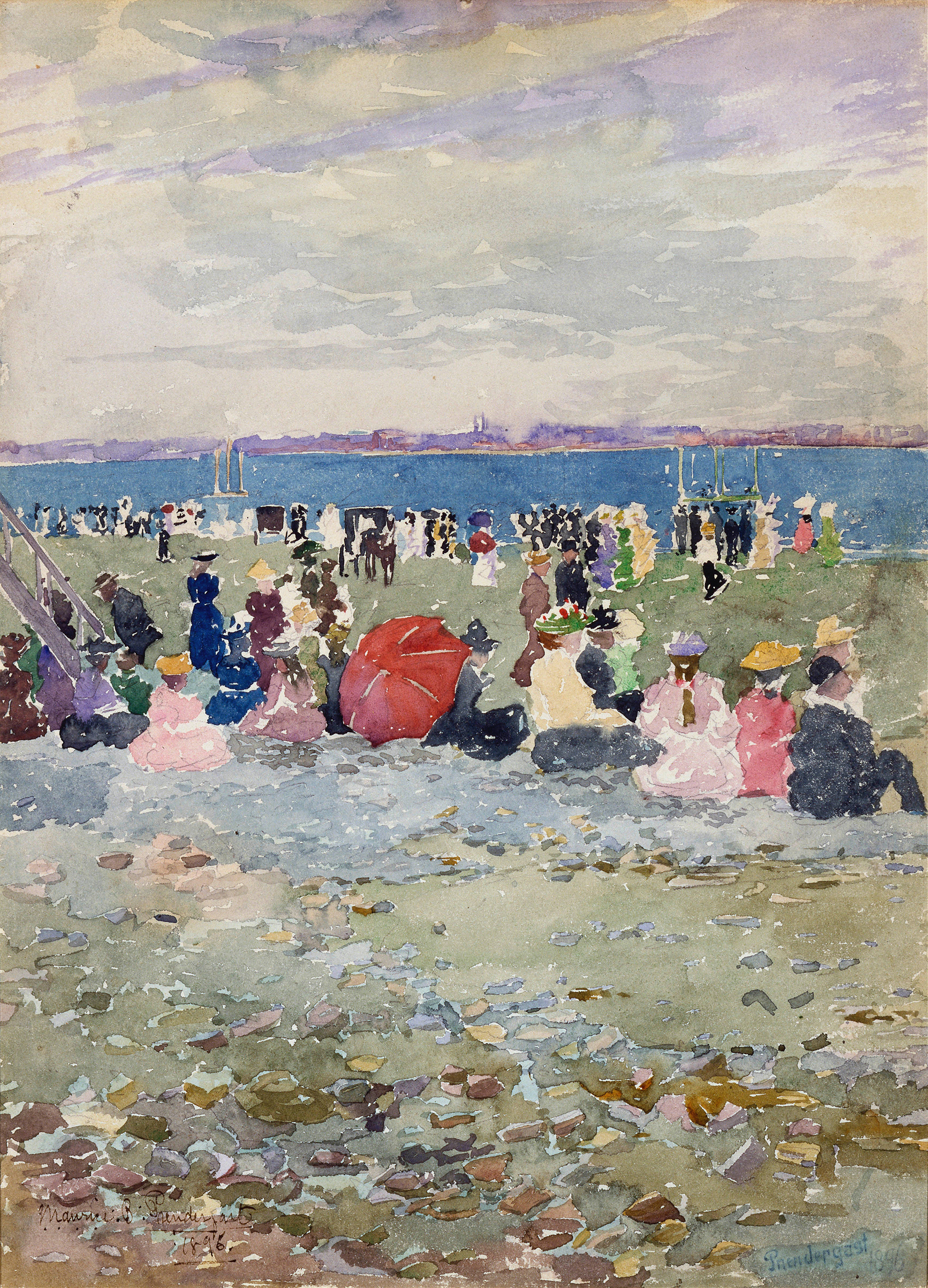
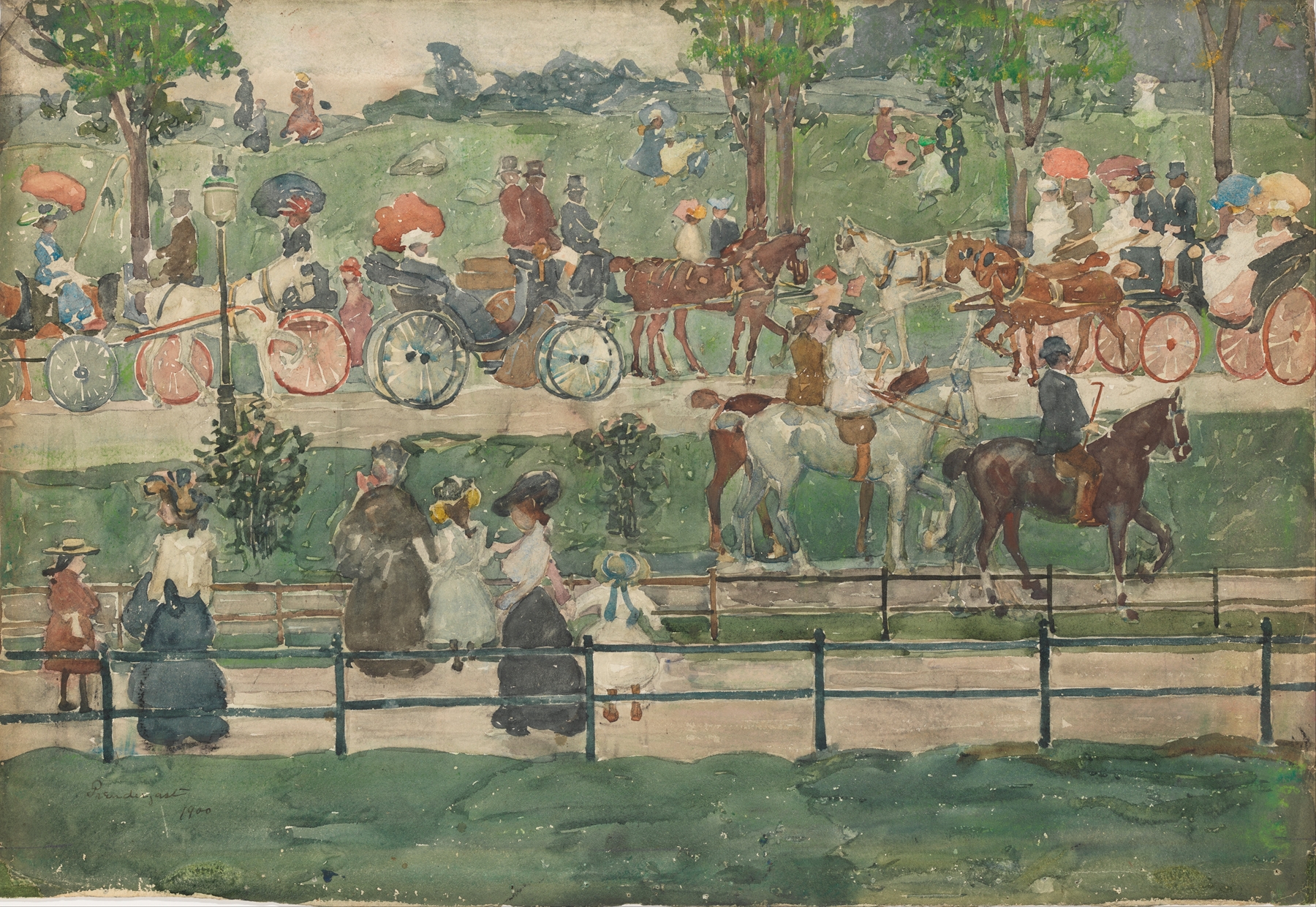
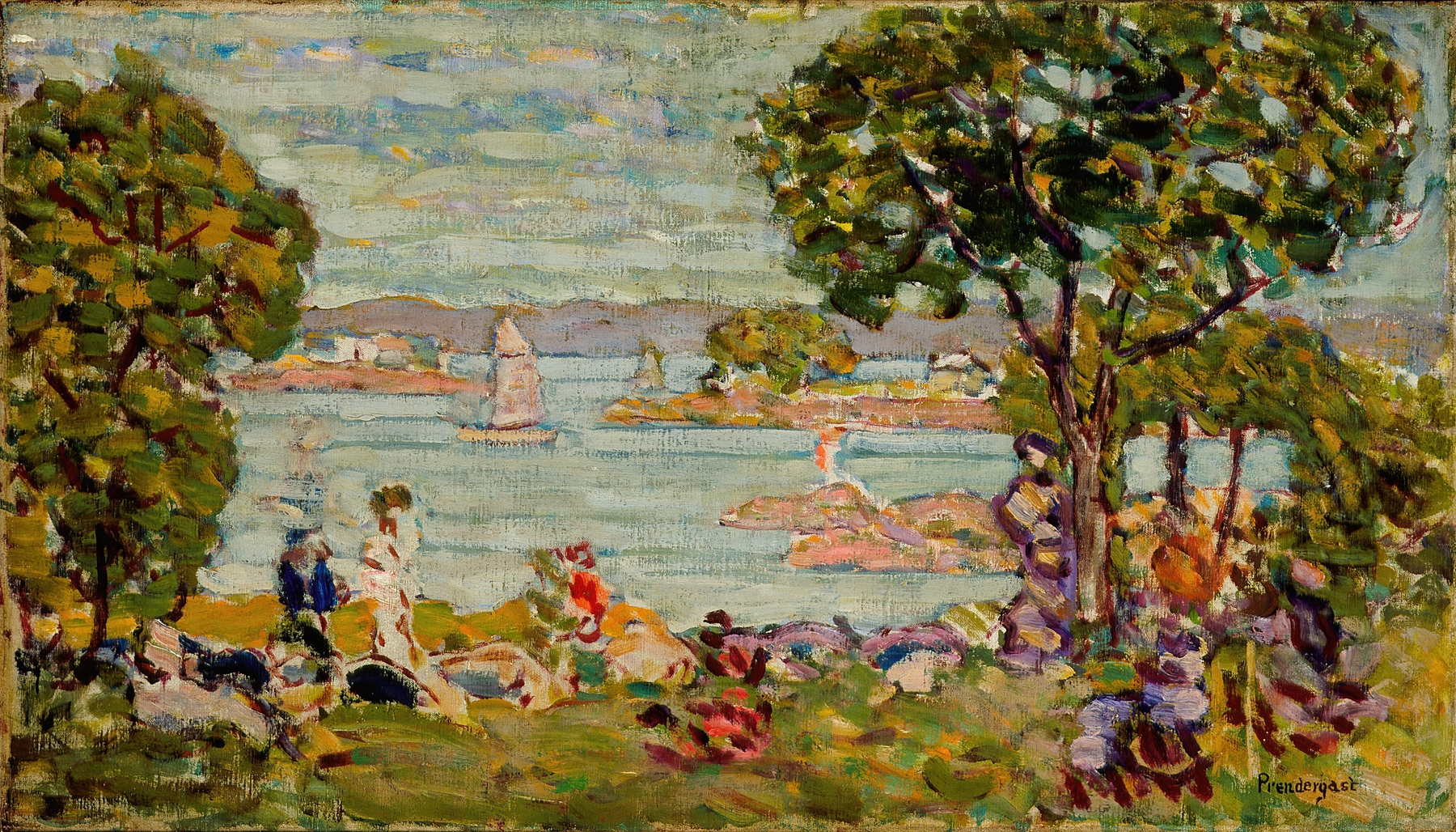
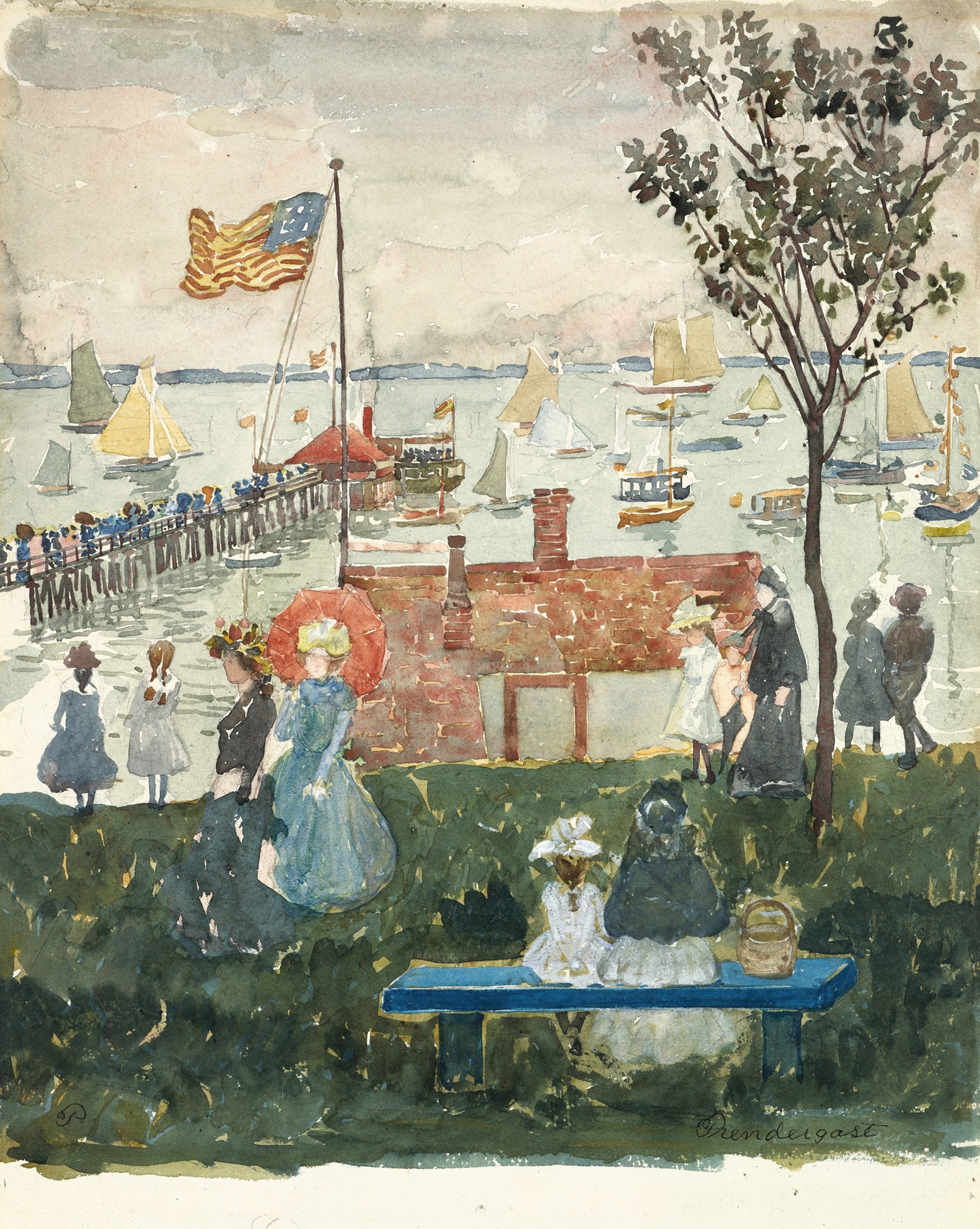
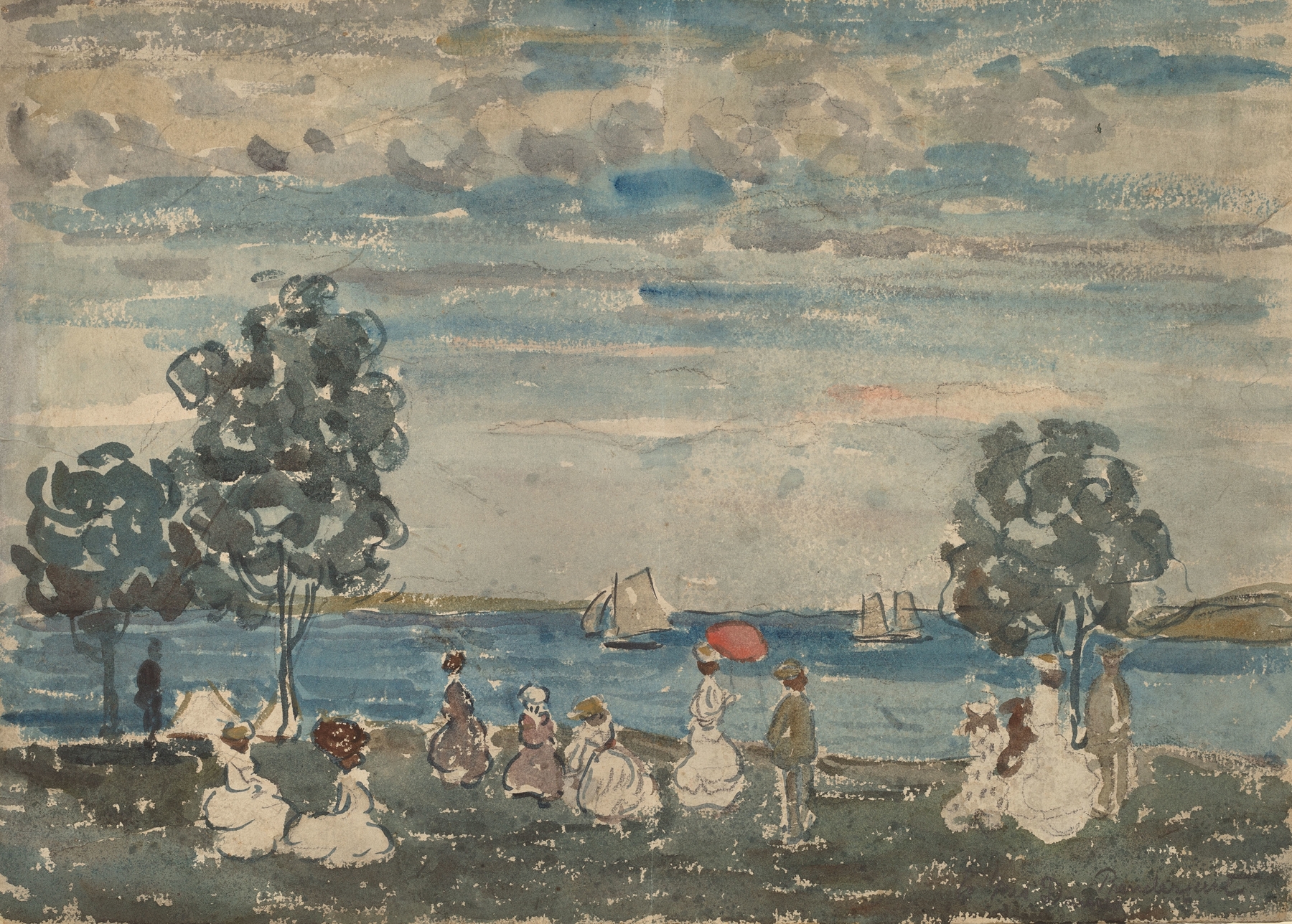
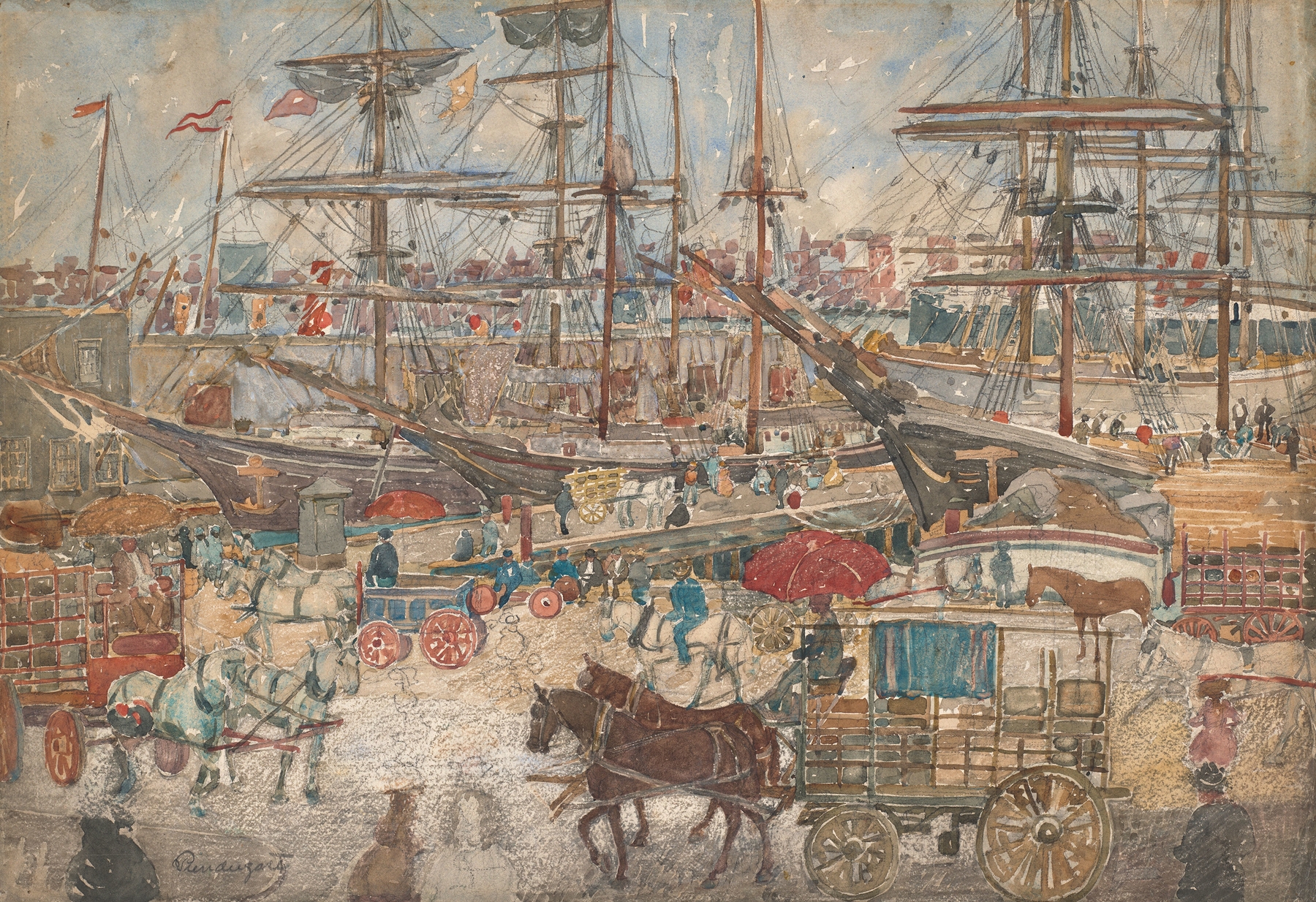
Can paint confess what words never could? In Promenade by the Sea, vibrant colors breathe life into a moment suspended between the rapture and void of human connection. Look to the left at the clusters of figures, their playful postures and bright attire harmonizing with the shimmering blues and greens of the sea. The artist's use of dappled brushstrokes creates a sense of movement—each figure is alive, yet the composition is meticulously organized, echoing the rhythm of the ocean waves. Notice how the sunlight dapples the canvas, casting soft shadows that hint at the fleeting nature of joy.
Prendergast’s palette radiates warmth, inviting the viewer into a scene that feels both jubilant and ephemeral. Beneath the surface of this lively promenade lies a tension, a whisper of solitude amidst the crowd. The juxtaposition of the vibrant colors with the absence of defined backgrounds evokes a sense of longing, suggesting that connection can exist even within the void of anonymity. As families and friends gather, one can’t help but sense the stories untold, the unexpressed emotions lurking behind each smile.
It’s a celebration of life, yet tinged with the quiet suggestion that in moments of joy, we can still feel an ache for deeper connection. Painted between 1912 and 1914, this work emerges from a pivotal moment in Prendergast's artistic journey, as he sought to blend Impressionism with his unique style. Working in Boston, he was influenced by the vibrant art scene and the rise of Modernism, grappling with both the beauty of his surroundings and the underlying complexities of urban life. This painting reflects not only his mastery of color and form but also the broader cultural shifts of his time, capturing an era teetering on the edge of profound change.