Rainbow Over The Grand Canyon Of The Yellowstone — History & Analysis
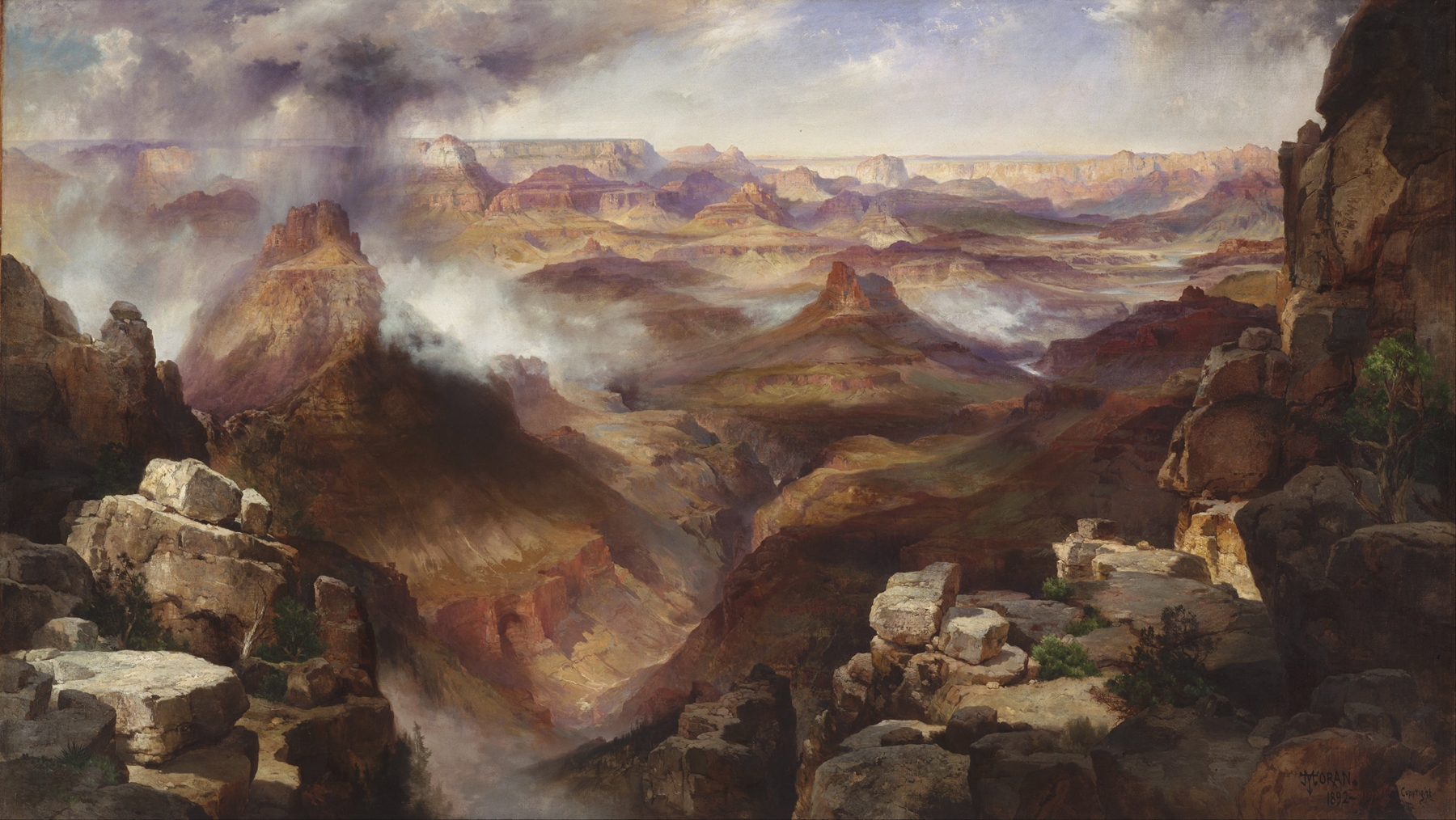
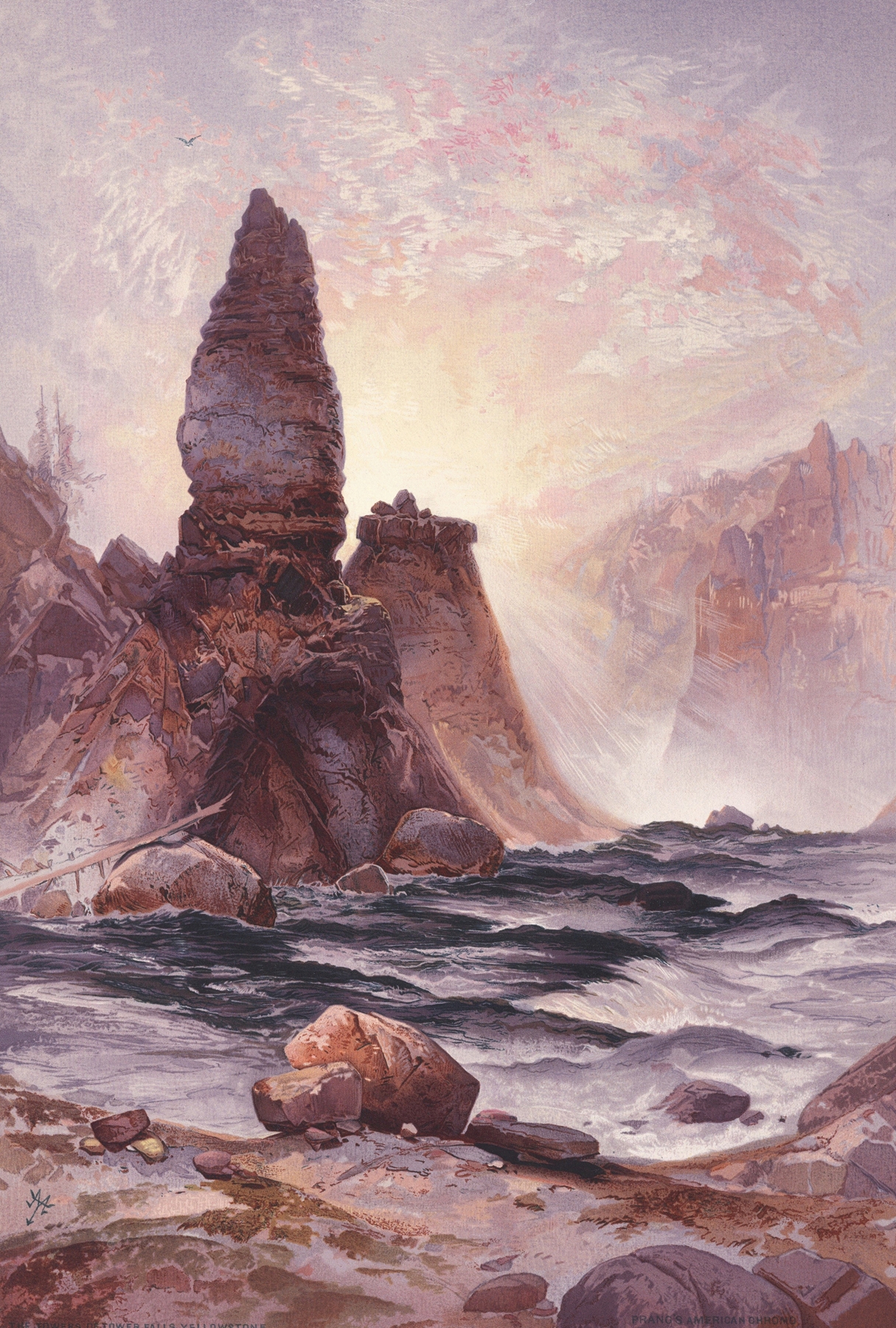
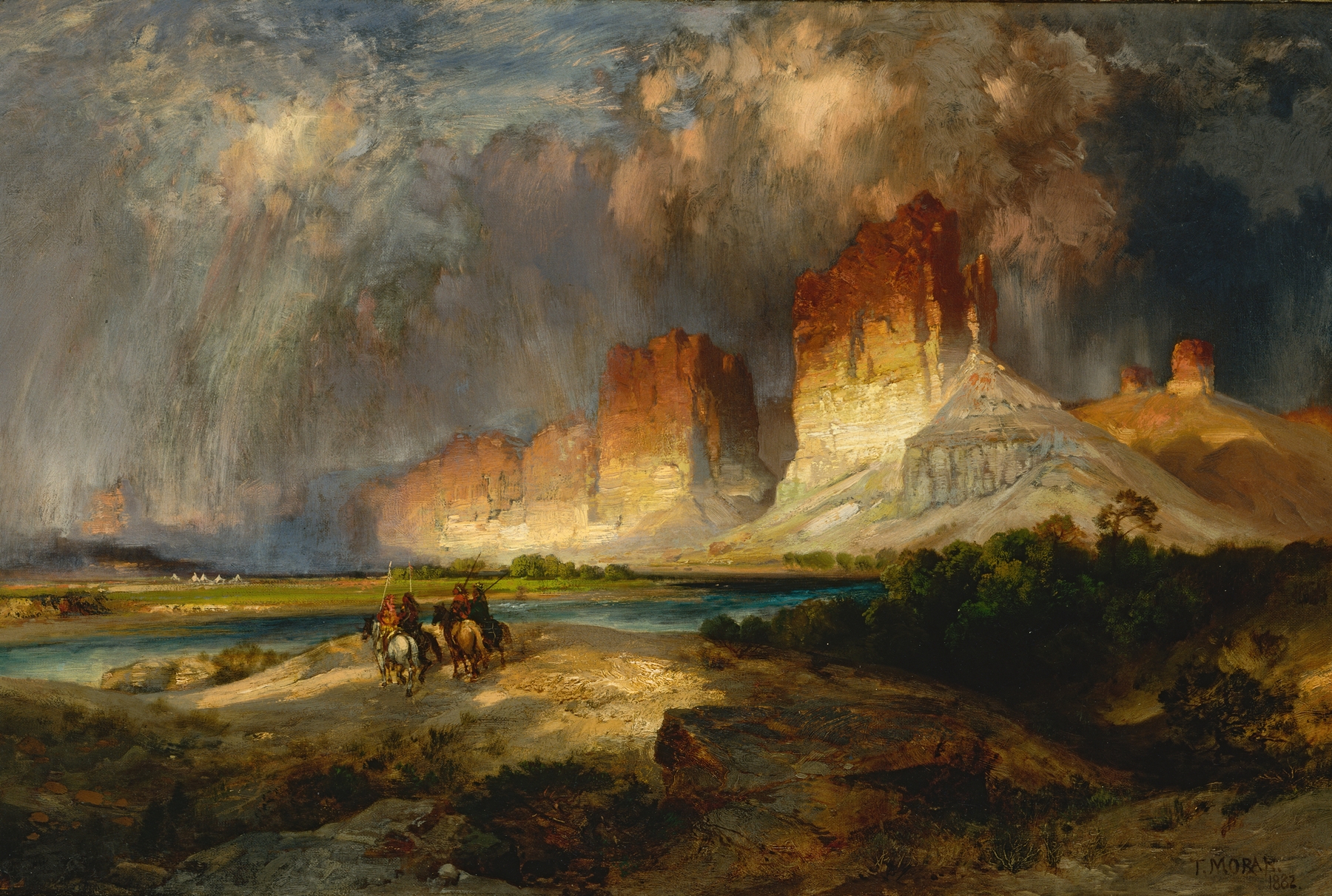
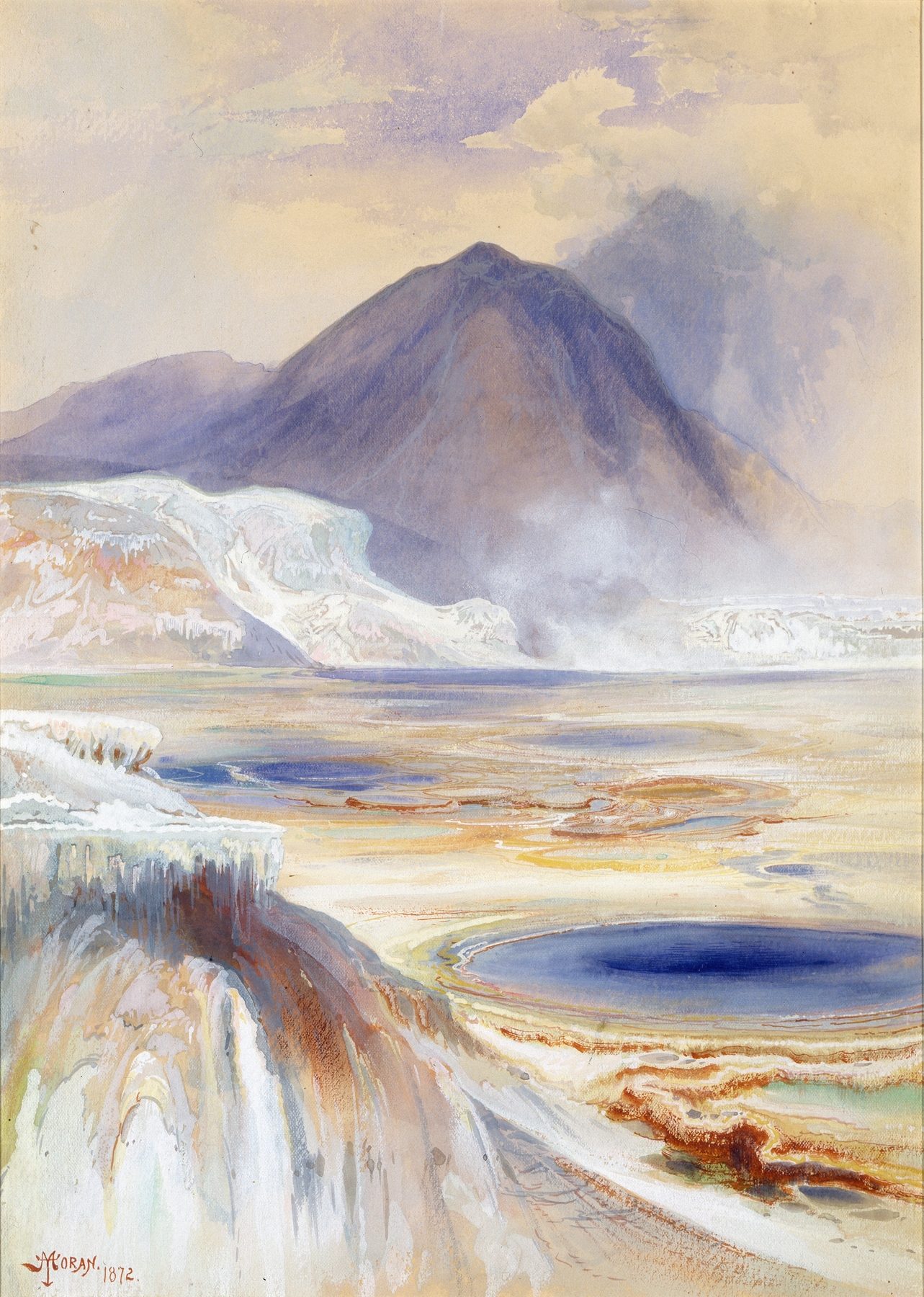
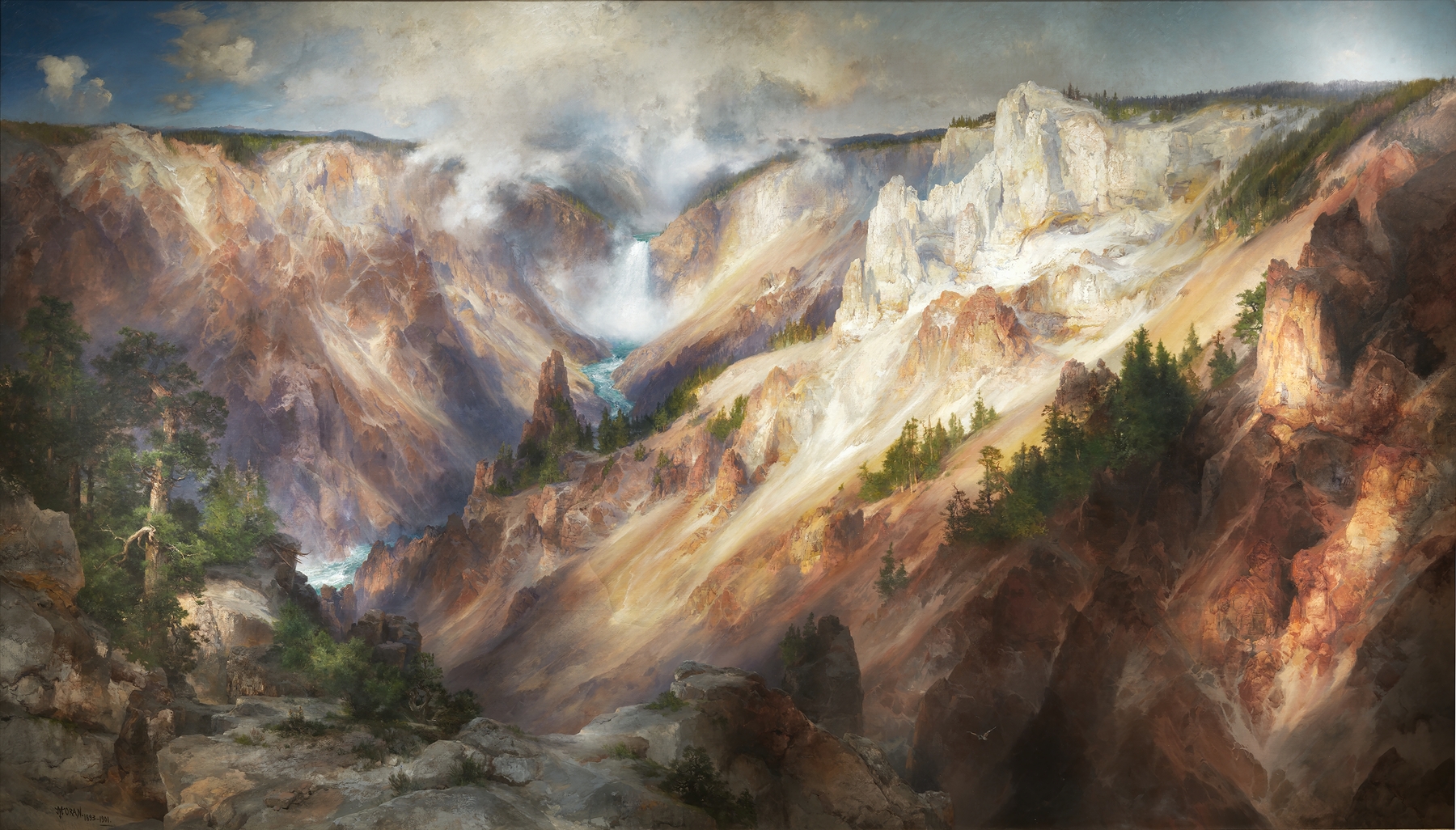
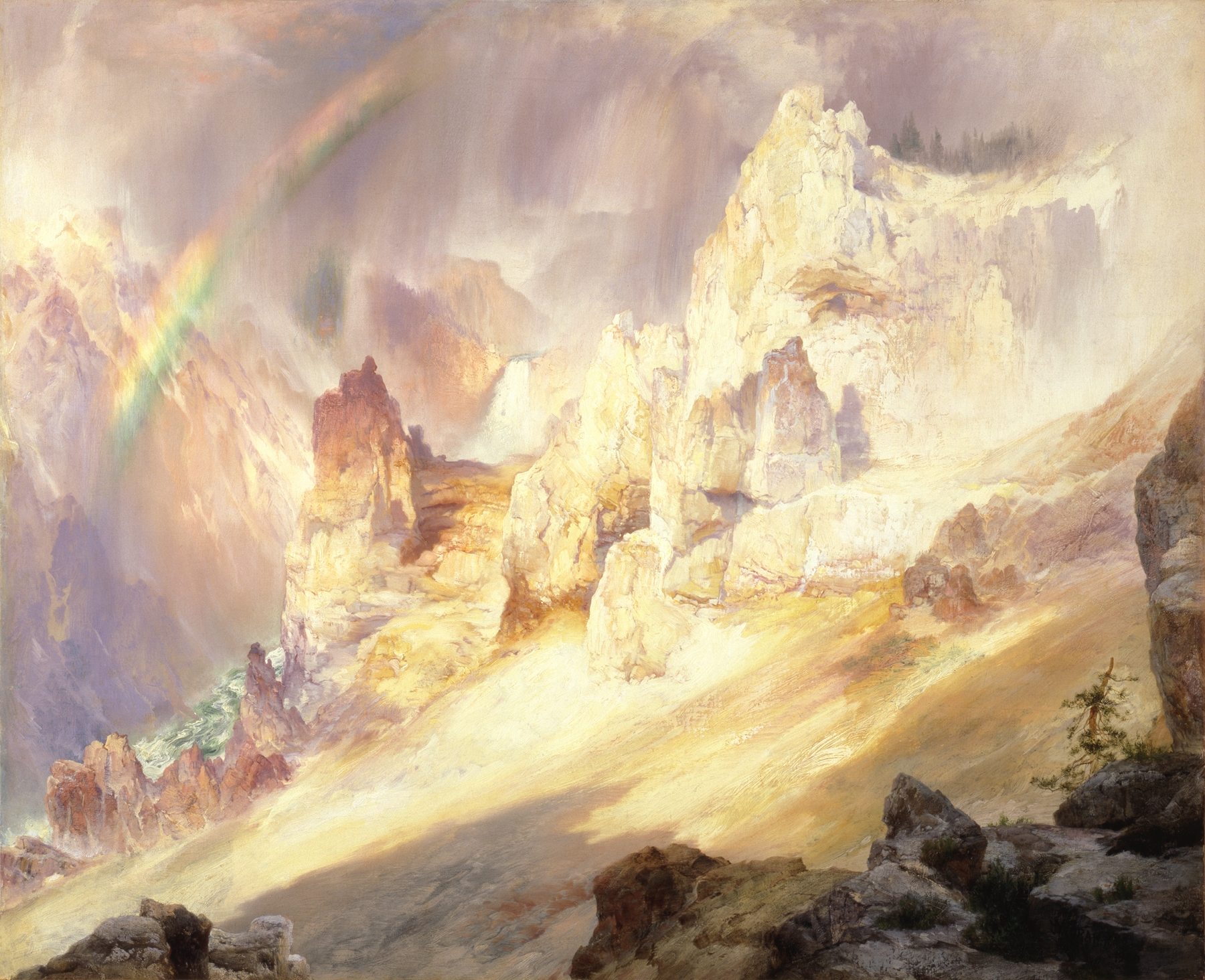
“Between color and silence, truth hides.” In the vibrant chaos of the world, how often do we gaze beyond the beauty to grasp the madness that lies beneath? Look to the lower center of the canvas, where the swirling hues converge into a captivating dance. Earthy ochres and deep blues intertwine with effulgent greens, making the landscape pulse with life. Your eyes are drawn upwards, following the arc of the rainbow that stretches across the expanse, a vivid contrast against the rugged cliffs and turbulent waters below.
The interplay of light and shadow reveals the artist’s deft brushwork, inviting you to lose yourself in the rich textures and vibrant palette that characterize the natural world. Yet, beneath this serene spectacle lies an undercurrent of tension. The vivid colors may evoke joy, but the turbulent waters hint at chaos, as if nature itself teeters on the brink of madness. The harmonious arch of the rainbow can be seen as a fleeting moment of hope amidst the contrasts of rugged cliffs and rushing streams—a reminder of the fragile balance within nature.
This duality serves as a reflection on humanity’s own struggle against the unpredictable forces of existence. Created in 1900, the artist was firmly established in his career, having played a pivotal role in the American art scene keenly focused on natural beauty. Moran found inspiration in the unspoiled landscapes of the American West, capturing not just the physicality of nature but its emotional resonance. At this time, the country was experiencing a growing appreciation for the environment, mirrored in the artistic movement that sought to depict and preserve its grandeur.