Regent’s Quadrant — History & Analysis
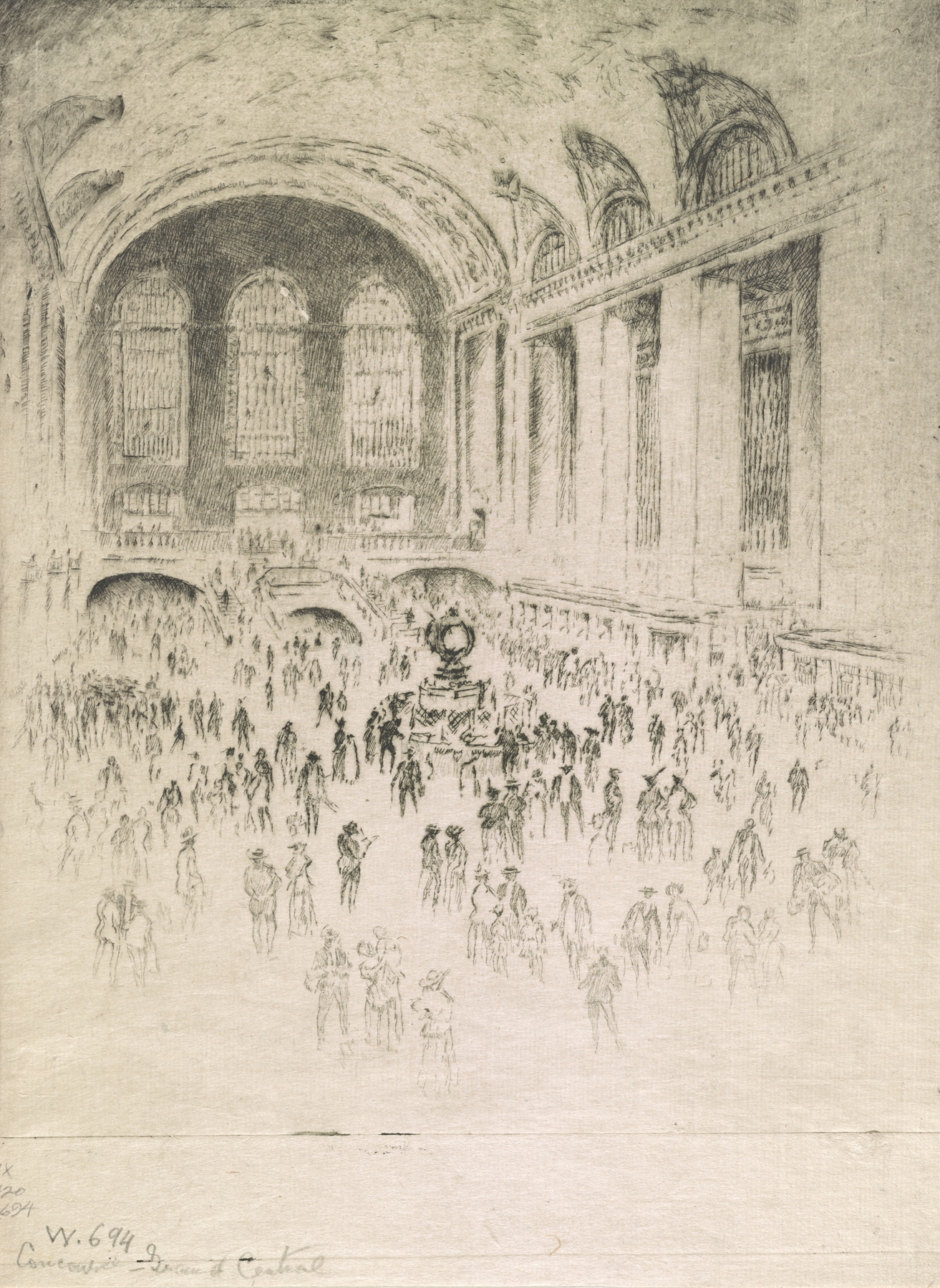
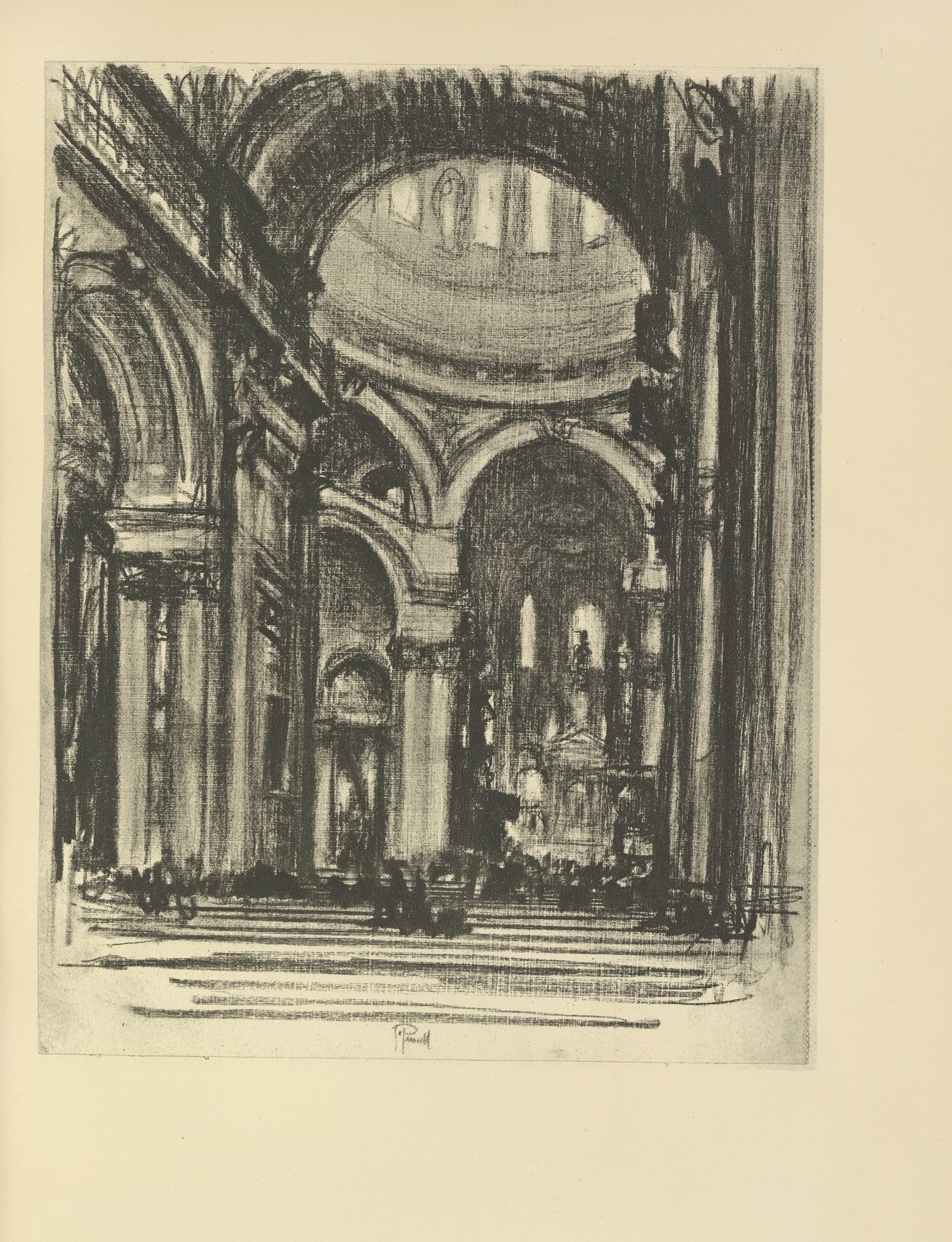
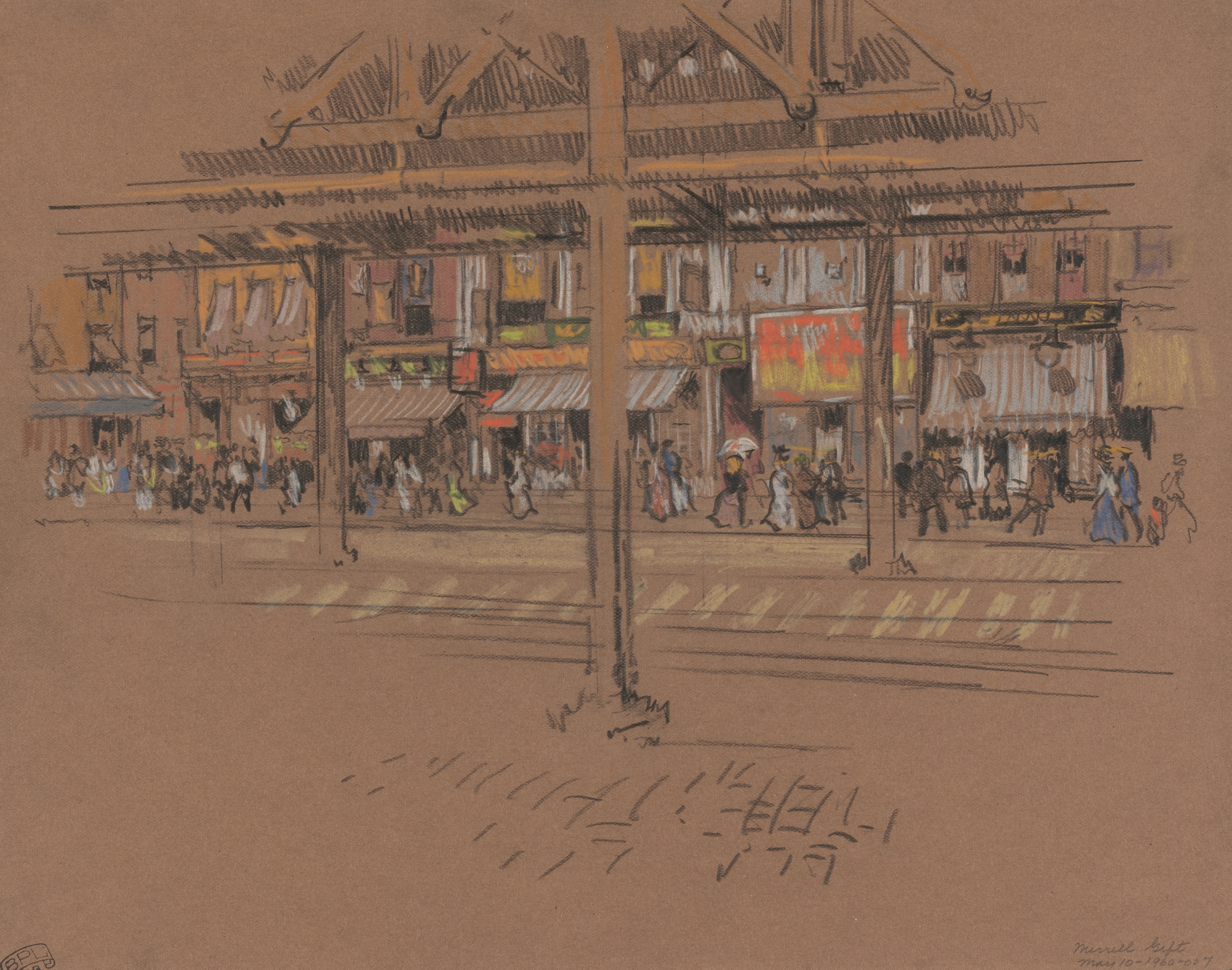
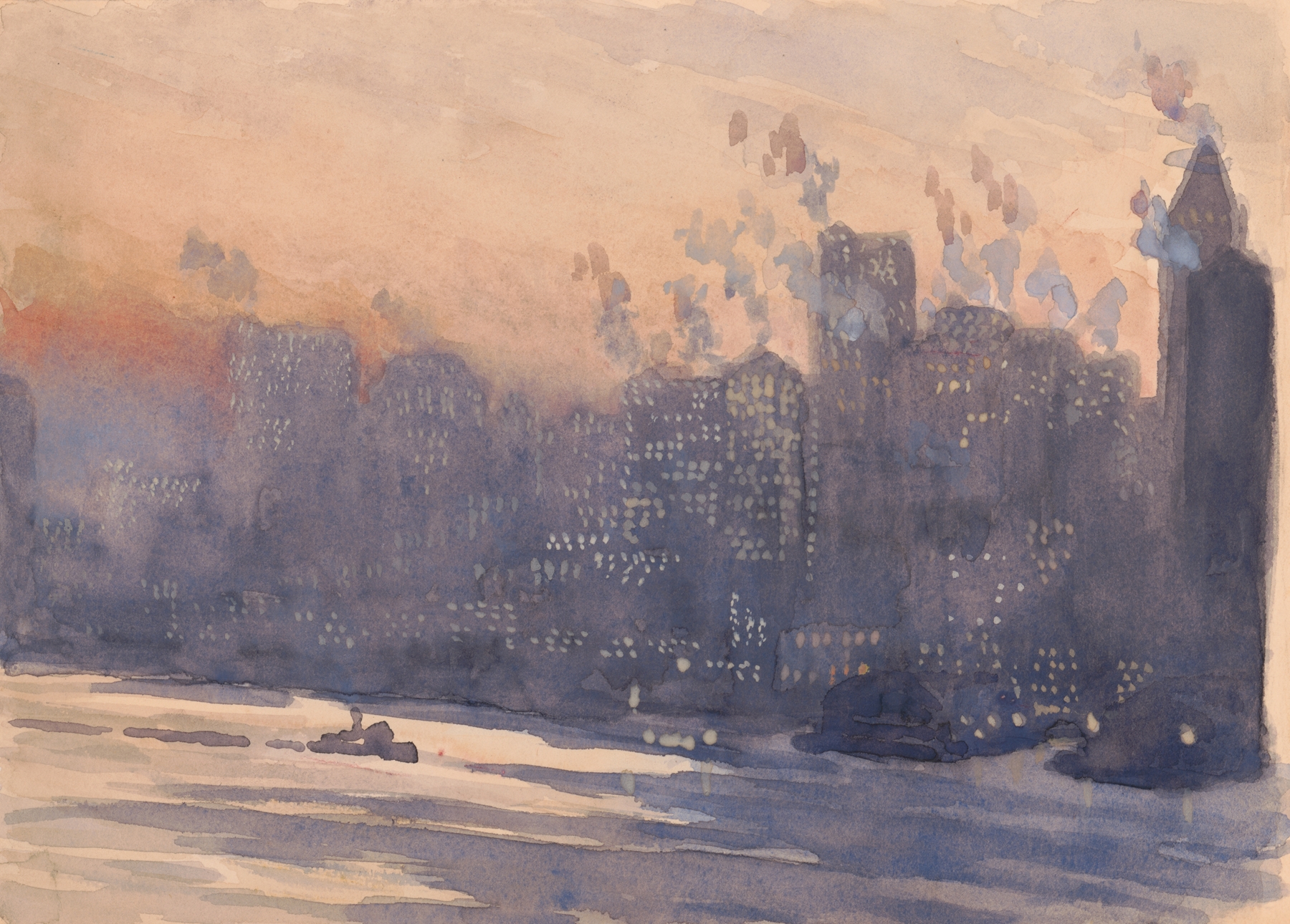
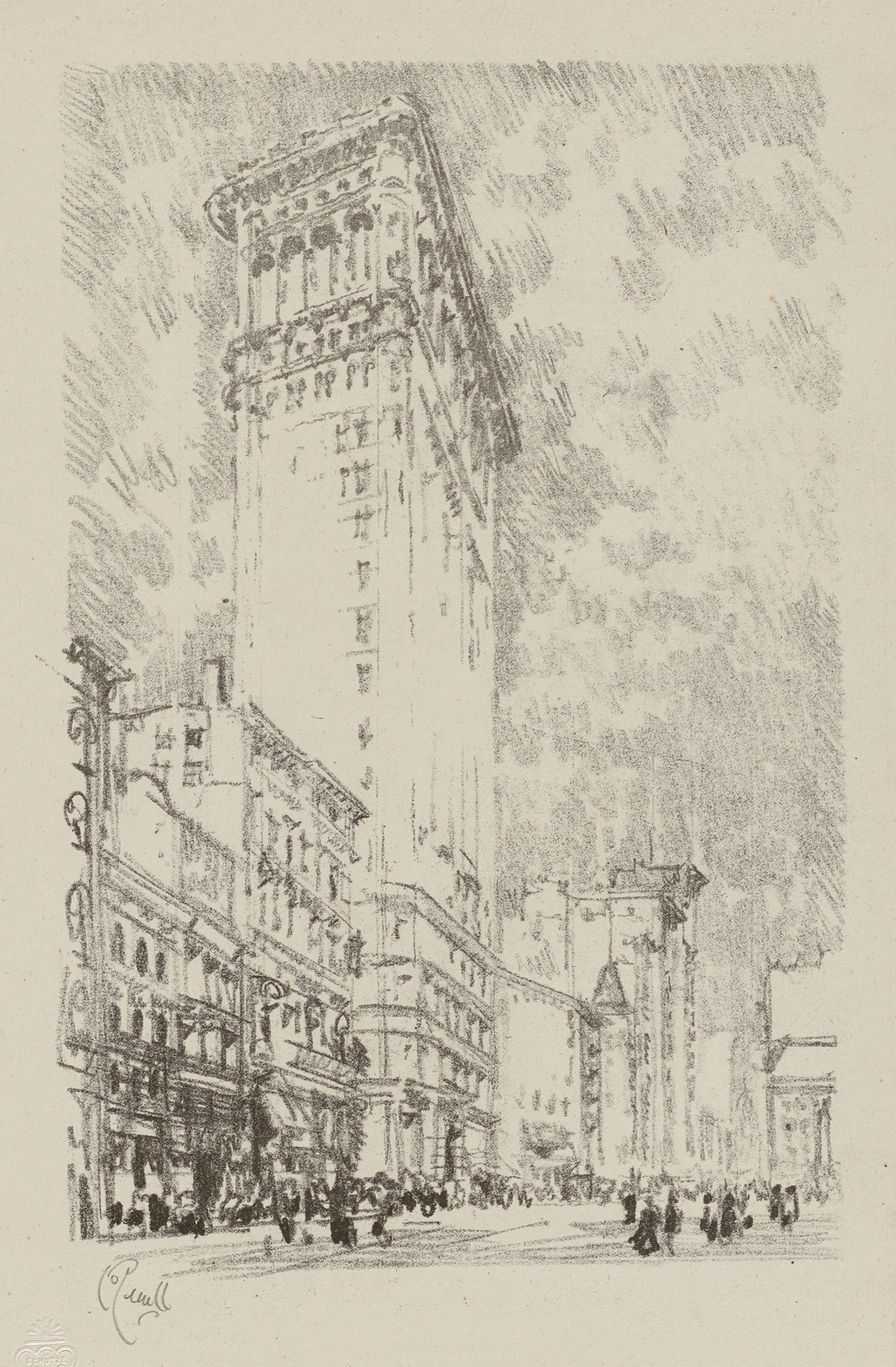
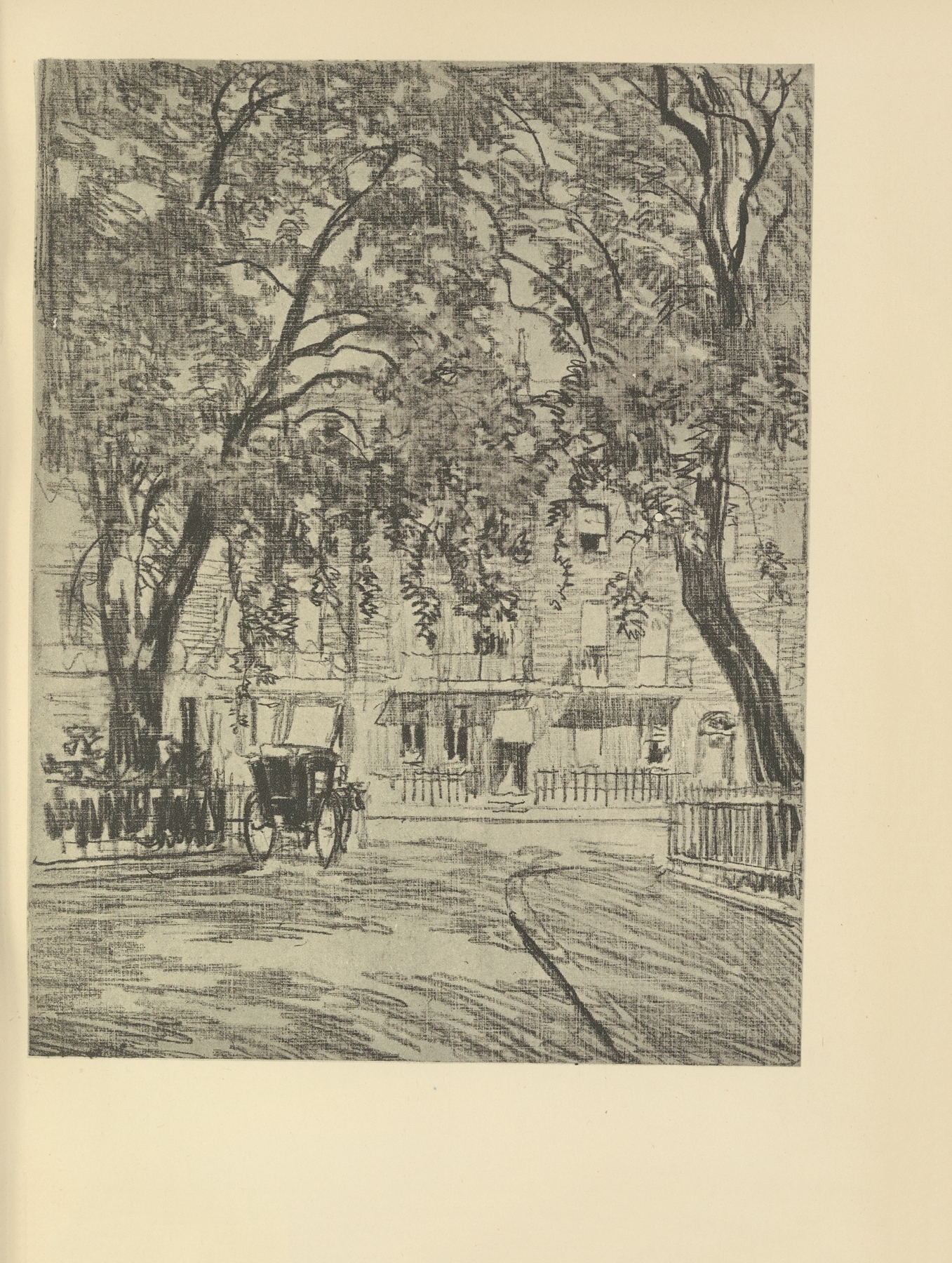
“Between color and silence, truth hides.” In the interplay of light and shadow, the essence of a moment is often unveiled, revealing layers of meaning beneath the surface. Look closely at the intricate play of forms in Regent’s Quadrant. The stark contrasts between the delicate lines of architecture and the heavier shadows draw you in, guiding your gaze across the canvas. The palette is restrained yet poignant, with muted grays and sharp blacks creating a sense of depth.
Notice how the shadows stretch and curl, almost alive, casting a spell that encourages the viewer to explore both the seen and the unseen. Delving deeper, one can sense the tension between light and dark, suggesting a hidden narrative that speaks of solitude and contemplation. The shadows cast by the grand structures evoke a feeling of permanence, contrasting with the fleeting nature of human experience. This juxtaposition invites reflection on our own place within the vastness of the urban landscape, as if whispering that even in the most bustling environments, solitude can be found.
Joseph Pennell painted this work in London in 1928, a time when he was deeply engaged in capturing the essence of urban life through his mastery of lithography and drawing. The art world was transitioning, with shifts toward modernism influencing many contemporaries. Amidst these changes, he sought to encapsulate the architectural beauty of the city, reflecting both the excitement and isolation that urban life provides.