Rio de Janeiro Bay — History & Analysis
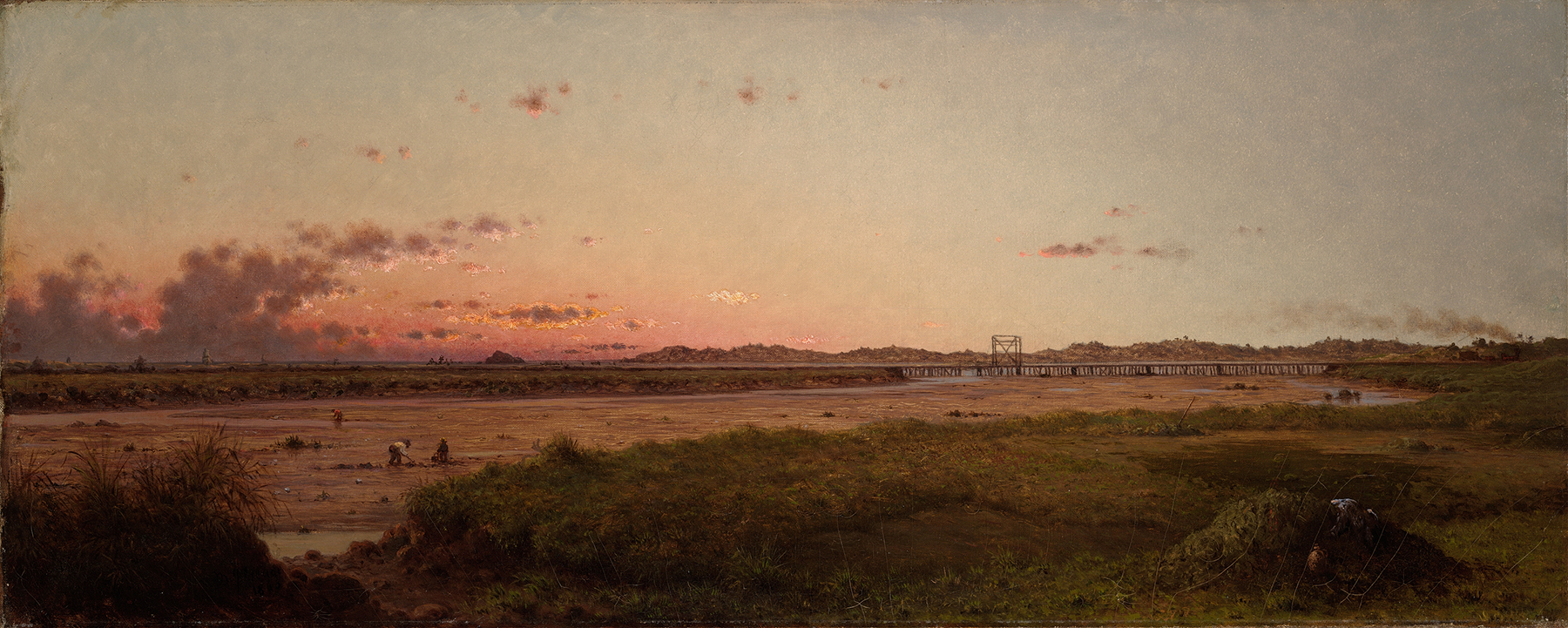
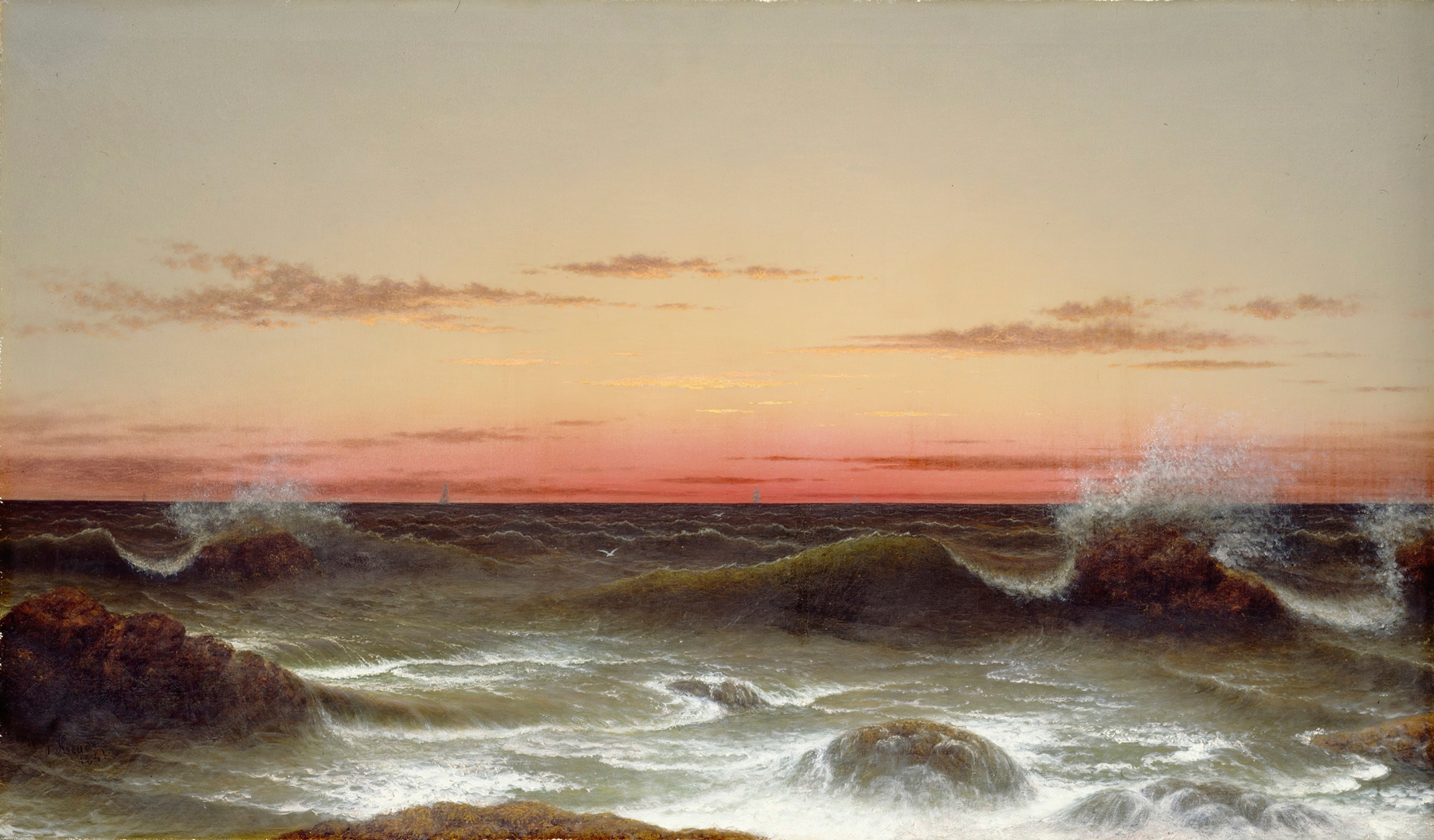
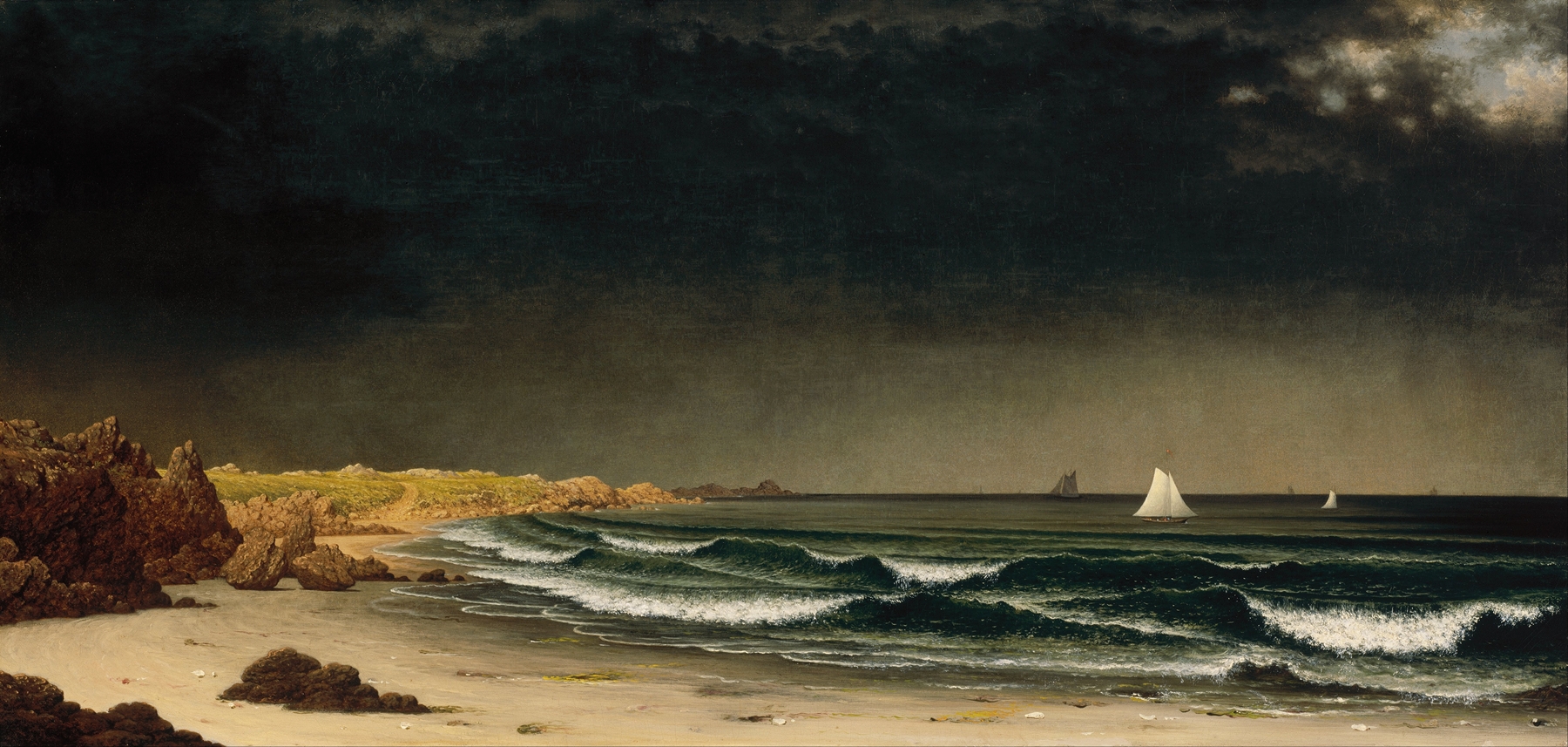
What secret hides in the quiet of the canvas? In the tranquil embrace of Rio de Janeiro Bay, a world unfolds, speaking to the essence of creation itself. Look to the foreground, where the gentle curves of the bay caress the horizon, seamlessly blending the rich blues of the water with the soft pastels of the sky. Notice how the faint brushstrokes evoke a sense of movement and life within the stillness. The sunlight bathes the scene, illuminating the boats that float serenely, their sails catching whispers of wind, while the distant mountains stand like guardians, cloaked in mist.
Heade’s composition balances realism with an ethereal quality, drawing you into the intimacy of the bay’s embrace. Within this serene vista lies a profound tension between nature and human presence. The boats, though man-made, seem almost ephemeral against the vastness of the natural landscape, symbolizing humanity's fragile relationship with the environment. The play of light reflects not only the visual beauty but also speaks of fleeting moments, inviting contemplation of time's passage.
Each element is meticulously rendered, revealing Heade's fascination with the world and the delicate interplay between creation and transience. In 1864, Heade painted this piece during a period of exploration and transformation in American art. He was immersed in the Hudson River School’s romanticism, yet sought to transcend it by capturing the subtleties of light and atmosphere. Living in a time when landscapes were becoming increasingly revered, Heade positioned himself as a bridge between traditional romanticism and the emerging impressions of natural beauty, paving the way for future artistic movements.