River Landscape with Footbridge — History & Analysis
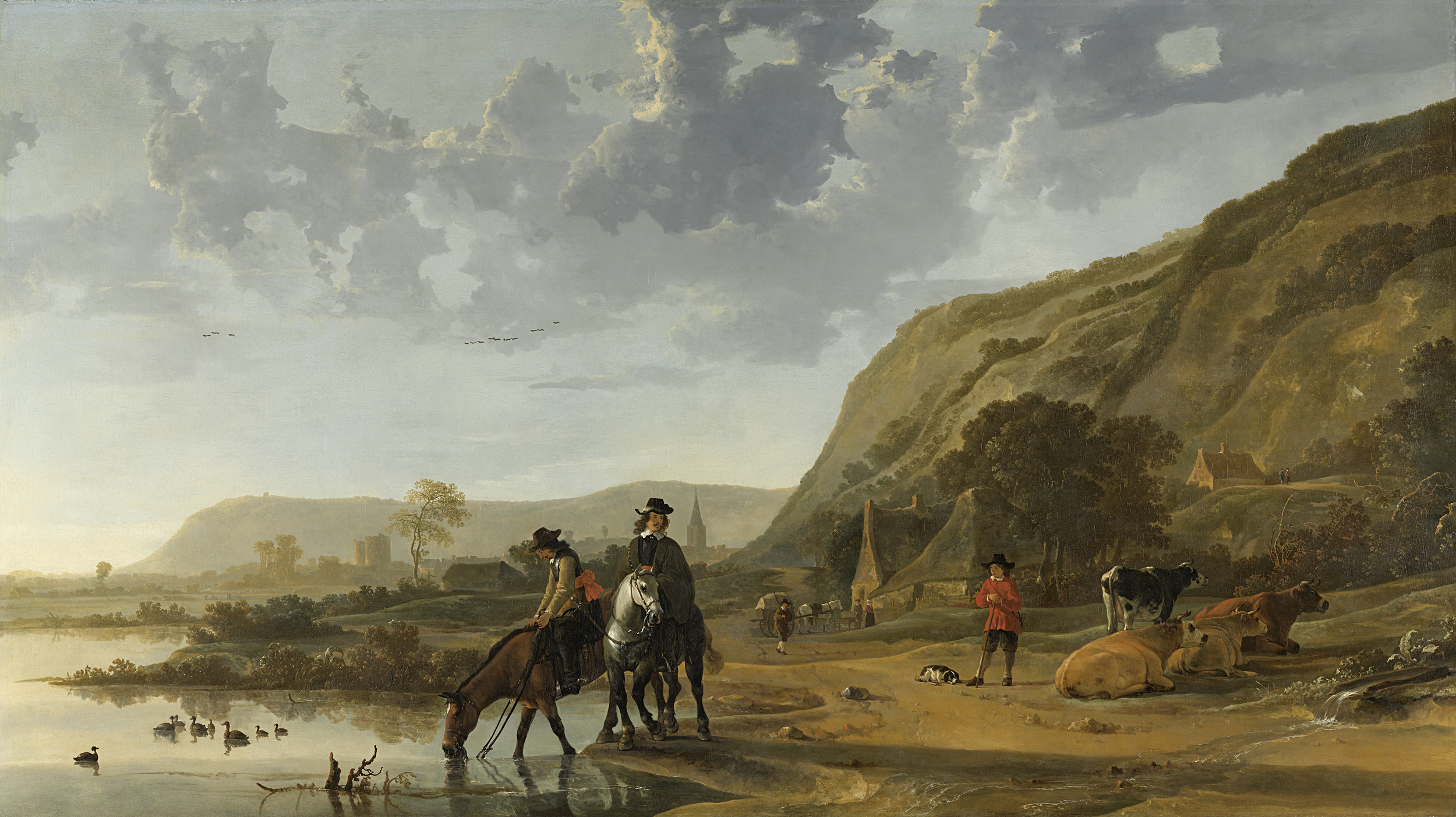
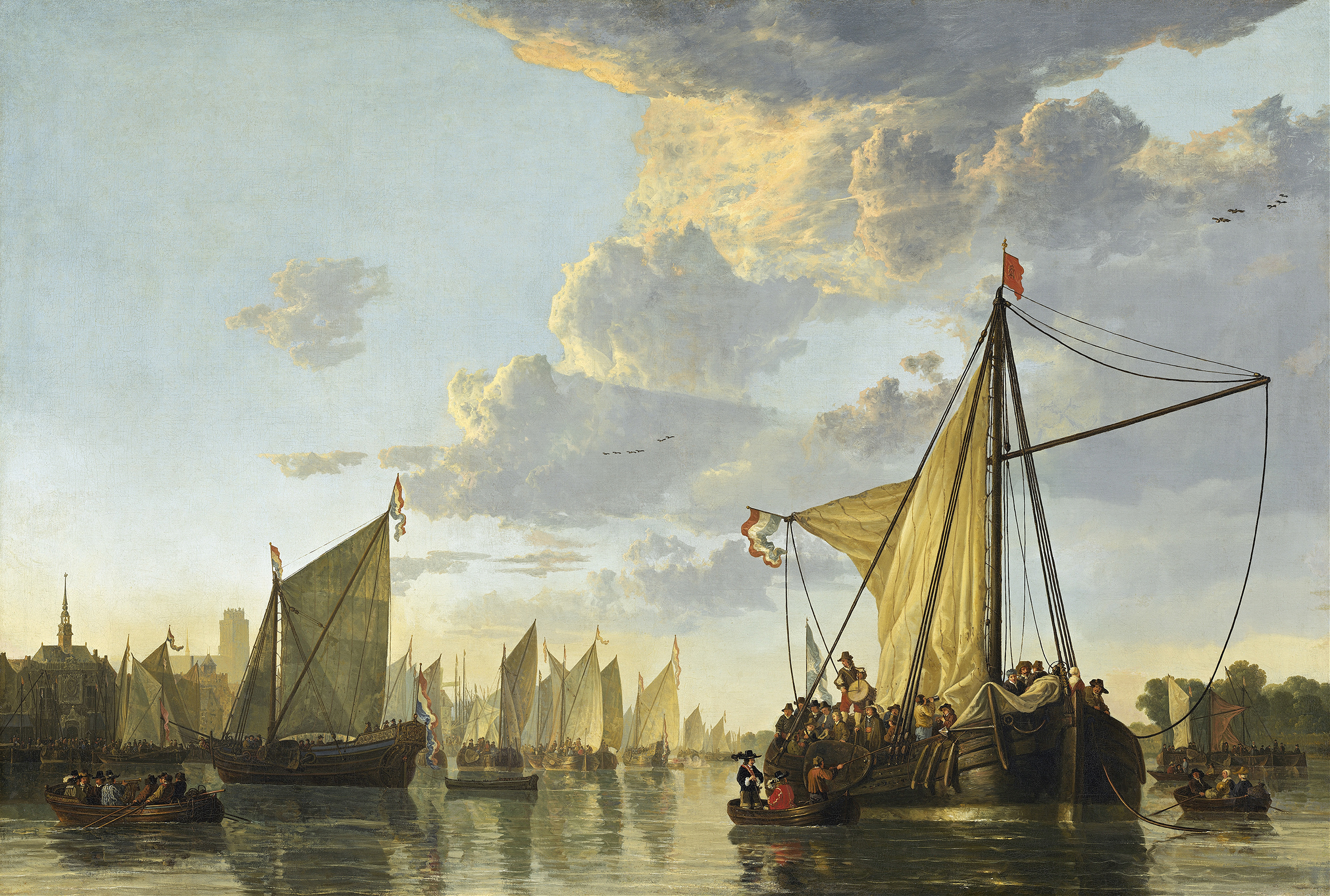
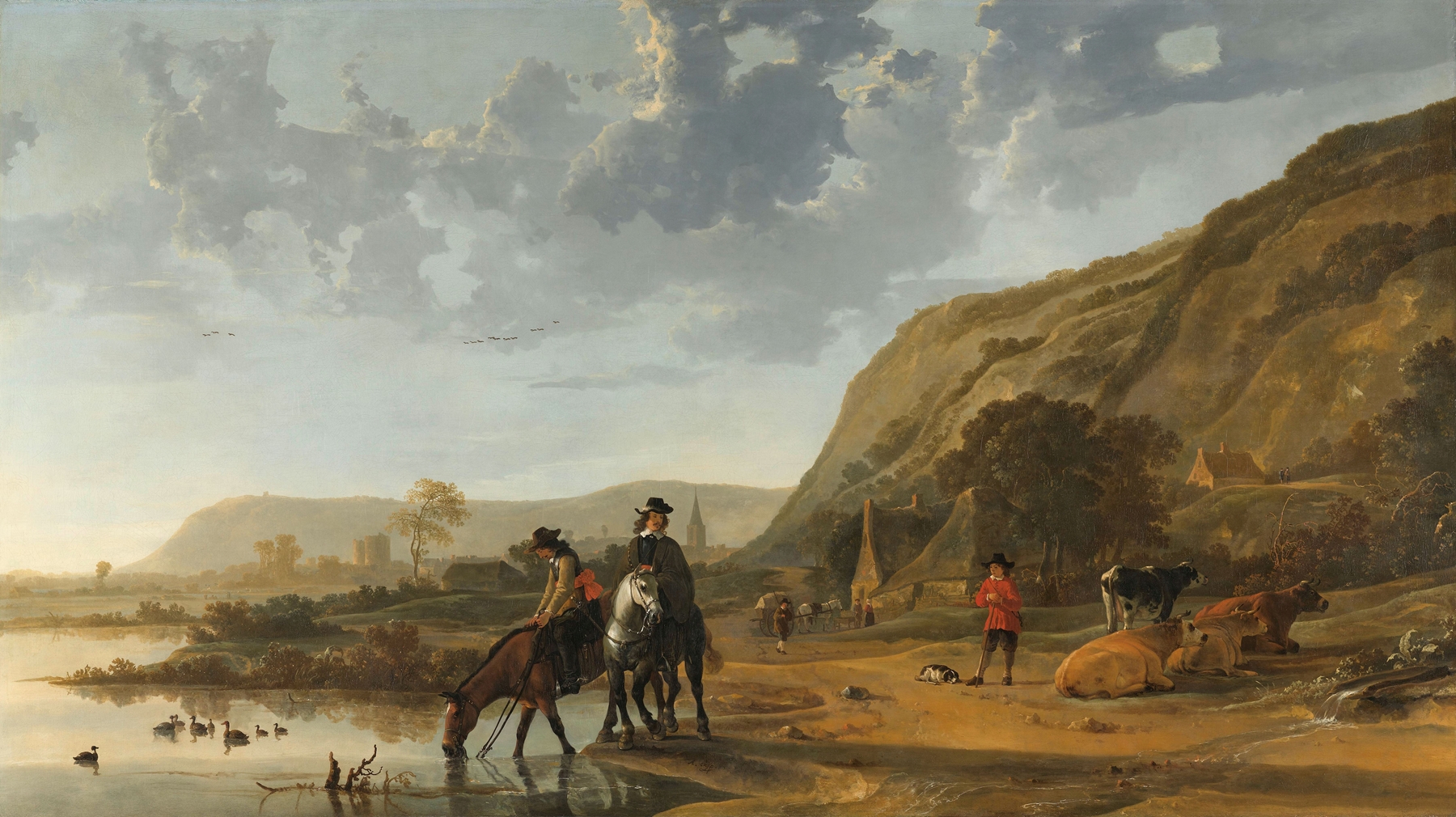
Did the painter know this moment would outlive them? In the serene embrace of nature, a fragile footbridge arches over a winding river, inviting contemplation and echoing the delicate balance of life itself. Focus first on the luminous sky at the top of the canvas, where soft hues of peach and azure blend effortlessly. Notice how the light falls upon the vibrant greenery, illuminating the leaves, giving them a rich, almost ethereal quality.
The composition draws the eye toward the bridge, its wooden beams painted with meticulous care, leading us into the tranquil yet uncertain waters below. Every brushstroke conveys a sense of depth and tranquility, underscored by the subtle play of shadows that hint at the tension between serenity and vulnerability. Yet, beneath this idyllic scene lies an emotional undercurrent. The footbridge symbolizes a passage, suggesting the transience of life and the fear of crossing into the unknown.
The calm surface of the river belies the depths beneath, a reminder that not all is as it seems. The harmonious colors contrast with the innate fear of vulnerability, encapsulating a moment that feels both eternal and fleeting, inviting viewers to reflect on their own journeys. In the early 1640s, Aelbert Cuyp painted this work in the Netherlands, a time when artists were increasingly exploring landscapes filled with personal significance. Cuyp was immersed in a burgeoning art scene that celebrated nature's beauty, yet he infused his compositions with profound emotional undercurrents, capturing not just the physical landscape but the complex human experience intertwined with it.