Riverside — History & Analysis
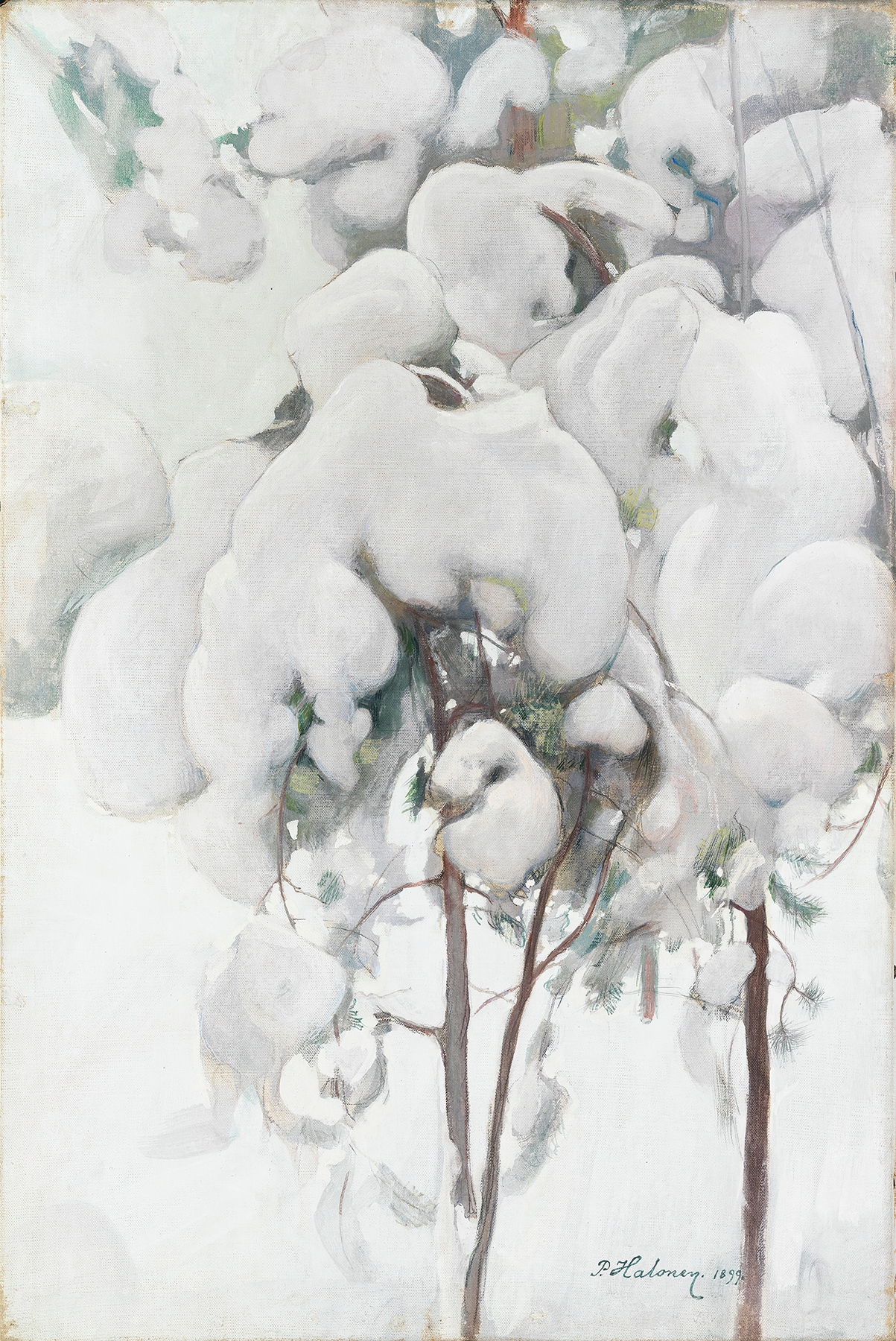
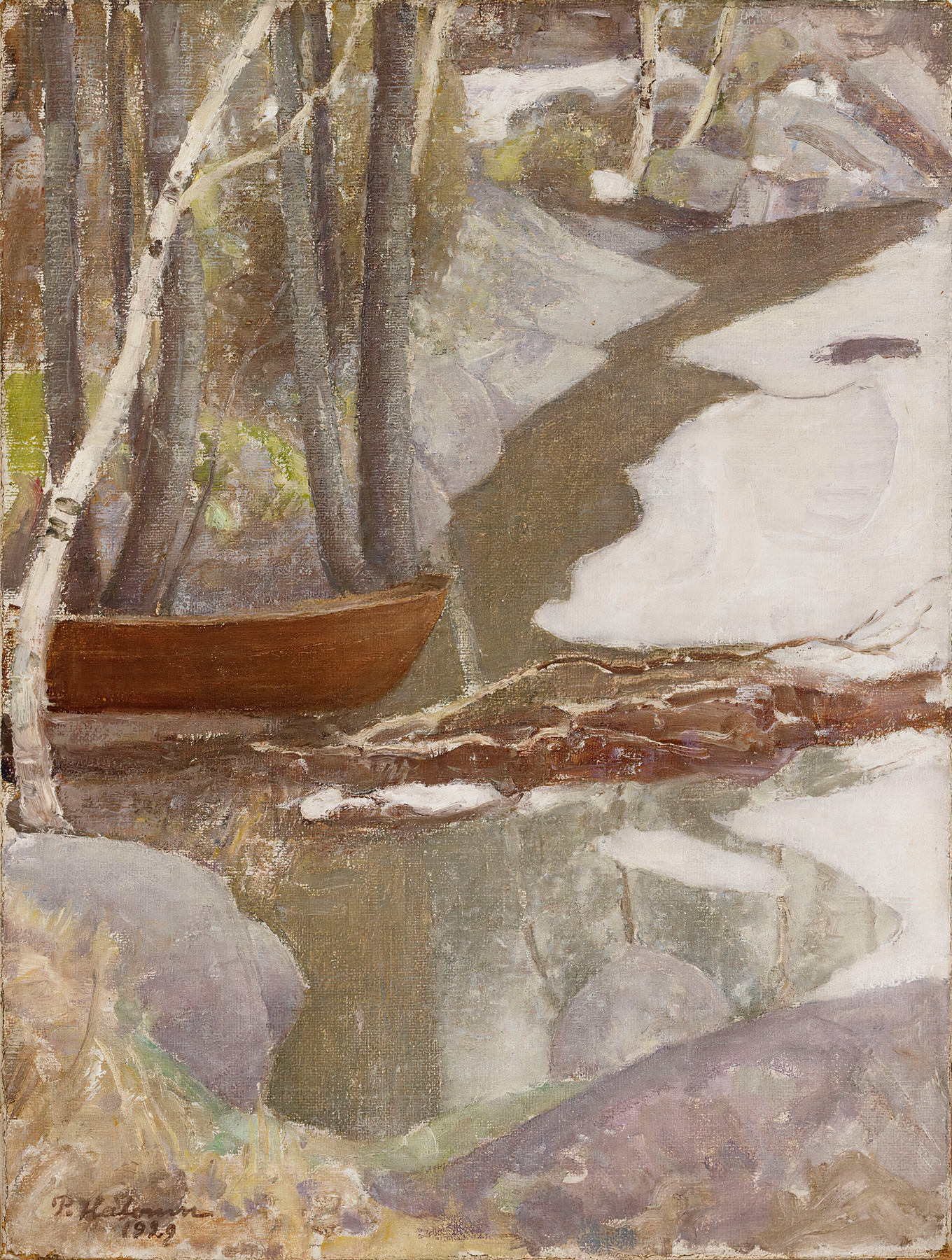
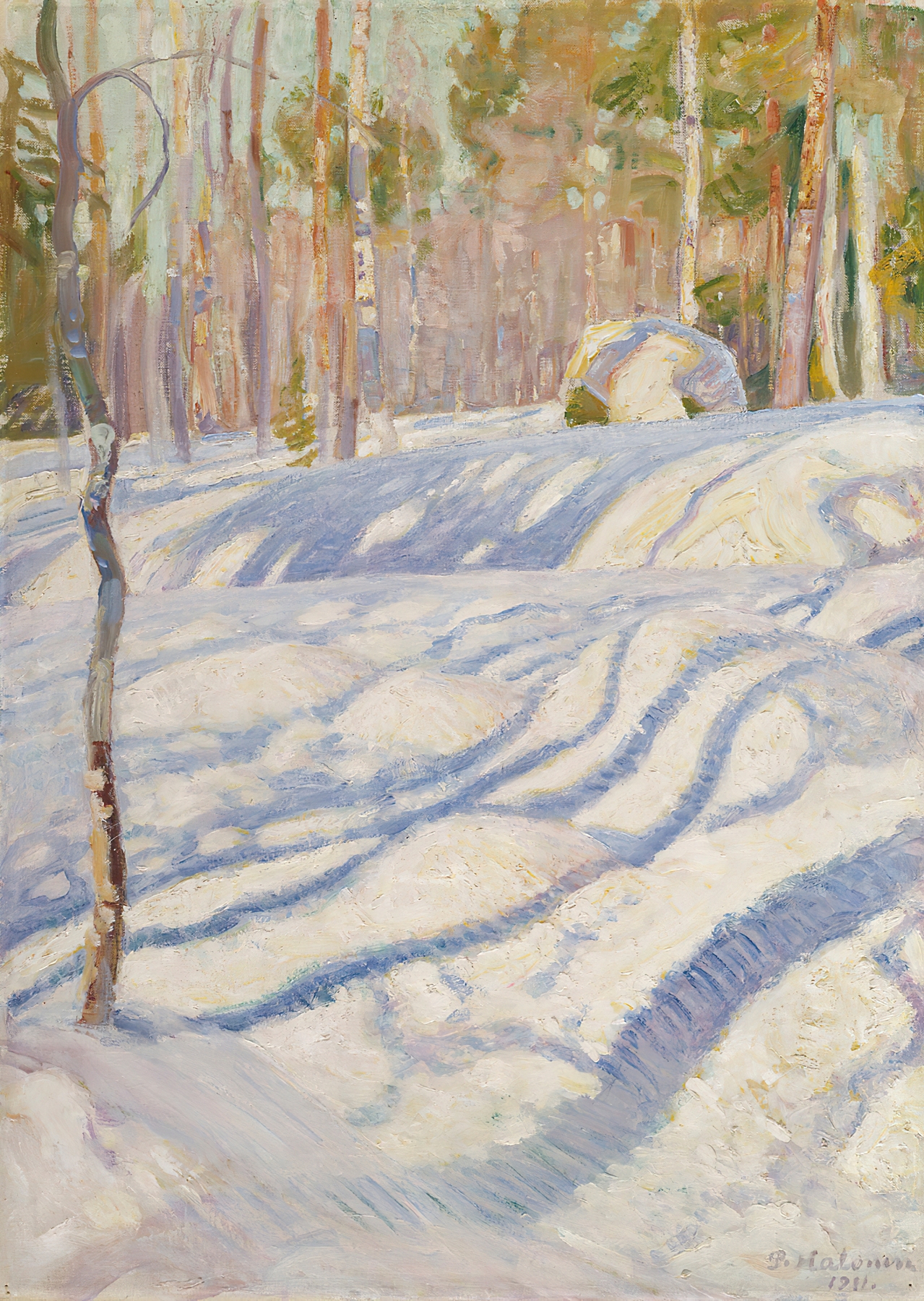
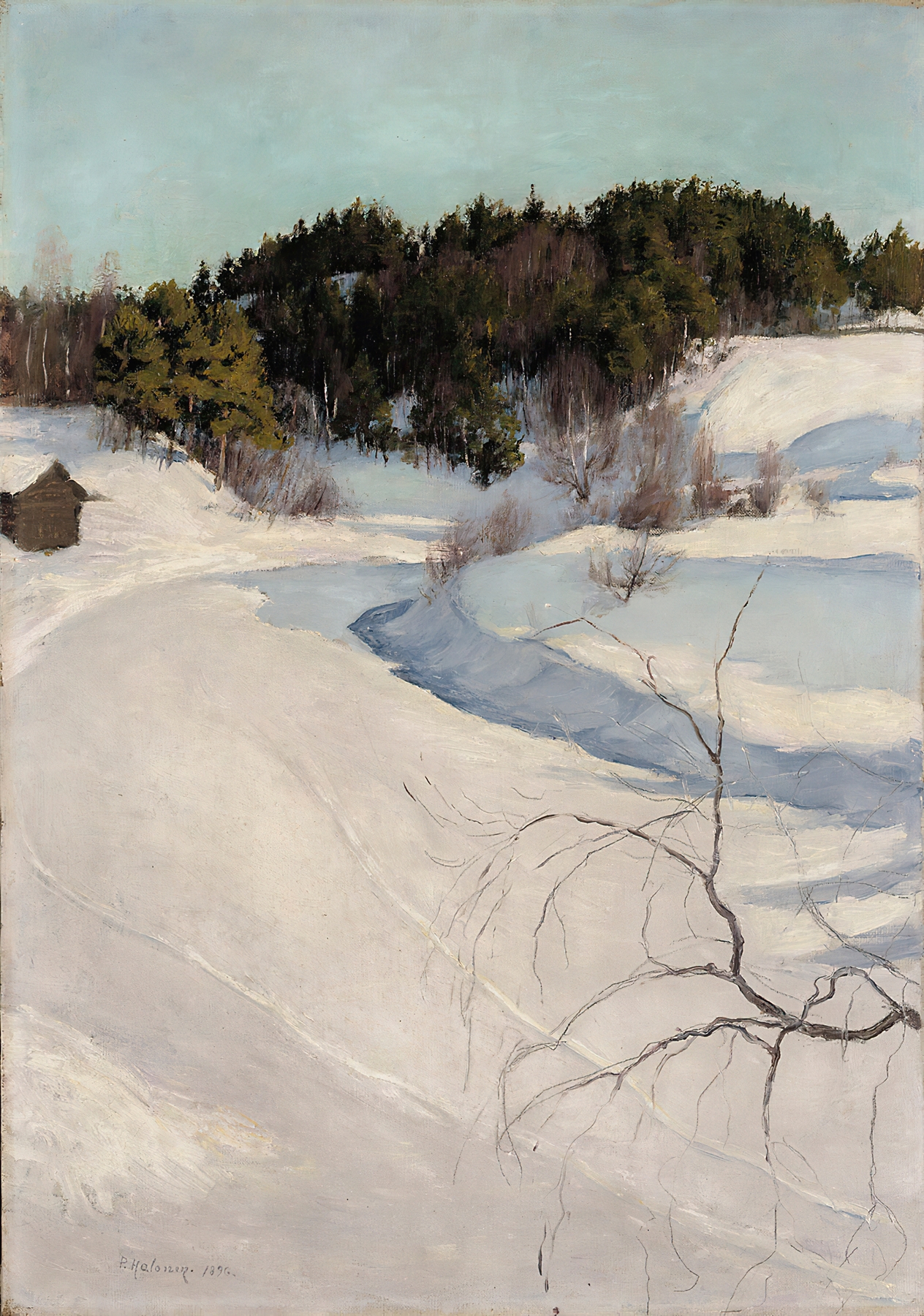
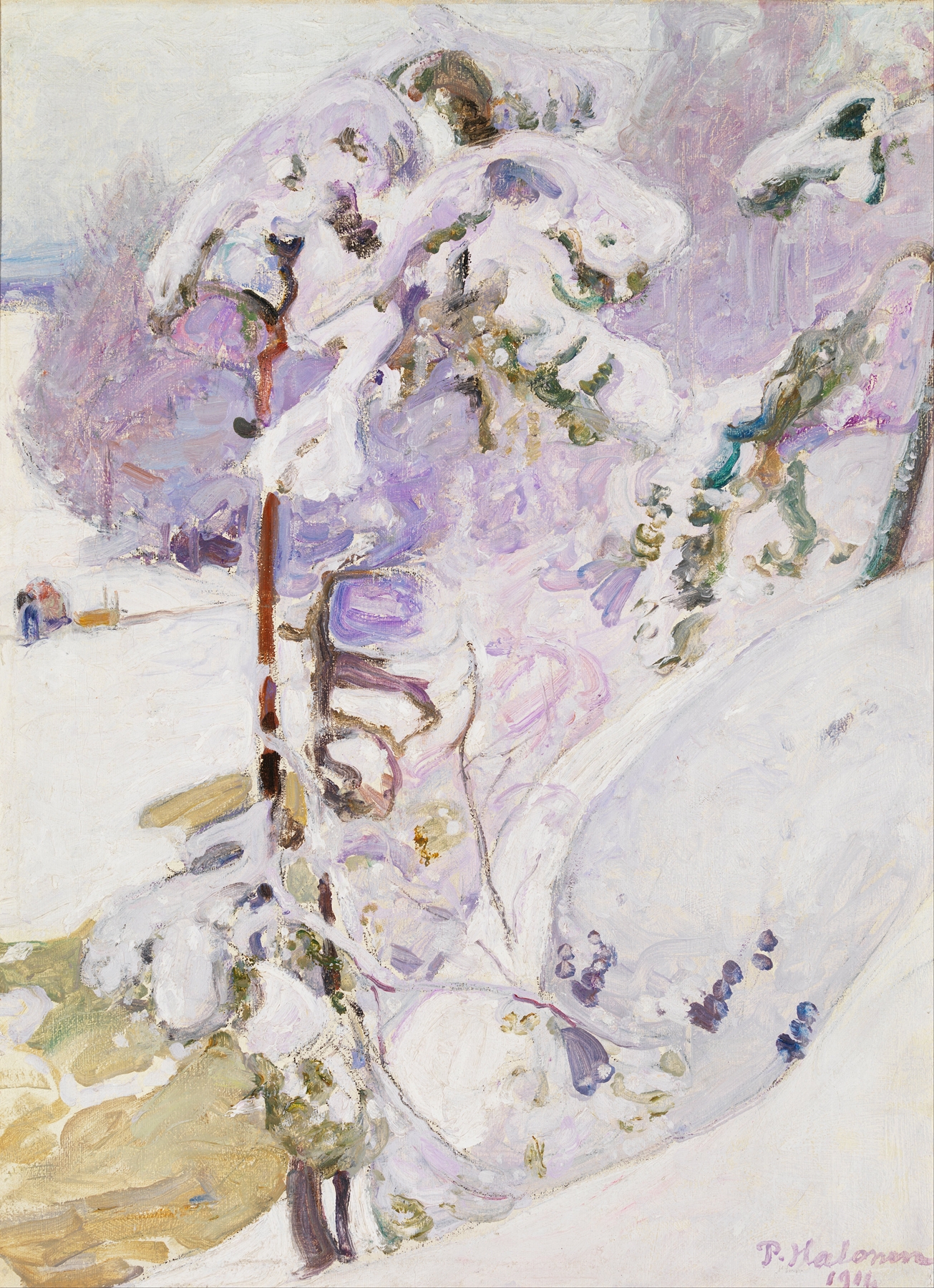
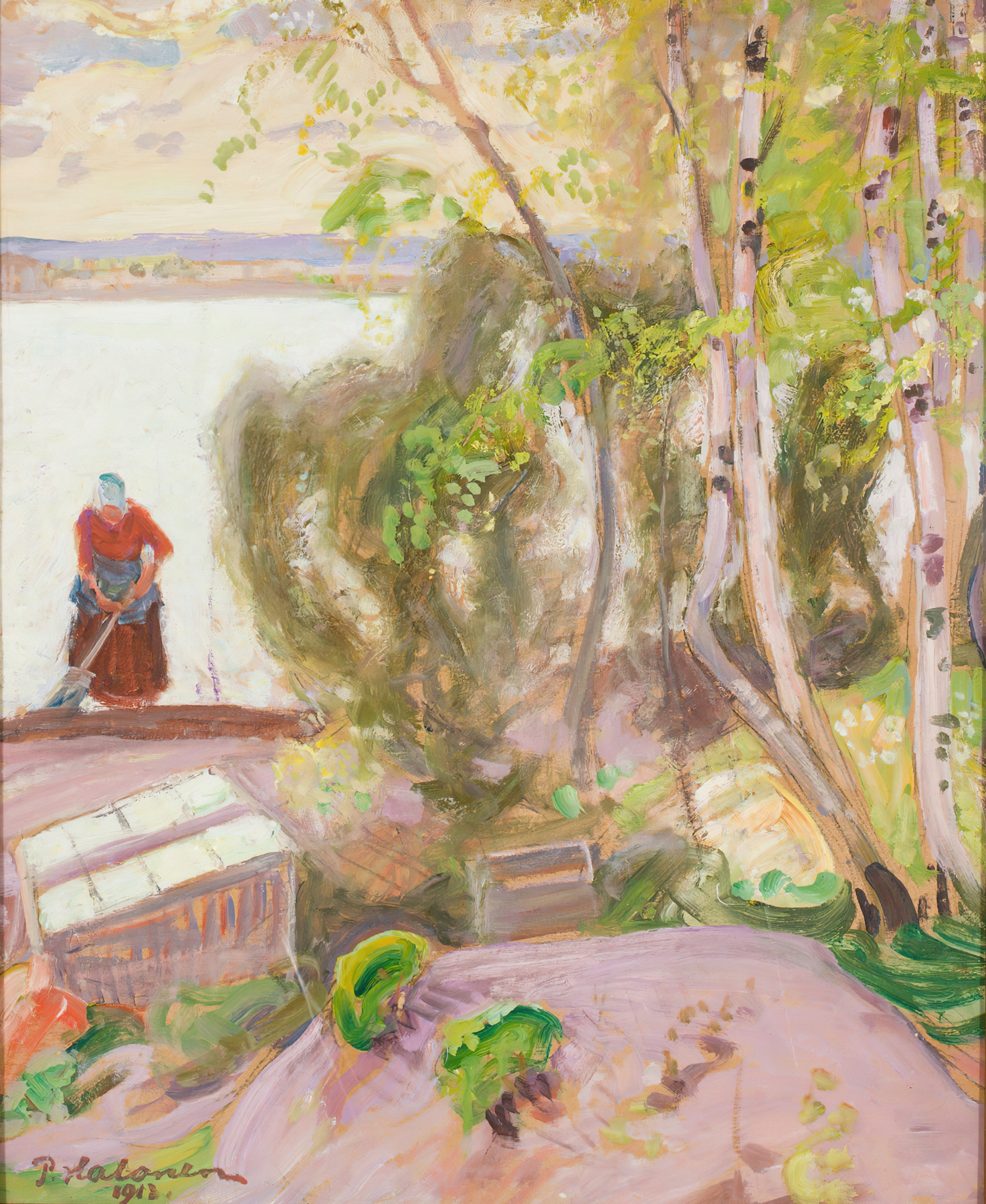
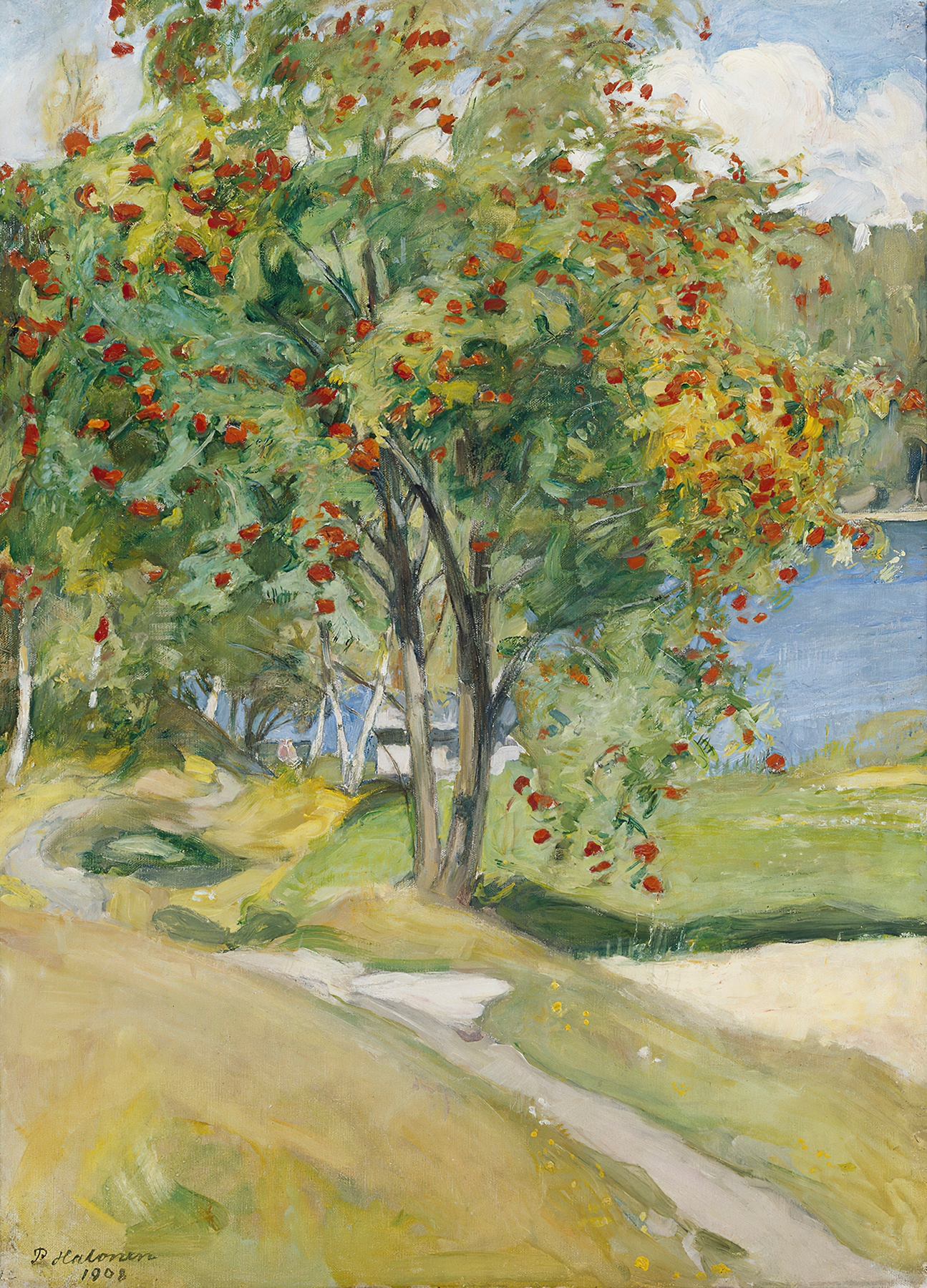
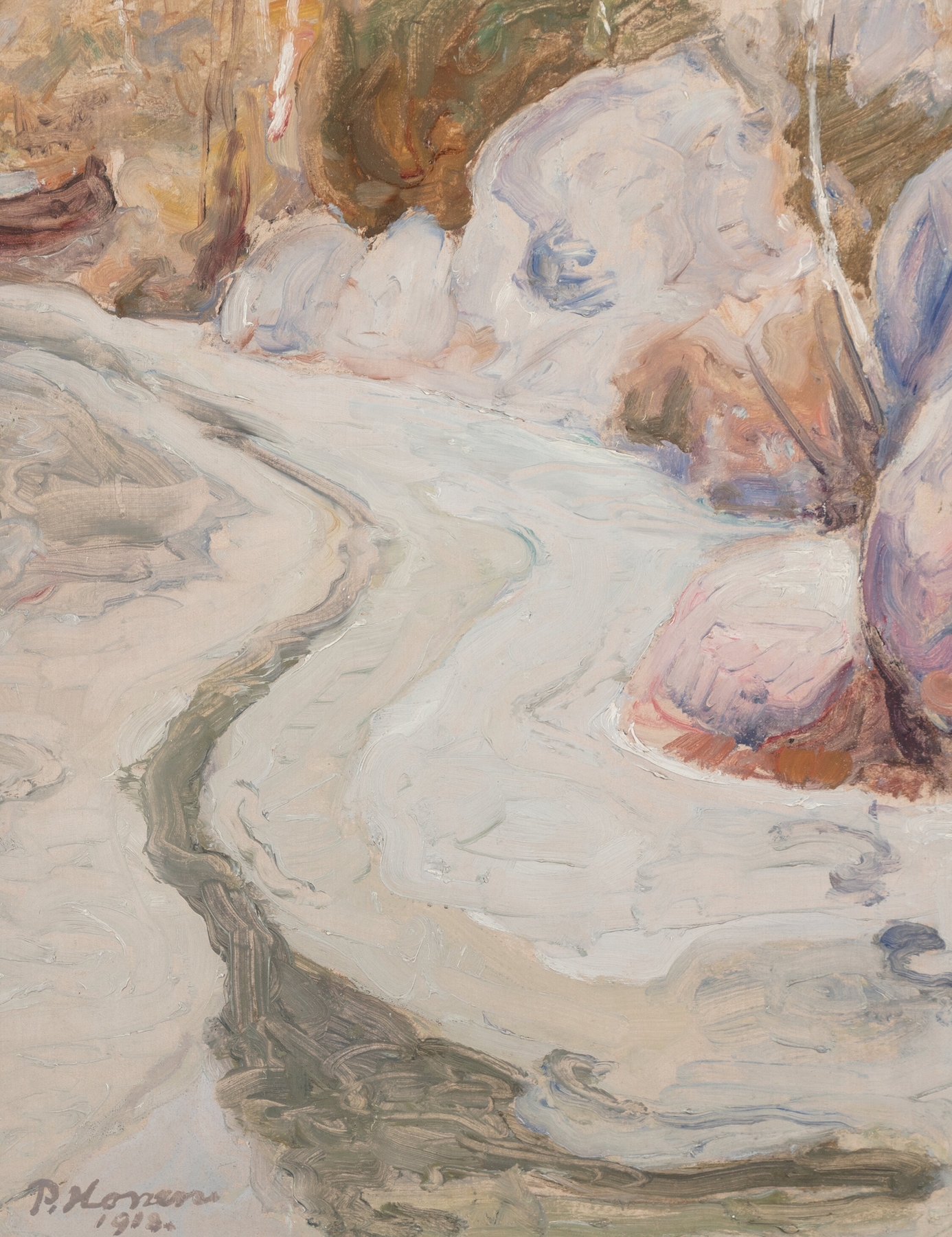
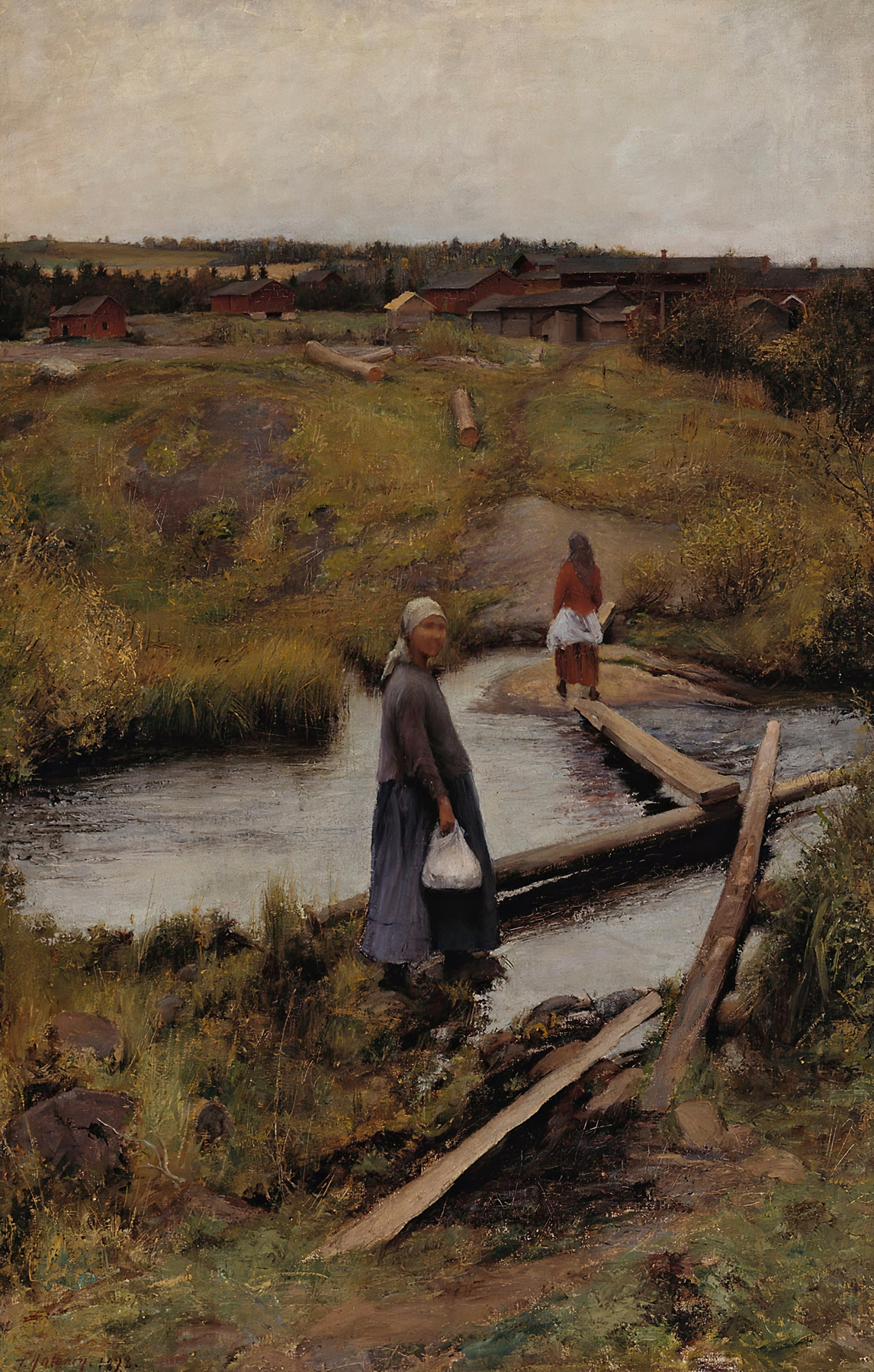
“Every brushstroke is a heartbeat remembered.” In a world of fleeting moments, how do we capture the essence of a legacy? Look to the left where the gentle flow of the river mirrors the muted colors of twilight, soft blues and greens inviting contemplation. Notice how the trees, painted with delicate strokes, arch gracefully over the water, their branches forming a natural frame that channels the eye toward the distant horizon. The play of light dances across the surface, creating ripples that suggest movement and life, as if nature itself is whispering secrets to the viewer.
Beneath the serene surface lies a deeper narrative—the contrast between the tranquil setting and the looming shadows hints at the ephemeral nature of time. The vibrant foliage, while lush, also symbolizes the fleeting moments of life, reminding us that beauty is often intertwined with impermanence. Each element, from the wispy clouds to the subtle reflections, encourages introspection about the legacies we leave behind and the memories we carry with us.
Created in 1897, this piece emerged during a transformative period for its creator, who was immersed in the Finnish national romantic movement. At that time, Halonen was establishing his reputation and drawing inspiration from the landscapes of his homeland, reflecting a growing appreciation for national identity amidst the broader European art scene. As he crafted Riverside, Halonen was not only shaping his artistic legacy but also contributing to a collective cultural memory that would resonate with future generations.