Rivierlandschap in Campania met stad op rotsen — History & Analysis
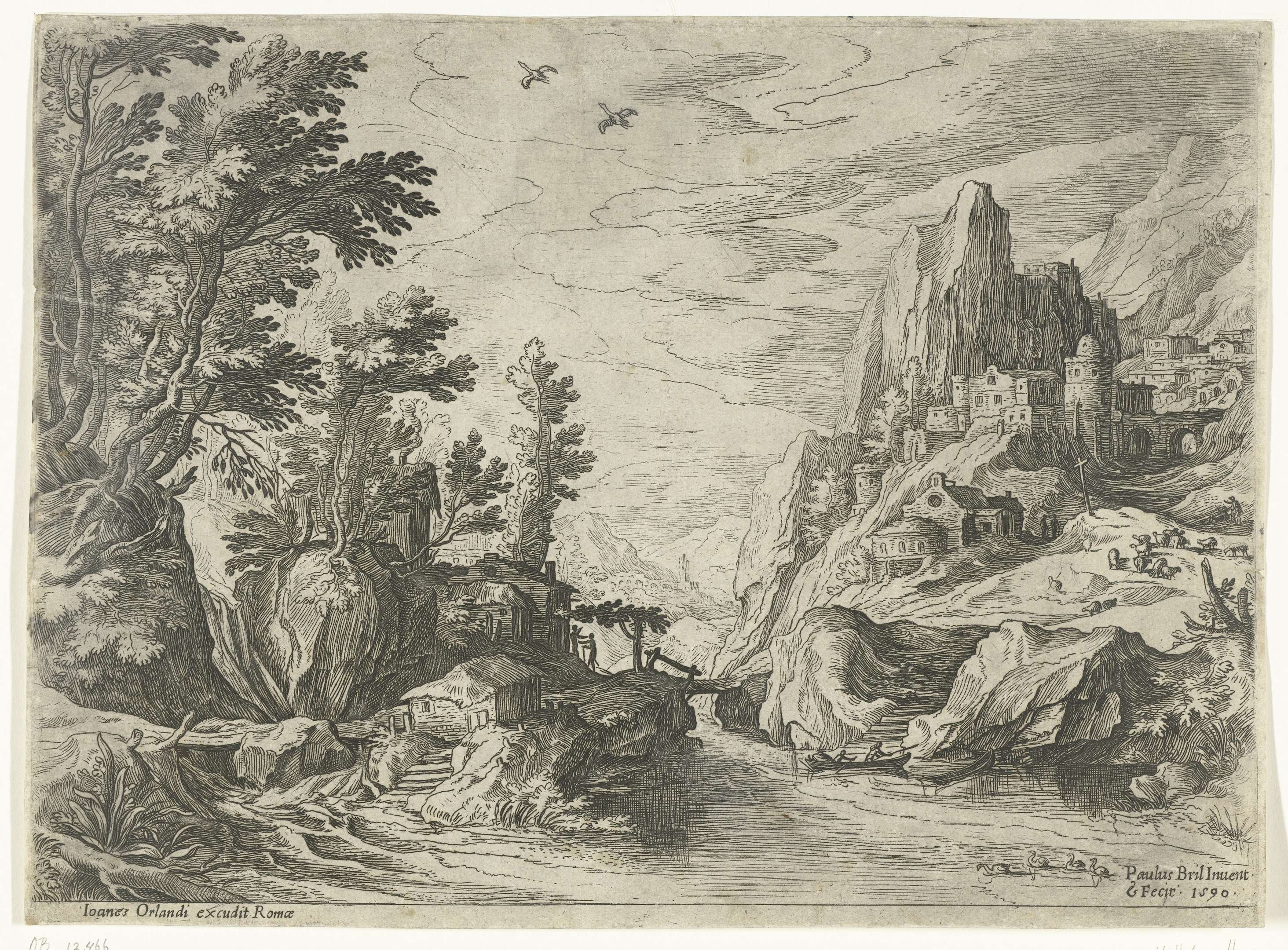
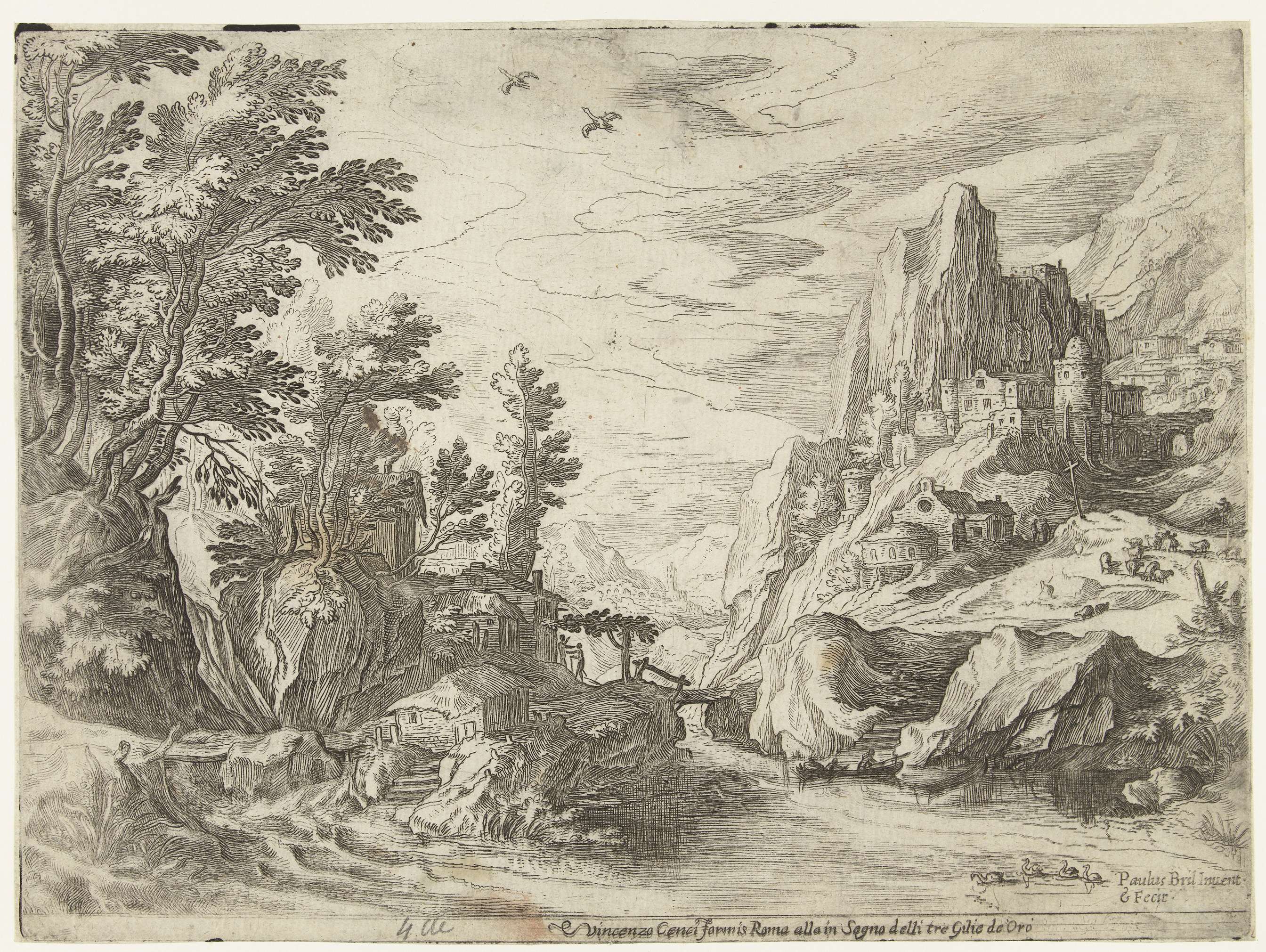
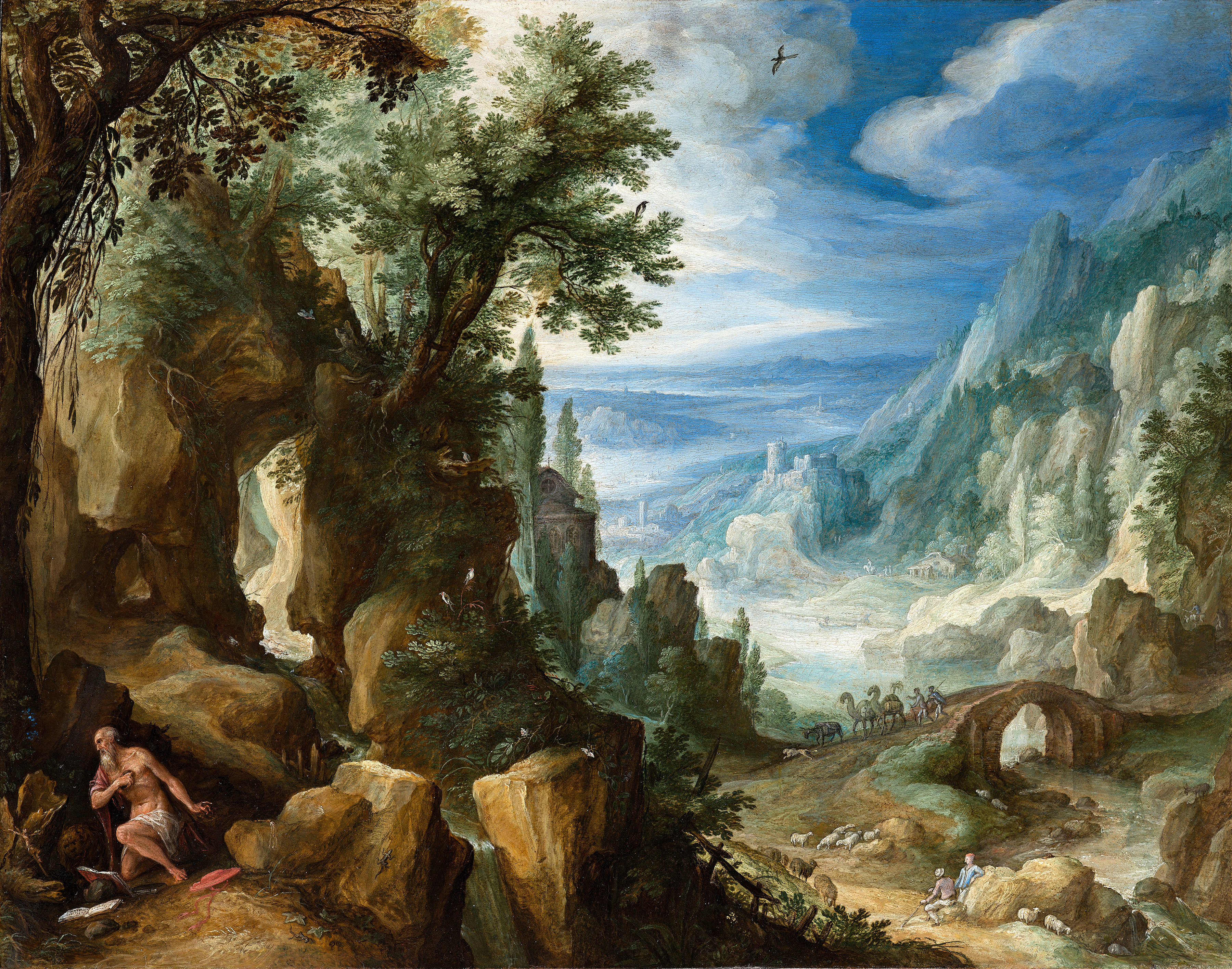
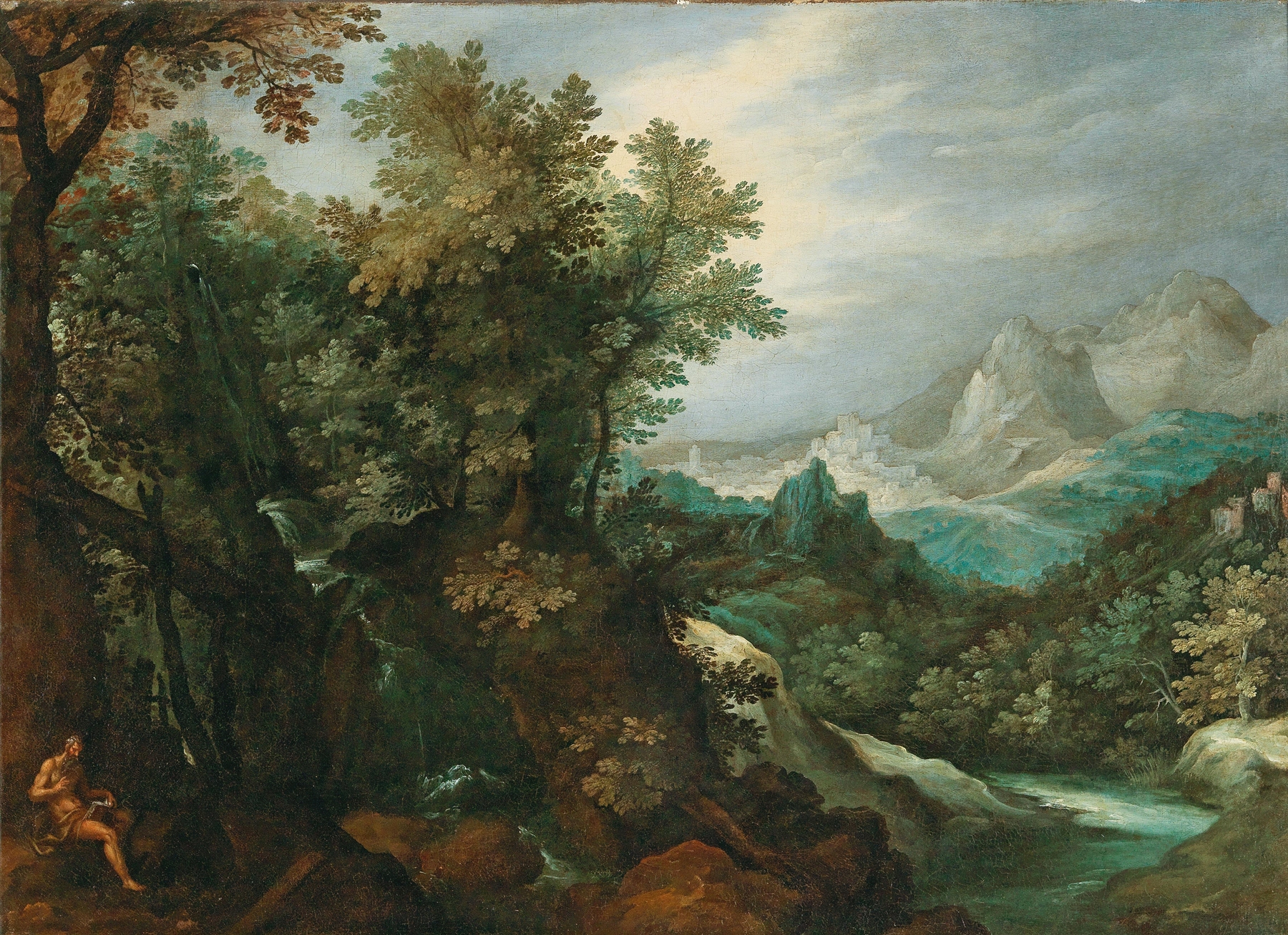
“Art reveals the soul when the world turns away.” In the quiet corridors of the mind, obsession unfurls its tendrils, transforming landscapes into realms of fervent longing and deep reflection. The beauty of a scene can be both a balm and a torment, revealing the delicate balance between desire and reality. Look to the left, where the jagged rocks jut confidently into the sky, cloaked in verdant foliage. The crisp strokes breathe life into the scene, with the vibrant greens and earth tones swirling around the solid structures of the city perched precariously on the cliffs. Focus on the shimmering river that winds through the composition, its reflective surface capturing the azure sky above.
The artist’s meticulous brushwork creates an interplay of light and shadow, drawing your eye deeper into the natural splendor juxtaposed against human resilience. Yet, there is a tension here—a blend of harmony and isolation. Notice how the city appears almost as an afterthought, dwarfed by the grandeur of nature that encircles it. The river, a lifeblood flowing through the landscape, seems to symbolize both movement and stagnation, representing the duality of existence.
This interplay between the vibrant life of the landscape and the stillness of the city evokes a sense of obsession, as if humanity’s pursuit of permanence is forever at odds with the ephemeral beauty of nature. Paul Bril painted Rivierlandschap in Campania met stad op rotsen in 1590 during a time of personal and artistic transition while living in Italy. The late Renaissance was marked by a growing fascination with landscapes as subjects, reflecting the shifting perspectives in art and society. Bril’s choice to embrace this genre speaks volumes about his life experiences and the broader cultural currents of the period, encapsulating a world on the brink of exploration and discovery.