Rivierlandschap met gezicht op Ruhrort — History & Analysis
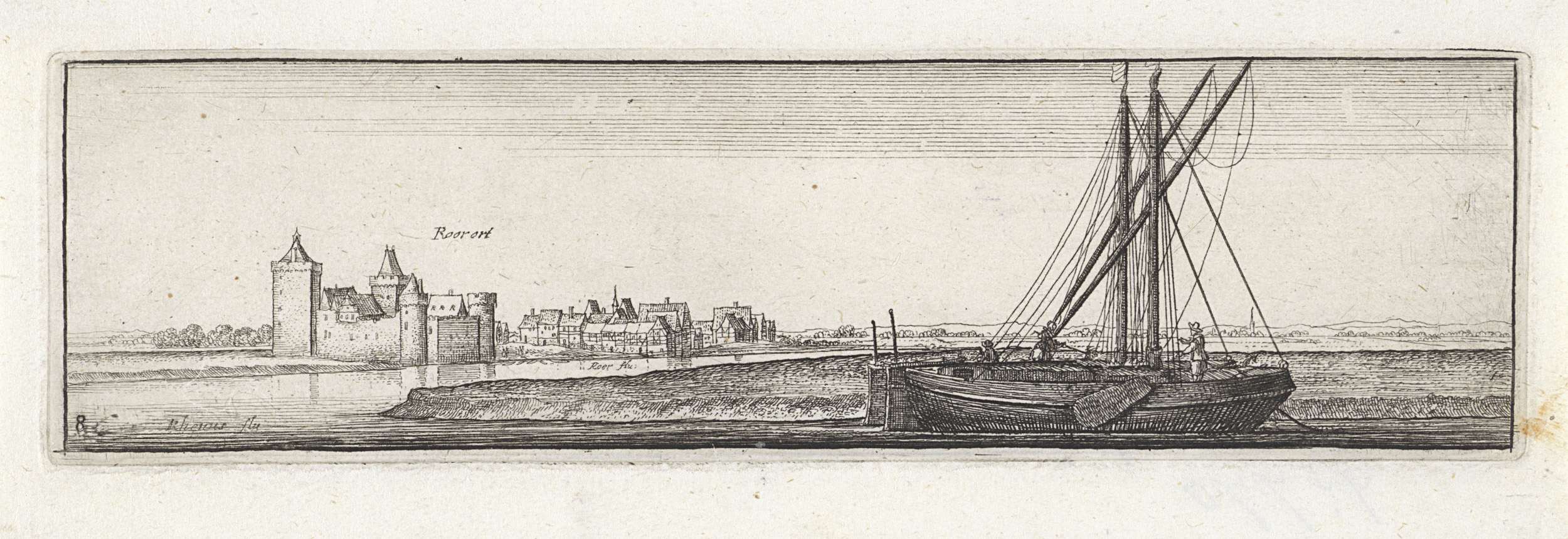
Where does light end, and longing begin? The delicate interplay between the two in *Rivierlandschap met gezicht op Ruhrort* evokes a sense of betrayal within the landscape itself, a reminder of the fleeting nature of beauty. Look to the left at the horizon, where the sun lingers just above the waterline, casting a soft golden hue that bathes the scene in warmth. The intricate details of the riverbanks, dotted with trees and human figures, draw the eye toward the bustling activity of Ruhrort. Notice how the artist’s meticulous line work and muted palette create a balance between serenity and restlessness, leading the viewer into the depths of this tranquil yet charged environment. As the viewer examines the painting further, contrasts emerge between the vibrant light reflecting off the river and the shadowy figures of laborers along the shore. This tension speaks to the paradox of industry amidst the natural world, where human ambition can overshadow nature’s grace. Hollar captures the moment with an almost melancholic precision, suggesting that the vibrancy of the landscape belies the struggles and betrayals faced by those who inhabit it. In 1643, while Hollar painted this serene yet complex piece in the Low Countries, Europe was embroiled in the Thirty Years' War, a time of great upheaval and conflict. As an artist who often documented the scenery of his surroundings, Hollar’s work reflects both the beauty and the underlying tensions of a world caught in tumult.