Road at Bronowice — History & Analysis
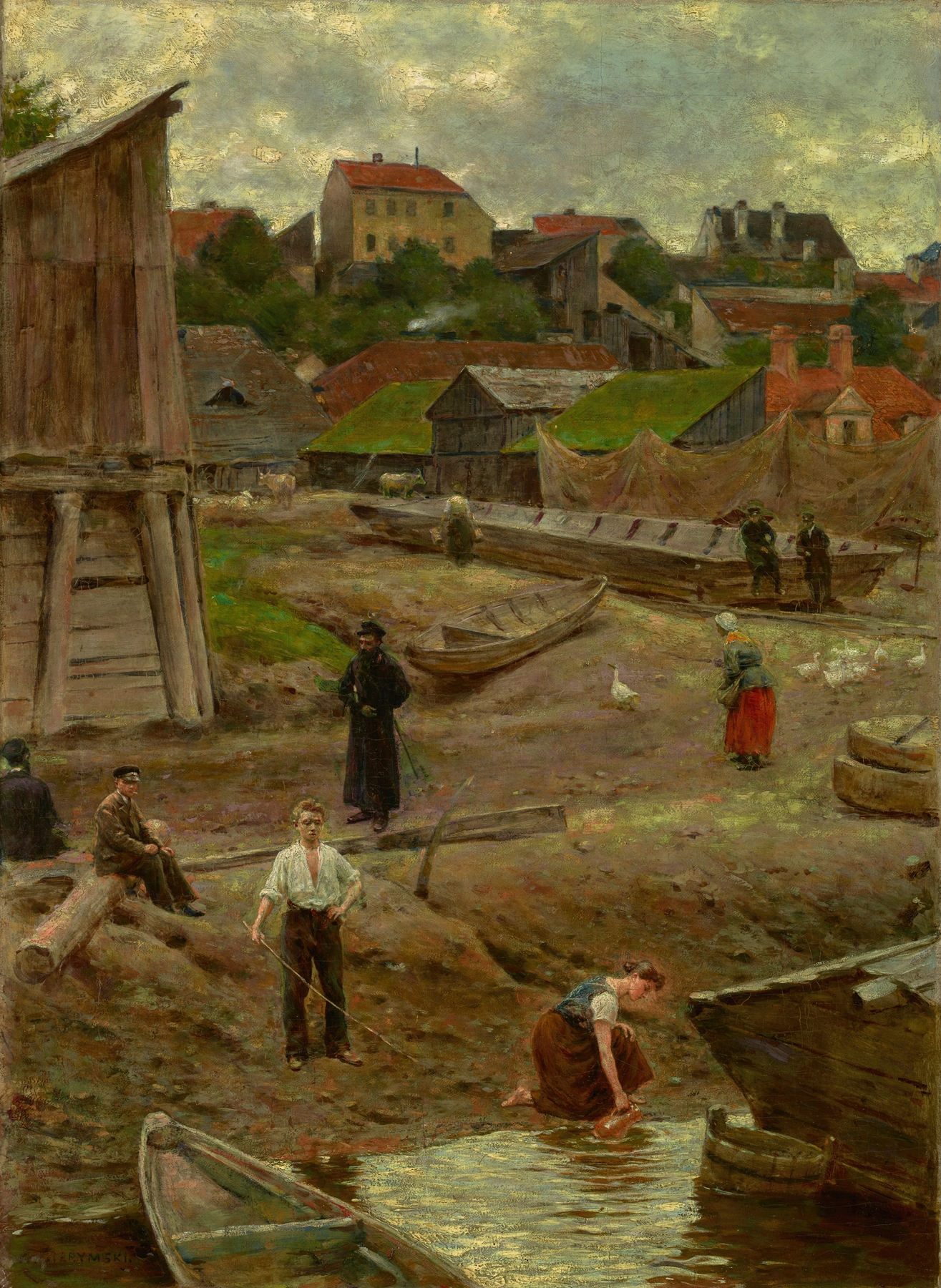
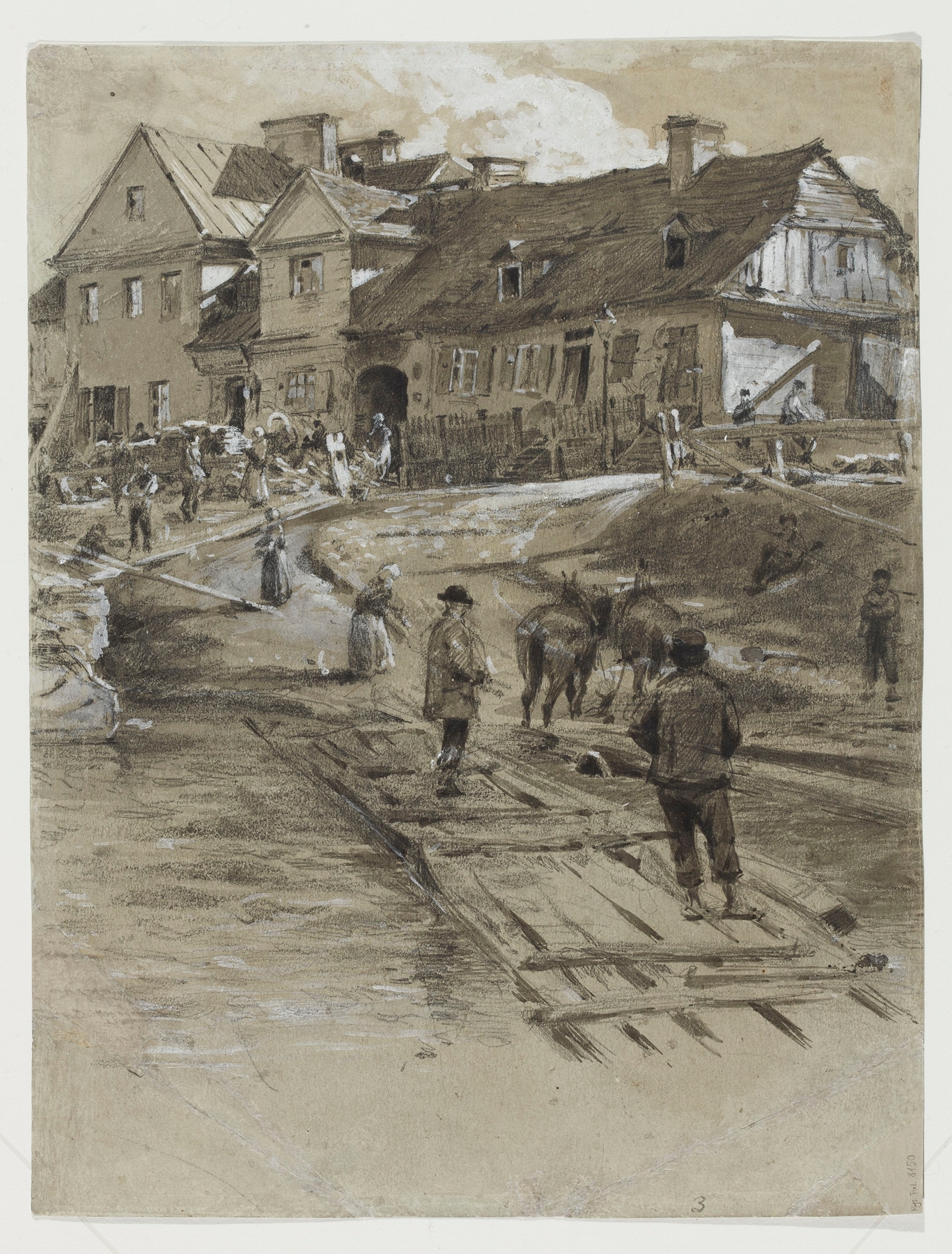
Who listens when art speaks of silence? In Road at Bronowice, a stillness permeates the air, inviting us to witness the quiet solitude of a rural landscape steeped in faith and reflection. Look to the center where the winding road draws your eyes into the heart of the painting. Notice how the path, lined with lush greenery, creates a gentle leading line, inviting exploration and contemplation. The soft, muted palette of greens and browns merges seamlessly, evoking a sense of harmony with the natural world.
The interplay of light and shadow, particularly in the dappled sunlight filtering through the trees, adds depth and texture, heightening the emotional weight of the scene. Yet, within this pastoral tranquility lies a paradox of solitude and connection. The distant figure, almost a silhouette, suggests both isolation and an intimate communion with nature. The expansive sky, with its fragile clouds, mirrors inner turmoil and hope, as if the landscape itself is an extension of the soul's journey.
The careful brushwork conveys a sense of reverence for the land, prompting viewers to ponder their own relationship with faith and the divine. Aleksander Gierymski painted Road at Bronowice during a period of personal struggle and societal change in Poland, around 1894-1895. Living in a time when the Polish art scene was evolving, he sought to convey deeper truths through his landscapes, reflecting both the beauty and the complexity of life in rural Poland. This work stands as a testament to his devotion to capturing the essence of nature and humanity's place within it.