Rocks and Breaking Waves — History & Analysis
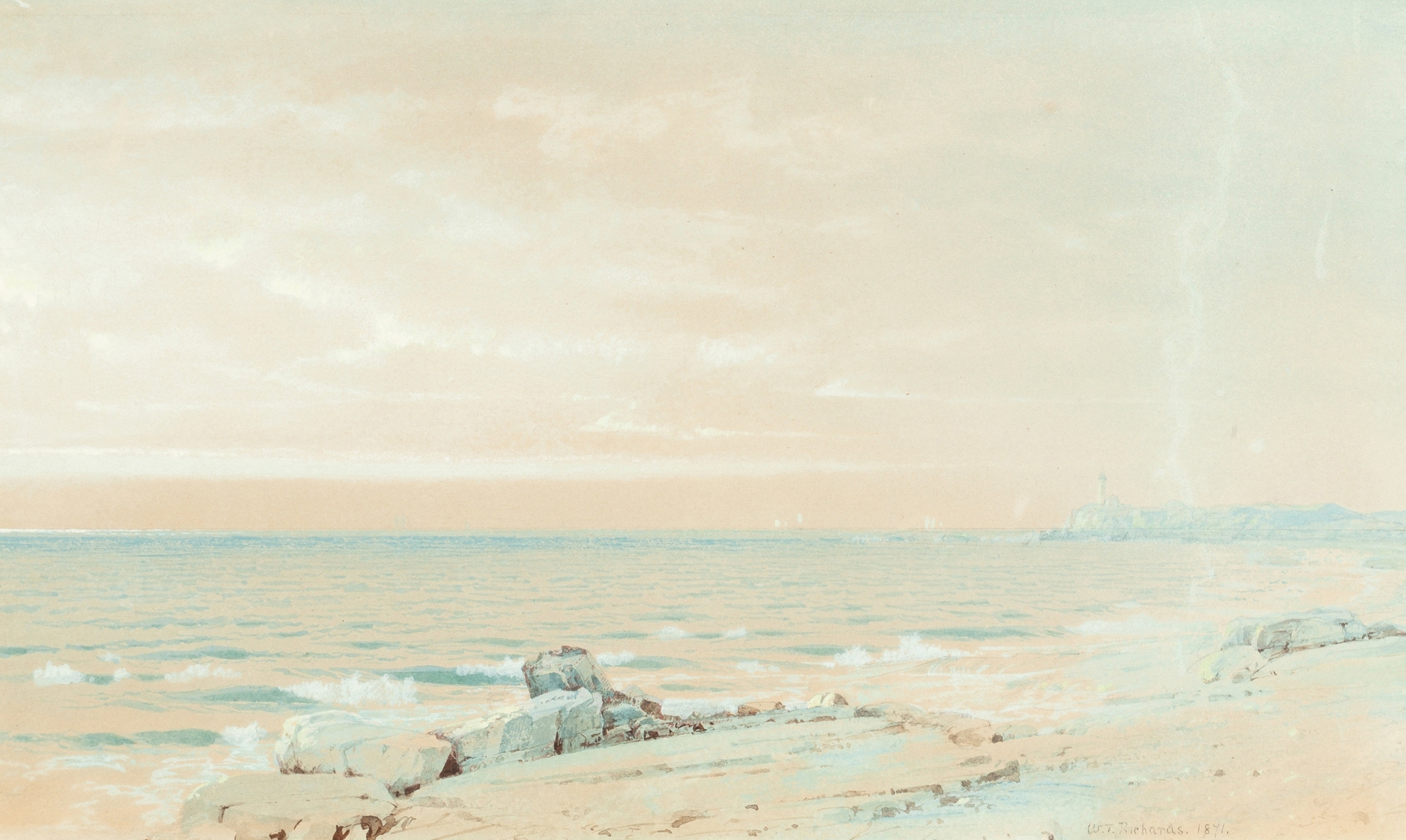
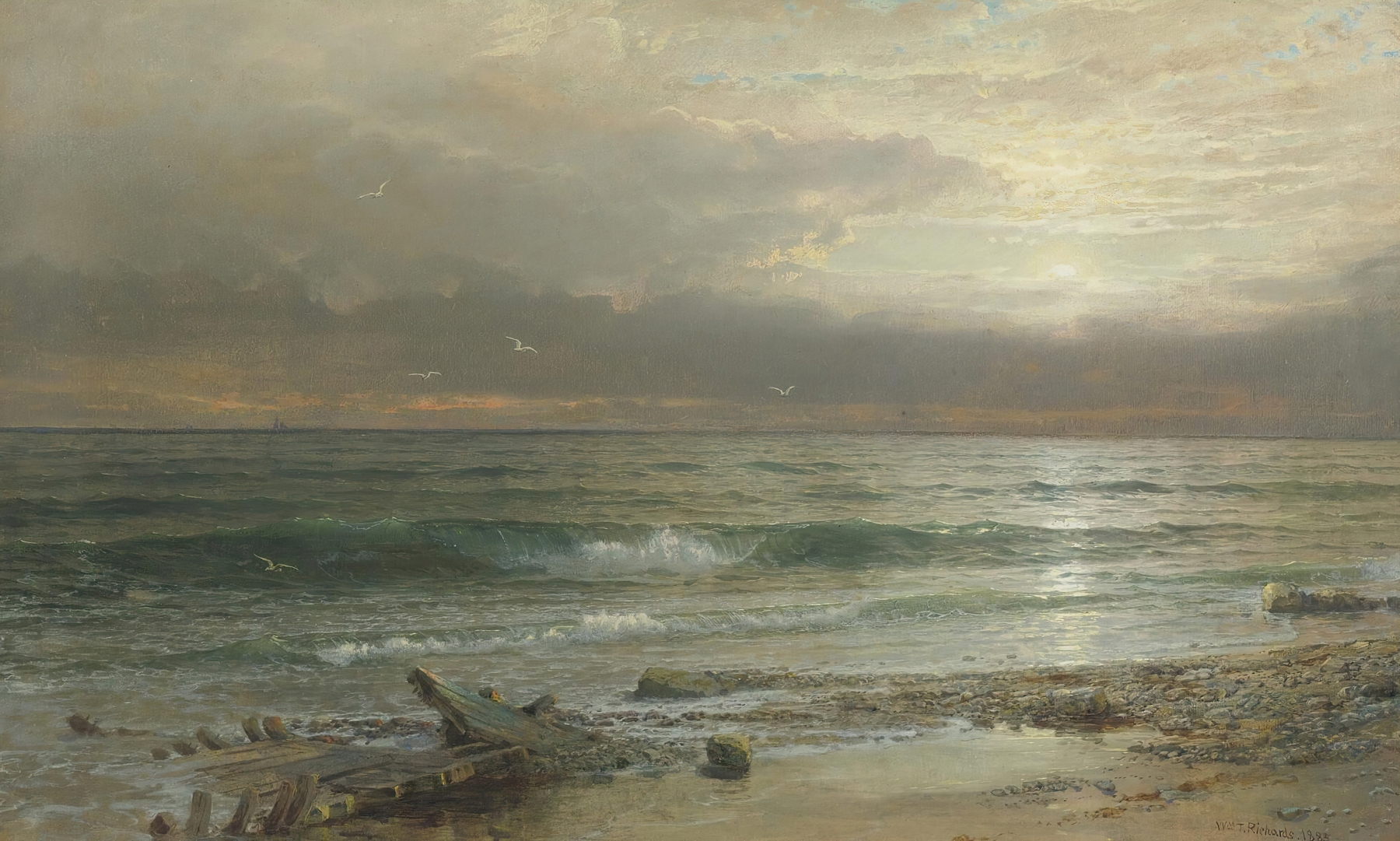
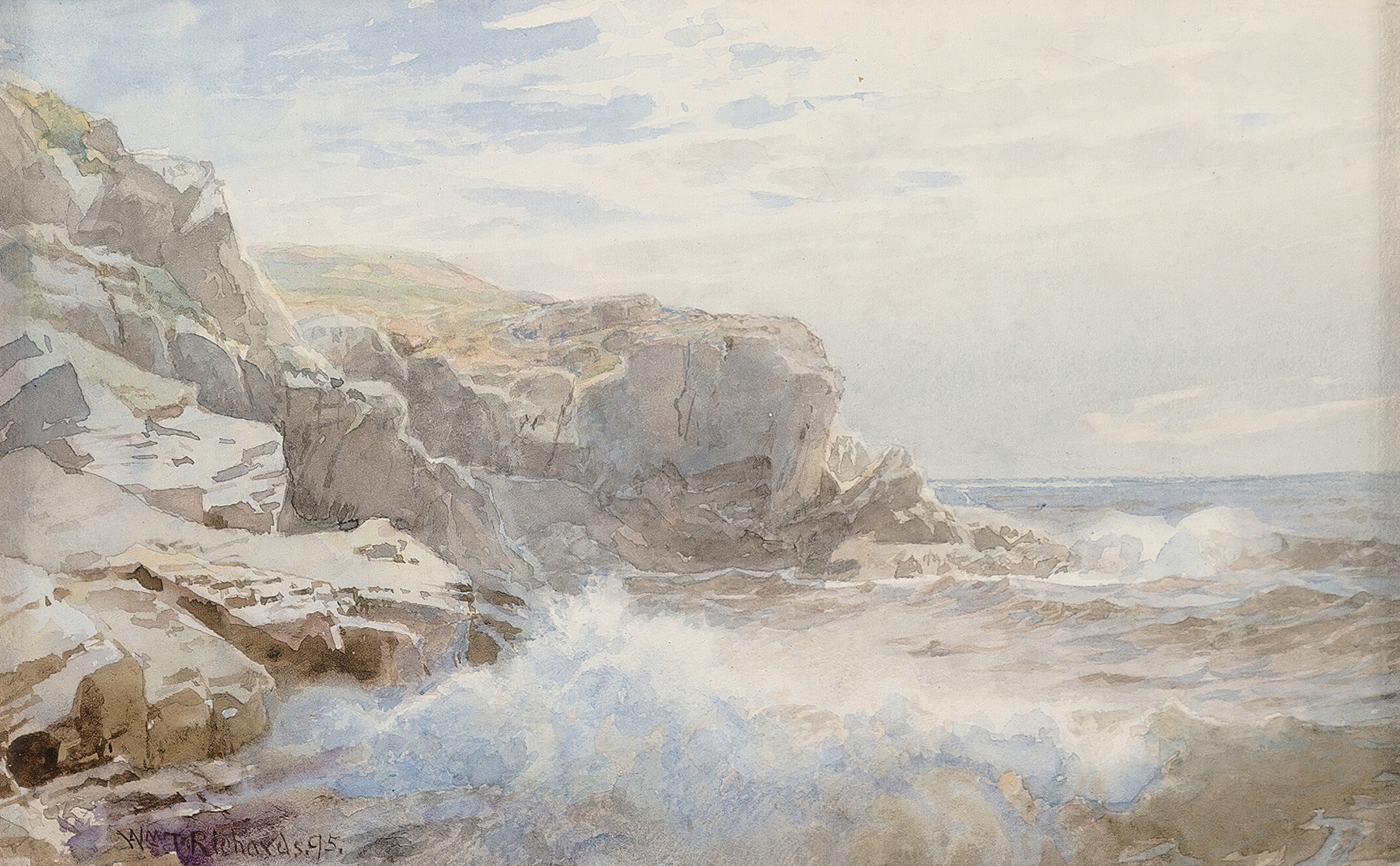
“Every brushstroke is a heartbeat remembered.” In the sweeping embrace of nature, loneliness finds a voice, echoing through the churning tides and rugged cliffs. Focus on the foreground, where the rocks rest solemnly, their textures full of rugged beauty. The artist’s deliberate brushwork captures the harshness of the landscape, each stroke revealing the wear of time and the relentless assault of the waves. Notice how the light glimmers on the water’s surface, creating a stark contrast between the shimmering waves and the dark, stoic stones.
The palette of blues and grays evokes a sense of both tranquility and isolation, inviting the viewer to linger in this seascape of contemplation. Yet, amidst this natural grandeur lies an emotional tension. The powerful crashing of the waves suggests turmoil, while the stillness of the rocks speaks to enduring solitude. This duality reflects the heart of loneliness—where beauty exists alongside isolation, creating a poignant dialogue between the elements.
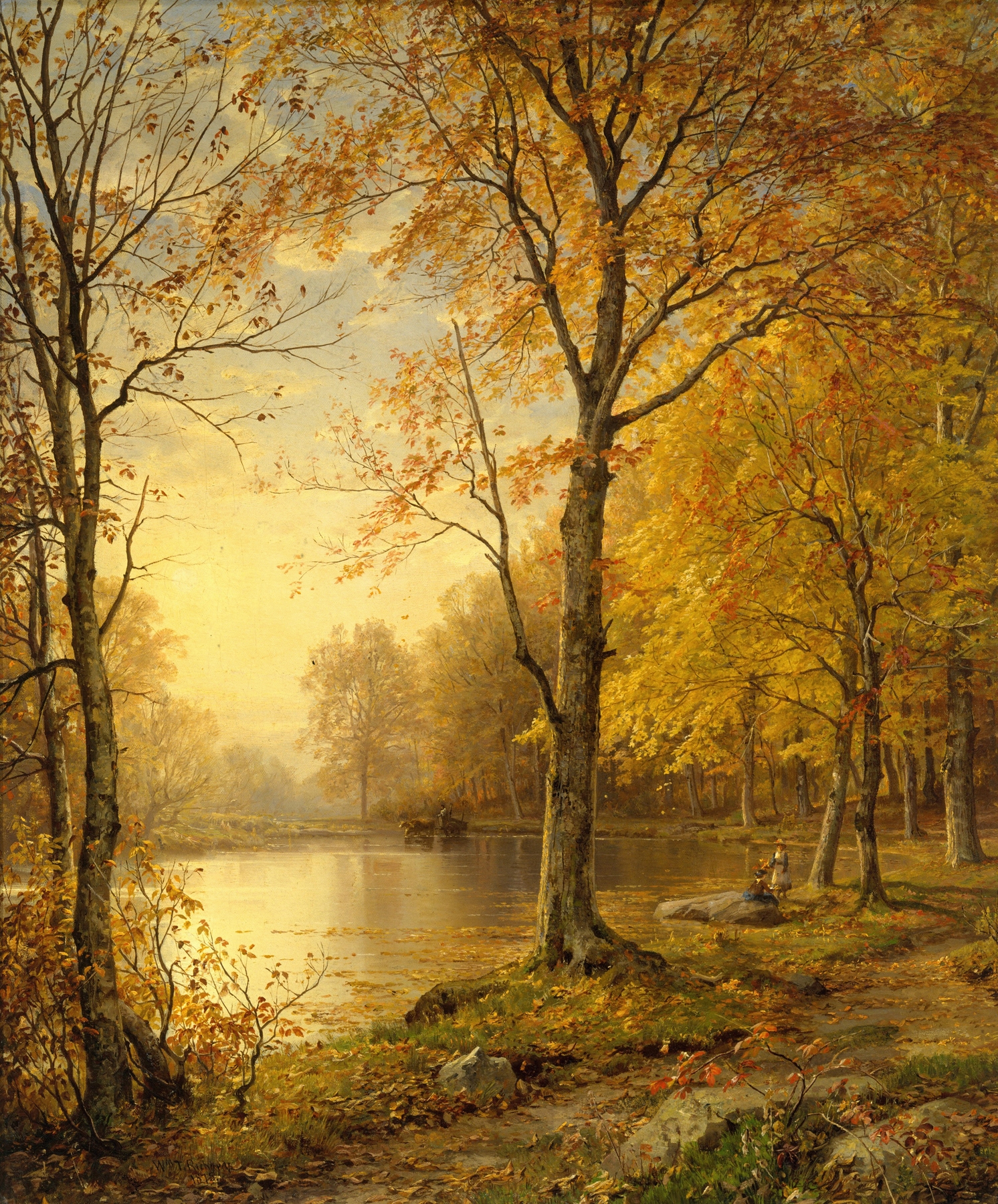
The waves, in their ceaseless movement, represent the passage of time, while the unyielding rocks stand as witnesses to years of solitude and silence. In the 1870s, William Trost Richards created this piece during a time when American landscape painting was gaining prominence. Living in Pennsylvania, he was deeply influenced by the natural beauty surrounding him, yet he often grappled with themes of isolation and introspection in his work. As artists began to explore realism, Richards remained committed to capturing the intricate relationships between light, landscape, and emotion, establishing a legacy that resonates with the quiet power of nature.