Rocks overgrown with moss — History & Analysis
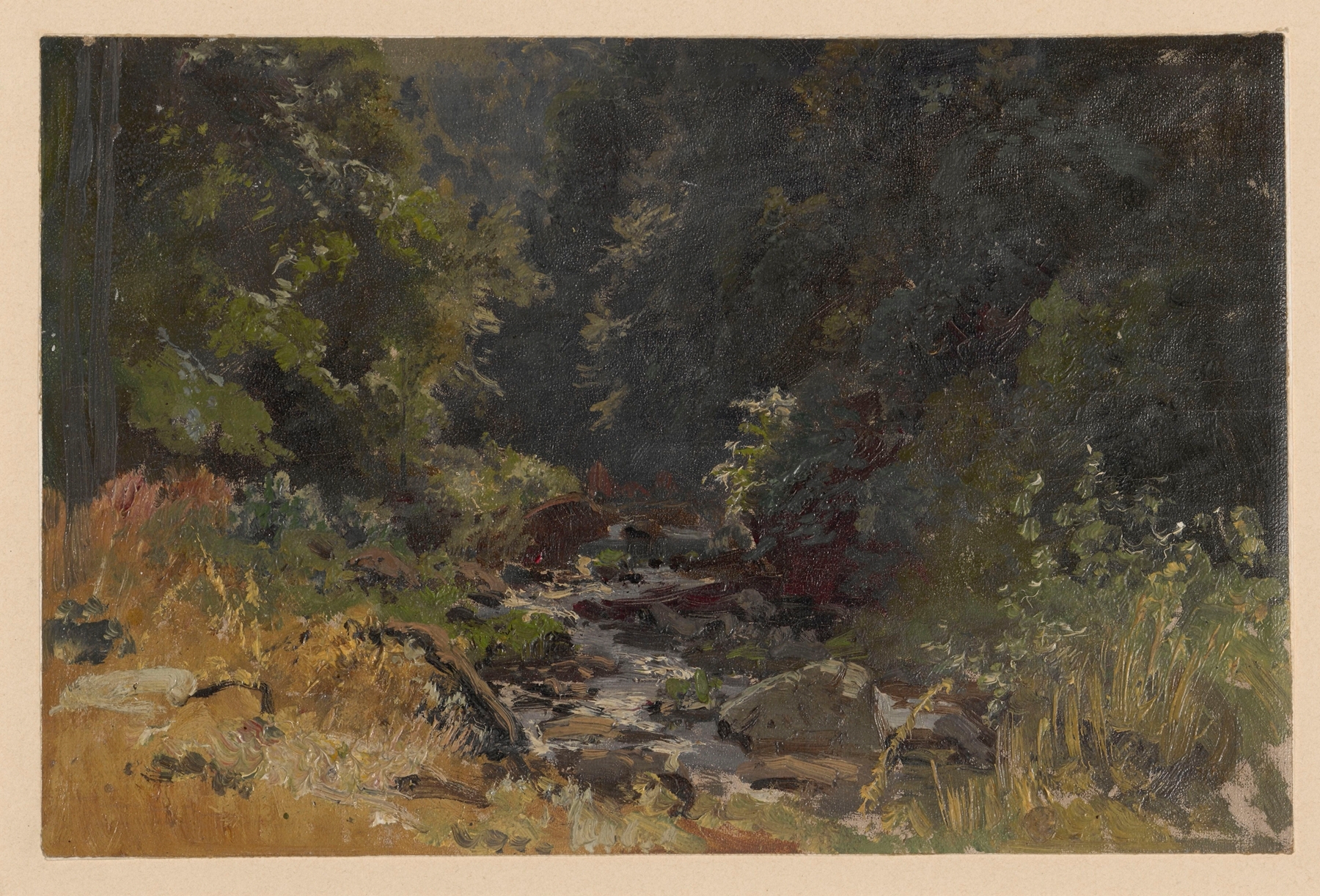
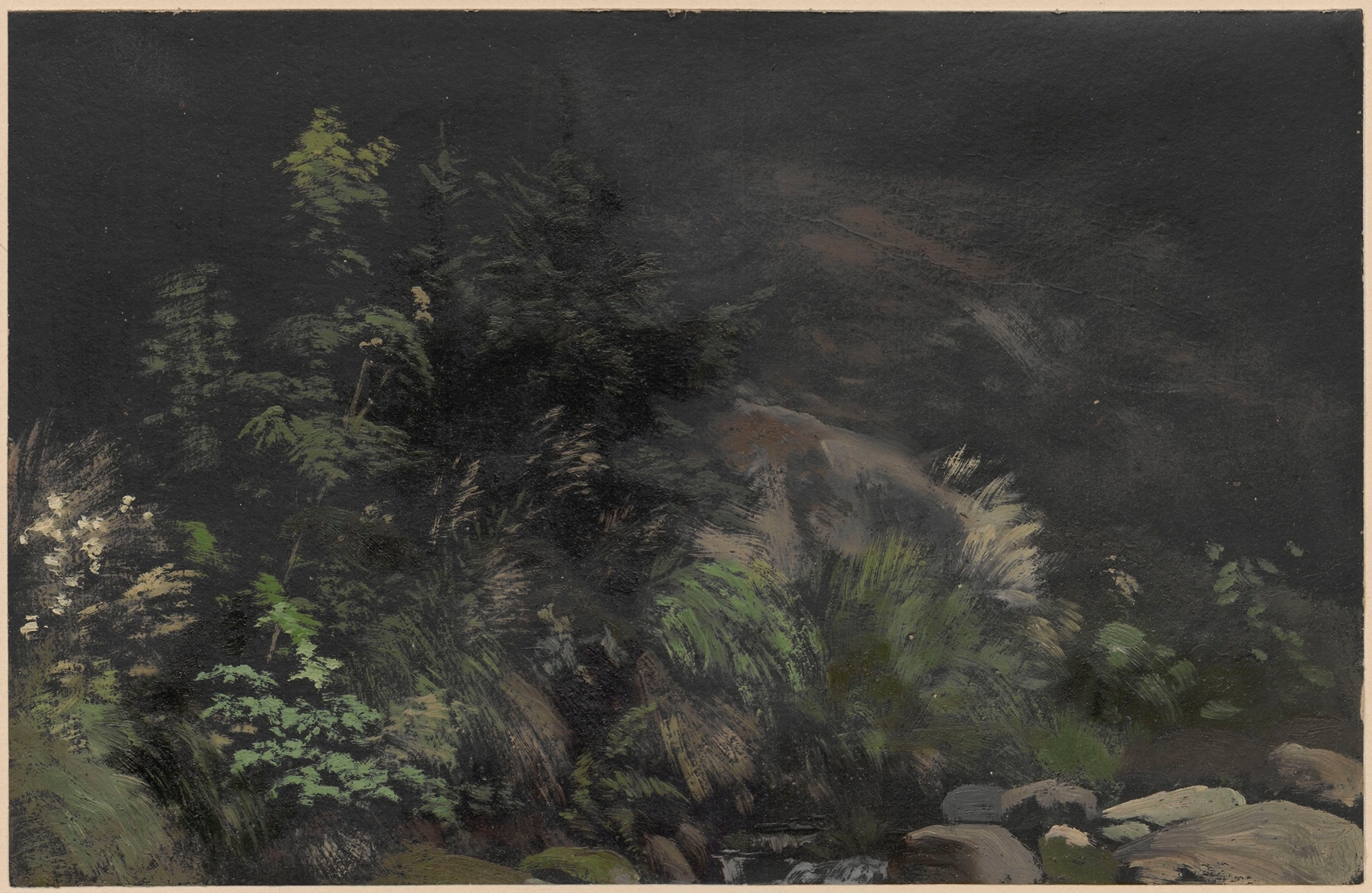
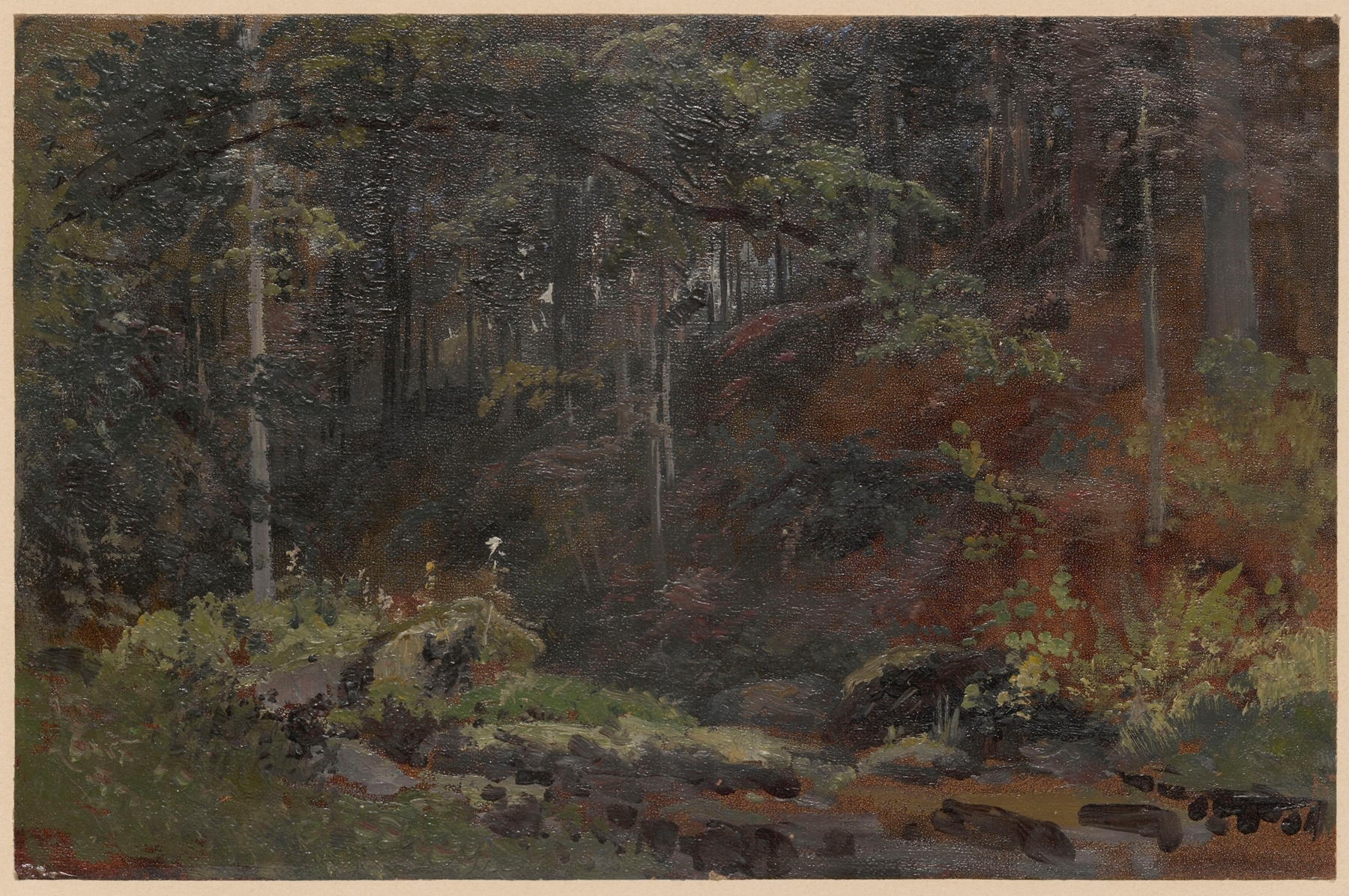
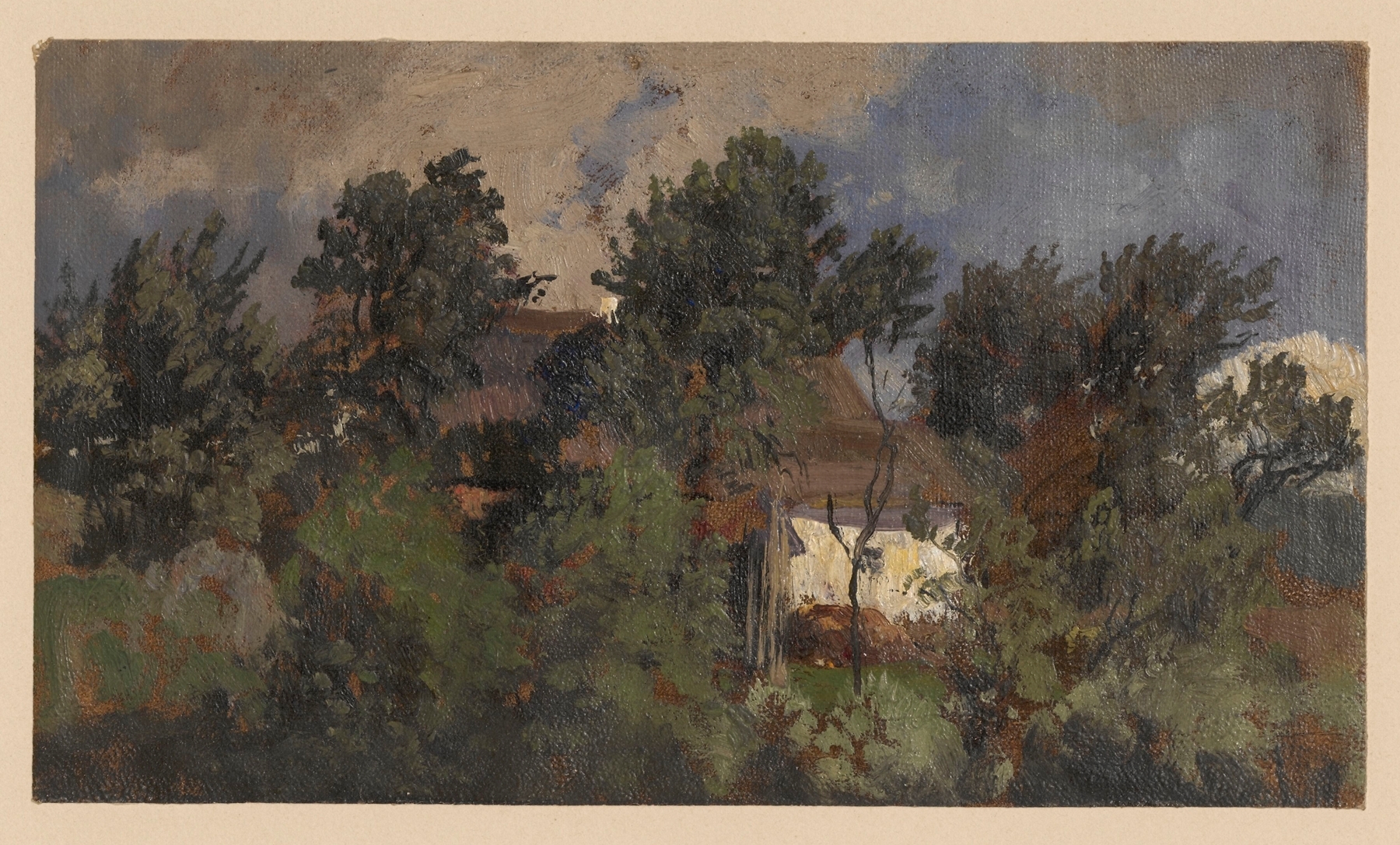
Can beauty exist without sorrow? The quiet majesty of nature often whispers a profound truth about mortality, inviting us to reflect on the fleeting nature of life. Look to the left at the weathered rocks, their rugged surfaces cloaked in velvety green moss that clings tenaciously to the stone. The interplay of light and shadow creates a subtle contrast, illuminating the life that thrives amidst the decay.
Notice how the delicate textures of the moss juxtapose the solidity of the rock, suggesting a harmony between the ephemeral and the eternal. This careful attention to detail draws the viewer deeper into the scene, evoking a sense of reverence for both the beauty and the inevitability of nature’s cycle. As you take in the composition, consider the tension between the vibrant life represented by the moss and the stark, unyielding presence of the rocks. This contrast speaks to the fragility of existence, a reminder that beauty often flourishes in the most unexpected places, even amid decay.
The soft green against the rough gray serves as a poignant metaphor for resilience in the face of mortality, allowing us to find solace in the acceptance of life’s impermanence. Adolf Dressler painted this work between 1850 and 1881, during a time when romanticism in art was vibrant, emphasizing the emotional landscapes of nature. Living in Germany, he was influenced by the burgeoning appreciation for realism and the natural world. This period also marked a growing awareness of the transitory aspects of life, reflecting in his art a deep connection to nature and a contemplative examination of beauty intertwined with the passage of time.