Rocky Cove — History & Analysis
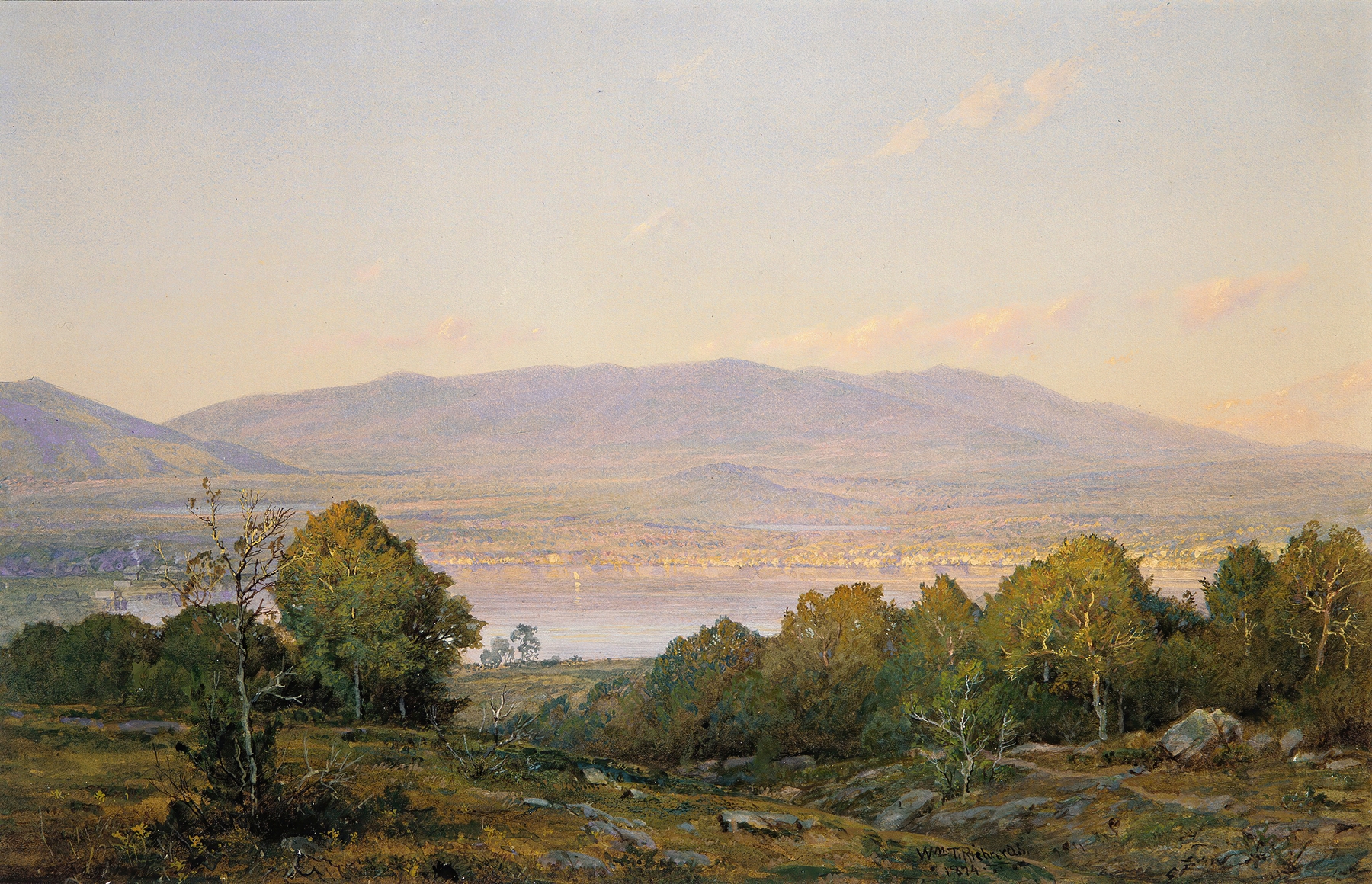
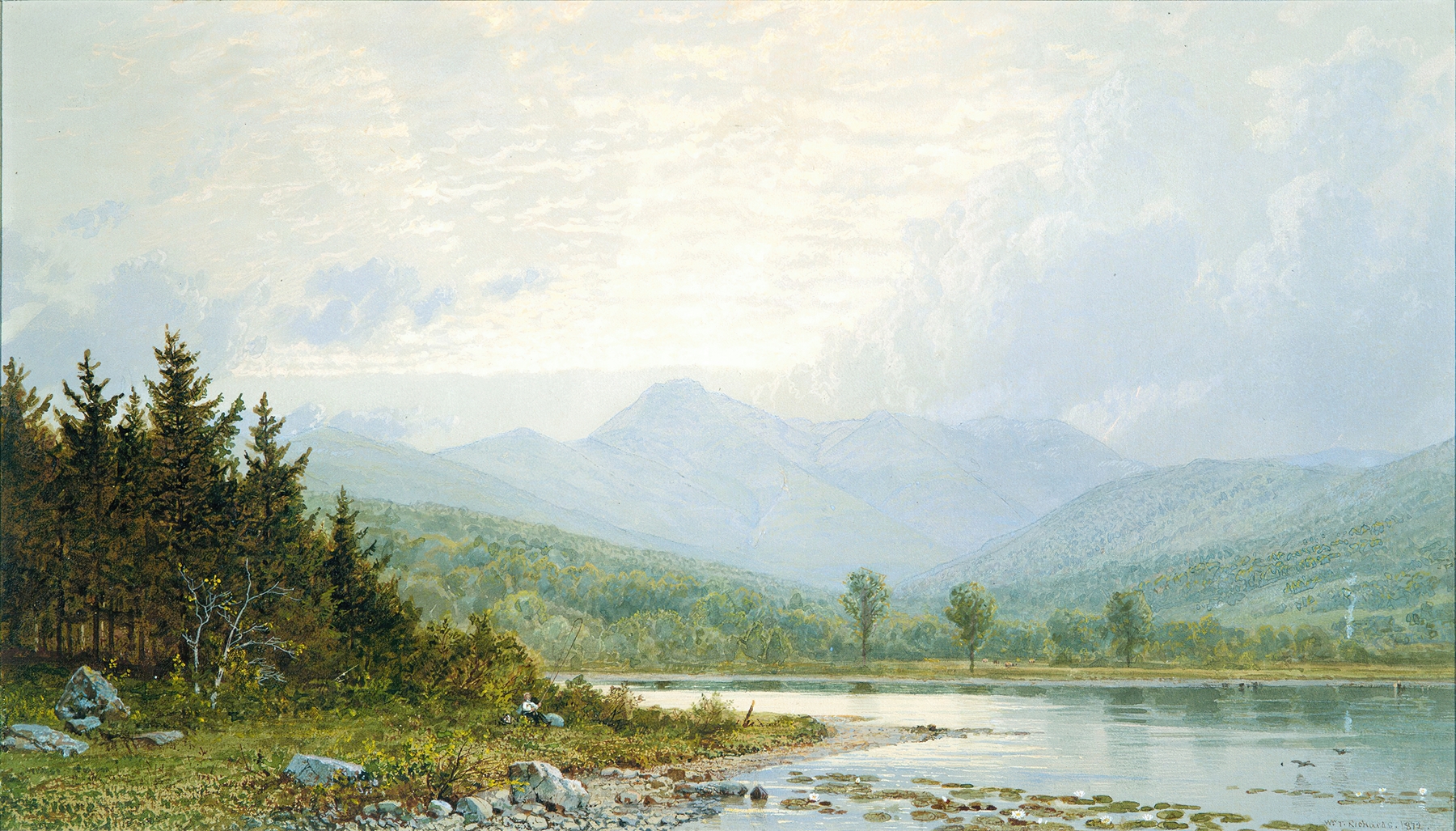
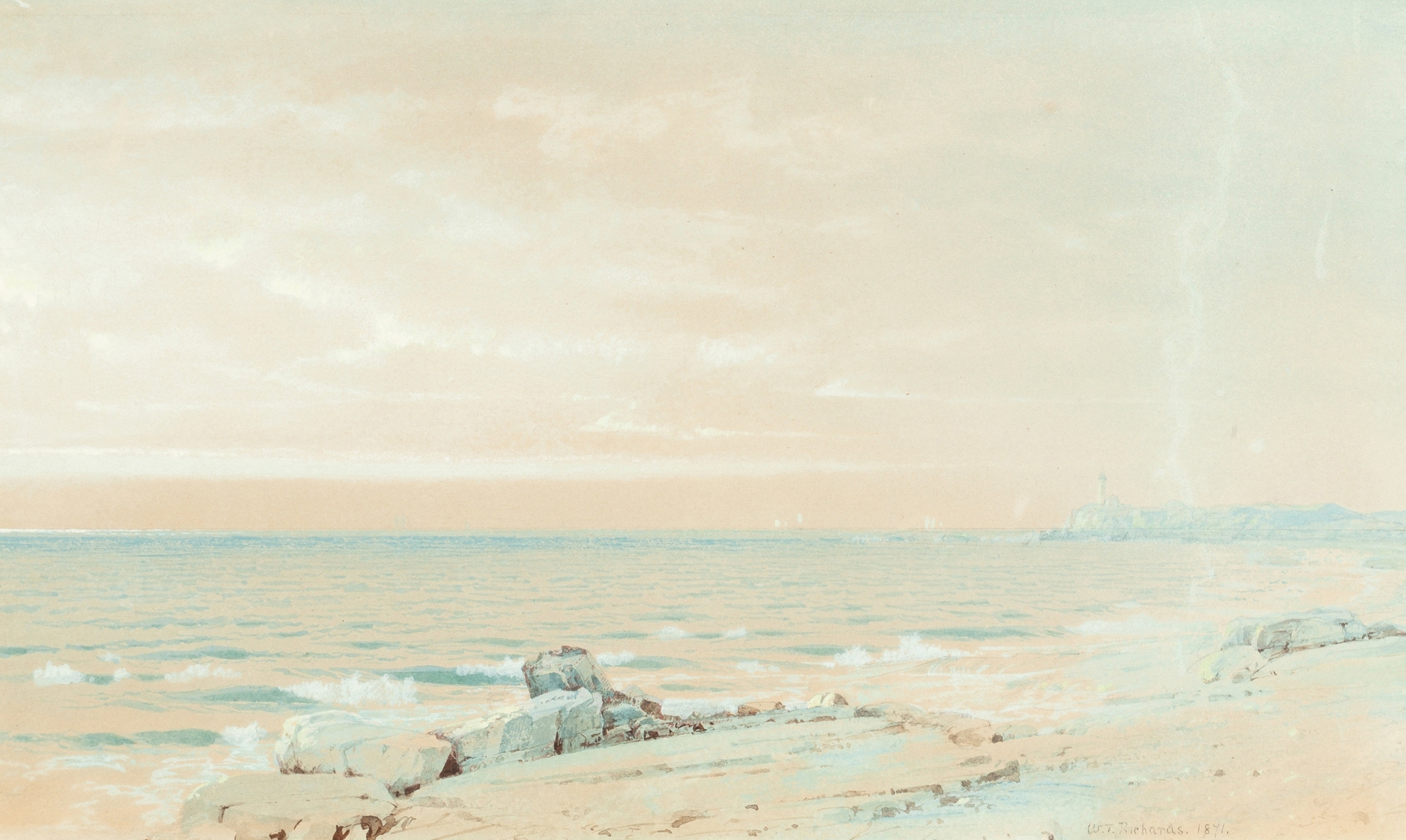
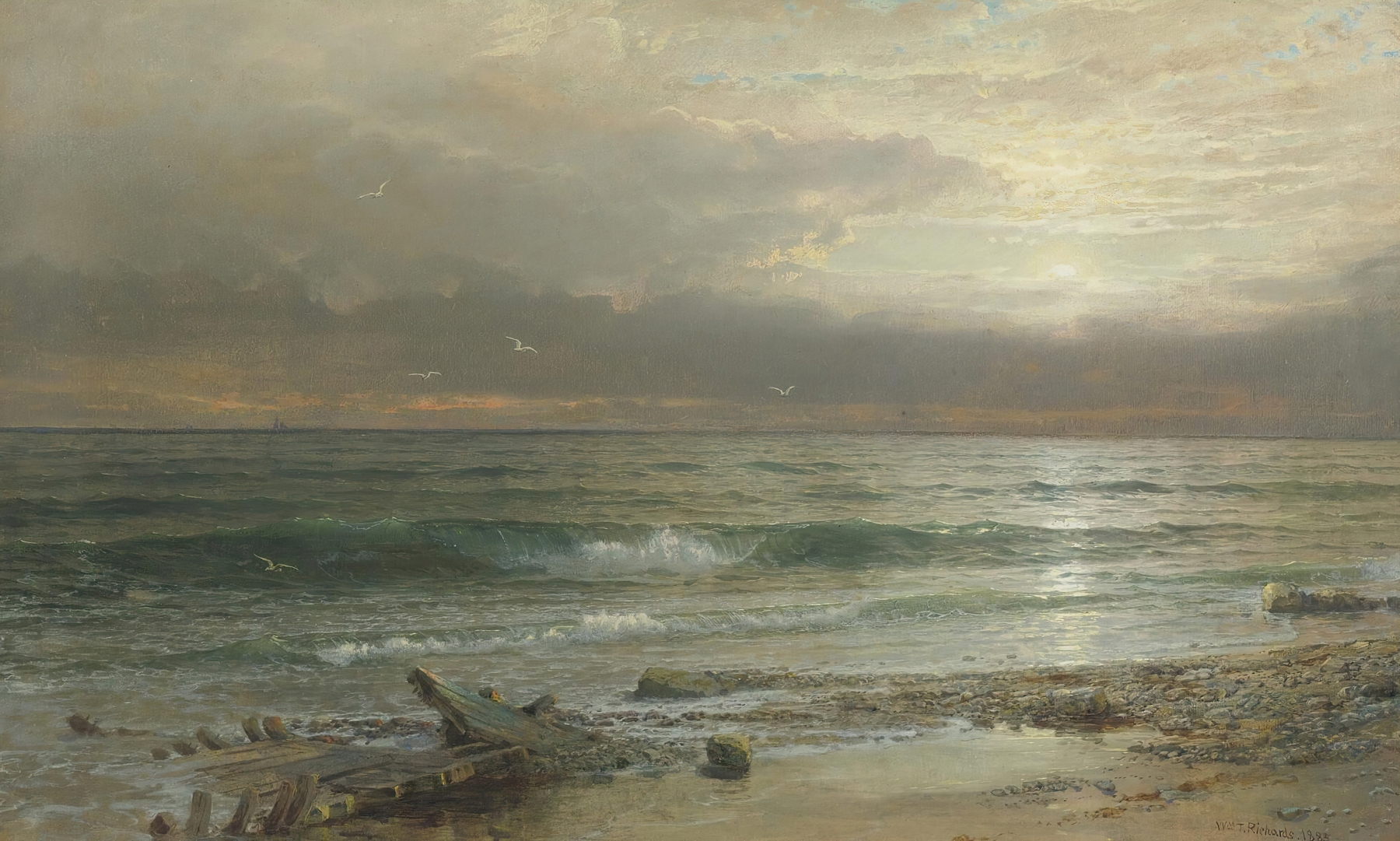
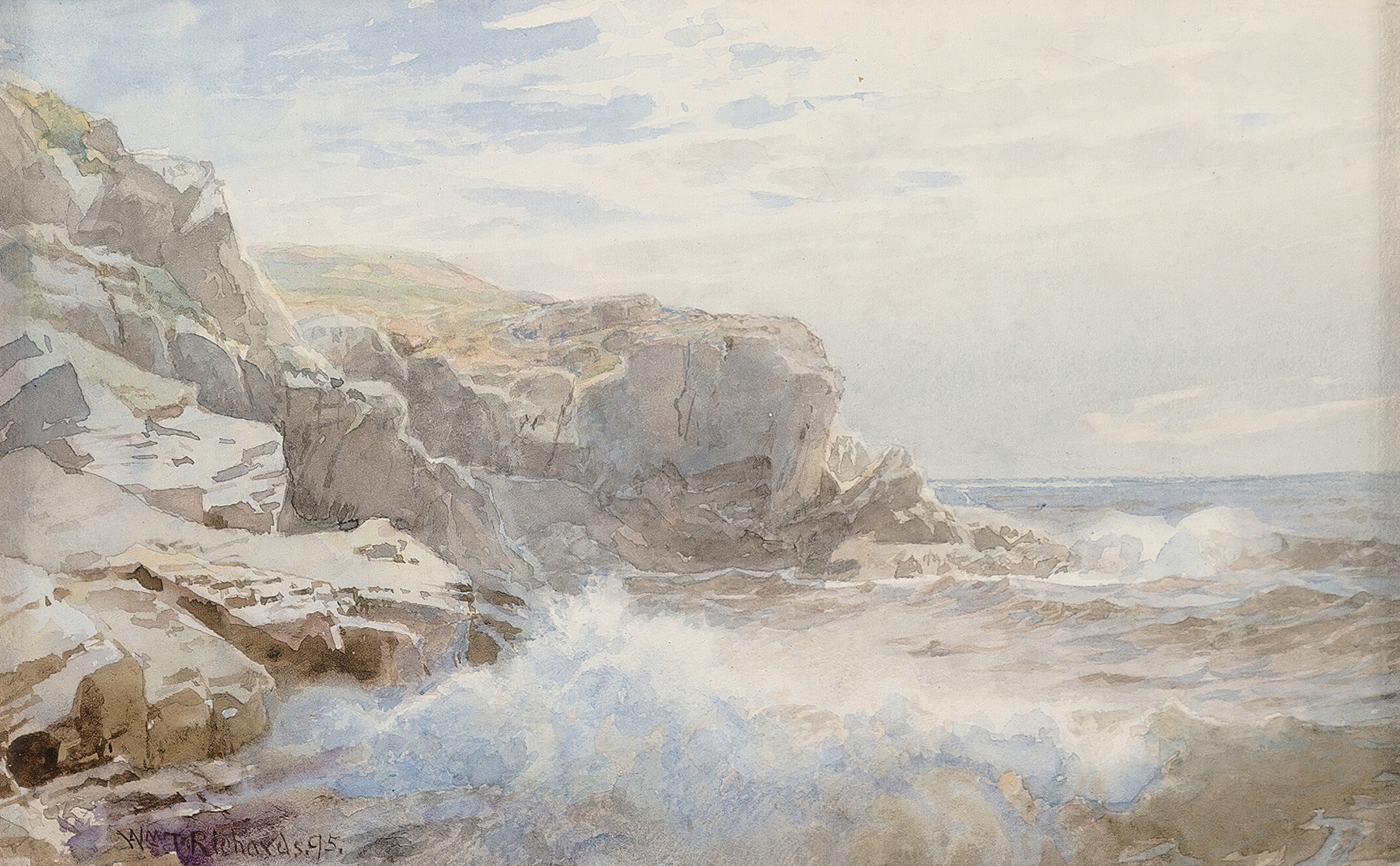
Is this a mirror — or a memory? The calm, inviting waters reflect not just the landscape, but the soul’s yearning for the past, reminding us of moments long forgotten yet deeply cherished. Focus on the gentle ripples in the foreground, where the water’s surface captures the shimmering light just as it cradles the weight of the sky above. Look to the rocky outcrops emerging from the shoreline; their textured surfaces contrast beautifully with the smoothness of the sea.
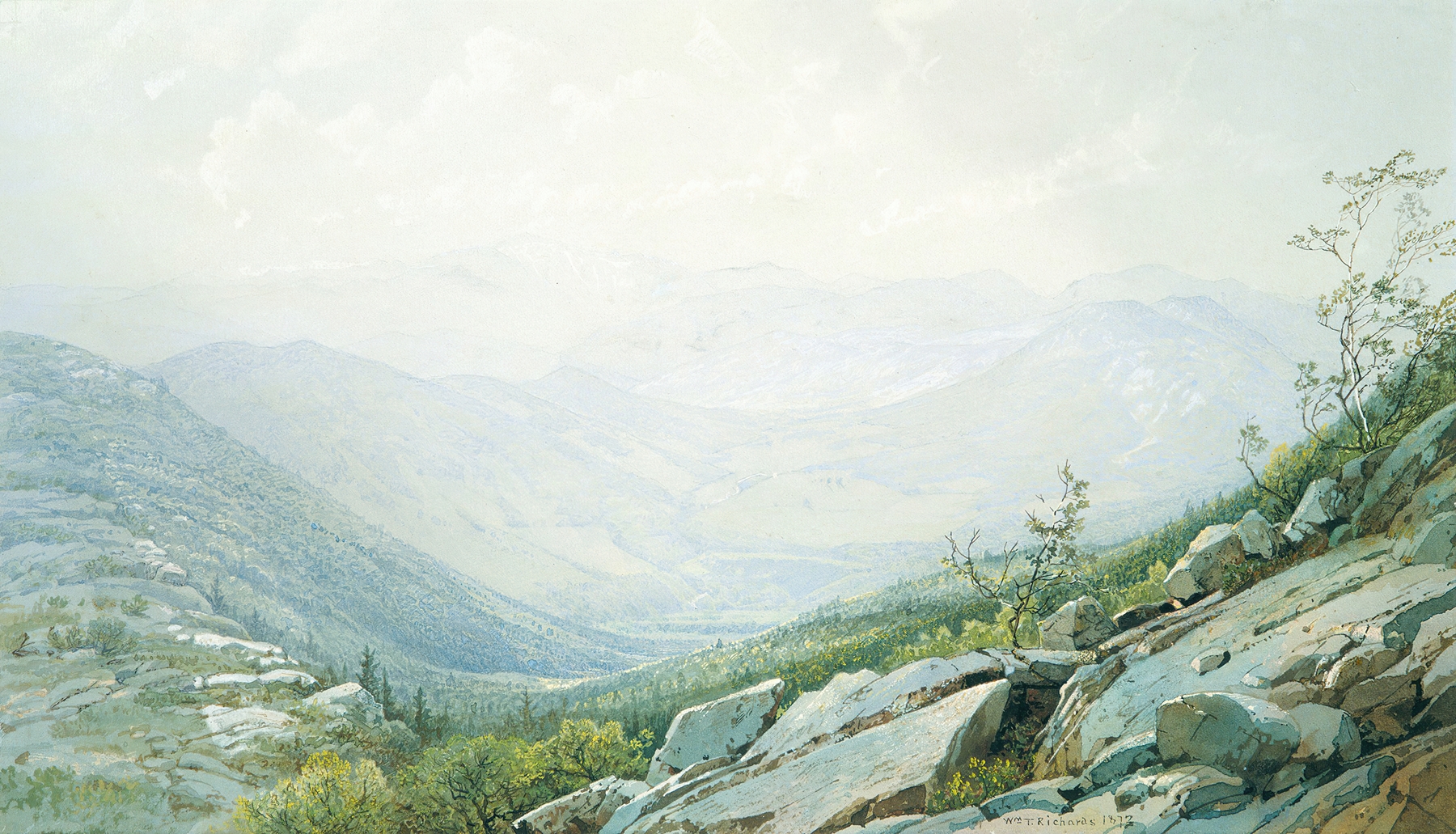
The subtle palette — soft blues, warm earth tones, and hints of vibrant greens — evokes a sense of tranquility, while the billowing clouds hint at change, a fleeting moment suspended in time. Hidden beneath the serene surface lies a tension between permanence and transience. The jagged rocks speak of endurance, weathered yet resolute, while the ephemeral qualities of the water suggest a gentle flow of time that carries memories away. The interplay of light and shadow reflects the dual nature of nostalgia — the joy of remembrance intertwined with the sorrow of things lost.
These elements invite us to ponder not just the natural beauty, but the stories and emotions woven into the scenery. William Trost Richards painted this piece in 1876, during a period of profound introspection and transformation in his life. Working primarily in Pennsylvania, he was deeply engaged with the American art movement that sought to capture the beauty of the natural landscape. This painting emerged amid a growing appreciation for nature’s power and its inspirational potential, reflecting both personal resonance and the artistic dialogue of his time.