Rocky Landscape — History & Analysis
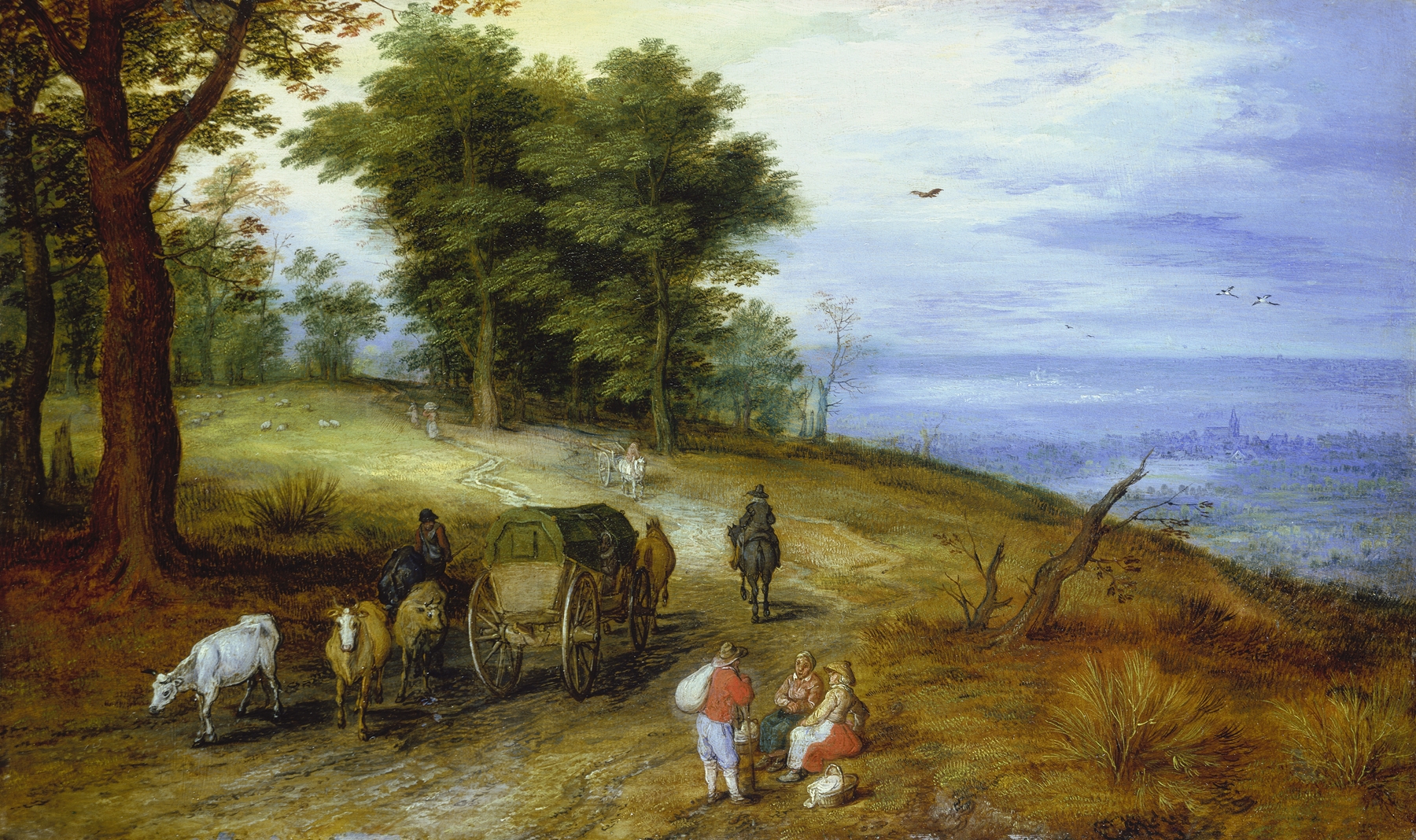
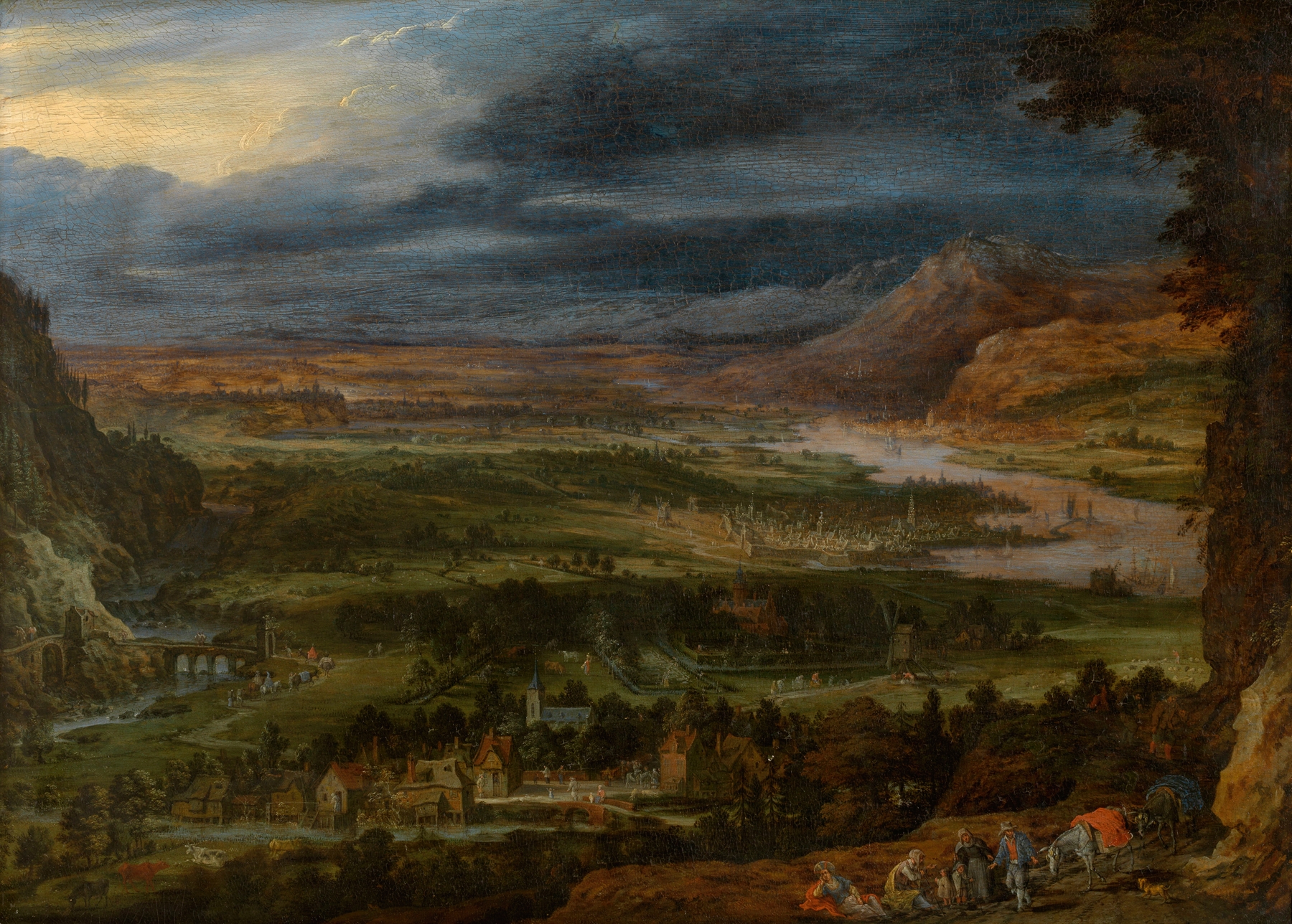
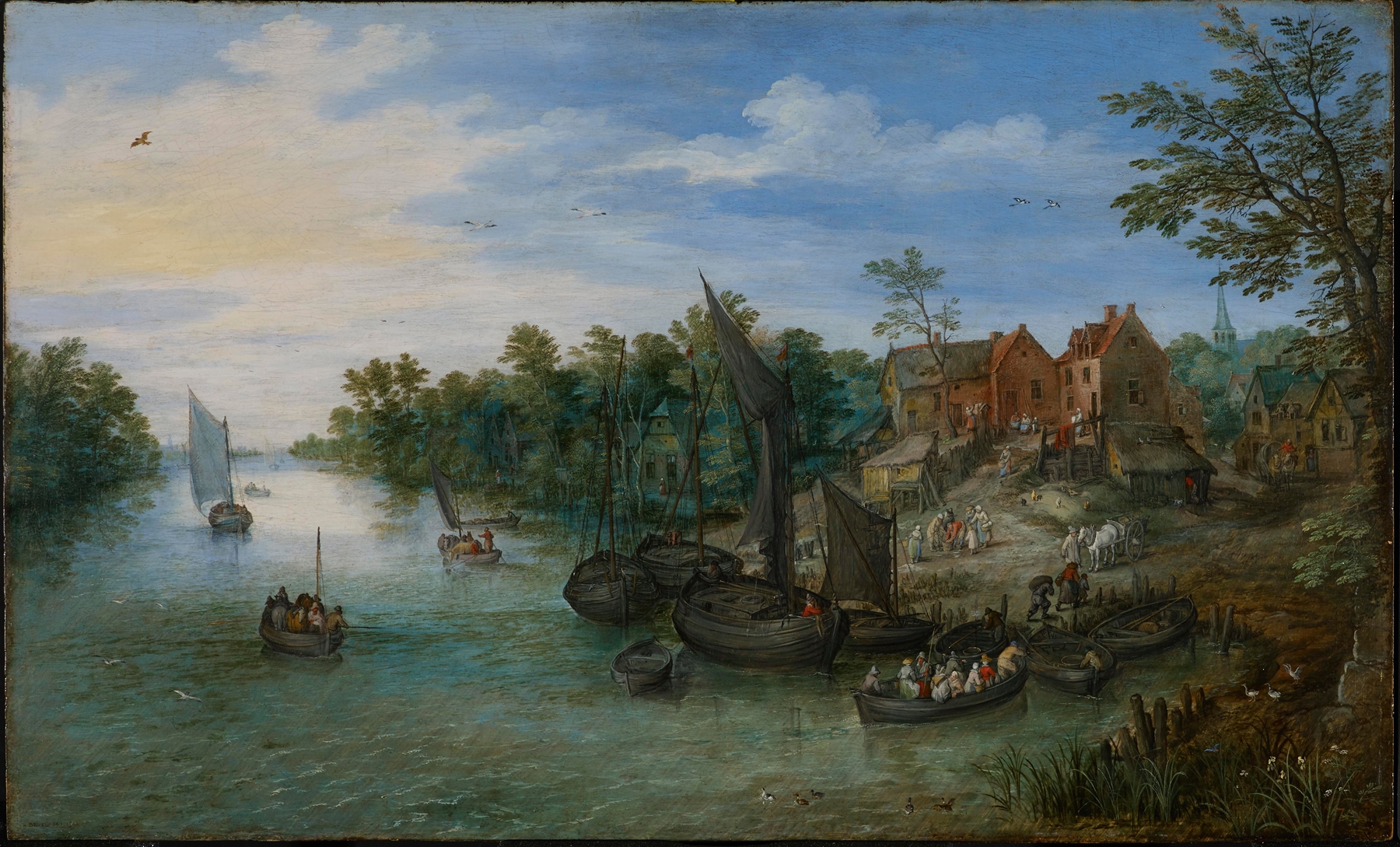
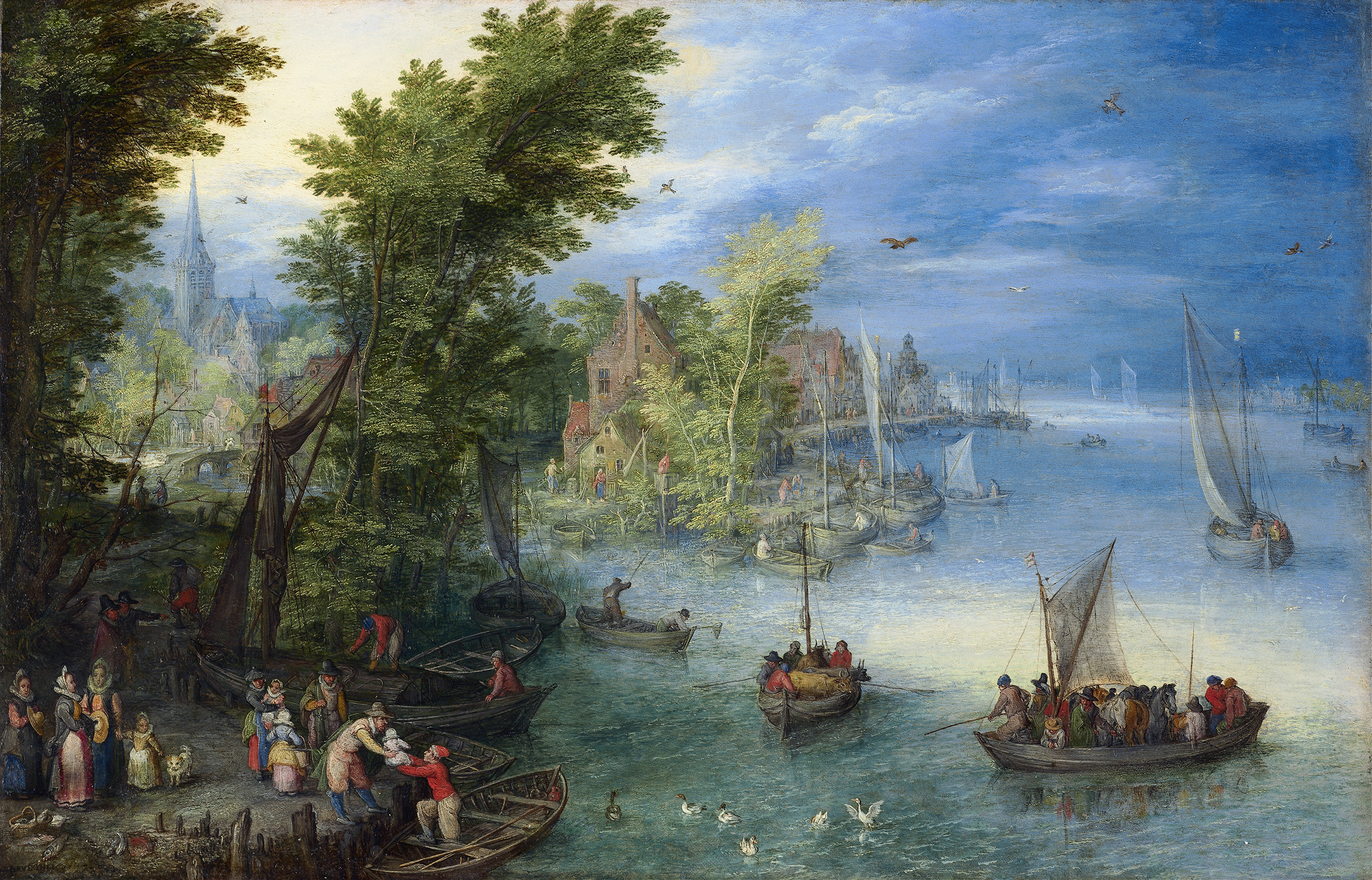
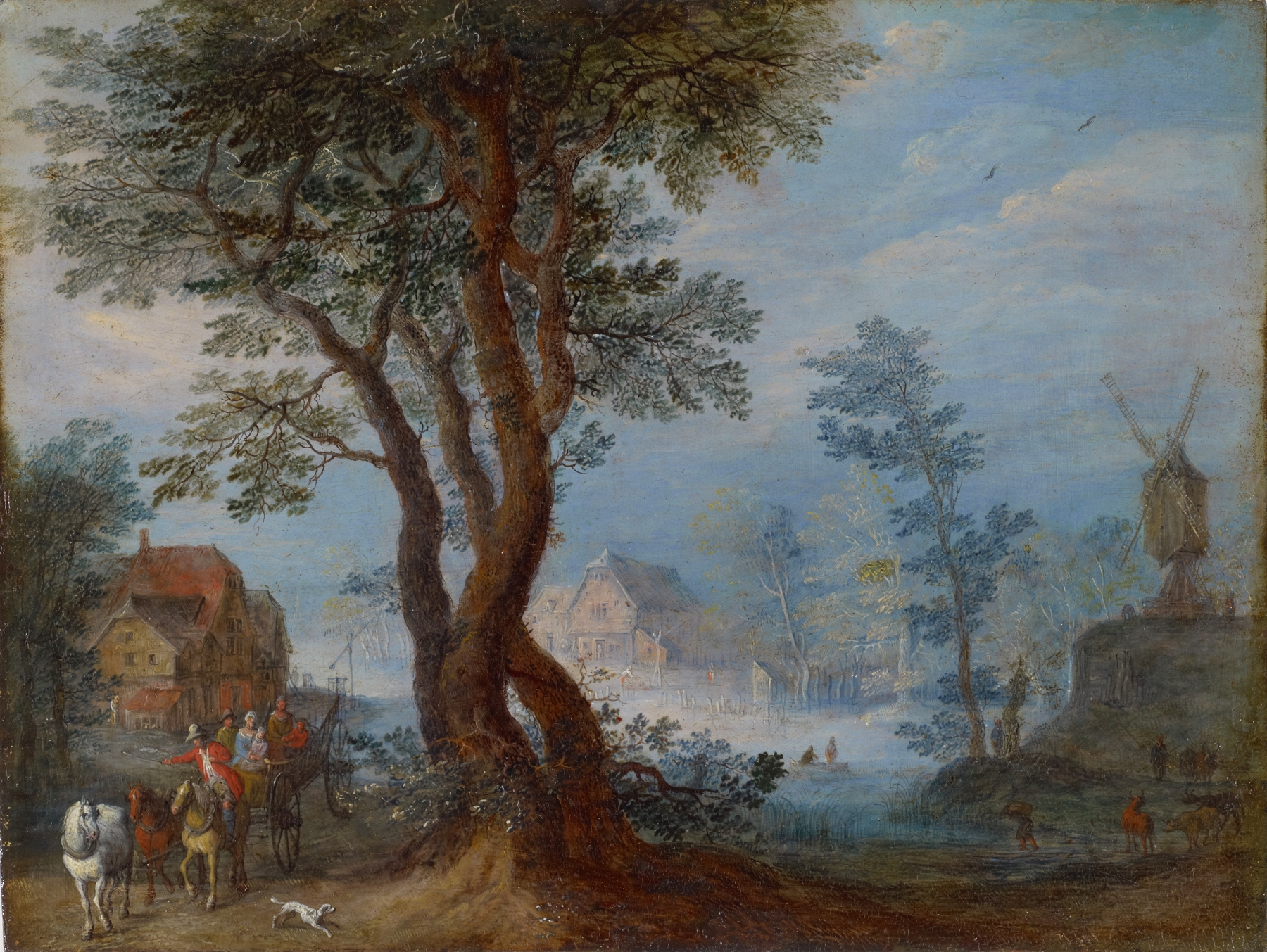
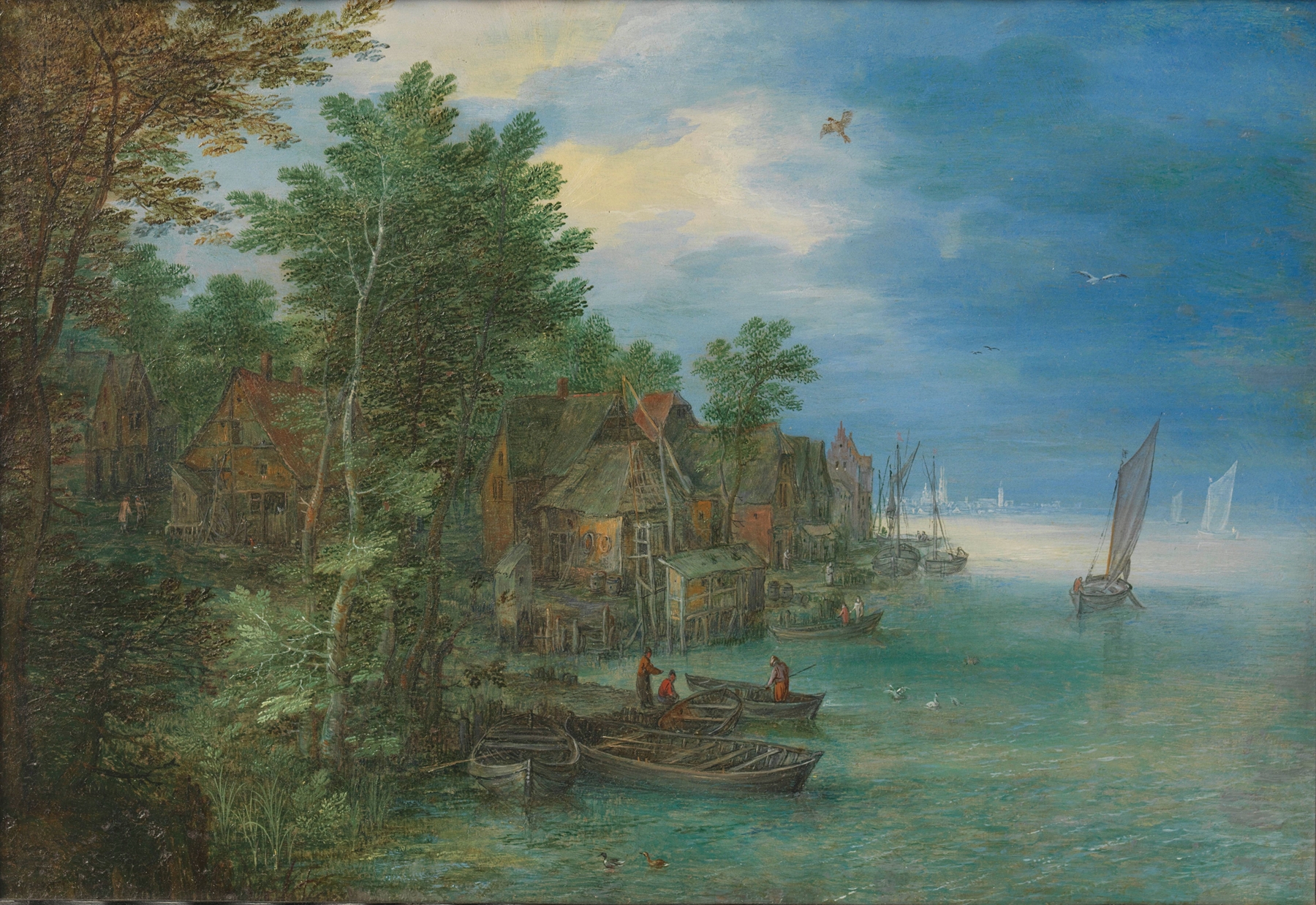
“To paint is to remember what time wants us to forget.” In the rugged embrace of a rocky landscape, these immortal words find their resonance, inviting us to explore a world where the passage of time holds secrets waiting to be unearthed. Look to the foreground, where jagged stones protrude from the earth like ancient sentinels. Each stroke reveals the intricate details of the terrain, where vibrant greens assert their dominance amidst the muted browns and greys. Notice how the artist captures the interplay of light and shadow; beams of sunlight break through a distant cloud cover, illuminating patches of foliage that seem to dance in the gentle breeze.
The composition draws your eye upward, toward a sky tinged with a palette of soft blues and whites, hinting at an impending storm that brings both drama and tranquility. Delve deeper into this serene chaos, and hidden meanings begin to emerge. The contrasting textures of the rough stones against the soft, delicate leaves symbolize the duality of nature—both harsh and nurturing. Furthermore, the slight hint of human figures in the background suggests a fragile connection to this untamed landscape, evoking thoughts of humanity’s transient existence amid nature’s eternal cycle.
The vibrant colors contrast with a sense of foreboding, reminding us that beauty and danger coexist. Created in the early 17th century, this work emerged during a time of significant transformation in the art world, as the artist was deeply influenced by the burgeoning Baroque movement. Brueghel painted this landscape while based in Antwerp, a city thriving amidst economic growth and artistic innovation. As the world grappled with the tensions of the Reformation and the discovery of new lands, he sought to capture the untouched beauty of nature, reflecting both the wonder and the uncertainty of his era.