Rosny (Seine-et-Oise), l’église du village, vue prise du verger de Mme Osmond — History & Analysis
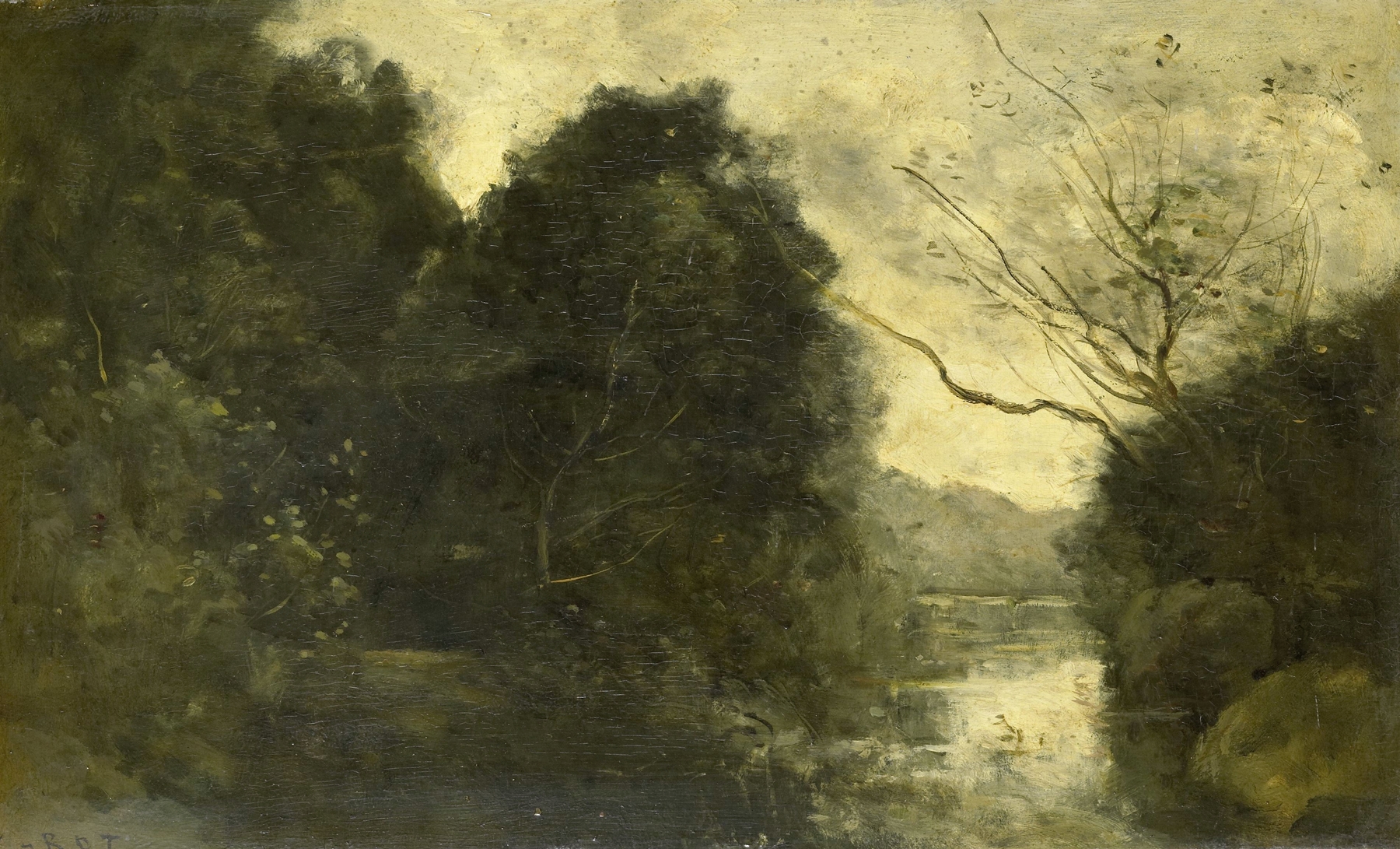
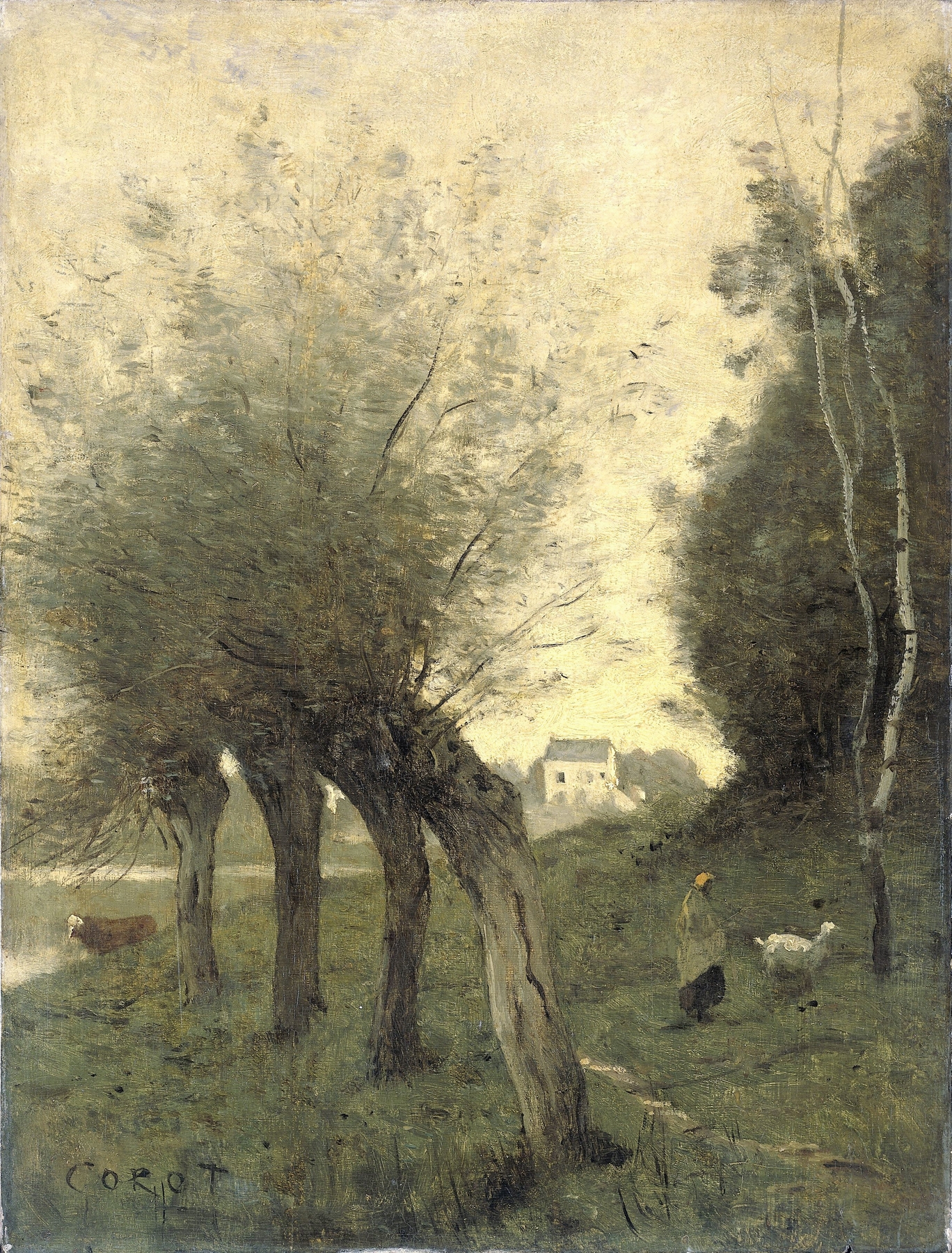
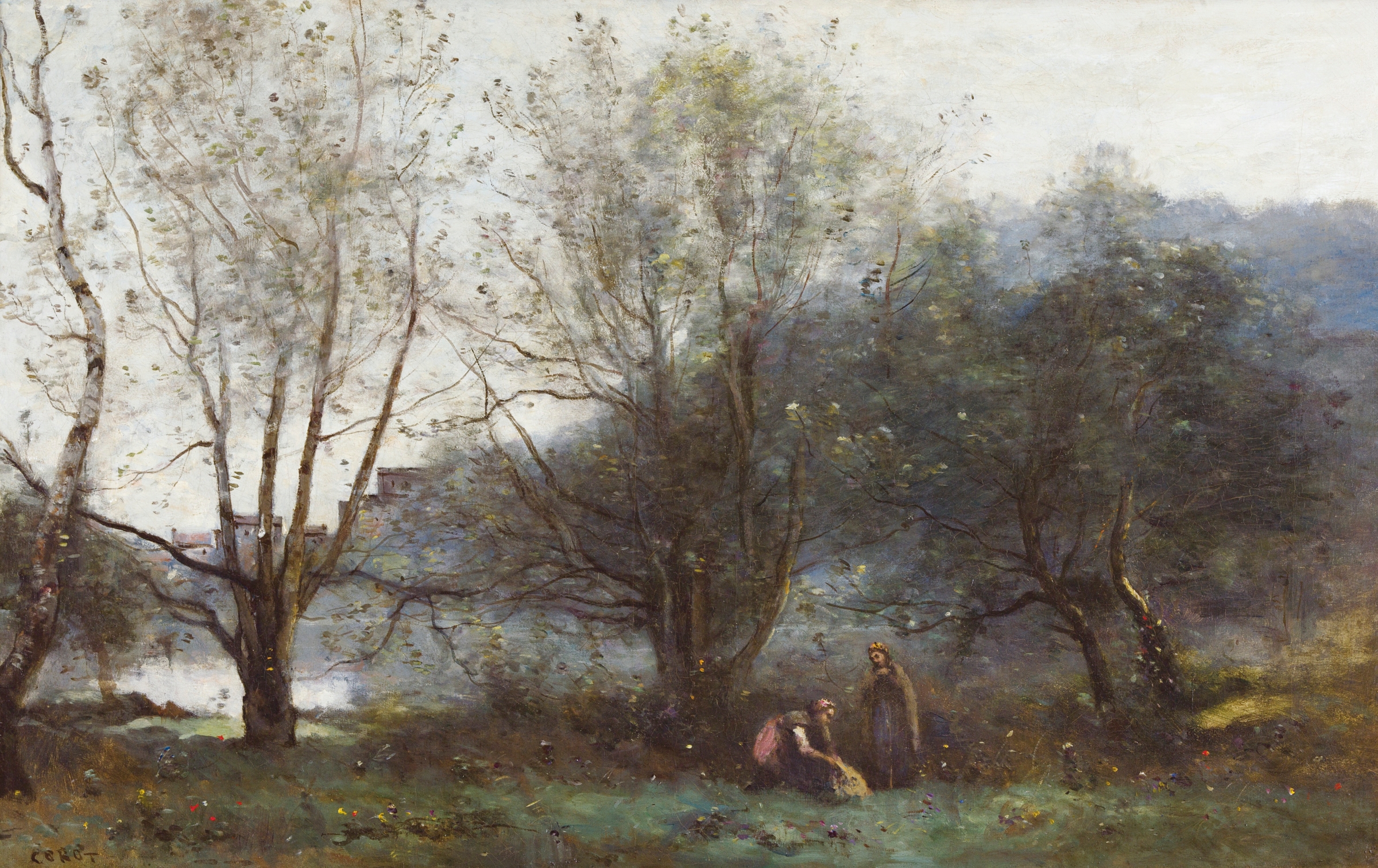
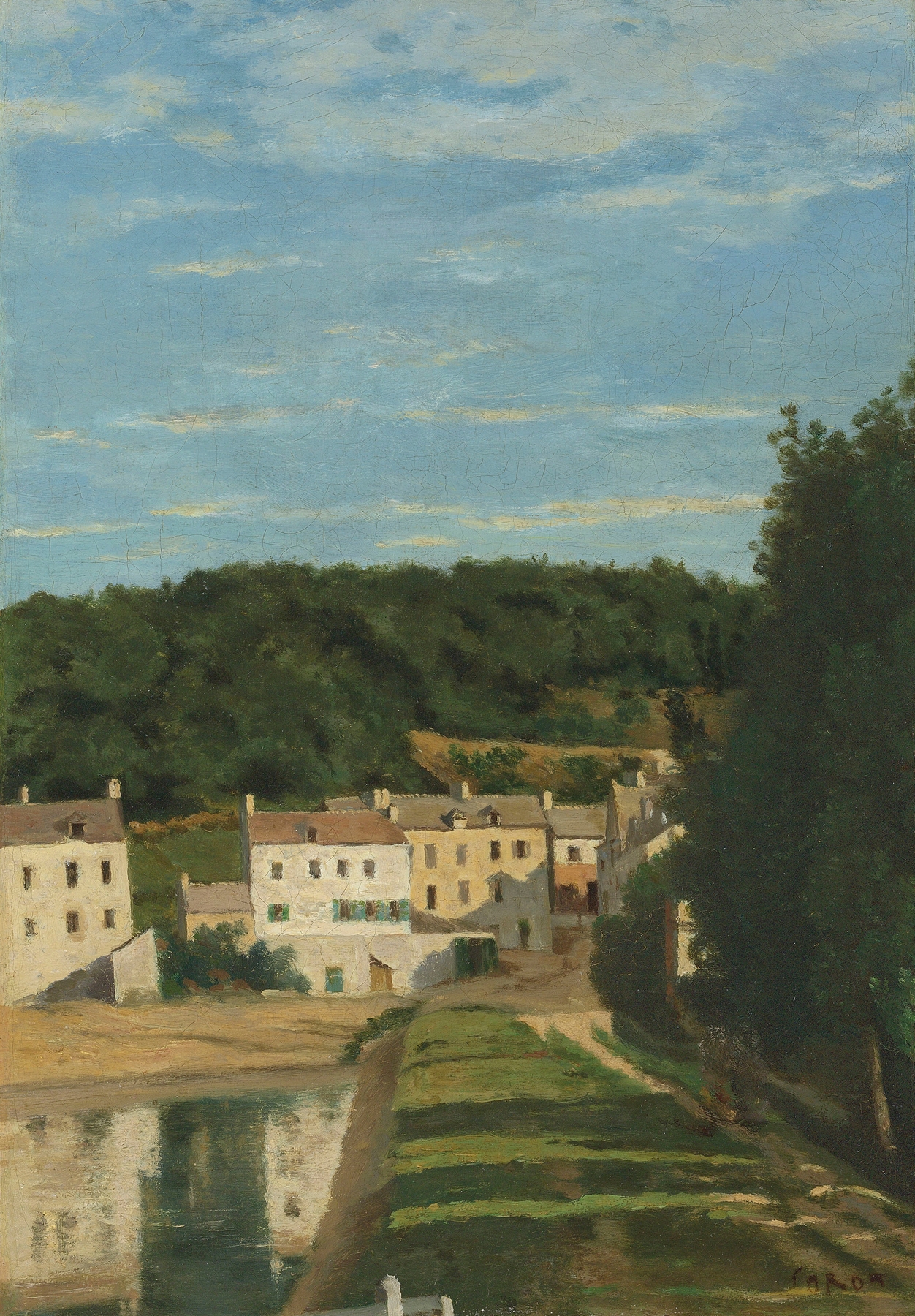
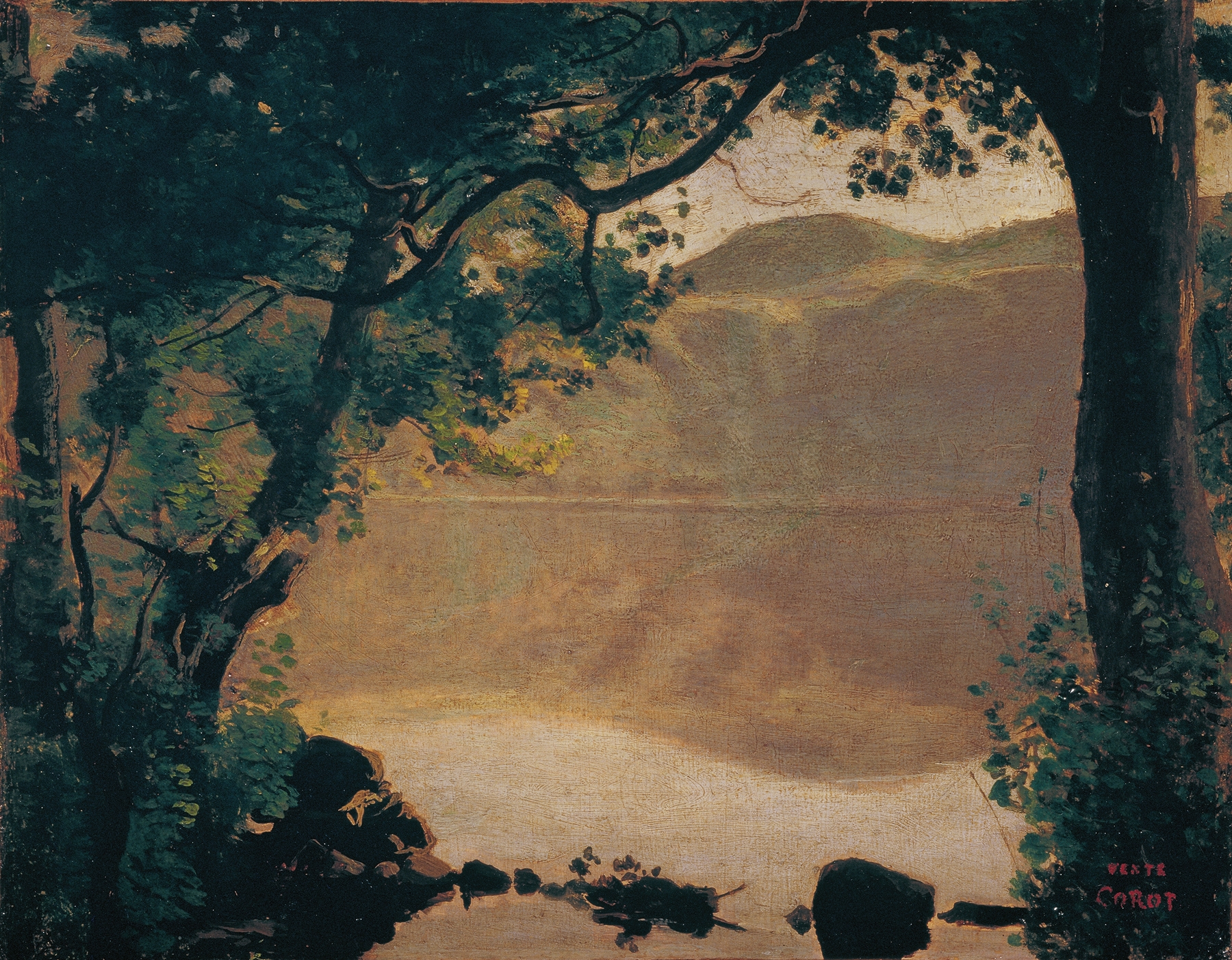
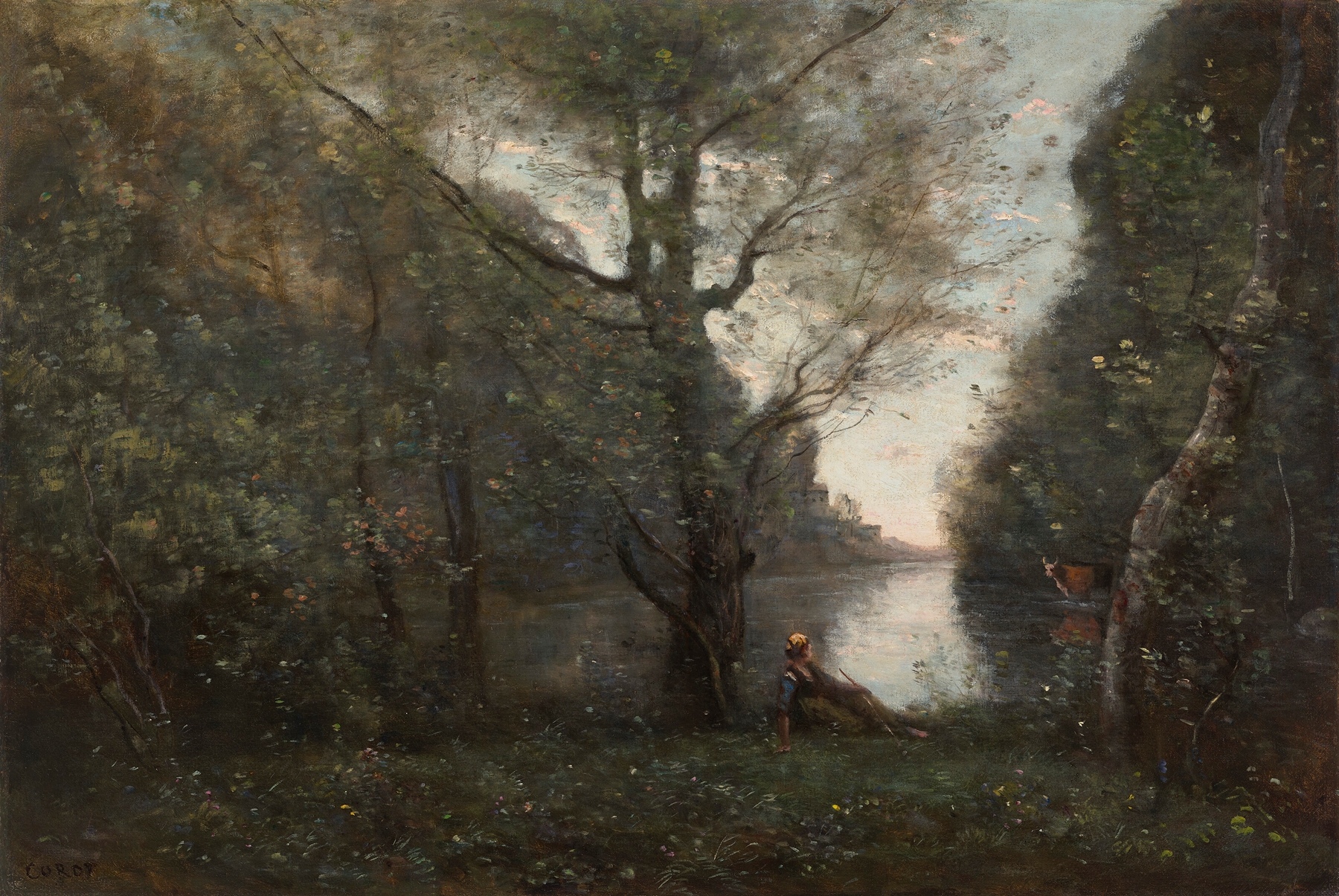
“Every brushstroke is a heartbeat remembered.” In the gentle embrace of longing, a village unfolds in hues of serenity and nostalgia, inviting the viewer to step into a world that resonates with silent dreams. Look to the left at the soft glow emanating from the church steeple, its bell tower reaching upwards as if to touch the sky. The delicate greens of the orchard frame this pastoral scene, leading the eye toward the humble architecture of the village. Notice how the light dances on the foliage, bathing everything in a warm embrace that transcends mere representation; it captures a moment of tranquility that invites both peace and reflection.
Beneath the surface, an emotional tension simmers between the idyllic landscape and the solitary church. The juxtaposition of nature's abundance with the structure hints at the human desire for connection, faith, and community. Each leaf, carefully rendered, whispers of the lives intertwined in this small village—echoes of hopes and dreams longing to be fulfilled. The overall composition balances these elements, creating a visual harmony that speaks of a deeper yearning for belonging and continuity.
In 1844, when the work was created, the artist was deeply engaged in exploring the themes of light and nature, reflecting the burgeoning Romantic movement. Corot was painting near his beloved village of Ville-d’Avray, where he found solace amid the chaos of a changing society. This period marked a pivotal moment in his career, as he sought to capture the essence of his surroundings and the emotional landscapes evoked by the simplicity of rural life.