Rotskust met stad en man met twee kamelen of dromedarissen — History & Analysis
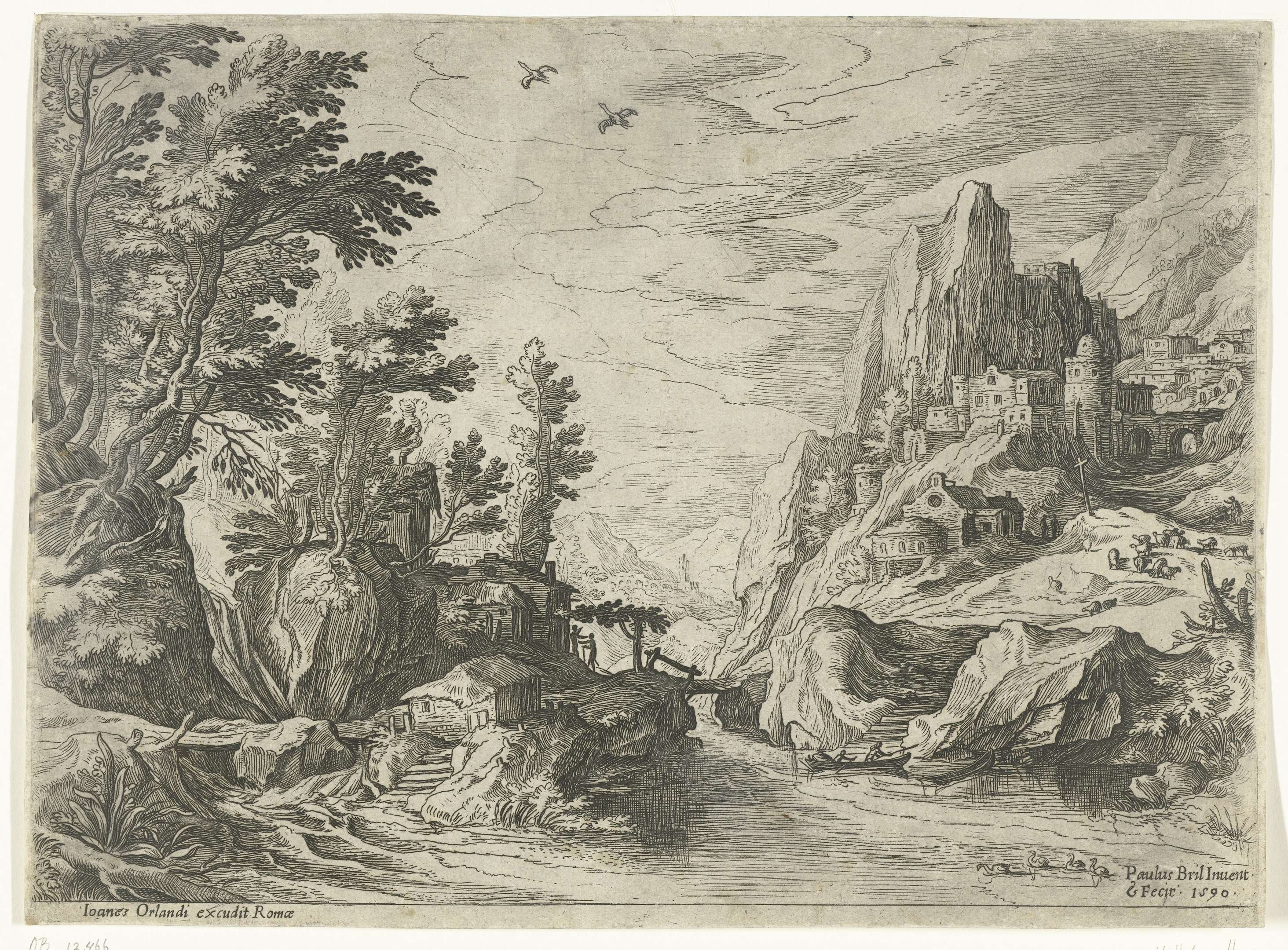
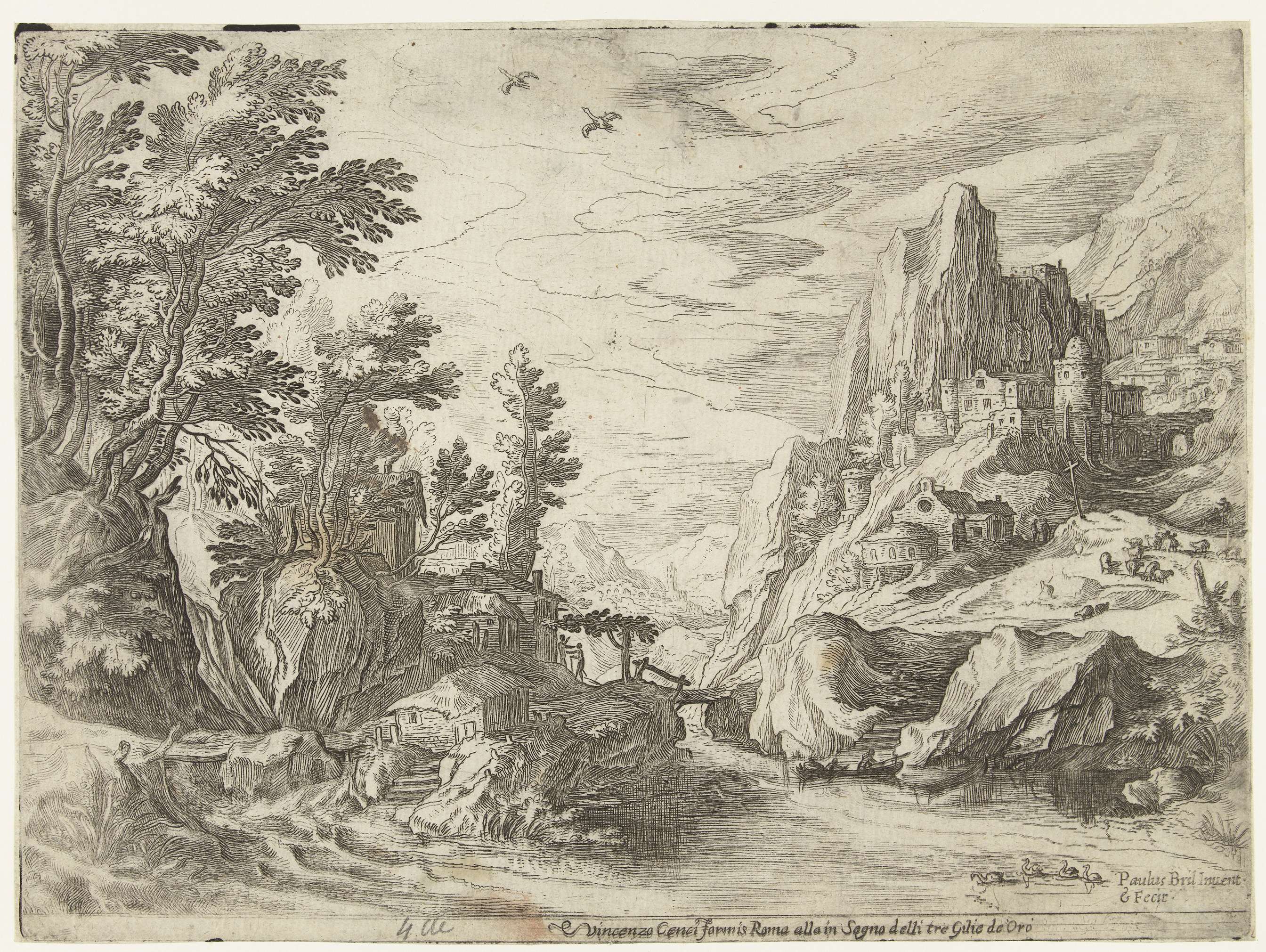
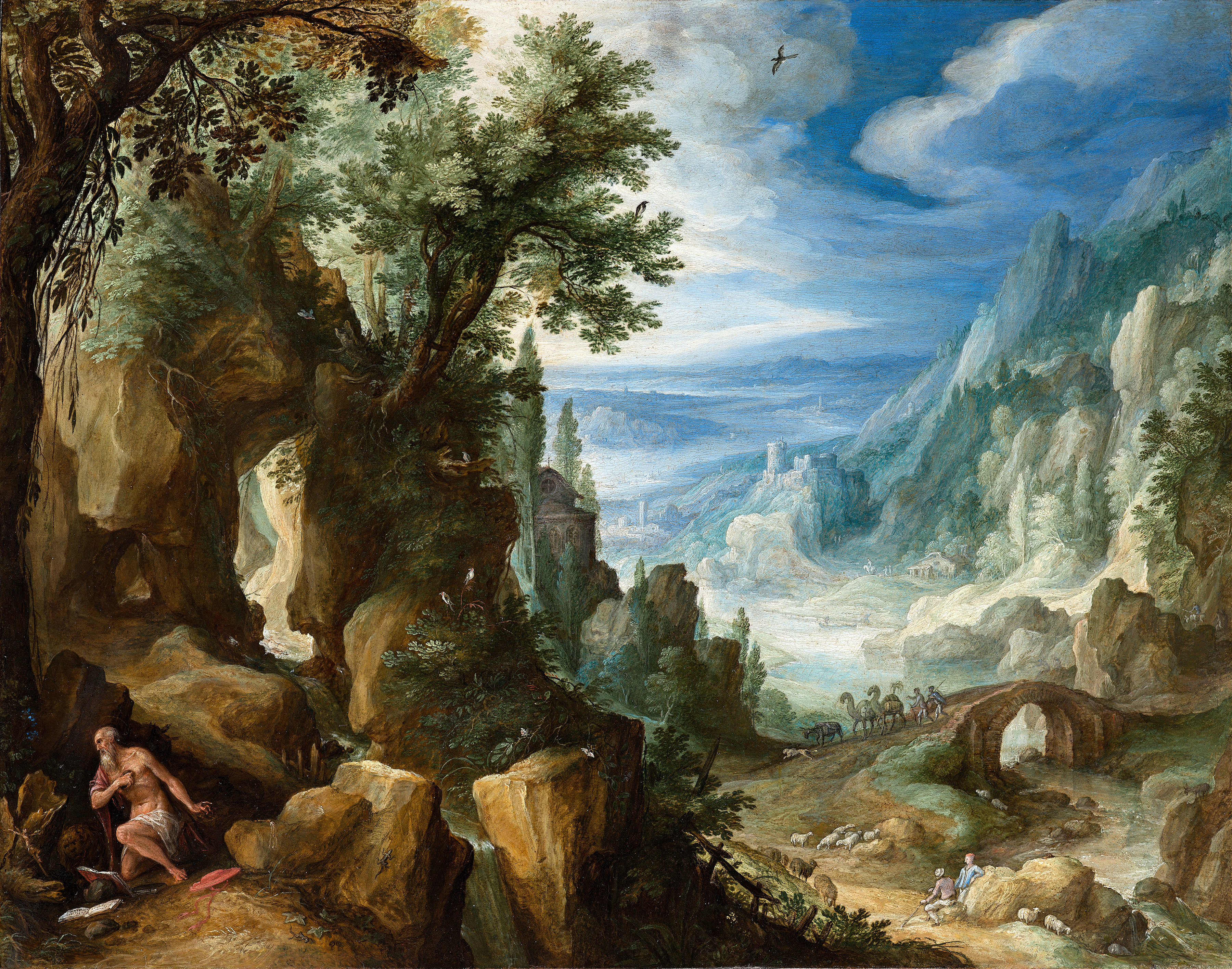
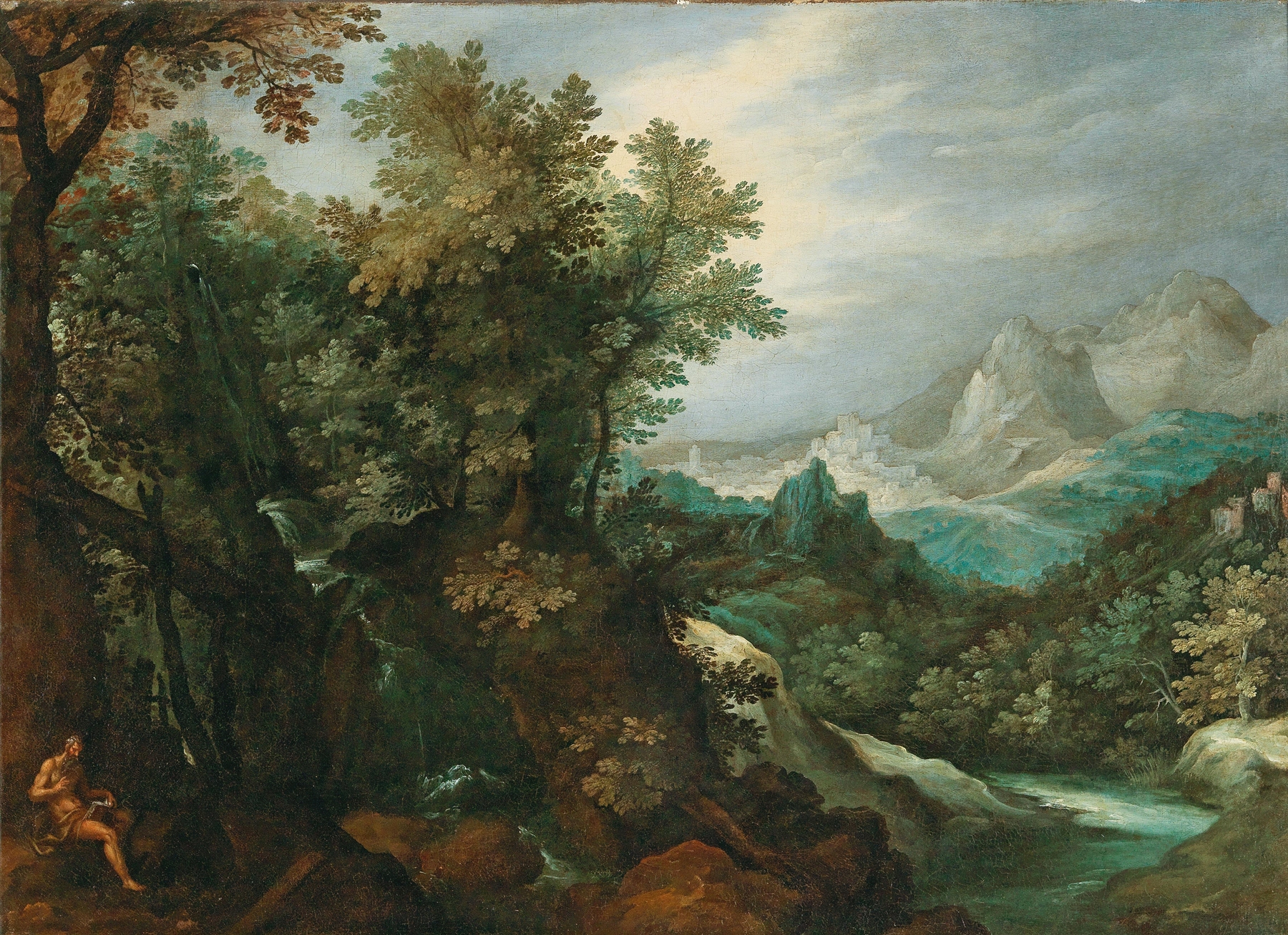
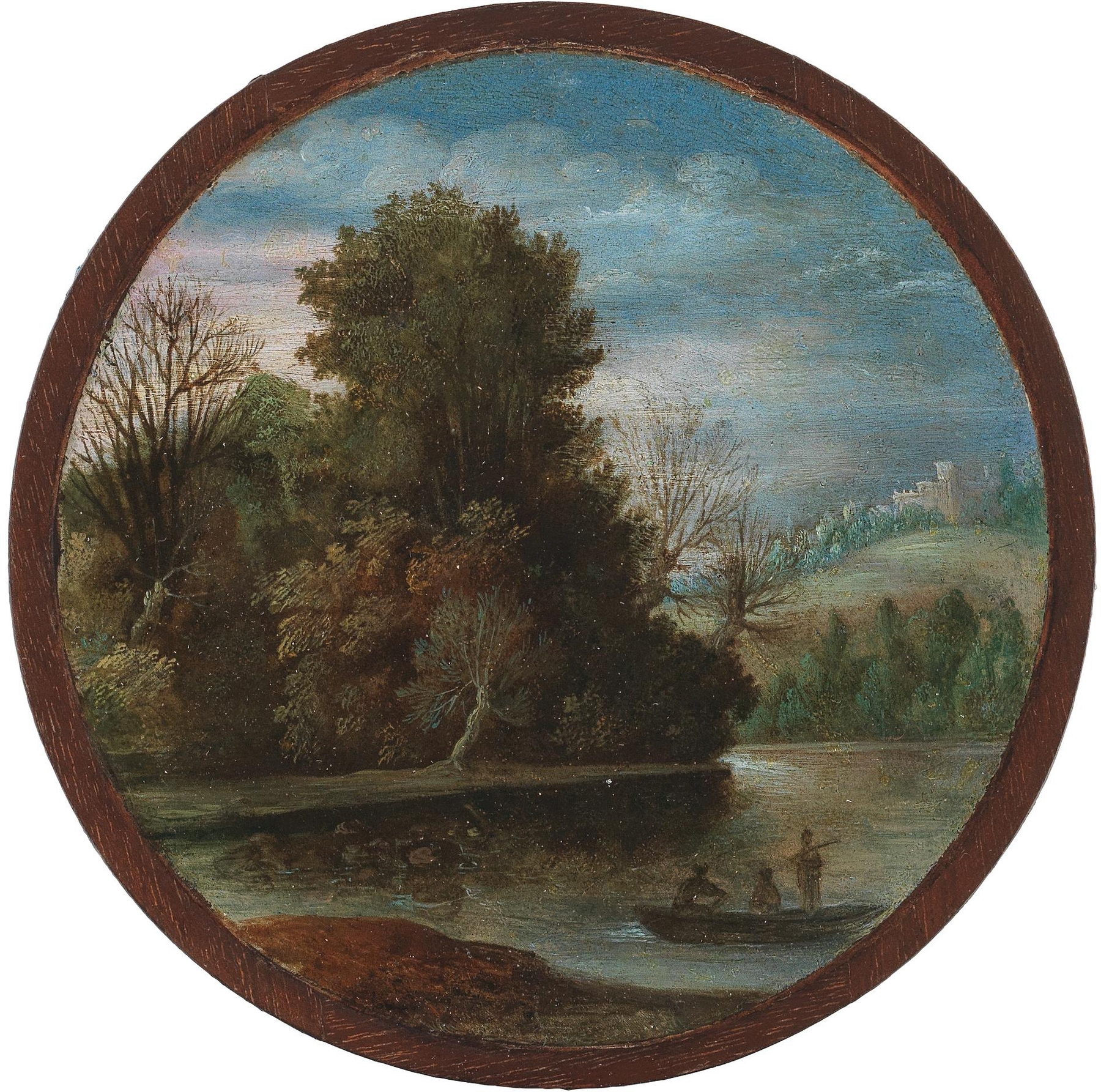
Can beauty exist without sorrow? In the vivid yet haunting landscape before us, the echoes of emptiness whisper through the brushstrokes. Look to the bottom left corner, where a solitary figure stands against the undulating hills, accompanied by two camels. The earthy tones of the landscape, infused with ochres and greens, create a striking contrast with the deep blue sky that looms above, hinting at a vastness both inviting and desolate.
The meticulous detail in the animals' forms draws the eye, while the starkness of the surrounding empty space evokes a sense of isolation, as if the man and his camels traverse an uncharted emotional terrain. Beneath the surface lies a tension between the vibrant natural world and the profound solitude experienced by the figure. The camels, sturdy and resilient, symbolize endurance in the face of emptiness, suggesting an unspoken bond between man and beast. Meanwhile, the sweeping horizon suggests an unreachable promise of fulfillment, alluding to the universal human quest for meaning in a seemingly indifferent universe.
This interplay of presence and absence conjures an emotional depth that resonates beyond the canvas. Paul Bril painted this work sometime between 1582 and 1626 during his time in the Netherlands and later in Rome. His experiences navigating the shifting art landscape of the late Renaissance, where landscapes began to take on new significance, influenced his approach to capturing the sublime beauty of nature, often reflecting his own contemplations on solitude and existence within a larger world.