Rouen – Cathedrale Notre-Dame — History & Analysis
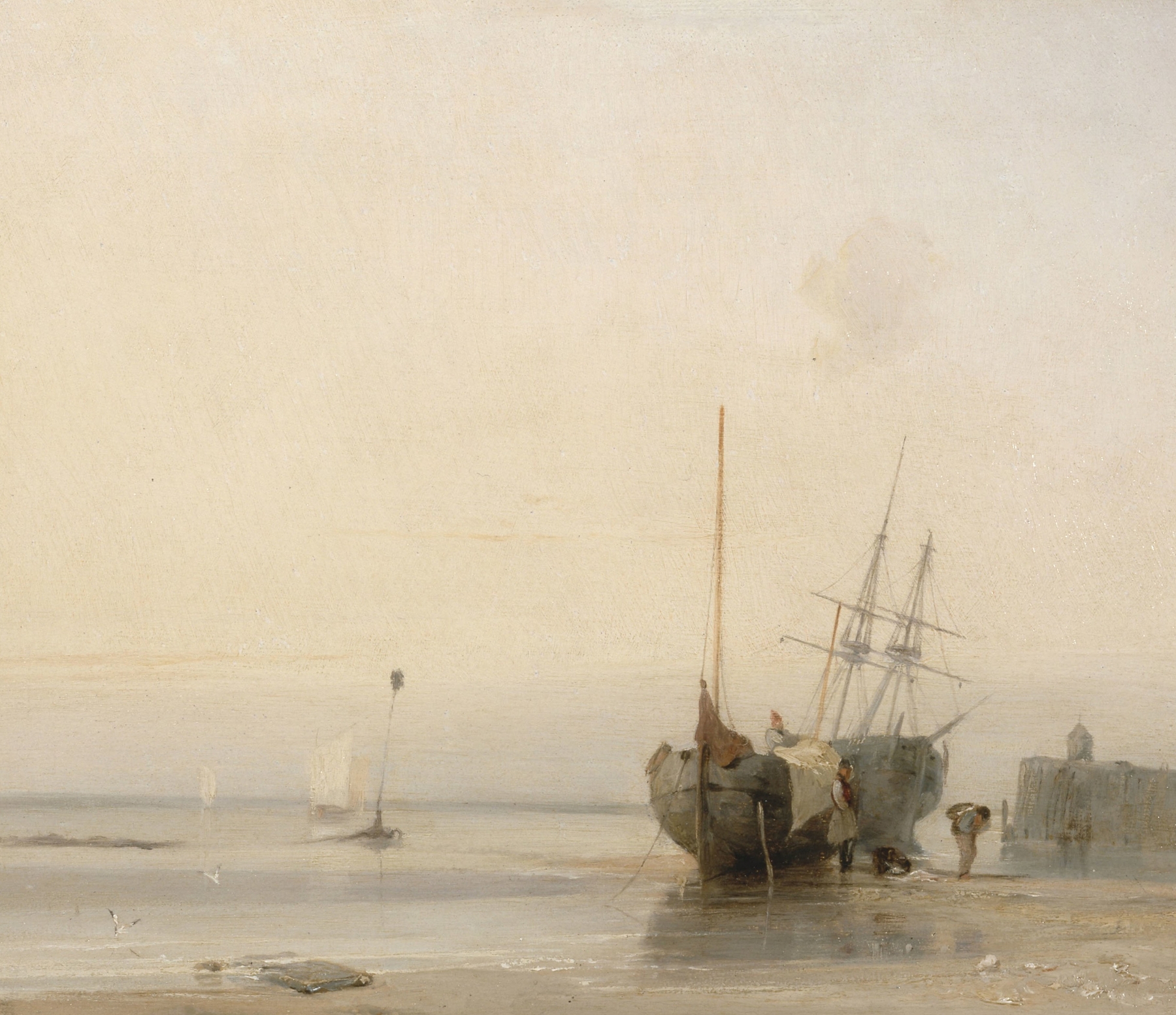
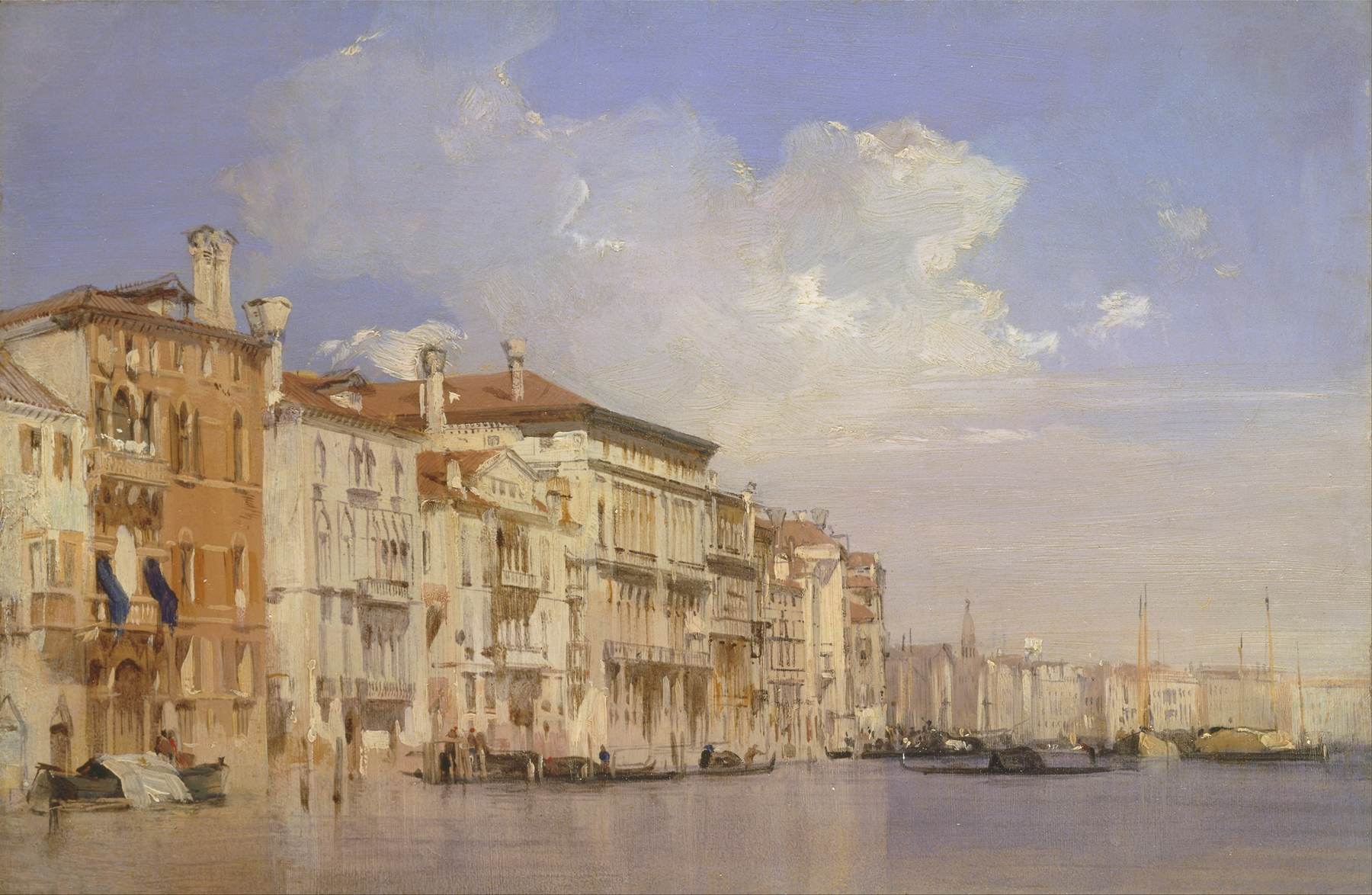
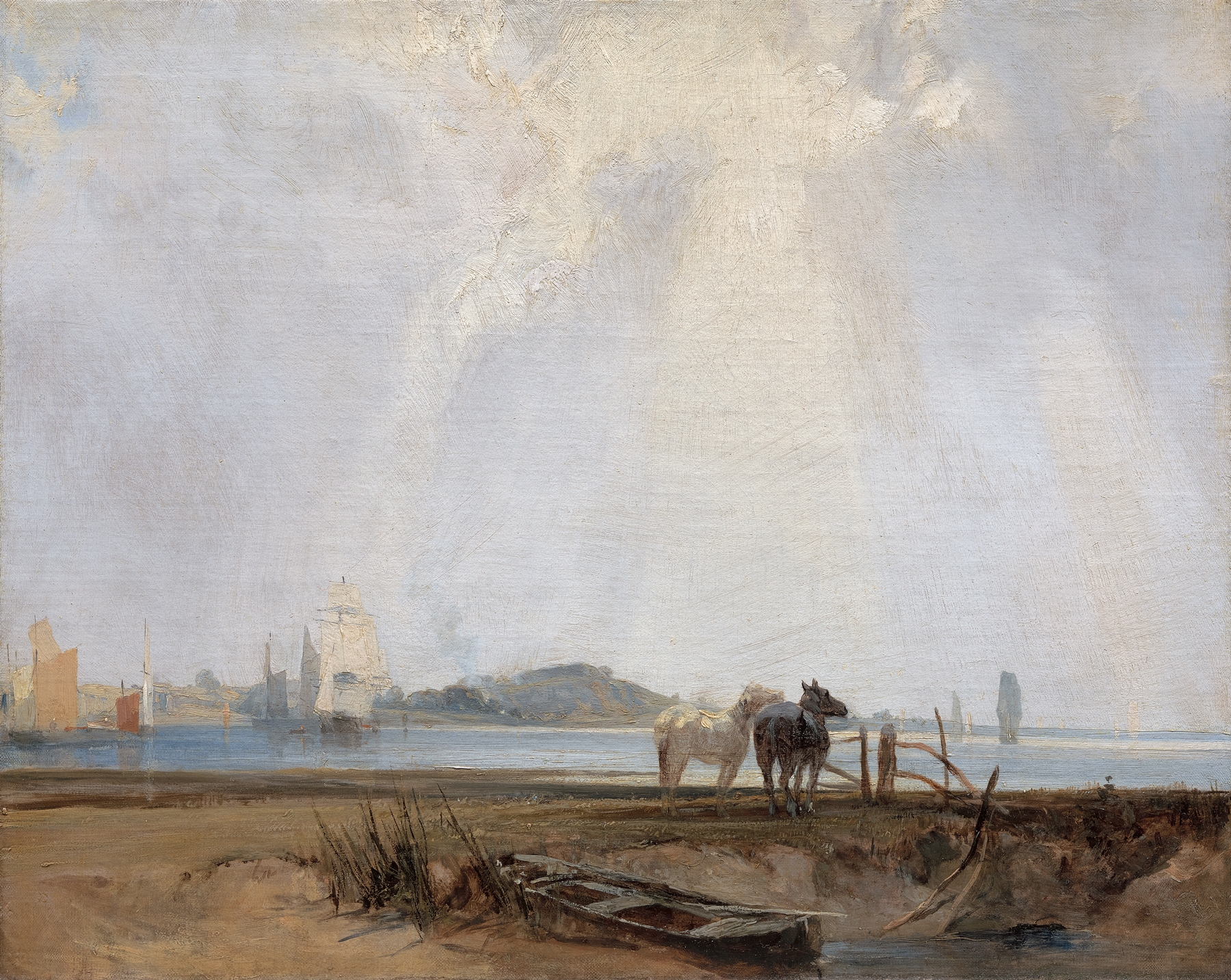
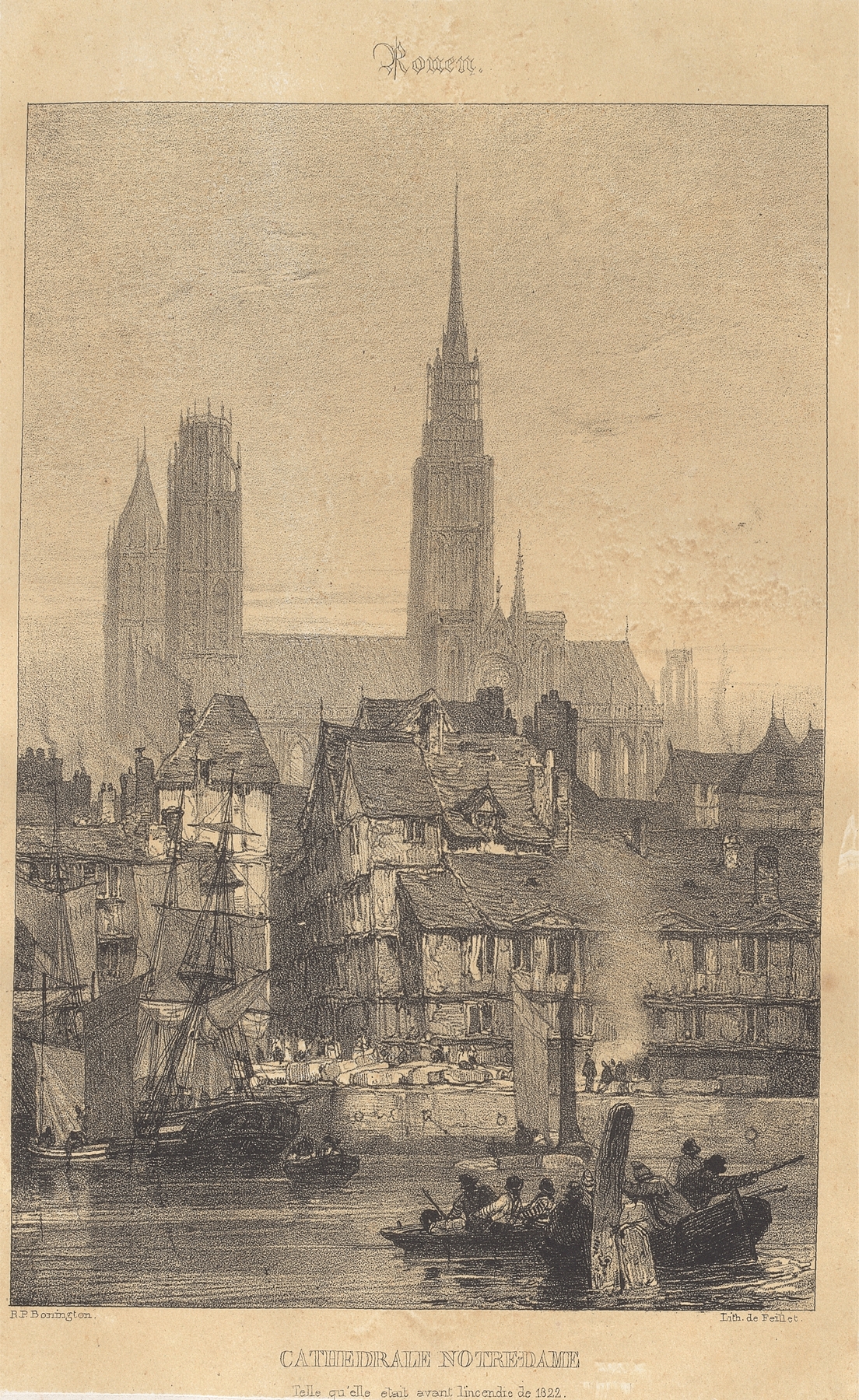
What if beauty was never meant to be finished? In the delicate strokes of a brush, destiny unfolds, revealing the transient nature of existence and the structures we create. Look to the left at the towering façade of the cathedral, where light dances between the intricate Gothic arches, capturing the spirit of a place steeped in history. Notice how the artist employs a muted palette, blending soft greys and gentle blues that evoke a sense of calm yet highlight the architectural grandeur.
The play of light and shadow adds depth, drawing your eye upward toward the spires, as if inviting you to contemplate the heavens above. Upon closer inspection, the gentle ripples of color suggest an ethereal quality, hinting at the ungraspable essence of beauty itself. The subtle interplay between the solid structure of the cathedral and the ephemeral sky suggests a tension between permanence and transience, between human ambition and the natural world. This duality reflects a deeper philosophical inquiry into the nature of creation, as the viewer is left pondering what it means for something to be both majestic and fleeting.
Richard Parkes Bonington painted this work during a transformative period in the early 19th century, when he was exploring the interplay of light and atmosphere. Living in France during a time of artistic revolution, he was influenced by both the Romantic ethos and the emerging Impressionist movement. Although the exact date of this piece is uncertain, it encapsulates an artist at the crossroads, capturing not just the cathedral, but also the very essence of a world in flux.