Rough Going — History & Analysis
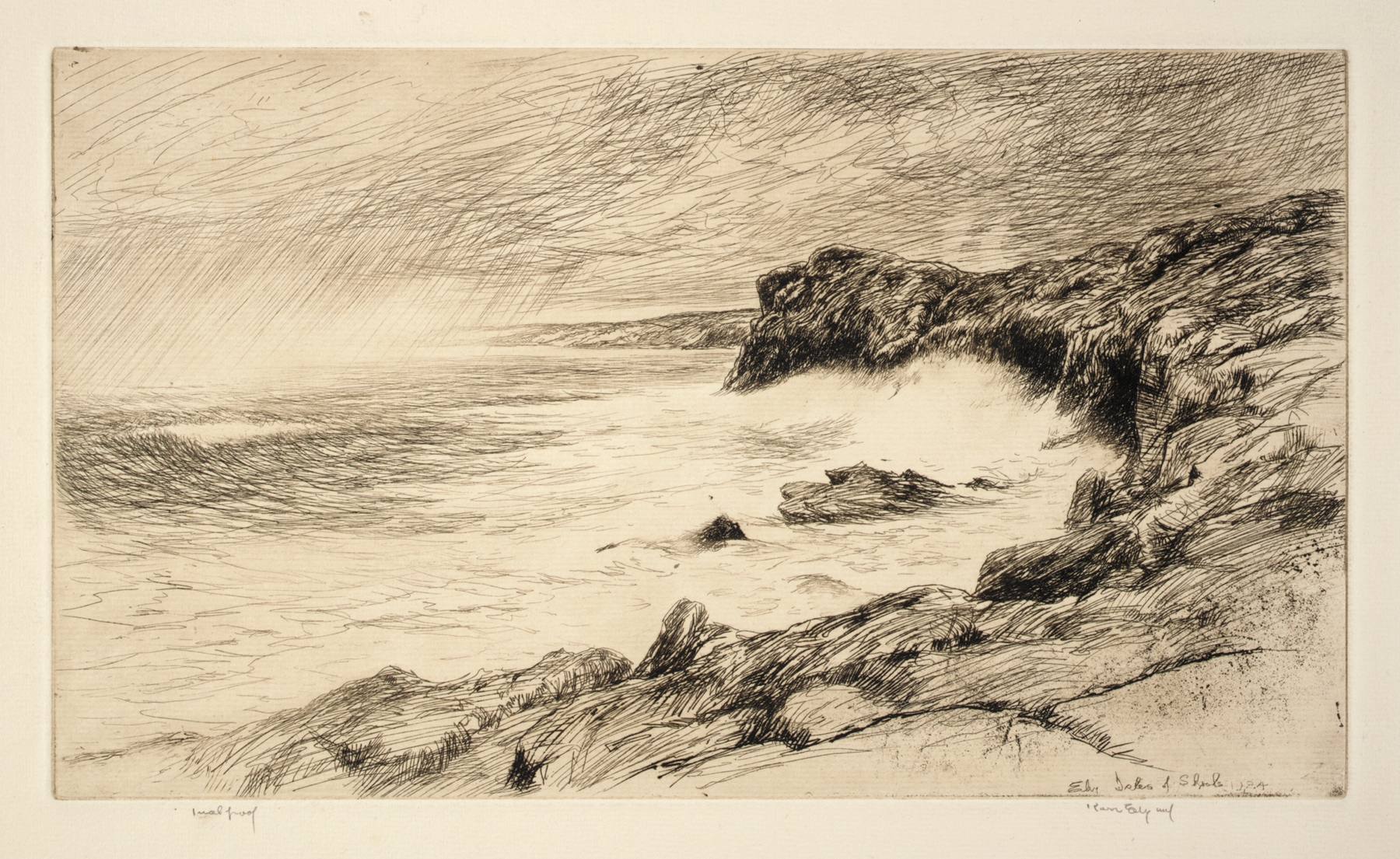
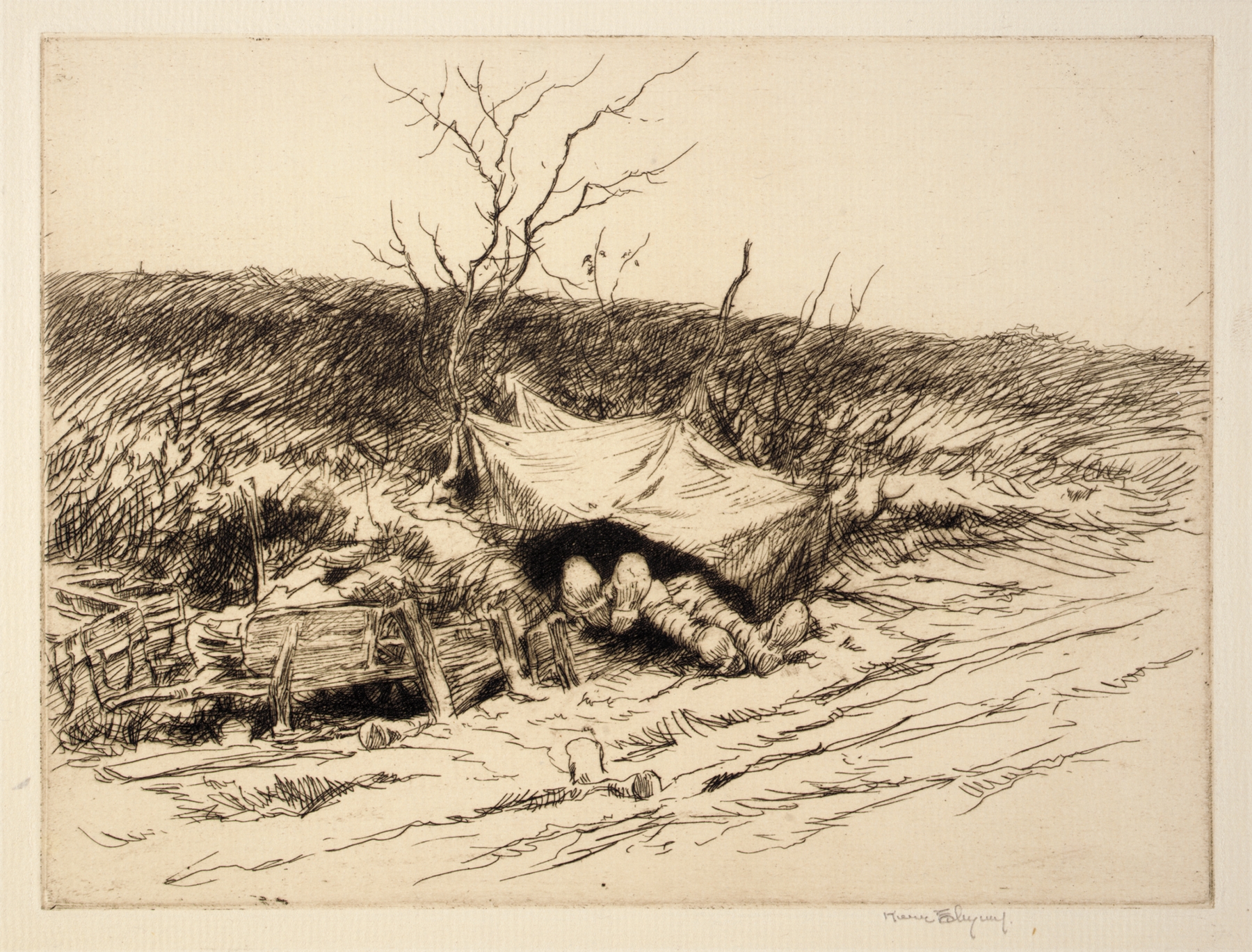
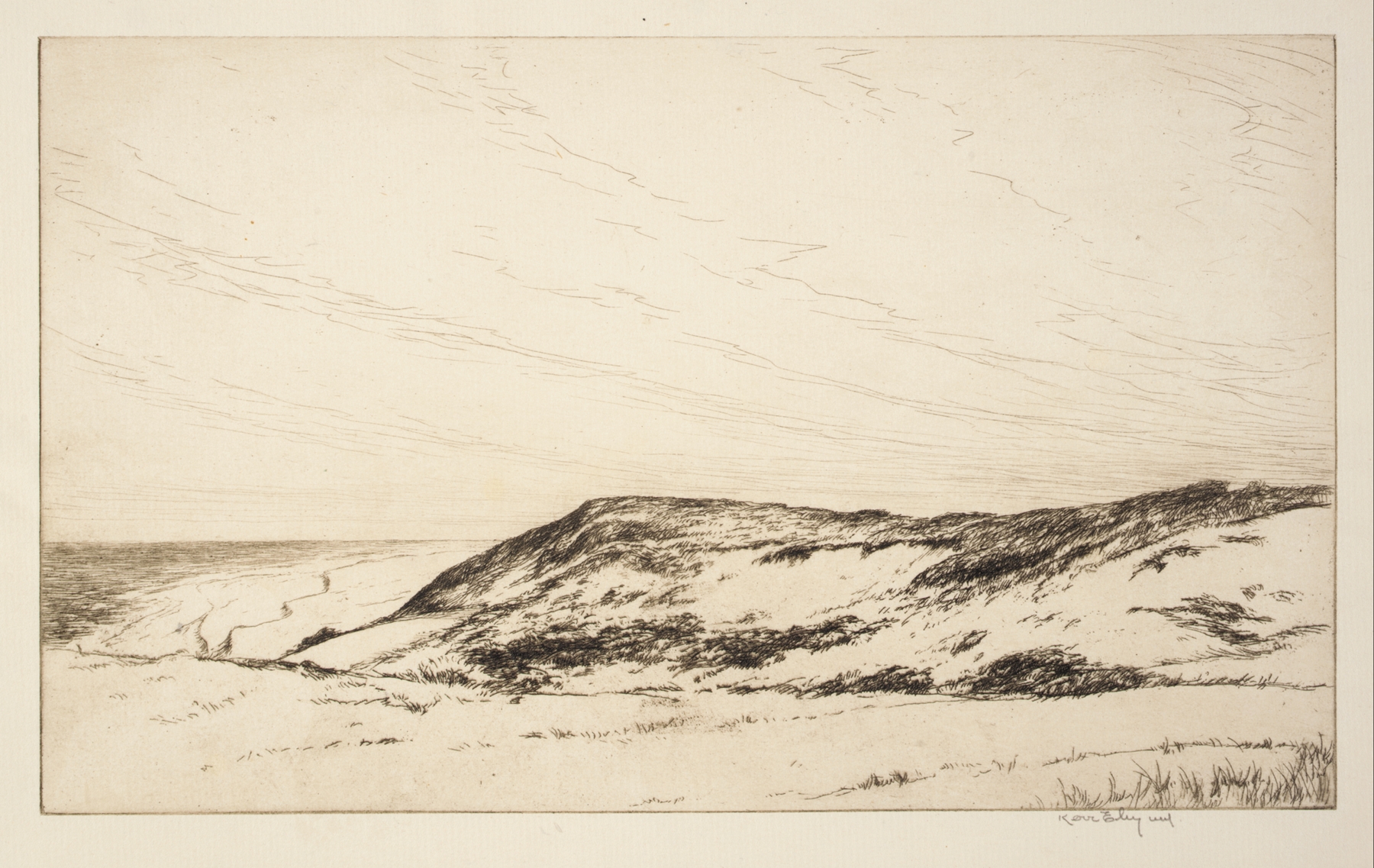
“Under the brush, chaos becomes grace.” In the world of art, each stroke is a reflection of the artist’s inner turmoil, a conversation between chaos and clarity. Focus on the tumultuous waves depicted in the foreground, where the white foamy crests clash violently against the dark, billowing clouds above. The tumult of the sea is rendered with dynamic brushwork that captures movement and energy, drawing the viewer’s eye to the center where the contrast between light and dark creates a heartbeat of tension. Eby’s palette, dominated by deep grays and blues, contrasts sharply against sporadic bursts of white, providing a visceral sense of struggle and resilience.
Hidden within this apparent chaos is a dialogue about perseverance and the relentless nature of existence. The interplay of light and shadow reflects the duality of hope amidst despair, with the tumultuous sea symbolizing both danger and the potential for renewal. Each wave tells a story of struggle, hinting at the broader human experience of facing overwhelming odds while seeking solace in calmness. It invites viewers to reflect on their own moments of facing life's tempestuous waters.
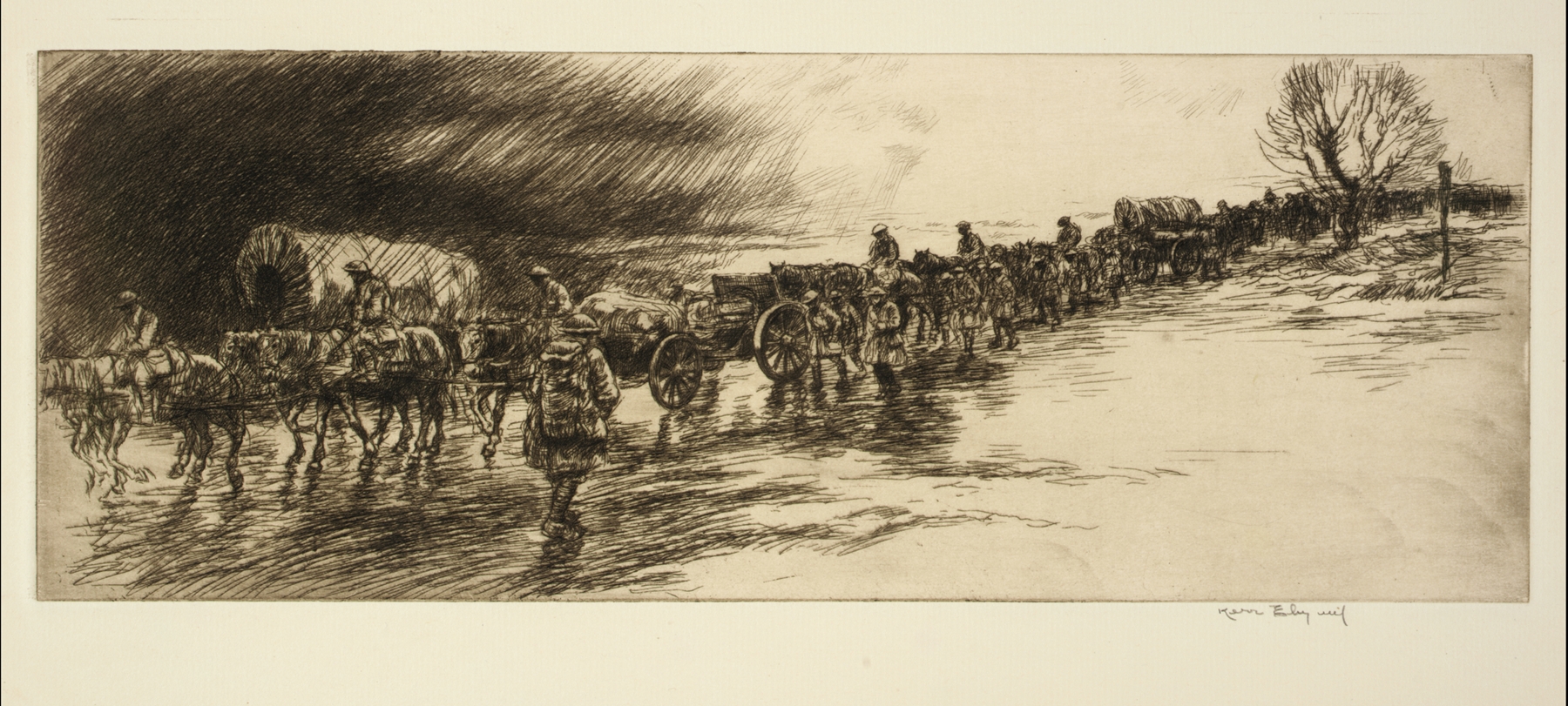
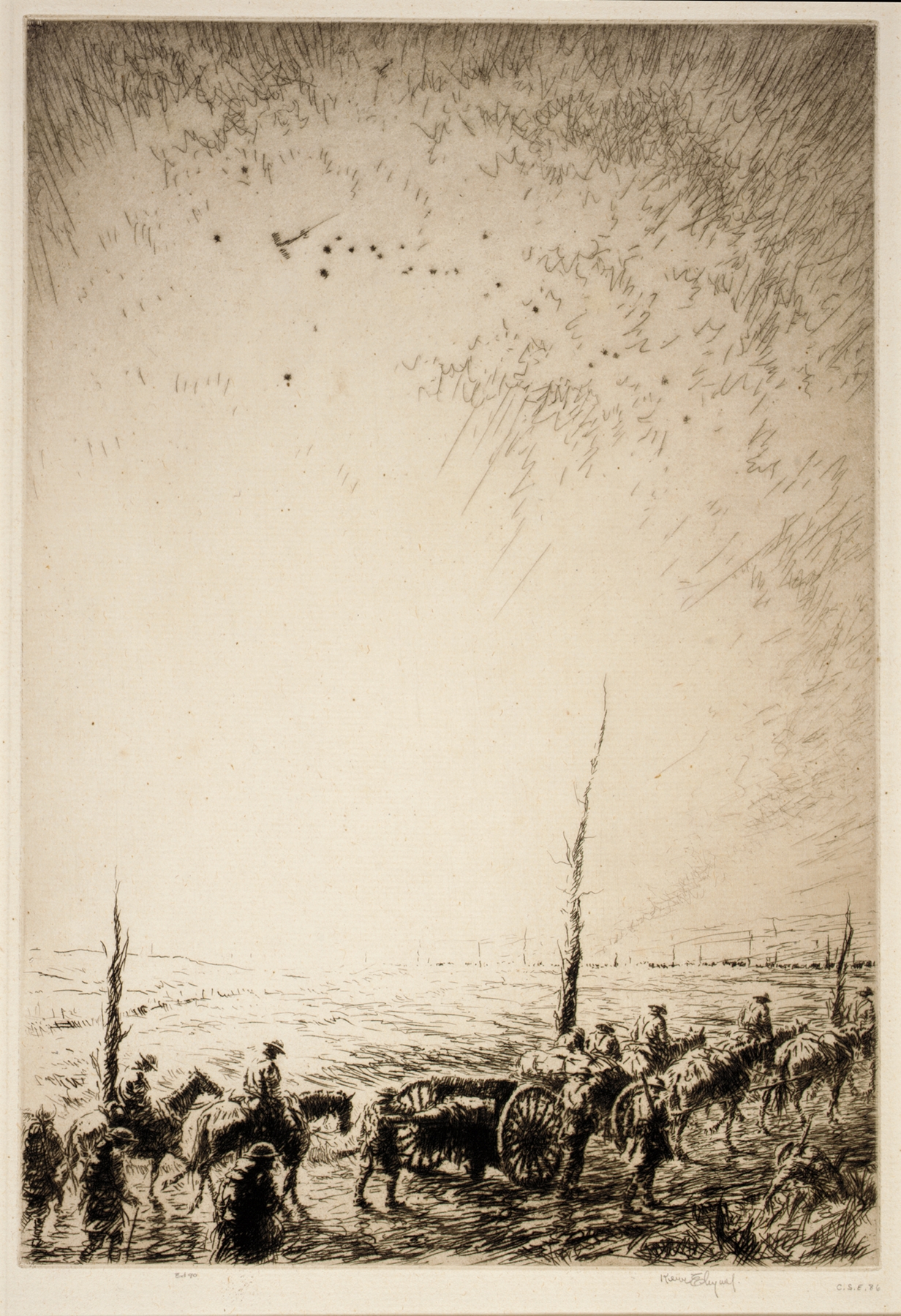
In 1919, while creating this work, the artist was navigating his own return from World War I, a period marked by turmoil both personally and globally. Eby was deeply influenced by his experiences as a wartime illustrator, capturing the raw emotions of conflict and survival. This piece emerged as he grappled with the aftermath of war and the shifting tides of the art world, where expressionism began to gain foothold, allowing him to transmute his experiences into a powerful visual statement.