Rough Sea on a Rocky Coast, Capri — History & Analysis
Did the painter know this moment would outlive them? In Rough Sea on a Rocky Coast, Capri, an unyielding sea crashes against the jagged cliffs, each wave a heartbeat echoing the relentless passage of time and human yearning. Focus on the tumultuous ocean, where deep greens and blues collide with frothy whites, expressing both chaos and beauty. Just above the turbulent water, the rocky coast rises sharply, its rugged texture juxtaposed against the fluidity of the waves.
The light plays a crucial role: notice how it breaks through the clouds, casting shimmering highlights that dance across the surface of the sea, illuminating the inherent tension between nature’s ferocity and its sublime allure. Amidst the chaos, the painting captures a moment of introspection. The contrast between the serene cliffs and the violent waves evokes a sense of longing for stability amid life's tempests. There lies a silent dialogue between the land and the sea, hinting at the eternal struggle between the human desire for permanence and the transience of existence.
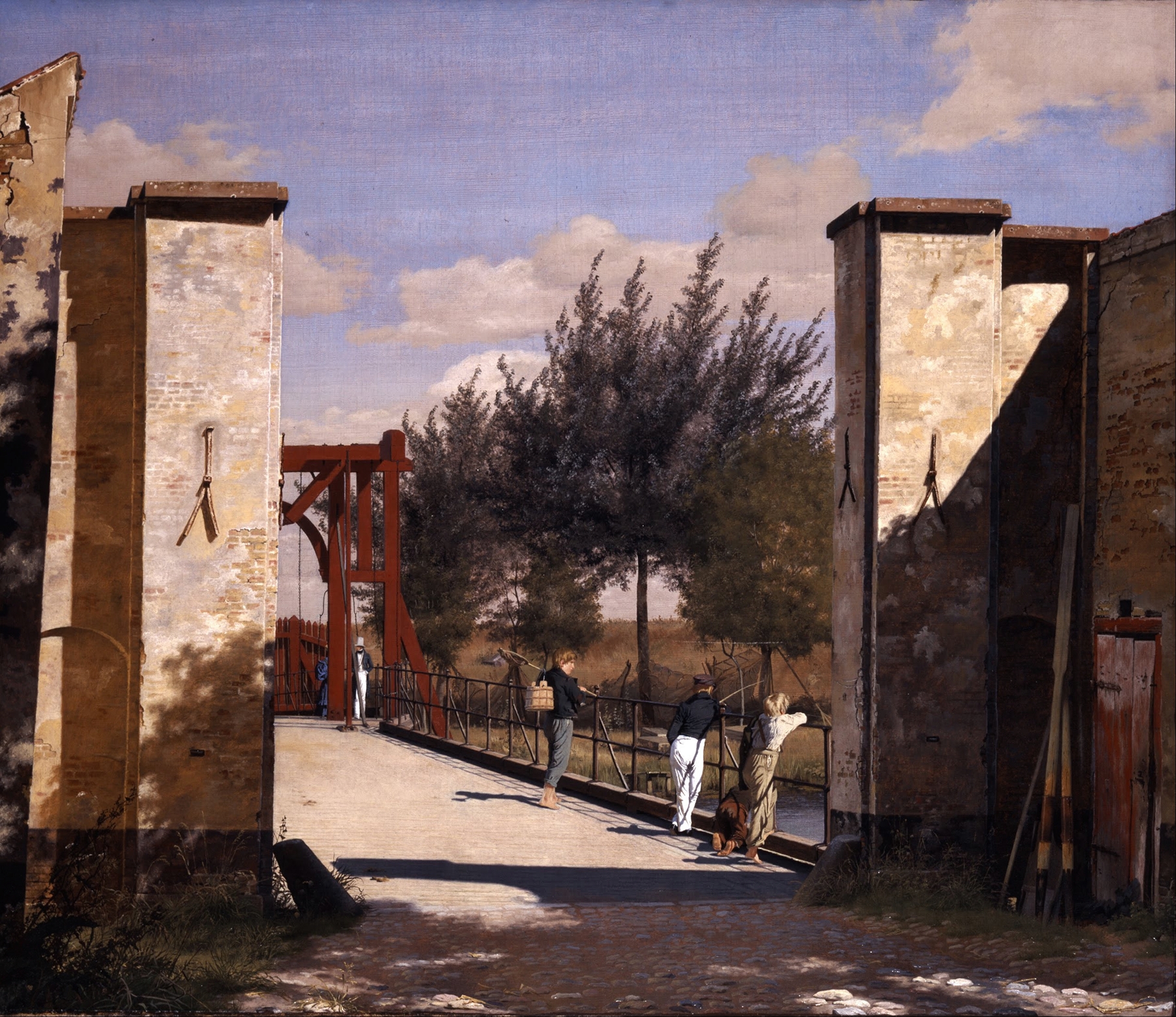
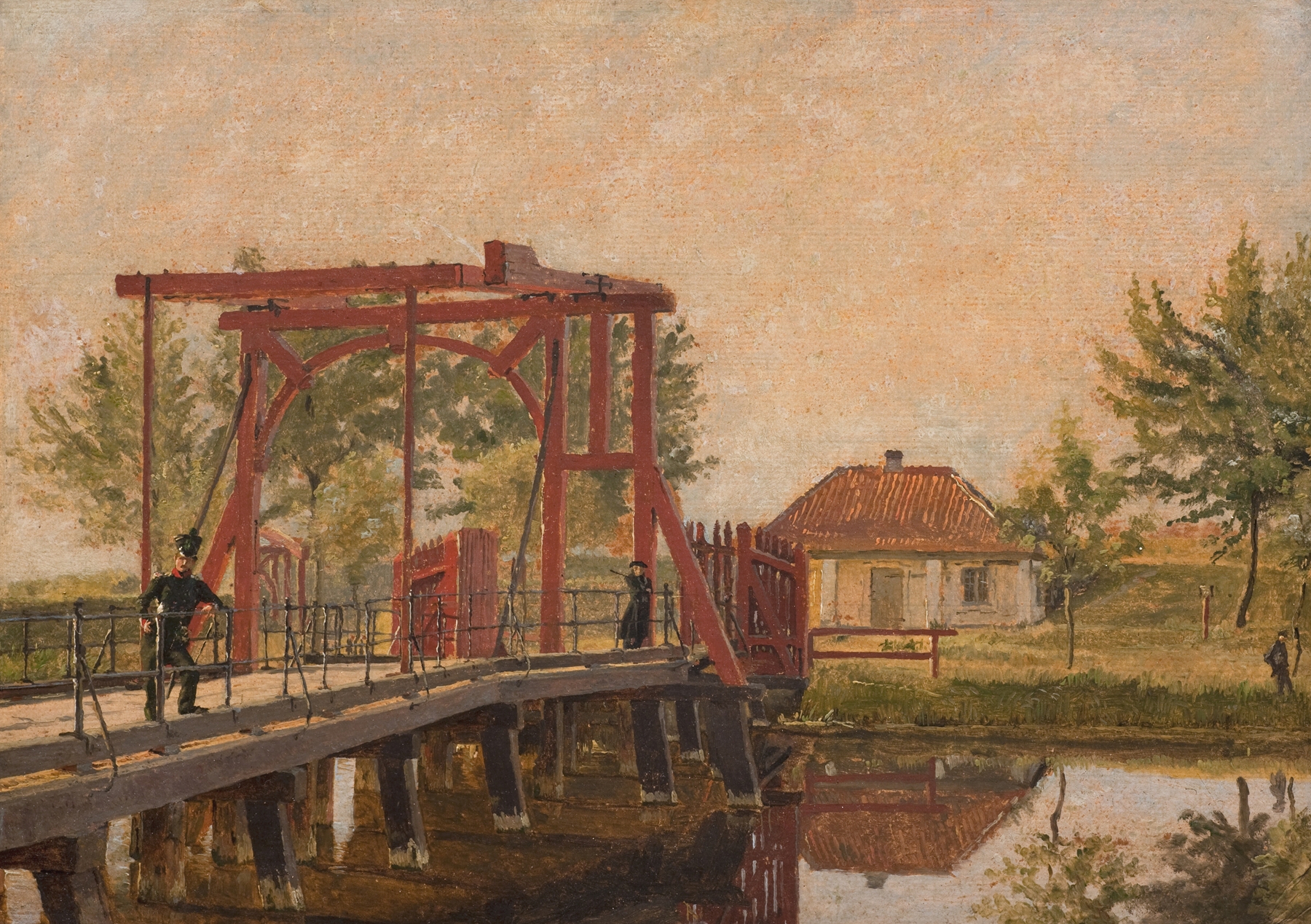
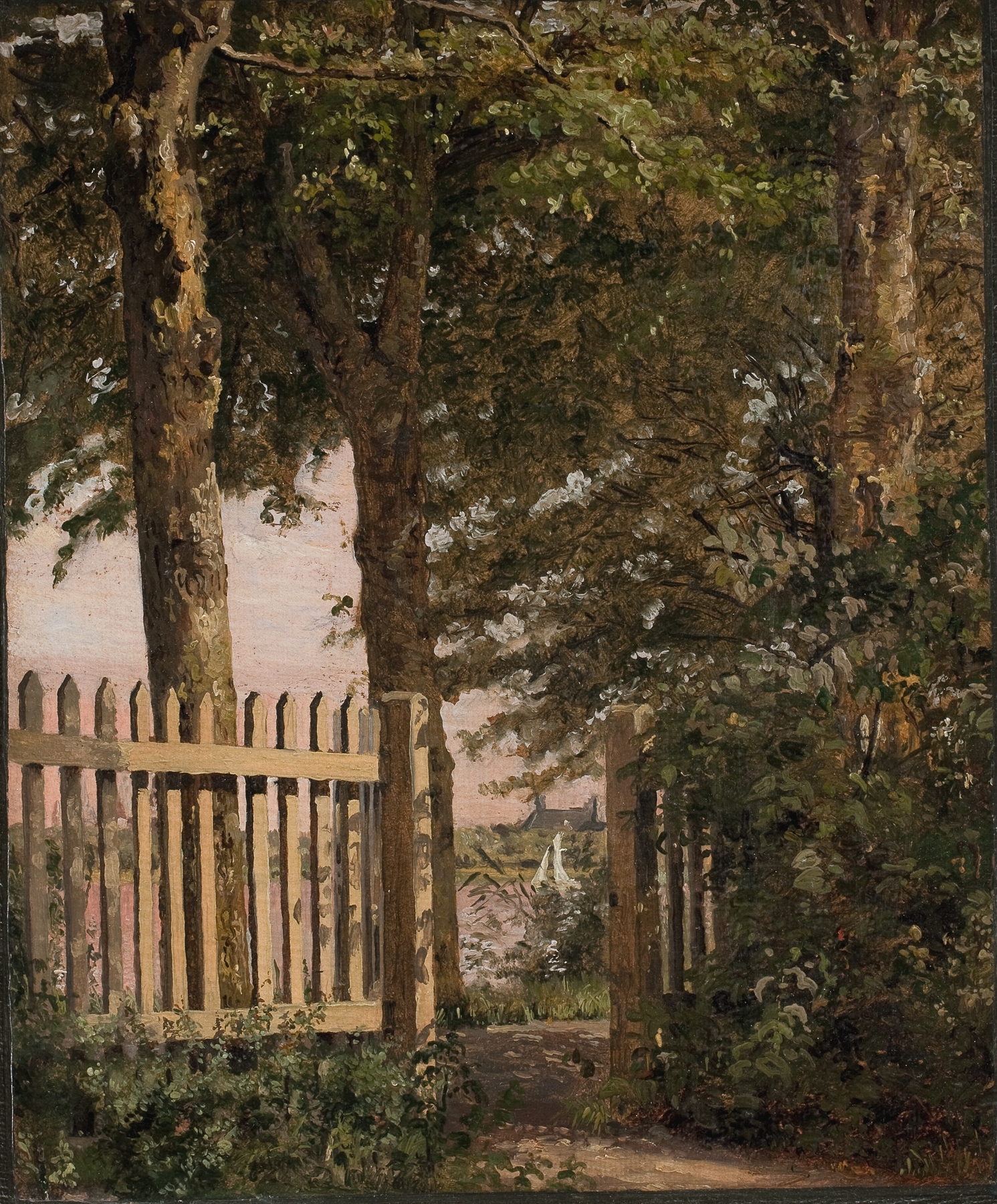
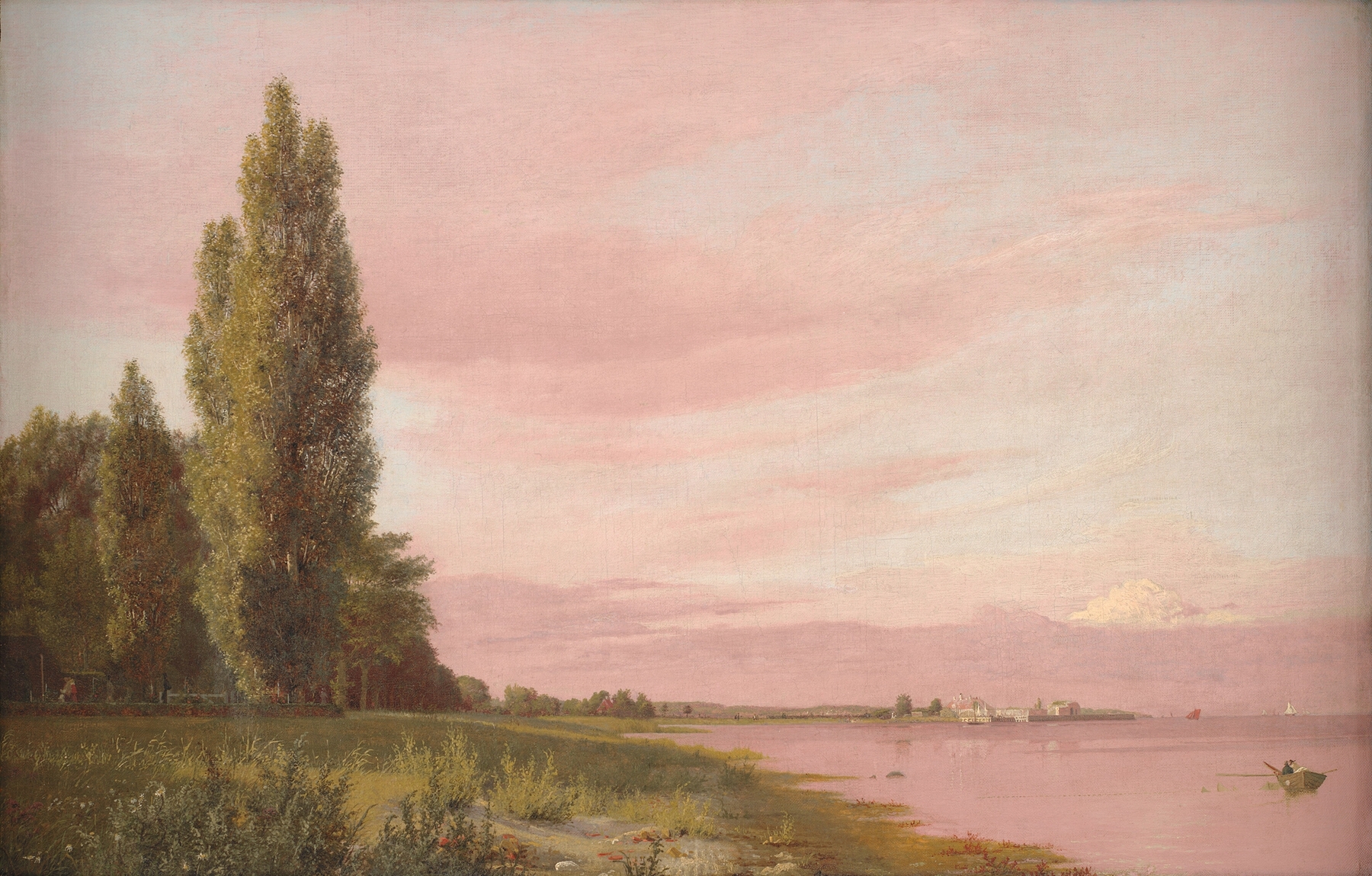
Each brushstroke reveals Købke’s emotional landscape, capturing not just the physical scene but also the human spirit's plight against nature's might. Created in 1839, this work reflects Christen Købke's exploration of landscape painting during a period when Romanticism was giving way to realism. The artist, living in Denmark, was deeply influenced by the changing perceptions of nature and the emotional depths it could convey. At this time, artists were grappling with the industrial revolution's impact on society, rendering nature a poignant reminder of beauty and solace in a rapidly changing world.