Rouler Moor, Cornwall — History & Analysis
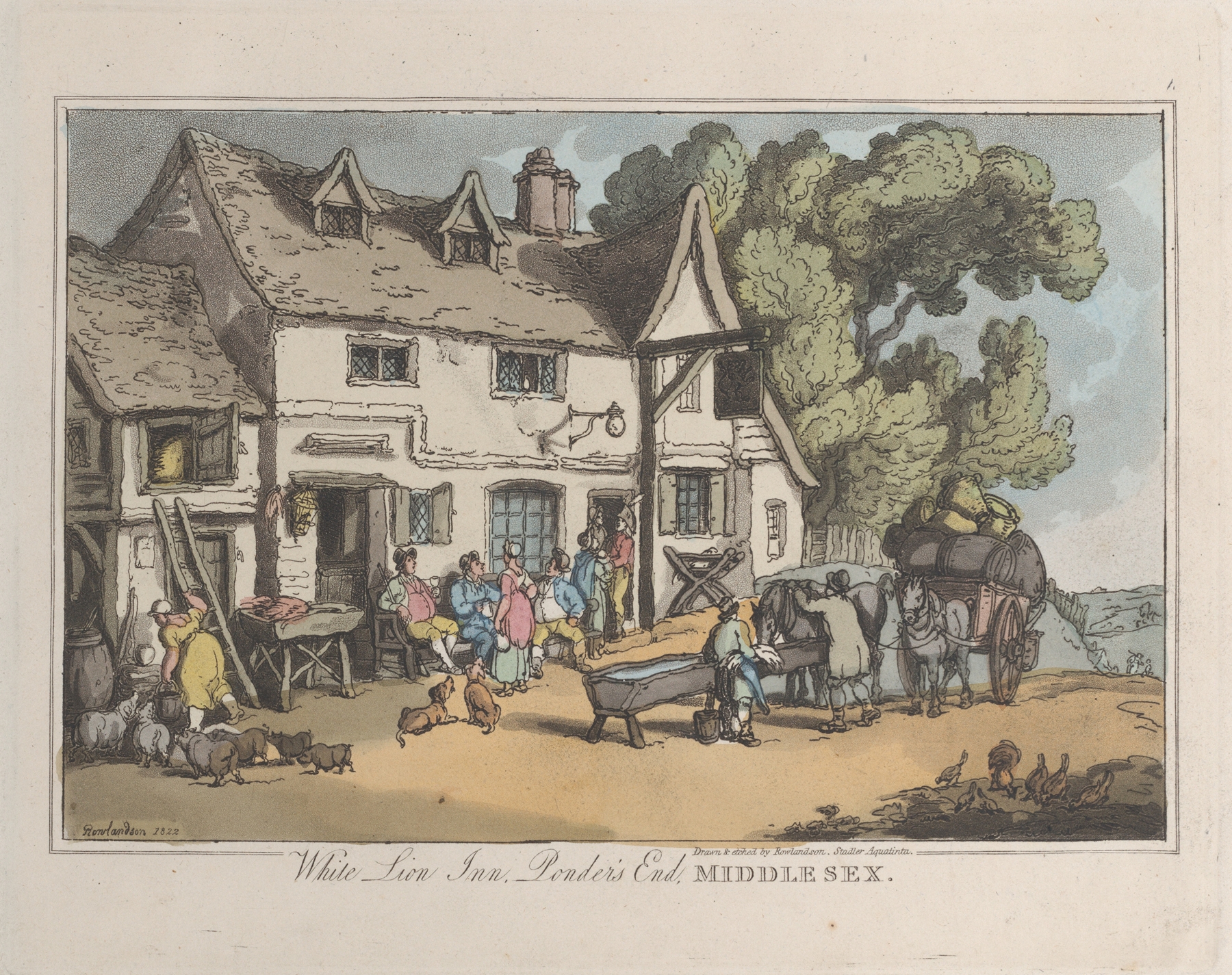
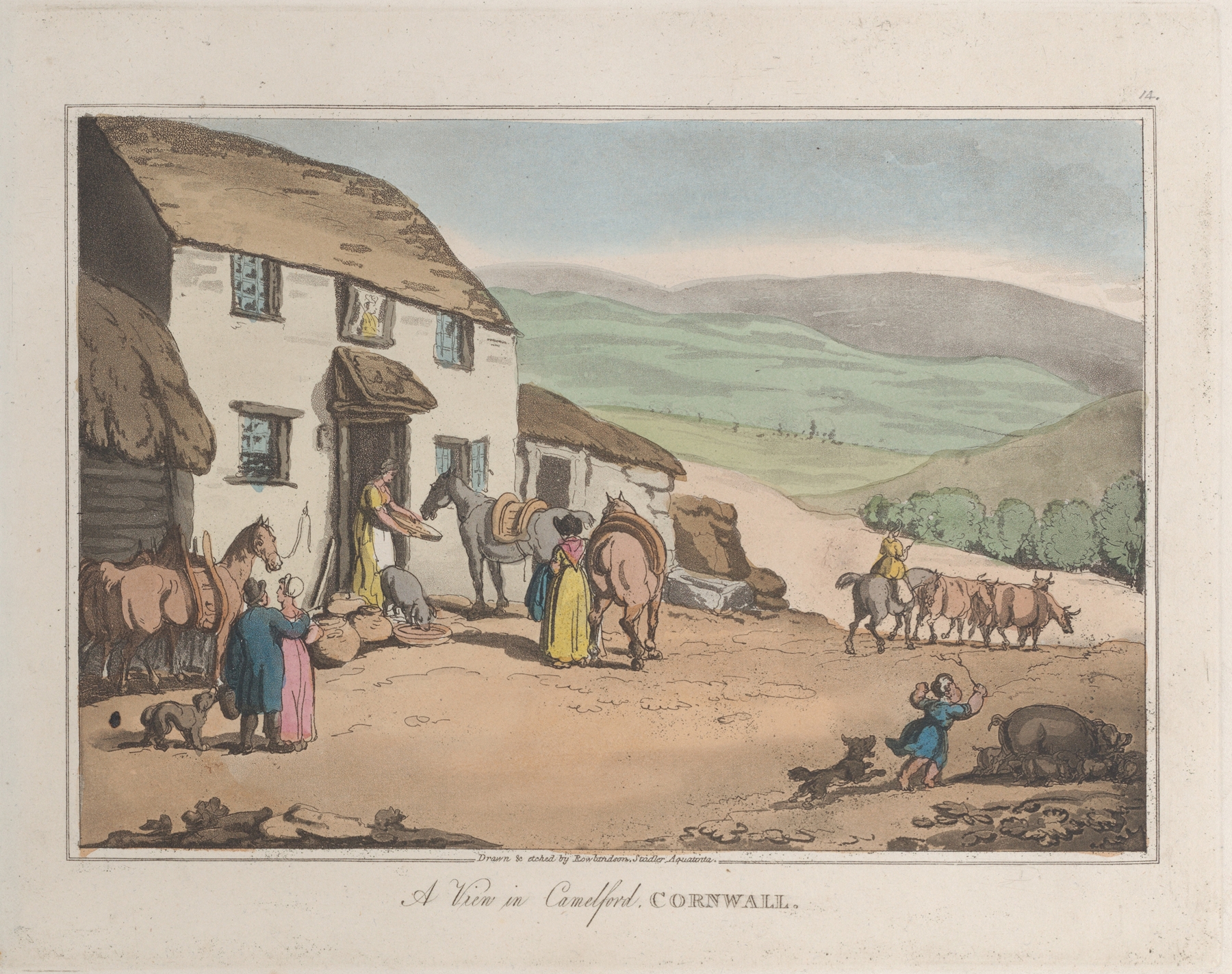
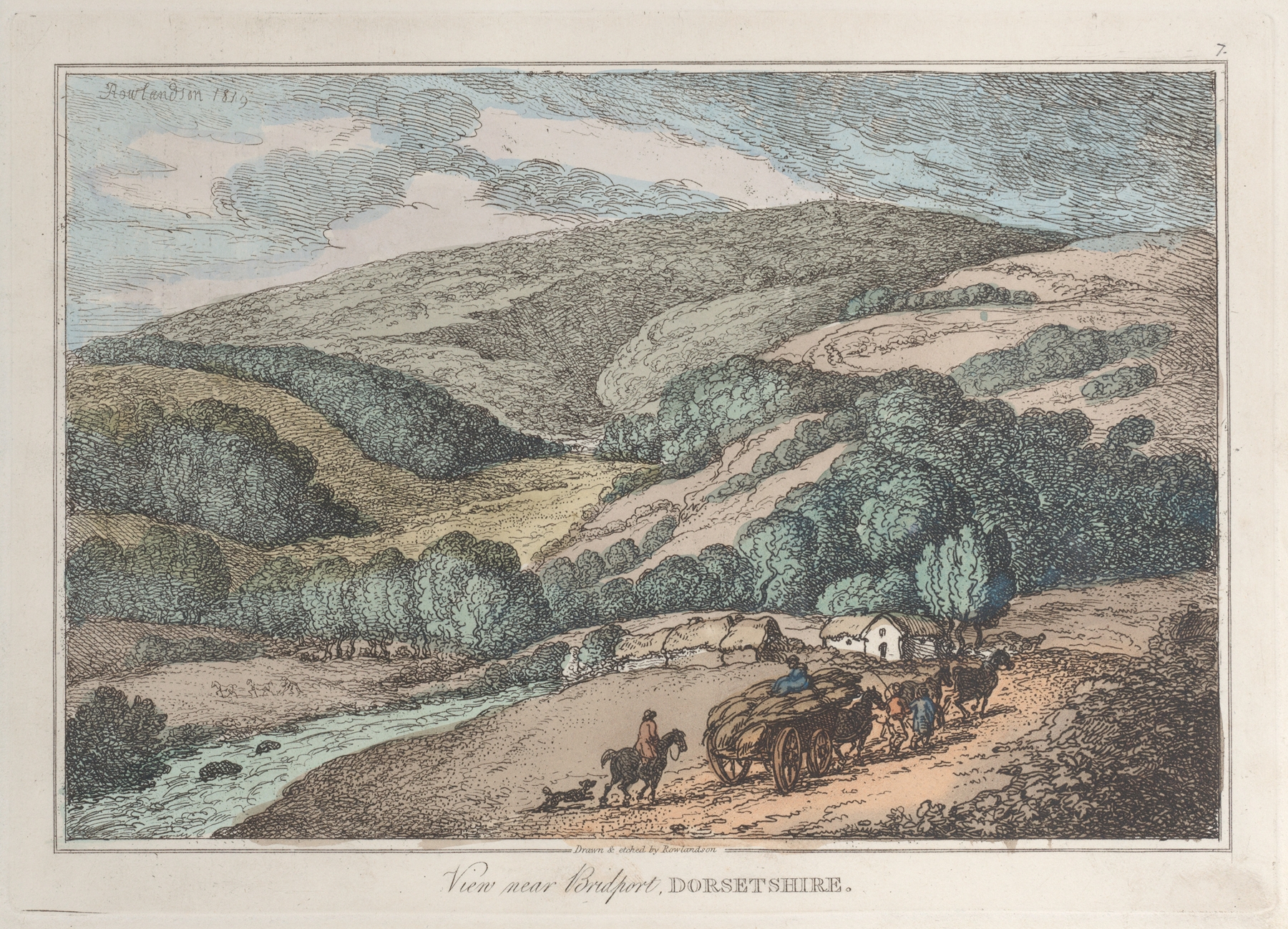
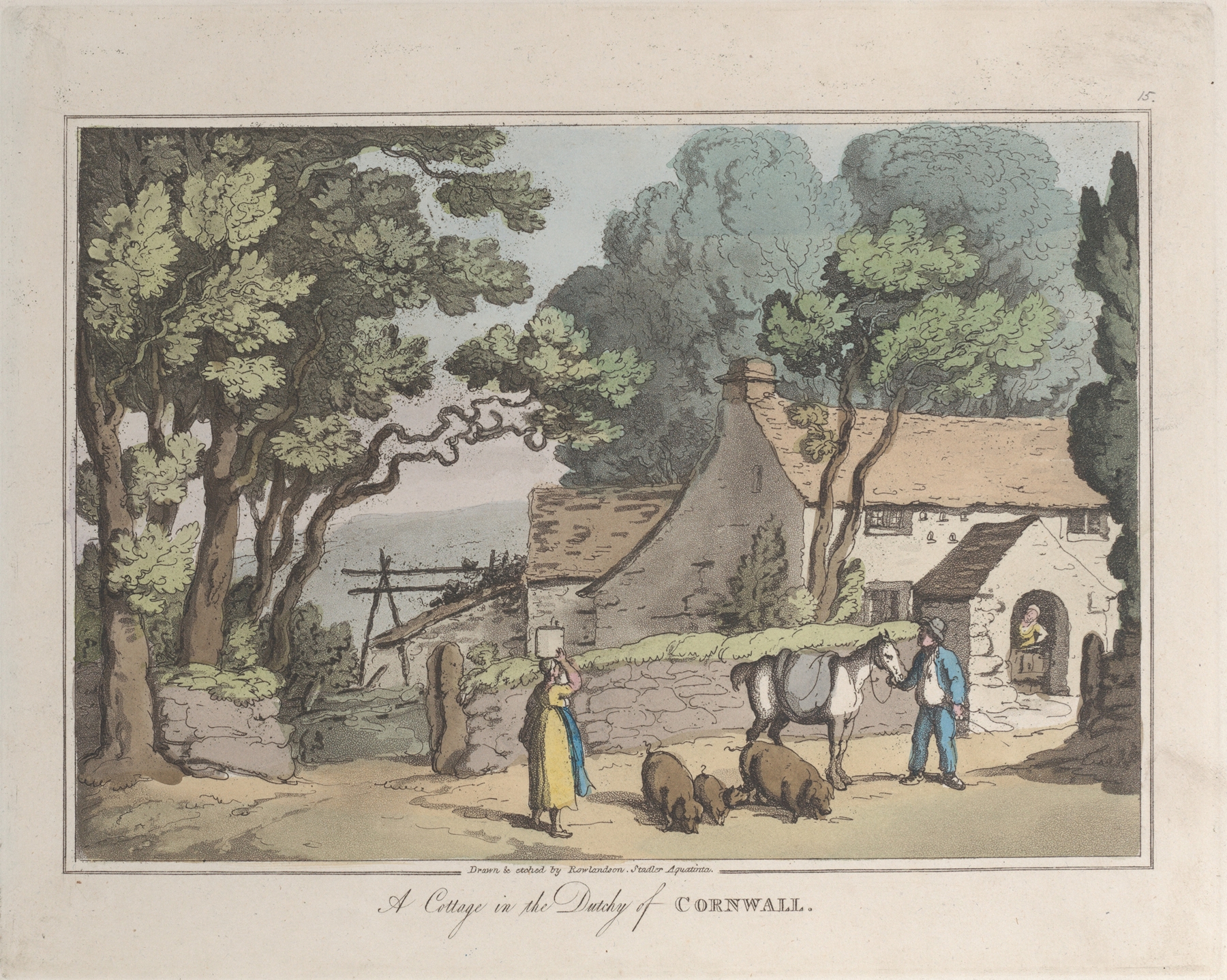
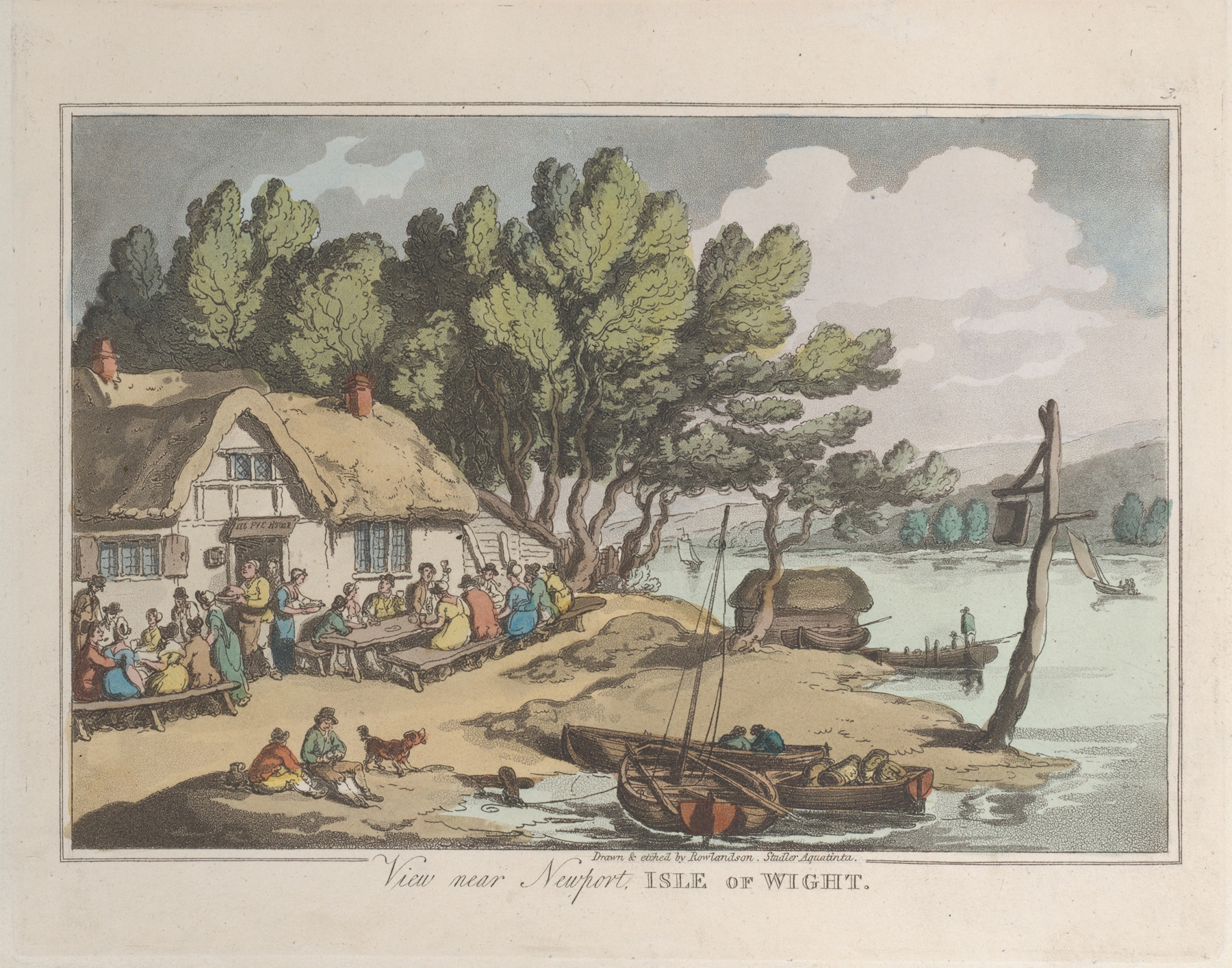
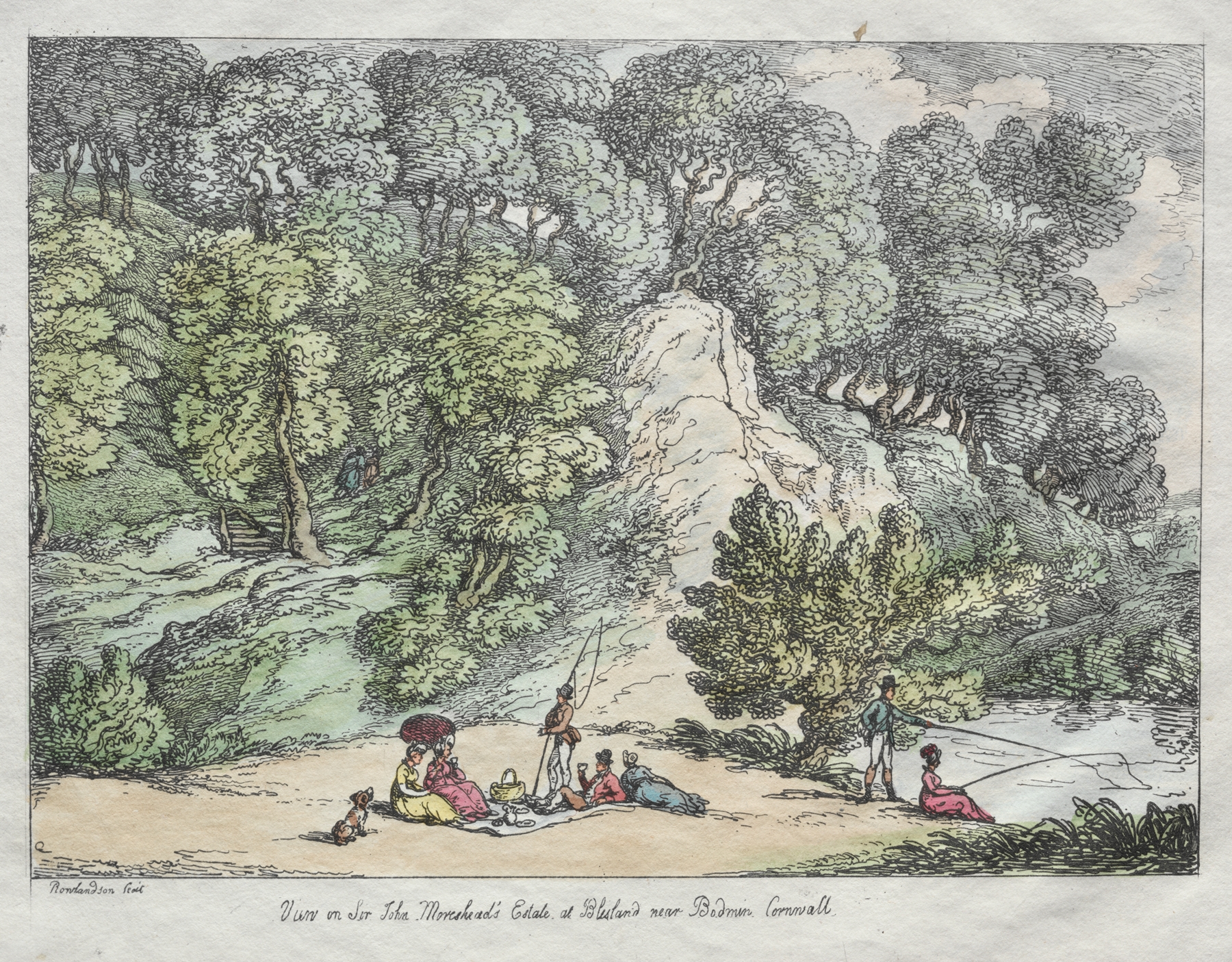
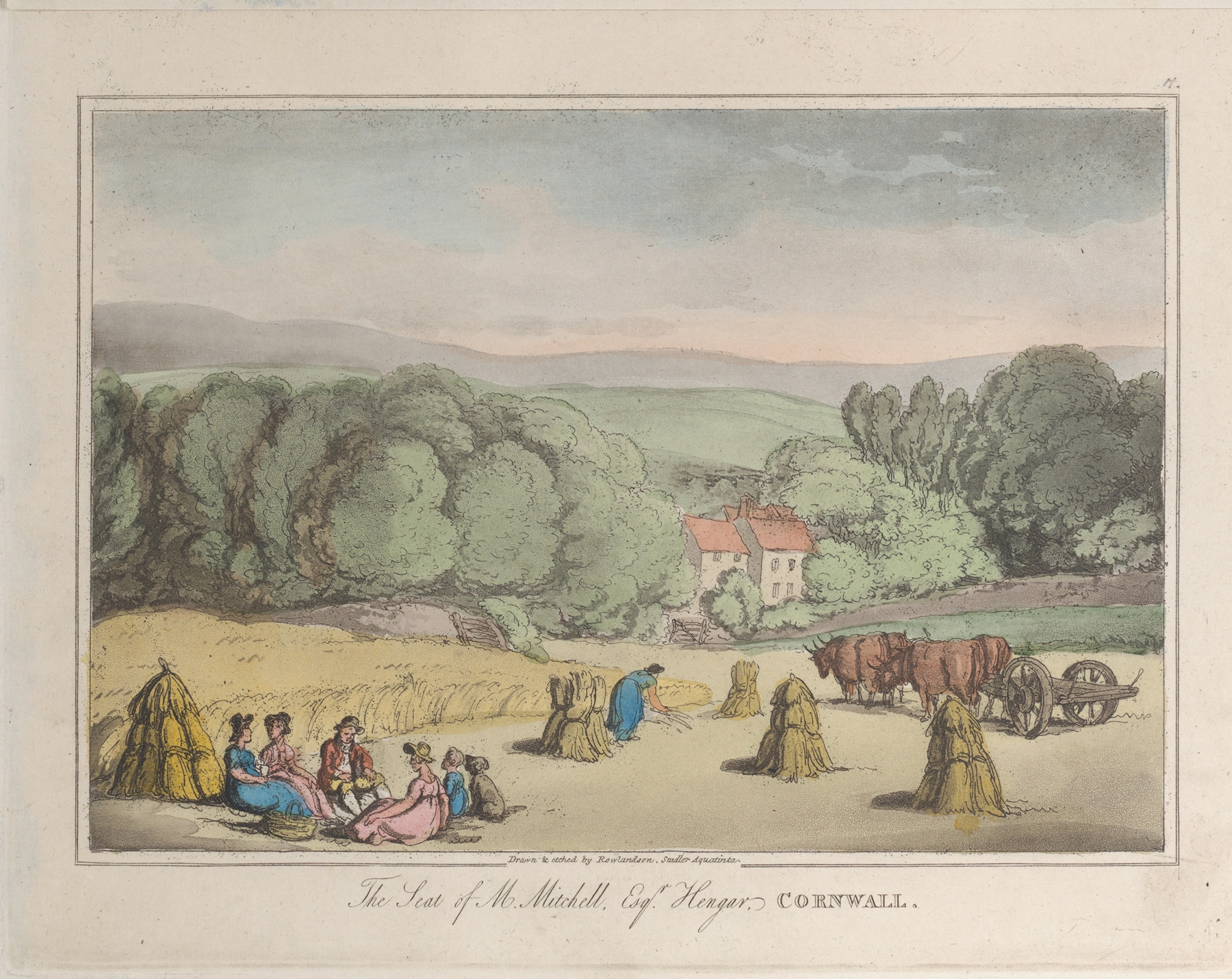
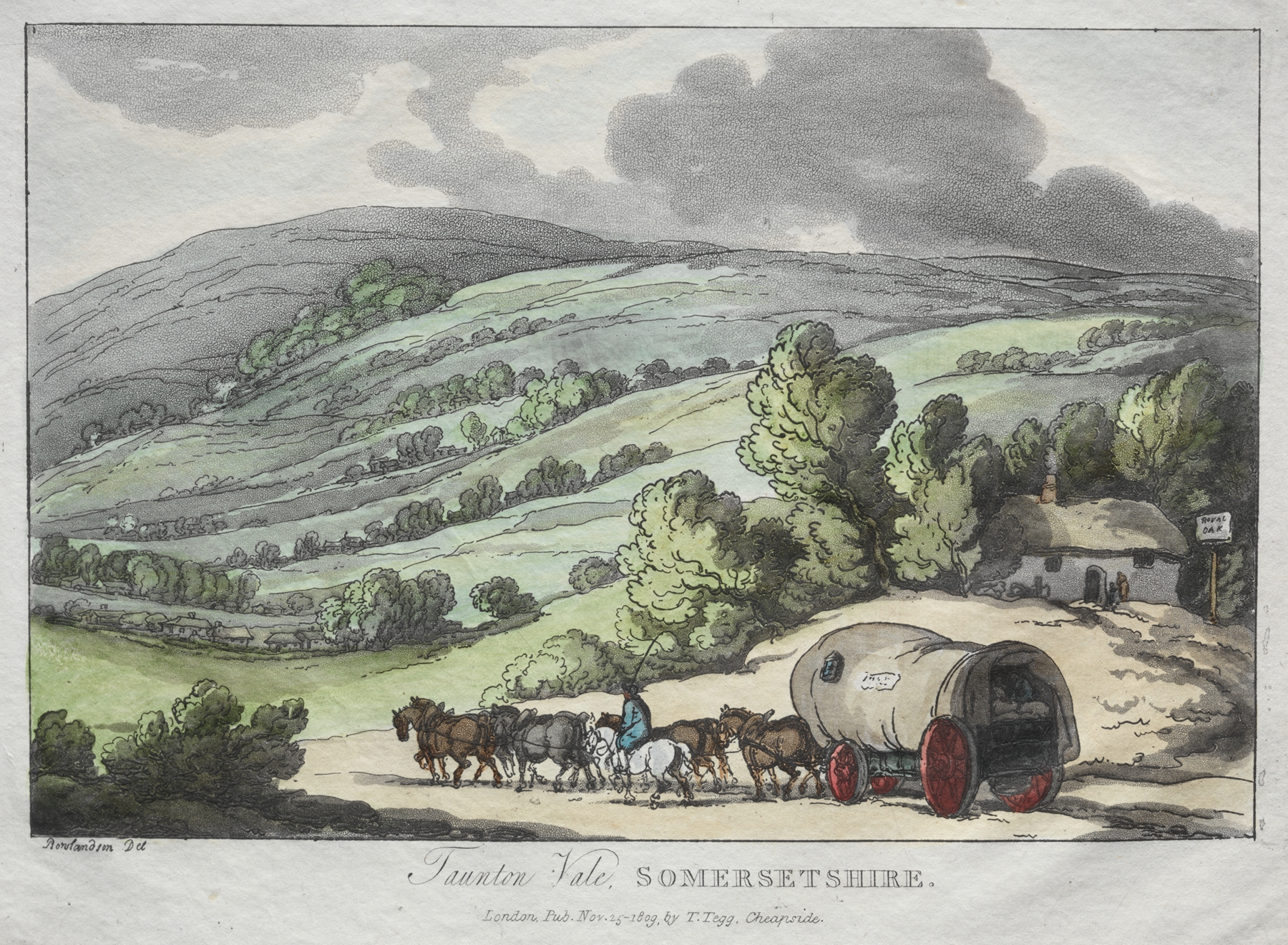
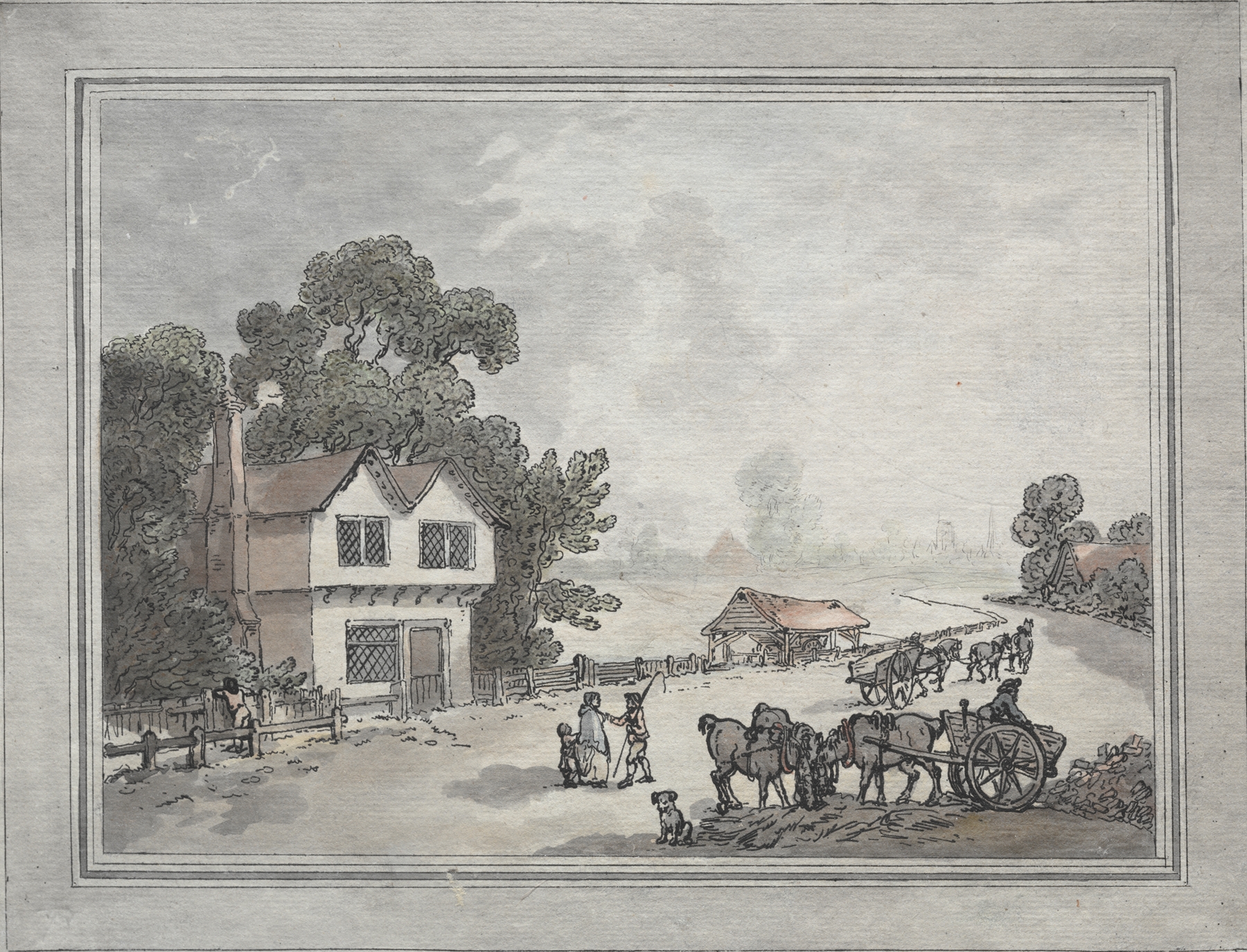
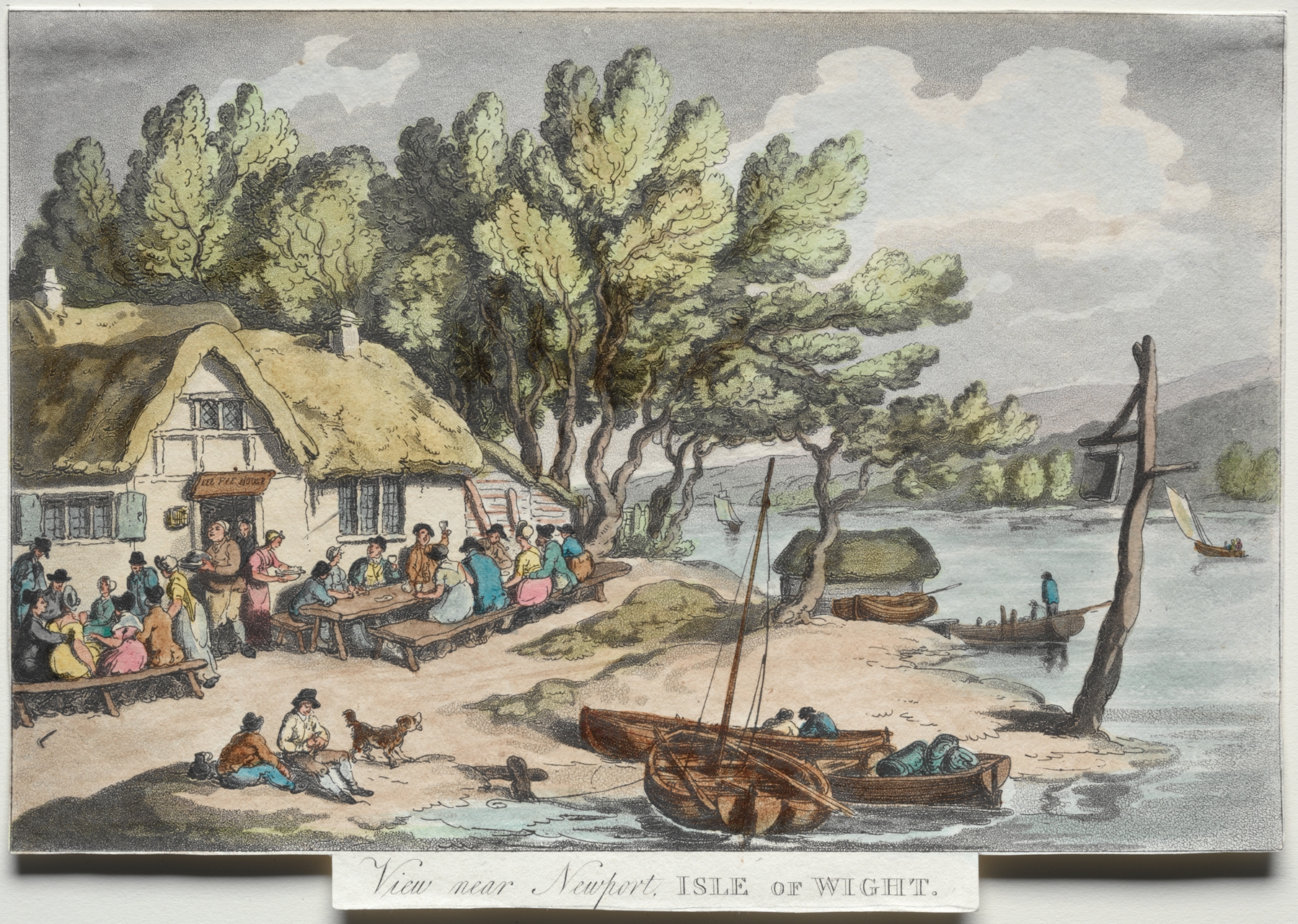
Can beauty exist without sorrow? In Rouler Moor, Cornwall, the delicate interplay of landscape and human presence reveals the profound complexities woven into our legacies. Look to the foreground where the gentle hillsroll like whispers, a soft green canvas dotted with figures engaged in labor. Notice the palette of muted earth tones, a testament to the natural world, while the sky above swells with vibrant blues and whites, contrasting the toil below.
The composition guides the eye towards the distant horizon, where the sun breaks through the clouds, casting a warm glow that seems to promise hope amidst the labor. Beneath the tranquil surface lies a tension between nature's beauty and the harsh realities of rural life. The figures, though small, embody a resilience forged in the struggle against the elements, their postures both bowed and determined. This juxtaposition invites the viewer to reflect on the bittersweet nature of existence; the serenity of the landscape belies the efforts and sacrifices that shape it.
Each stroke of the brush captures not just the visible world but also the unseen stories of those who toil, creating a legacy marked by both hardship and grace. In 1822, Thomas Rowlandson painted this work amid a period of personal and artistic transition. Having established his reputation as a caricaturist, he sought to explore more serene subjects, reflecting both the changing tastes of the art world and his own desires for legacy. The early 19th century was a time when the Romantic movement flourished, embracing emotional depth and the beauty of nature—a theme that resonates profoundly in this piece.